
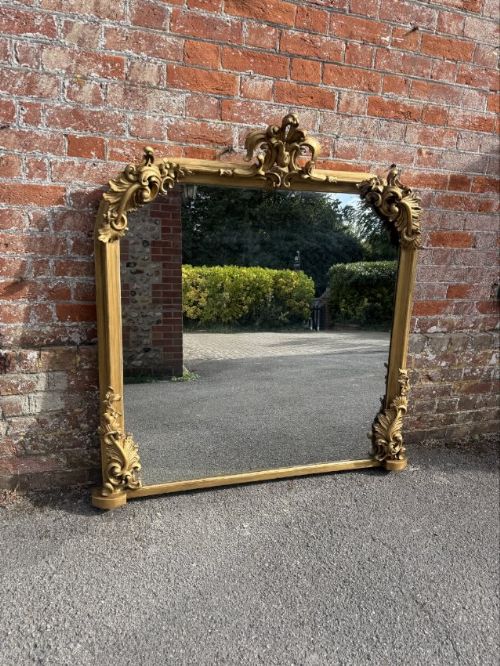
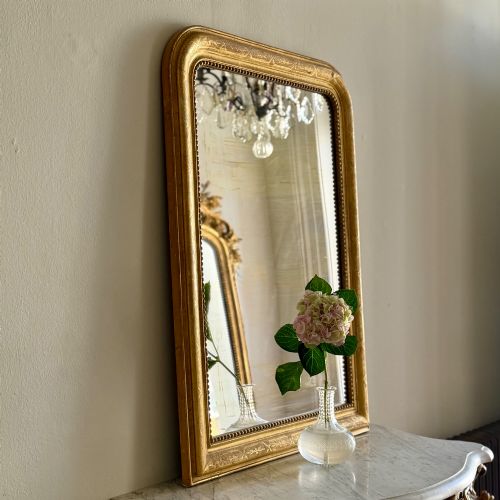
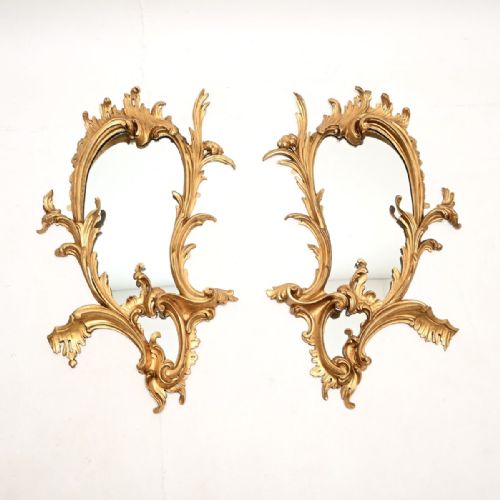
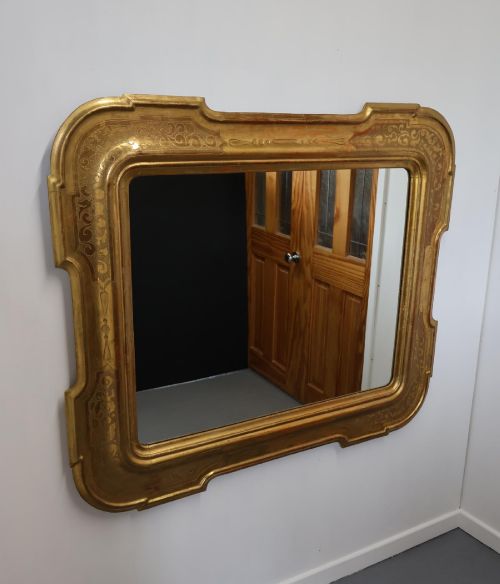
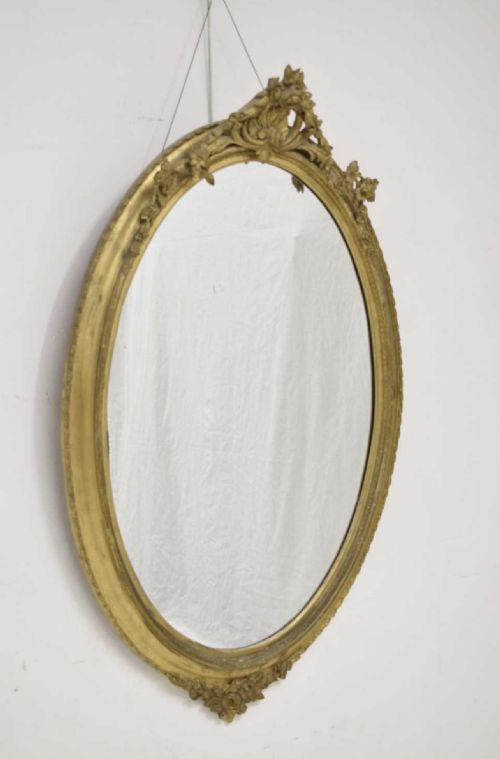
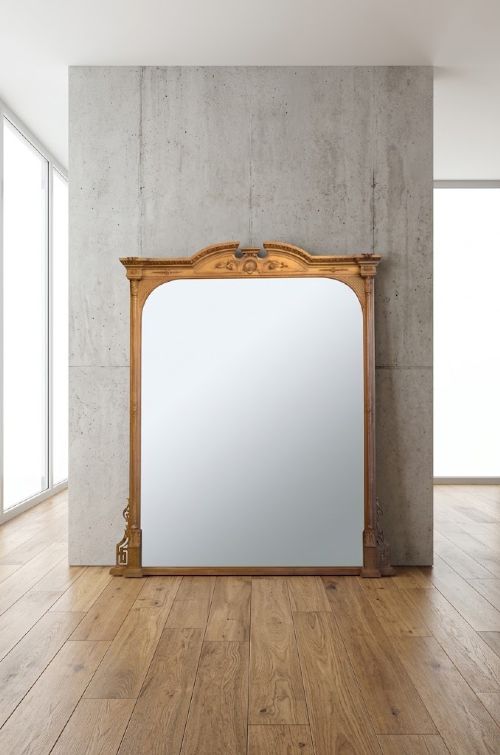
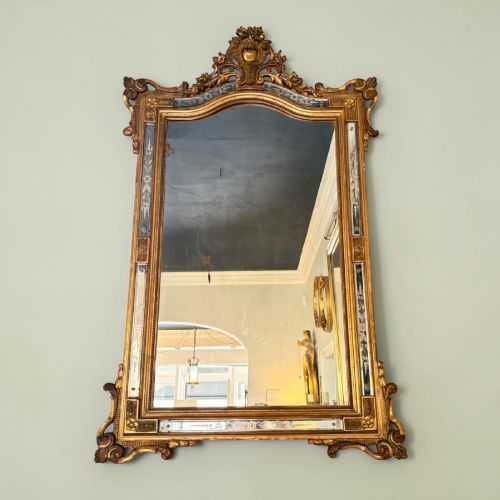
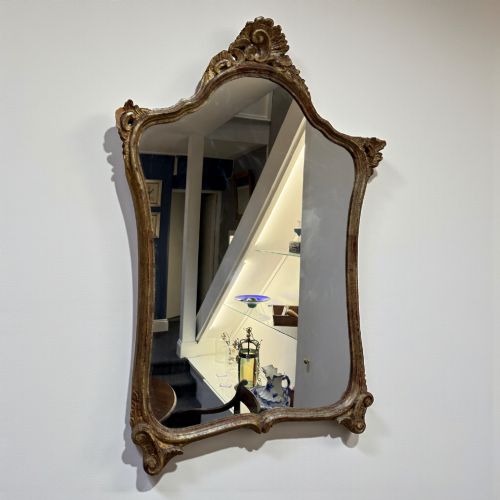
French Carved Frame Mirror
These pieces bring a french carved frame mirror into a room, offering grand proportions and historic reflection.
French Carved Frame Mirror
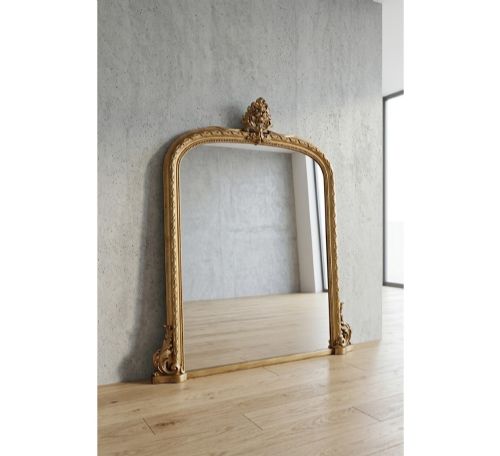
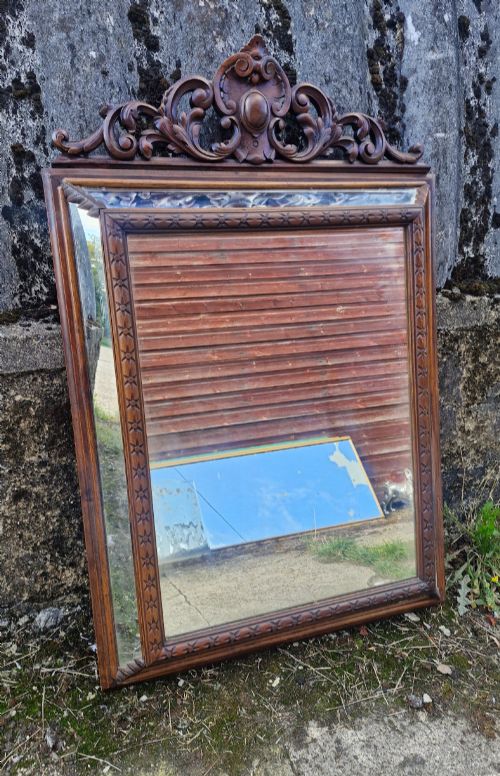
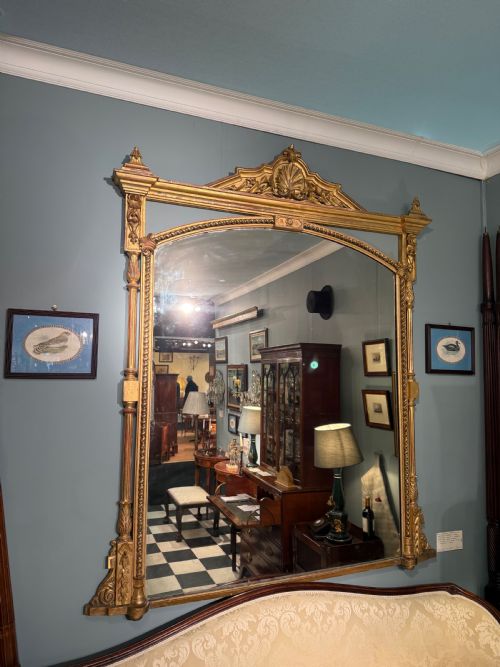
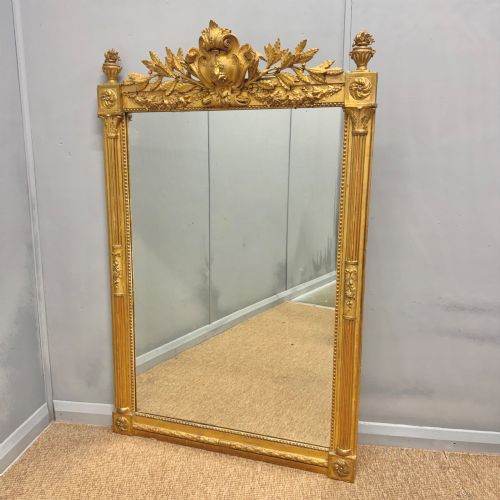
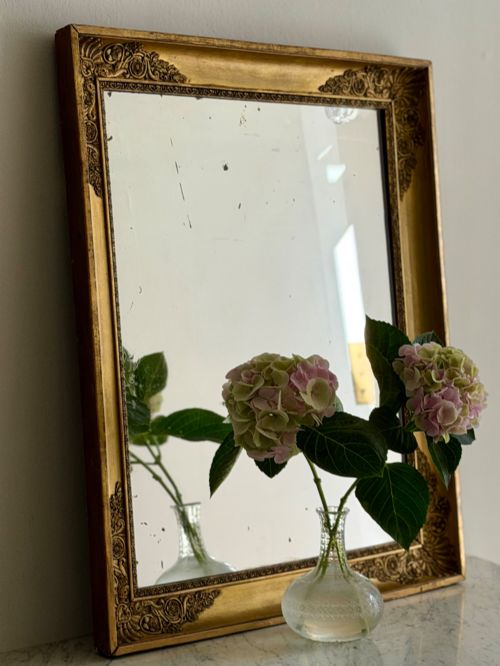
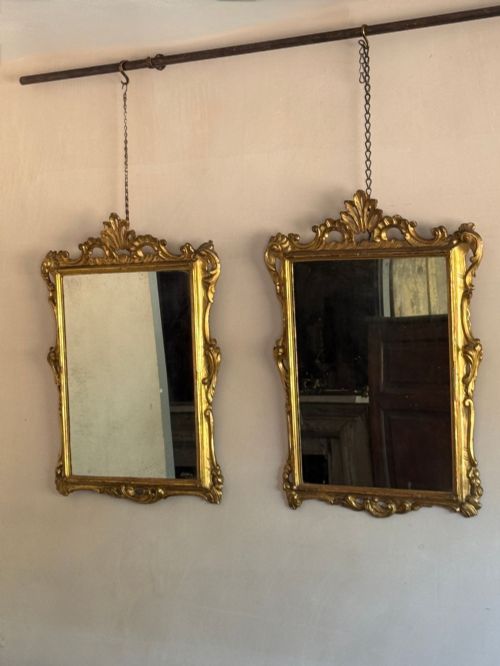
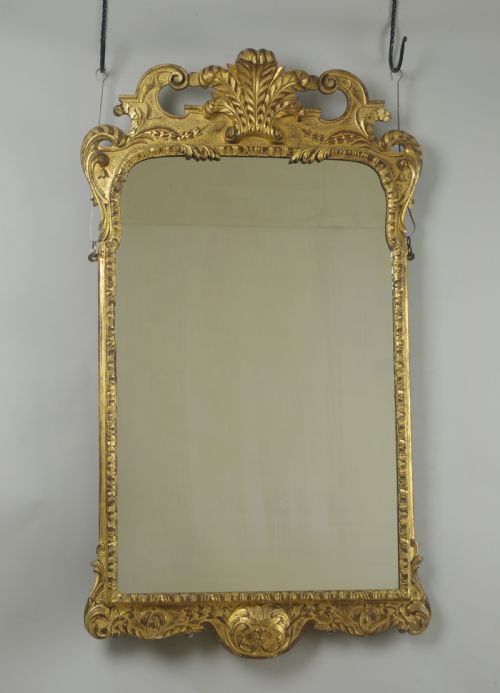
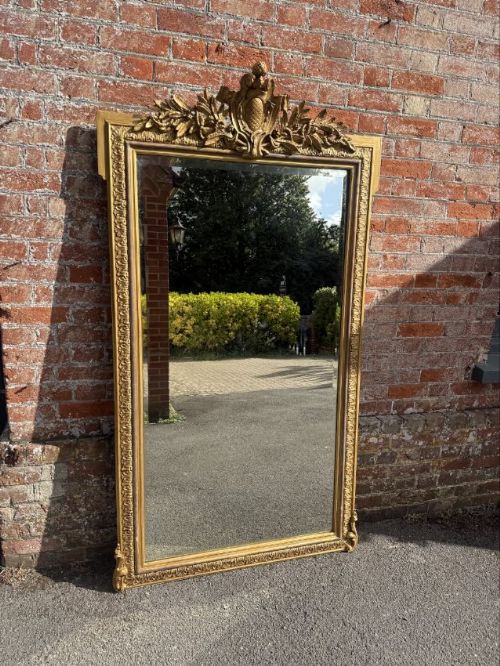
A french carved frame mirror serves as a prominent wall hanging or overmantel centrepiece, bringing historic character into a room. These objects combine substantial timber frames with reflective glass plates designed to catch and amplify light.
Most examples encountered here originate from the nineteenth century, spanning Victorian interpretations to continental periods. Buyers regularly find large wall mirrors and sweeping overmantels designed to sit above fireplaces.
The aesthetic borrows heavily from historic French design vocabulary, including rococo revival curves, Louis Philippe restraint, and ornate chateau motifs. Carved wooden structures form the foundation of these decorative items.
How they were made
Craftsmen built the structural frames using solid woods such as oak, pine, or timber, shaping them through hand carving. Artisans applied layers of gesso over the wood base to create smooth surfaces for subsequent decoration.
Gilding techniques involved applying gold leaf, silver leaf, or metallic paint to the prepared gesso surfaces, often supplemented by composition ornaments. Mirror plates ranged from early mercury glass to later etched and bevelled sheet glass.
Listings feature items spanning the eighteenth century through to the early twentieth century, utilising oak, pine, and gesso.
What varies in quality
The depth and crispness of the hand carving distinguish superior examples from simpler production. Skilled artisans achieved intricate floral, mythological, and scroll motifs with sharp undercutting and clean definition.
The integrity of the original gilt or painted surface affects the visual impact of the piece. Frames retaining their initial gold leaf and gesso display a warmer patina than those subjected to heavy later restoration.
The French Carved Frame Mirror Glossary
- Giltwood
- Wood that has been coated with thin sheets of gold leaf over a prepared gesso ground. This finish provides a warm, reflective metallic surface on nineteenth-century frames.
- Gesso
- A plaster mixture applied to wooden frame foundations to create a smooth surface for gilding or painting. It accepts detailed moulding and carving work.
- Overmantel mirror
- A large horizontal mirror specifically scaled to hang above a fireplace mantelpiece. These pieces often feature architectural arches or decorative crests.
- Mercury glass
- An early type of mirror glass produced by pouring a silvering mixture containing mercury between double-walled blown glass globes. It creates a characteristic mottled, dark reflection.
- Composition
- A moulded material made from whiting, oil, resin, and glue pressed into decorative ornaments. It was applied to wooden frames to simulate complex hand carving.
French Carved Frame Mirror: Frequently Asked Questions
Where should I hang a large overmantel mirror?
These mirrors traditionally anchor the space above a fireplace, reflecting light and room proportions back into the interior. They also function effectively as leaner mirrors placed directly on the floor against a main wall.
Ensure the wall construction and fixings can support the substantial weight of timber and glass frames. Professional wall anchors suited to brick or lath and plaster provide the necessary security.
How do I identify a nineteenth-century frame?
Nineteenth-century frames display hand-carved timber construction beneath layers of gesso and gold leaf. Examination of the reverse often reveals older panel joins, hand-cut screws, and aged wood patination.
Glass plates from this era may show minor foxing or irregularities distinct from modern float glass. Period hardware and backing boards further confirm the age of the object.
What is mercury glass?
Mercury glass refers to antique mirror plates produced during the eighteenth and nineteenth centuries using a silvering amalgam. This process creates a deep, cloudy reflection with characteristic dark spots.
Over decades, chemical reactions within the plate produce a speckled appearance known as foxing. This mottled effect is valued by collectors for its historic authenticity.
How do I clean an antique gilt frame?
Dust giltwood surfaces gently with a soft dry brush to remove loose particles without disturbing the fragile gold leaf. Avoid using water, chemical solvents, or modern cleaning sprays on historic finishes.
Purchased cleaners can strip original gilding and gesso layers from the carved wooden foundation. Professional conservators should handle deep cleaning or structural repairs.