


Lacquered Accent Table
A lacquered accent table brings deep gloss, hand-painted figures and rich regional pattern into a room as a functional surface.
Lacquered Accent Table
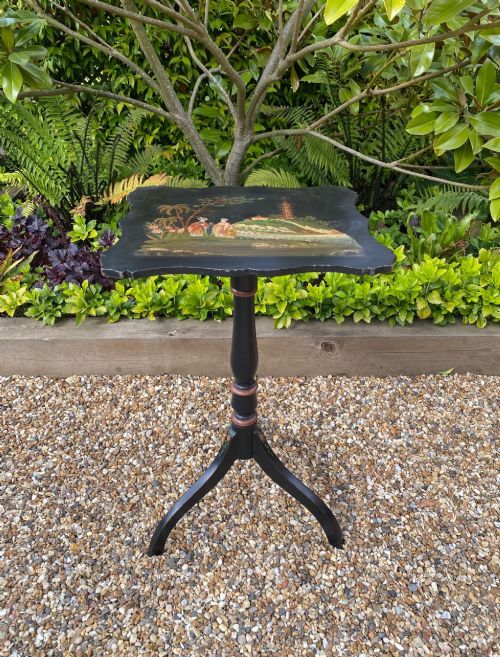
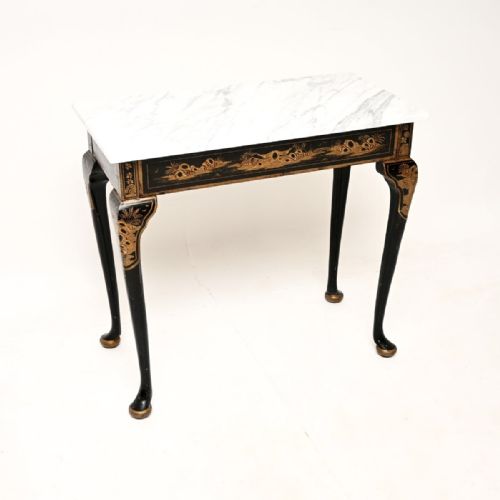
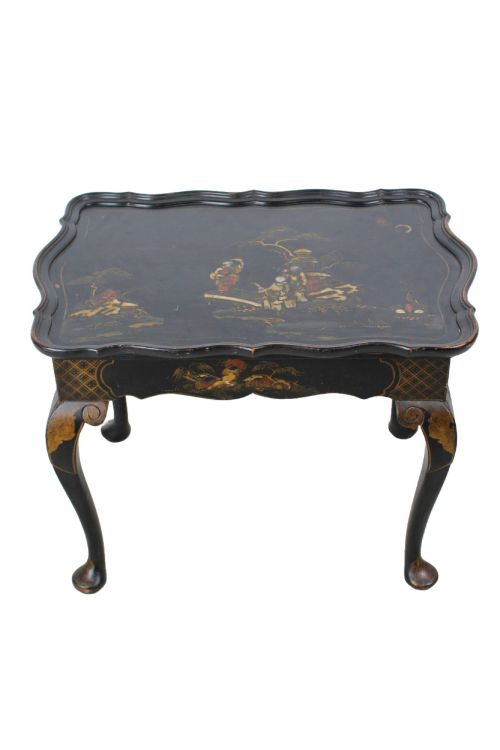
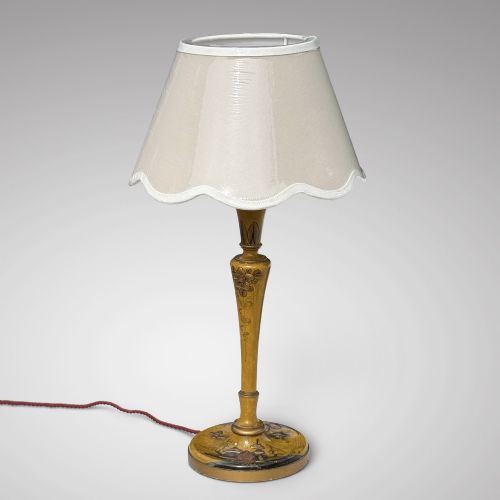
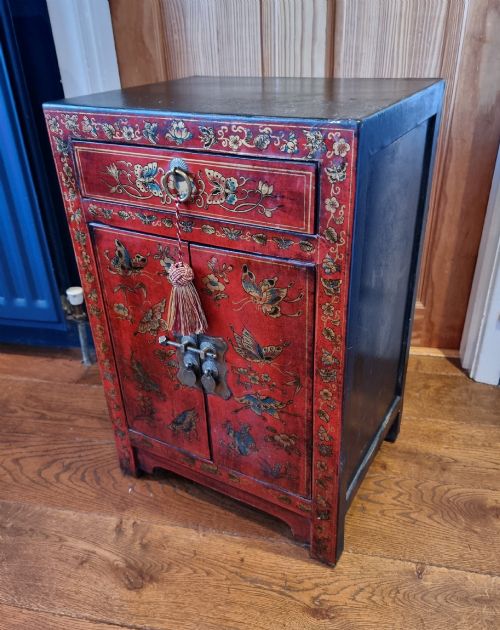
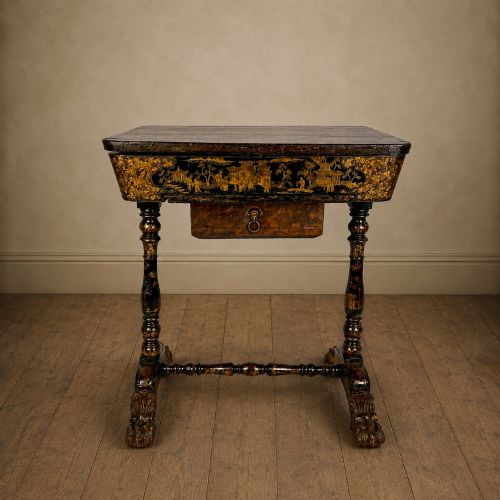
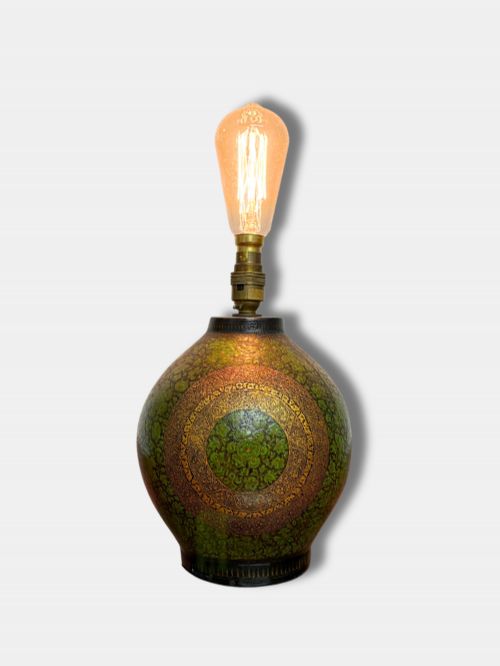
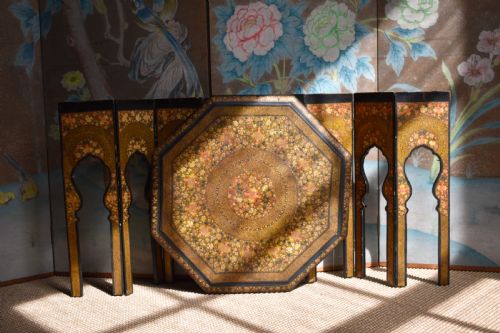
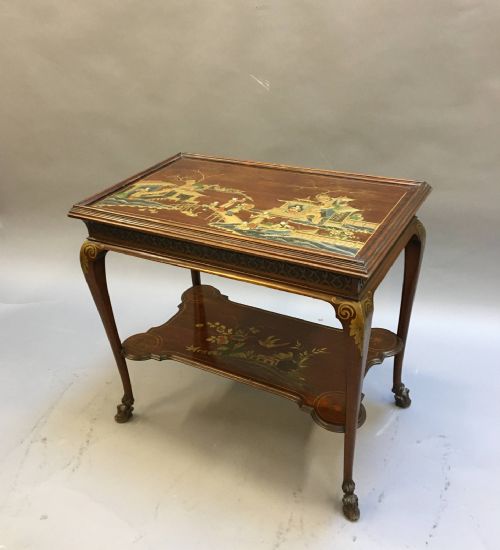
A lacquered accent table encompasses side tables, occasional tables, nests of tables, coffee tables and work tables spanning the eighteenth century through to the early twentieth century. Buyers seeking this phrase most frequently encounter nineteenth century and early twentieth century pieces decorated in Chinoiserie, Kashmiri and Victorian aesthetic styles.
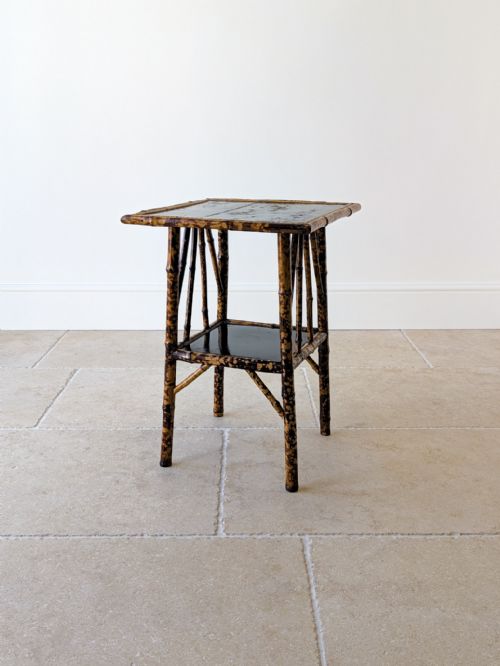
Regional variations include English Sheraton and Regency adaptations, Chinese export works, and papier-mache or bamboo frames. These pieces function as small display surfaces, lamp tables or serving stands, relying on painted and gilded finishes to catch the light.
Materials and construction
Makers built these tables from wood, elm, rootwood, papier-mache and bamboo, applying successive layers of lacquer to seal and protect the surface. Artisans then decorated the panels using gold leaf, paint and gilt, depicting traditional scenes or floral motifs.
Hardware details incorporate brass fittings, marble tops and quartz inserts, while specialised variants combine lacquer with cloisonne or tiered bamboo construction.
Some nineteenth century makers ingeniously transformed tea trays into portable tables by mounting them securely onto folding bamboo stands.
Judging the finish
Quality rests on the depth of the lacquer surface and the precision of the hand-painted or gilded detail. Superior examples display crisp pictorial work and stable structural joinery without heavy surface cracking.
The sophistication of the design, whether an intricate Chinoiserie landscape or a finely layered Kashmiri floral scheme, determines the standing of the piece within its period.
The Lacquered Accent Table Glossary
- Chinoiserie
- European theatrical interpretation of Chinese and East Asian artistic traditions, prominent in lacquer furniture decoration.
- Papier-mache
- Pressed paper pulp mixed with glue and oil, moulded into rigid trays or table bases before lacquering and painting.
- Kashmiri
- Decorative work originating from the Kashmir region, characterised by densely painted floral and botanical motifs on wood.
- Tripod side table
- A small freestanding table supported by a central pillar above three splayed legs.
- Nest of tables
- A graduated set of smaller tables designed to slide neatly beneath one another when not in use.
Lacquered Accent Table: Frequently Asked Questions
How do I clean a lacquered table?
Dust the surface regularly with a soft, dry lint-free cloth to prevent microscopic abrasion of the finish.
Avoid chemical polishes, excessive water and direct sunlight, which can dull or crack the lacquer over time.
Where should I place an accent table?
Position the piece beside a sofa or reading chair where its decorative surface and small footprint can be appreciated.
Keep the table away from direct heat sources such as radiators to protect the underlying wood and lacquer layers.
Are these tables sturdy enough for daily use?
Most occasional and side tables handle light items such as lamps, books or cups quite safely.
Heavier loads or active daily wear should be avoided on fragile papier-mache or antique bamboo frames.
How do I identify a Chinoiserie finish?
Look for raised or flat painted scenes depicting pagodas, figures, birds and bridges rendered in gold, ochre or black.
Authentic period examples show consistent craquelure and hand-applied detailing rather than modern printed transfers.