


Indian Papier Mache Table
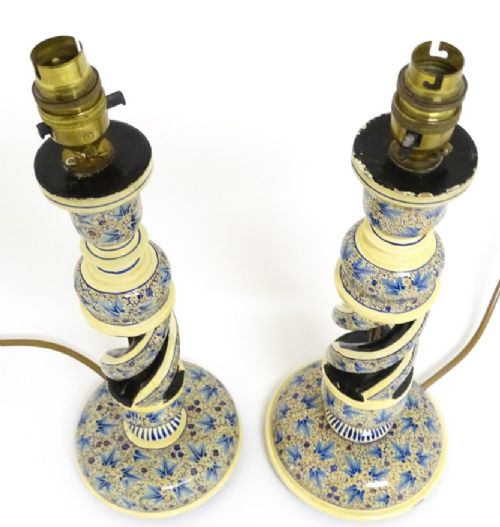
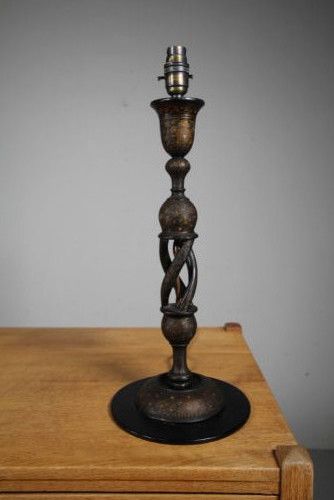
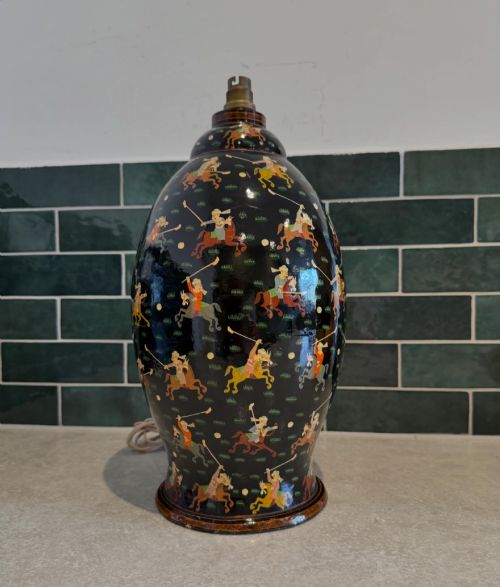
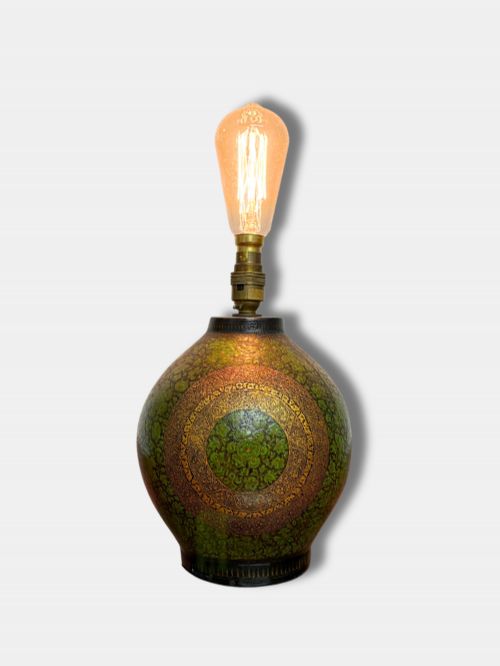
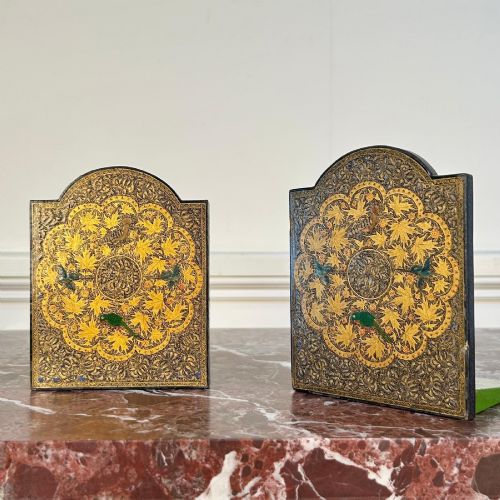
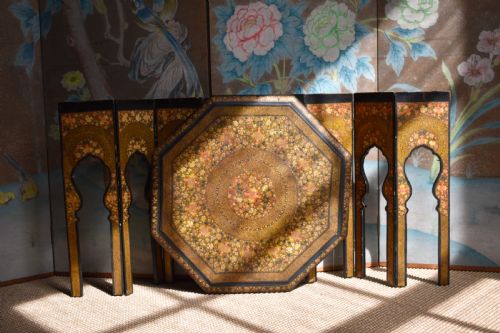
These Indian papier mache table pieces bring vibrant Kashmiri folk art and lacquer work into a room.
Indian Papier Mache Table
When you search for an indian papier mache table, you encounter hand-painted decorative items rooted in Kashmiri traditions. The pieces appearing here span from the late nineteenth century through the early twentieth century.
Most examples originate from Kashmir, often aligned with Anglo-Indian or Kashmiri Folk Art styles. Buyers find pieces dated from eighteen eighty up to nineteen thirty.
Materials and construction methods
Artisans built these items using wood, brass, and papier-mache as the foundational structure. Lacquer and paint were subsequently applied to seal and decorate the outer surfaces.
The decorative schemes rely on hand-painted details, including gilt gold and green accents. Certain items integrate carved wood alongside the moulded papier-mache base.
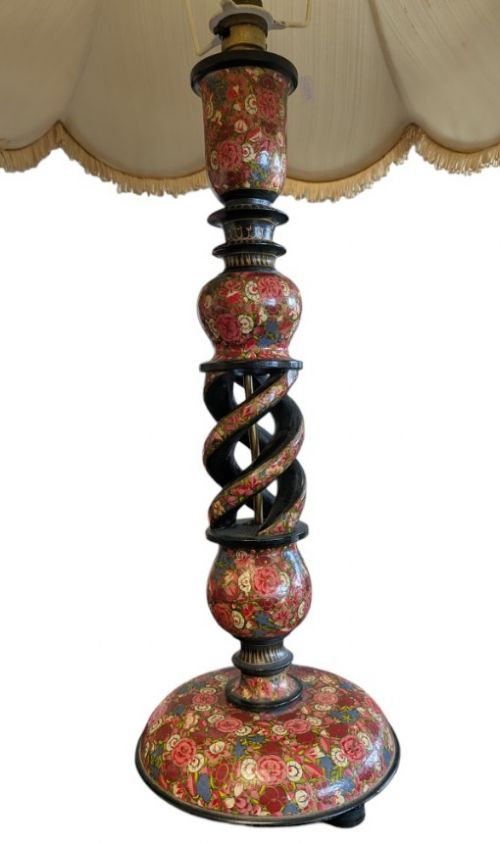
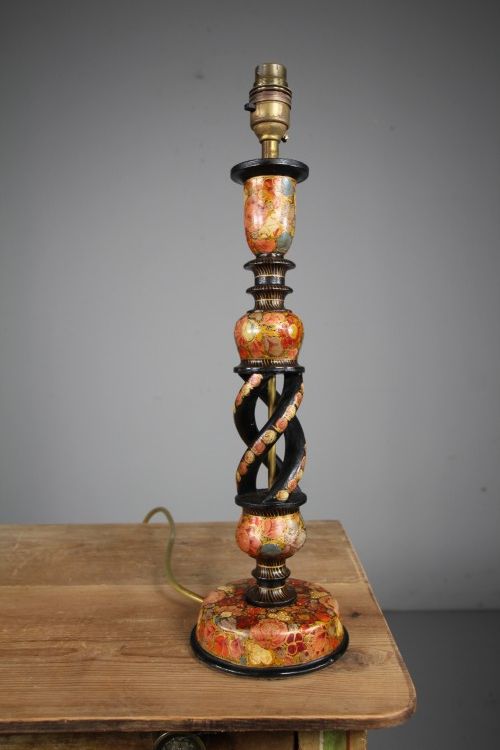
Wiring and lamp holders were added to lighting forms during period production or later adaptation. Fabric elements occasionally accompany the primary construction.
The listings span from eighteen eighty to nineteen thirty, predominantly featuring painted papier-mache and wood.
Distinctions in quality and execution
Quality reveals itself in the precision of the hand-painted decoration upon the lacquer surface. Finer examples display meticulous brushwork and intricate patterns rather than simpler applications.
The integrity of the underlying papier-mache and carved wood structures distinguishes the execution. Superior pieces maintain crisp detail in their ornamentation across the nineteenth and early twentieth centuries.
The Indian Papier Mache Table Glossary
- Papier-mache
- A composite material consisting of paper pieces or pulp, sometimes reinforced with textiles, bound with glue or paste. It forms the lightweight core of many Kashmiri decorative objects.
- Lacquer
- A clear or coloured varnish applied to wood and papier-mache to create a hard, protective, and decorative finish. It is characteristic of traditional Kashmiri craftsmanship.
- Anglo-Indian
- A design style reflecting the aesthetic fusion of British and Indian artistic traditions during the colonial period. It frequently influences the decorative forms seen in these items.
- Kashmiri Folk Art
- Artistic traditions originating from the Kashmir region, noted for vibrant painted motifs and floral patterns. This style defines the surface ornamentation of the pieces.
Indian Papier Mache Table: Frequently Asked Questions
Are these lamps original?
The lighting pieces date from periods like nineteen twenty and nineteen thirty, reflecting early twentieth-century production.
Some items have undergone rewiring to meet modern electrical standards while retaining their antique bases.
How do I date these items?
Datings span from the late nineteenth century up to nineteen thirty based on stylistic evidence.
Details such as paint techniques and materials help distinguish items from eighteen eighty through the early twentieth century.
What materials are used?
Construction typically involves papier-mache, wood, and brass components.
Surfaces are finished with paint and lacquer, often featuring gilt gold highlights.
Where were they made?
These pieces originate from Kashmir, showcasing regional craft traditions.
They frequently embody Kashmiri folk art and Anglo-Indian stylistic influences.