

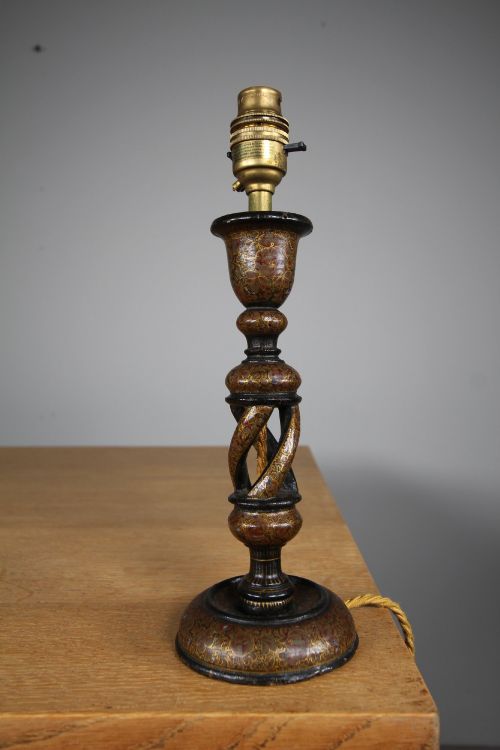
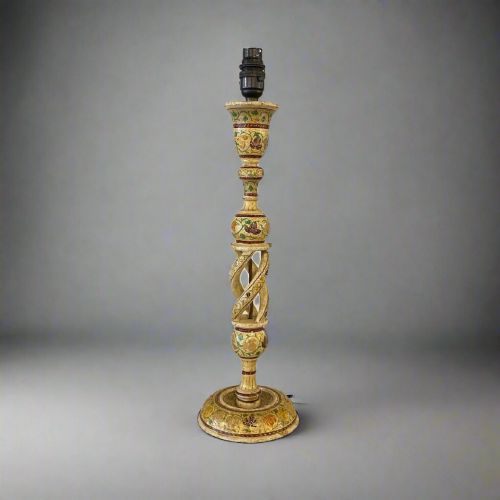
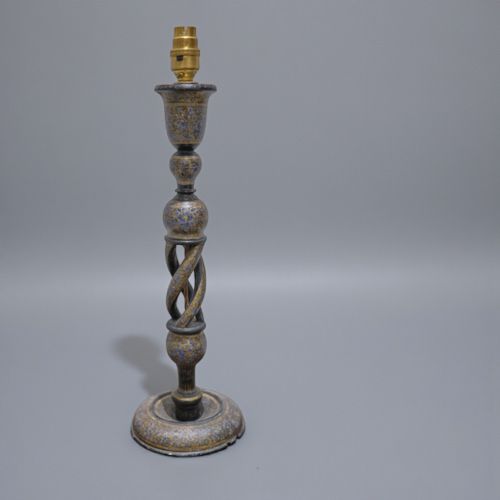
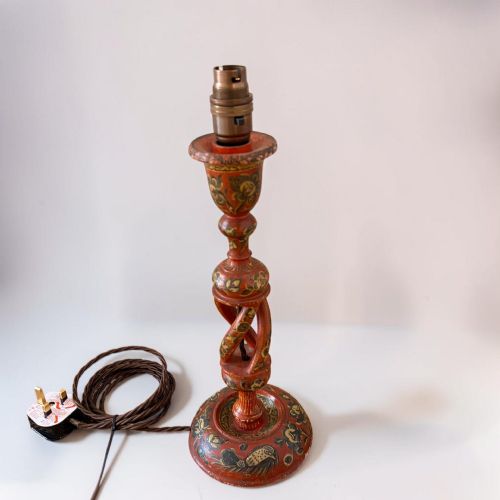


Hand Painted Kashmiri Table
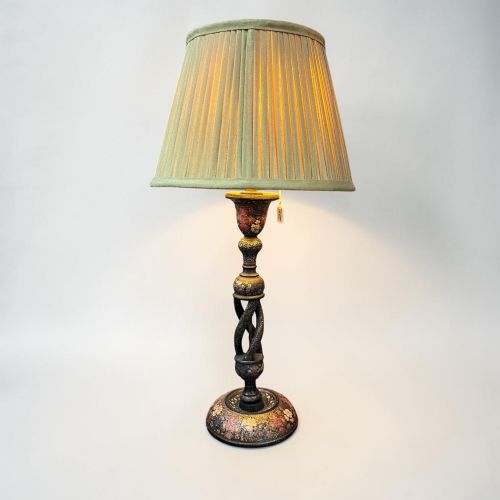
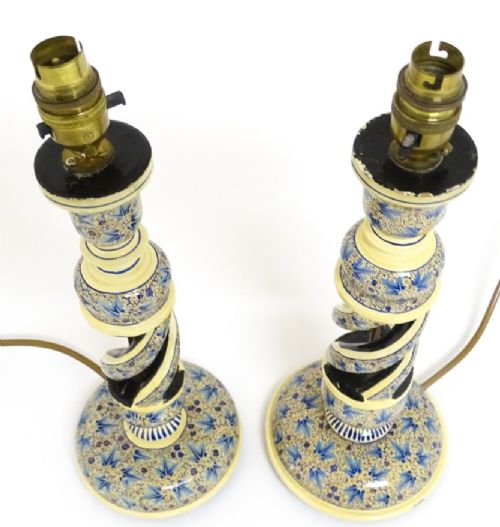
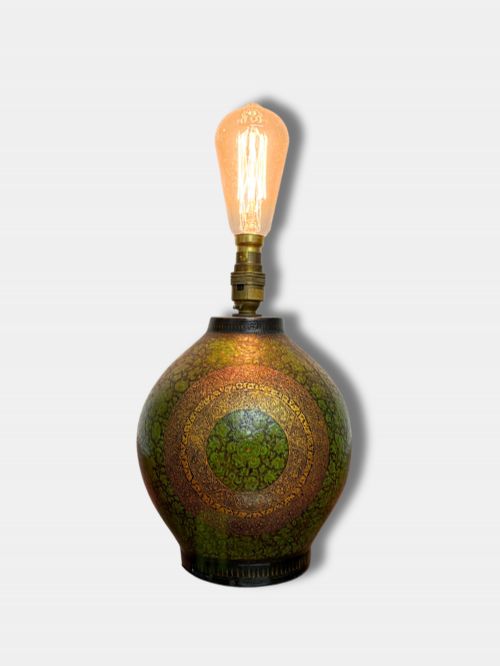
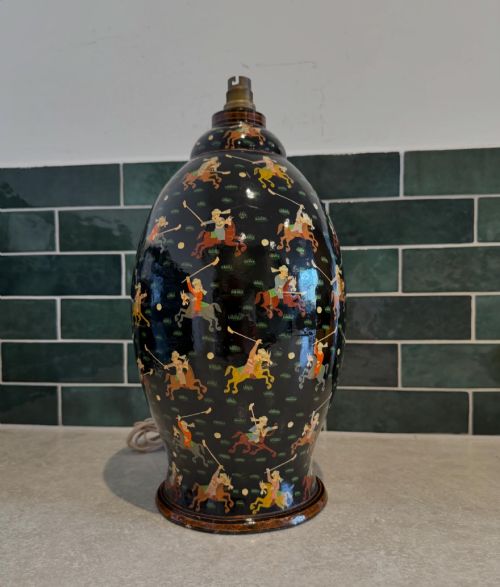
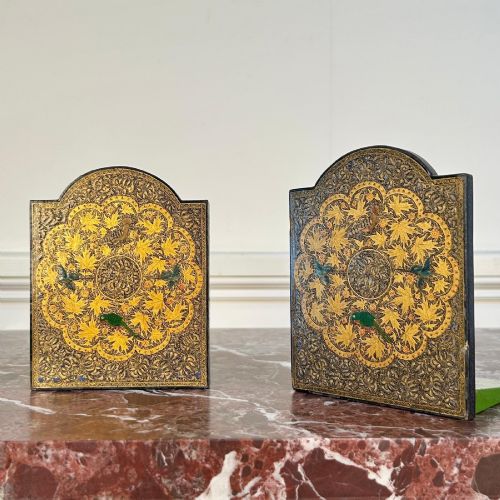
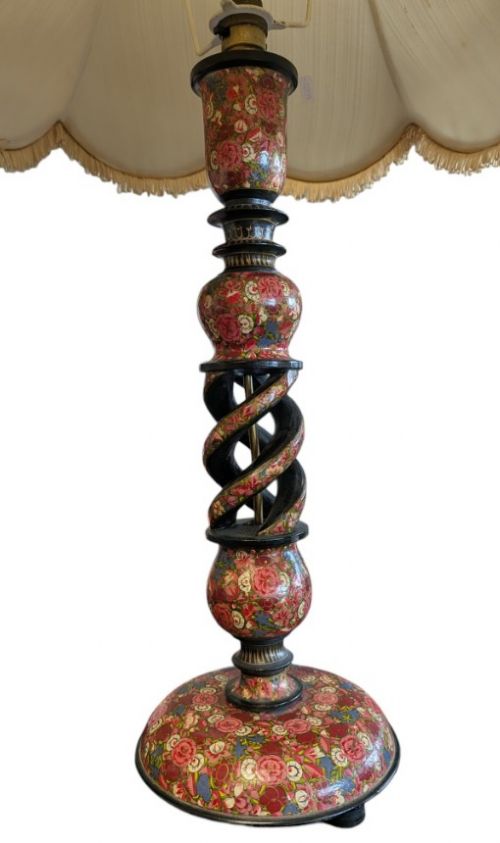
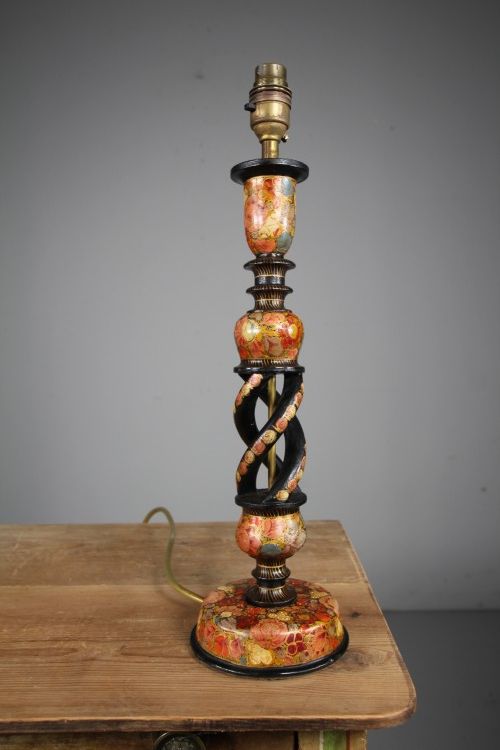
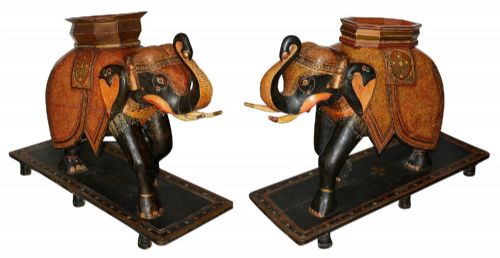
These hand painted kashmiri table pieces bring vibrant floral motifs and intricate craftsmanship into a room.
Hand Painted Kashmiri Table
A hand painted kashmiri table represents a tradition of decorative woodwork and surface ornamentation originating from the Kashmir region. These items range from compact side pieces to folding octagonal surfaces, often featuring rich polychrome decoration.
The pieces on this page span the Victorian era, the nineteenth century, and the early twentieth century, including the 1880s, 1900, 1920, and 1930. Side tables appear alongside lighting and decorative objects, demonstrating the breadth of Kashmiri craftsmanship available to collectors.
Buyers seeking a hand painted kashmiri table will encounter both traditional folding forms and occasional rigid structures. The surface decoration remains the defining characteristic across all periods represented in the archive.
Materials and construction
Makers utilised wood, carved wood, and papier-mache as the primary substrates for these decorated objects. Paint and lacquer were then applied to seal and colour the surfaces, sometimes incorporating gilt gold details against green or cream backgrounds.
Craftsmen applied meticulous brushwork directly onto the prepared wooden or papier-mache bodies. Brass elements occasionally appear alongside fabric components, while lacquer finishes provide protection and a smooth sheen to the painted botanical and geometric patterns.
Hand Painted Kashmiri Table Retail Price Guide 2026
Typical asking prices for hand painted kashmiri table among the pieces listed under this phrase on Sellingantiques today, from the lower quarter to the upper quarter. They describe what is for sale here now, not the wider market.
Current listings feature items from the 1880s, 1900, 1920, and 1930, utilising lacquer, wood, brass, papier-mache, and paint.
Assessing quality and craftsmanship
The refinement of the painted detail separates standard examples from superior pieces. Finer items exhibit precise brushwork and complex multi-coloured palettes that retain their clarity across the entire surface.
The integrity of the underlying material, whether wood, carved wood, or papier-mache, dictates the structural longevity of each piece. Well-preserved lacquer finishes and intact gilt elements indicate careful historic ownership.
The Hand Painted Kashmiri Table Glossary
- Lacquer
- A protective coating applied to surfaces, providing a glossy finish that seals the painted decoration underneath. It helps preserve the colours over decades of use.
- Papier-mache
- A composite material made of paper pulp or reinforced paper sheets, moulded and dried before being painted and lacquered. It allows for lightweight yet durable decorative objects.
- Anglo-Indian
- A style descriptor reflecting British aesthetic influences combined with traditional Indian craftsmanship during the colonial period. It often appears on decorative items destined for European homes.
- Polychrome
- The practice of decorating surfaces in multiple colours. This technique defines the visual impact of Kashmiri painted works.
Hand Painted Kashmiri Table: Frequently Asked Questions
What periods do these pieces come from?
The inventory includes items from the nineteenth century, the Victorian era, and the early twentieth century. Dates span from the 1880s through to the 1930s.
Earlier examples from the 19th century sit alongside pieces produced around 1920 and 1930, showing continuity in Kashmiri decorative arts over several decades.
How do I care for a painted lacquer surface?
Keep these items away from direct sunlight and excessive moisture to protect the delicate paint and lacquer layers. Dust gently with a dry, soft cloth.
Avoid using liquid cleaners or chemical polishes, as these can soften or damage the historic lacquer finish.
Are folding tables sturdy?
Folding octagonal tables utilise traditional hinge or interlocking designs intended for flexible placement. They support normal decorative items and daily use when fully engaged.
Care should be taken when moving them to avoid straining the wooden joints and the surrounding painted decoration.
What materials are used underneath the paint?
Makers utilised solid wood, carved wood, and papier-mache as the foundational bases for their artwork. Papier-mache provides a smooth, stable ground for detailed botanical painting.
Wooden structures often feature turned elements or carved details that complement the colourful surface designs.