





Chinoiserie Tray Table
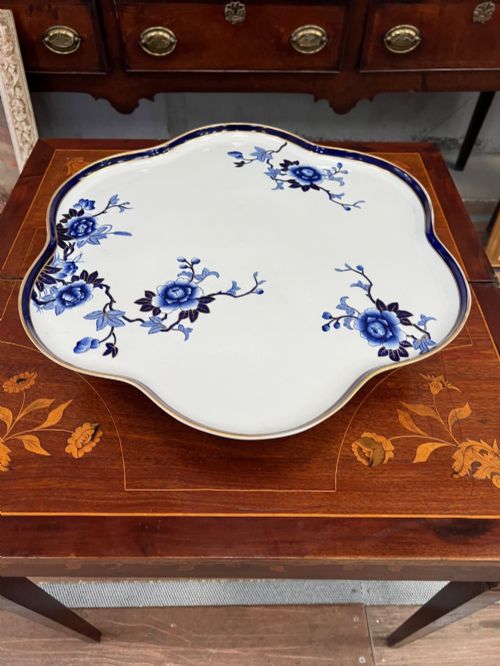
These chinoiserie tray tables bring hand-painted eastern motifs and folding stands into the modern interior as practical low tables.
Chinoiserie Tray Table
A chinoiserie tray table combines a portable serving tray with a folding or fixed wooden stand, creating a versatile occasional or coffee table. The form appears most frequently across the nineteenth century, with Victorian and Edwardian examples dominating current selections alongside pieces styled in the Regency manner.
Surviving formats range from circular coffee tables to large serving trays raised on stands, often utilising papier-mâché or lacquered wood. These pieces function readily in contemporary spaces as low side tables or serving surfaces while retaining their decorative painted panels.
Materials and construction
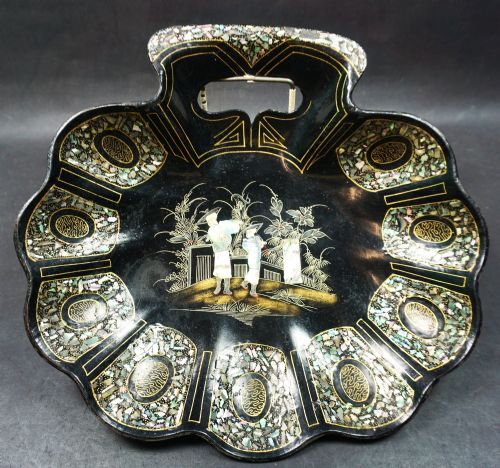
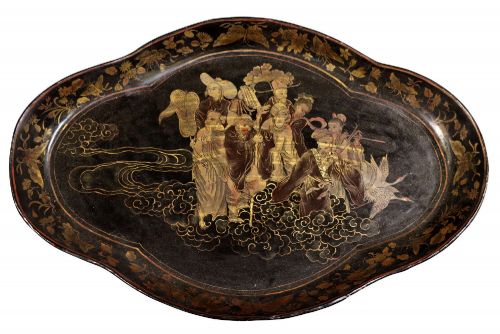
Papier-mâché and lacquered wood serve as the primary foundational materials, shaped to form sturdy raised-edge trays before receiving layers of dark finish. Artisans applied hand-painted details, frequently enhanced with gilt and gold leaf to depict figures, landscapes, and floral patterns.
Stands are constructed from timber, sometimes incorporating brass fittings or faux bamboo elements to support the heavy trays securely. The combination of painted lacquer and traditional woodworking creates a durable surface designed originally for domestic service.
Chinoiserie Tray Table Retail Price Guide 2026
Typical asking prices for chinoiserie tray table among the pieces listed under this phrase on Sellingantiques today, from the lower quarter to the upper quarter. They describe what is for sale here now, not the wider market.
The inventory spans Victorian, Edwardian, and Regency periods with pieces dated across the nineteenth and early twentieth centuries.
Assessing quality and execution
The sophistication of the hand-painted decoration determines the visual distinction of each piece, ranging from simple floral borders to intricate figural scenes in gold leaf. Finer examples display meticulous brushwork and depth within the lacquered background.
The integrity of the papier-mâché or wooden tray base and the stability of the accompanying stand affect overall desirability. Original stands matching the period of the tray command closer attention than later adaptations.
The Chinoiserie Tray Table Glossary
- Papier-mâché
- A composite material made from paper pulp or reinforced paper sheets pressed and varnished to form rigid trays. This substance provides a smooth, dark ground suited for detailed painting.
- Japaned
- A European imitation of Japanese and Chinese lacquerwork achieved through layered varnishes and heat curing. The technique produces a hard, glossy surface that protects the painted decoration underneath.
- Toleware
- Metalware, typically tin or iron, painted and lacquered in imitation of Asian lacquer pieces. Trays of this material appear on folding stands.
- Gilt
- Application of gold leaf or gold paint to highlight specific elements of the chinoiserie design. This metallic touch catches ambient light against the dark background.
Chinoiserie Tray Table: Frequently Asked Questions
How are these tables used today?
These tables function well as coffee tables, low side surfaces, or drinks trays in living areas.
Their removable tray tops offer practical versatility for serving while maintaining a strong decorative presence in a room.
What periods do these pieces date from?
The selection spans primarily the nineteenth and early twentieth centuries, encompassing Victorian, Edwardian, and Regency styles.
Earlier examples from the eighteenth century also appear occasionally in archive records.
Are the trays removable from the stands?
Many examples feature separate trays resting upon folding or rigid wooden stands, echoing their original serving purpose.
Some later or converted pieces secure the tray permanently to the base for added stability.
How do I care for a lacquered surface?
Dust the surface regularly with a soft, dry cloth to protect the delicate lacquer and painted details.
Keep the table away from direct sunlight and moisture to prevent the finish from cracking or fading.