





Japanese Porcelain Dish
Japanese porcelain dish selections encompass centuries of ceramic craft, bringing vibrant hand-painted colour and intricate design to any cabinet or table.

Japanese Porcelain Dish
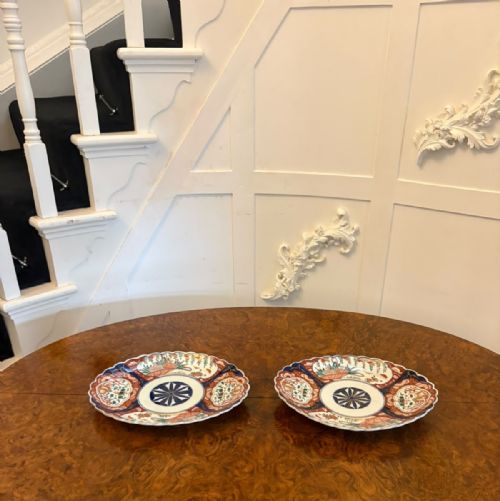
A Japanese porcelain dish represents a rich tradition of East Asian ceramic artistry spanning from the seventeenth century through to the Meiji period and the early twentieth century. Buyers seeking this phrase encounter a wide variety of forms, including large chargers, deep saucers, cabinet plates, and shaped vessels designed for display or dining.
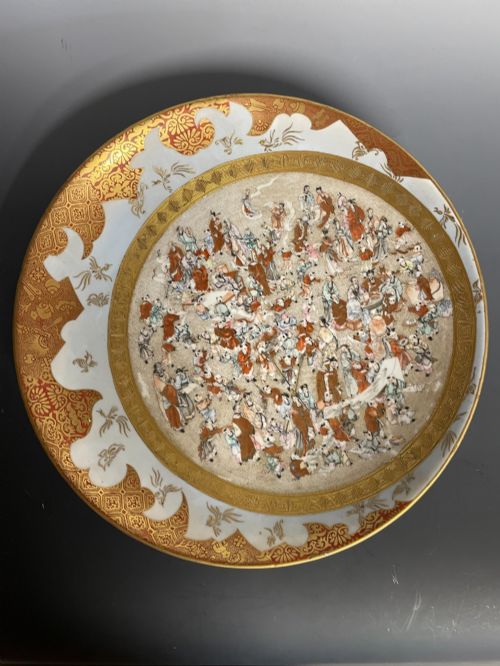
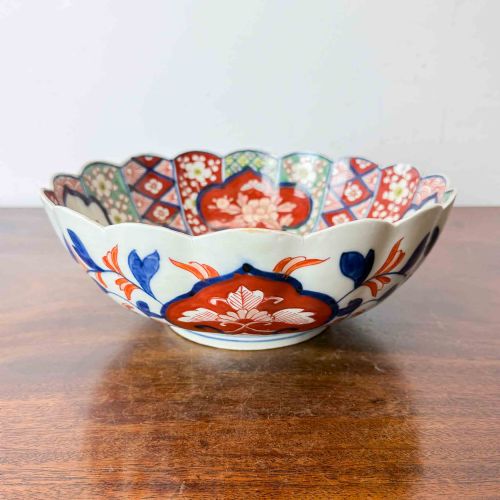
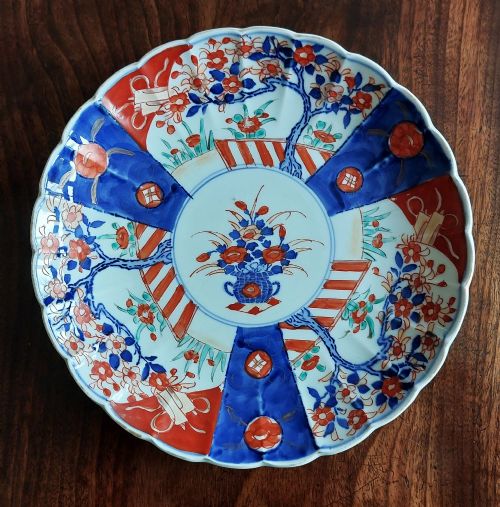
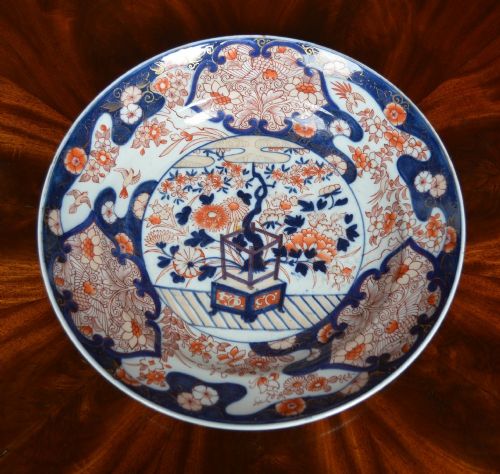
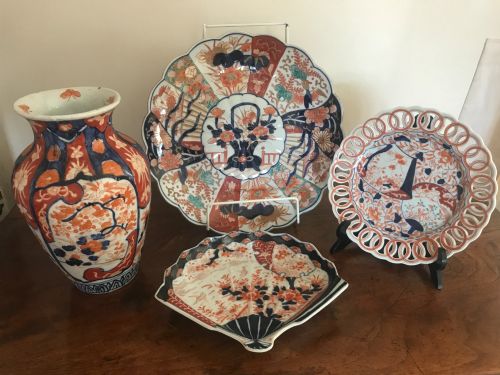
The most common examples on this page date from the nineteenth and early twentieth centuries, particularly the Meiji period. These items frequently display traditional Imari palettes of cobalt blue, iron red, and gilt, alongside Satsuma earthenware and Kutani wares.
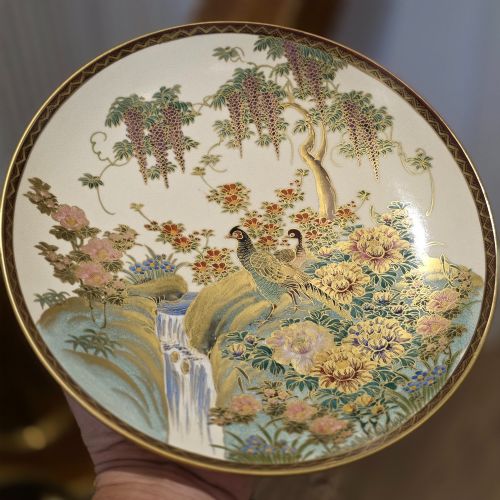
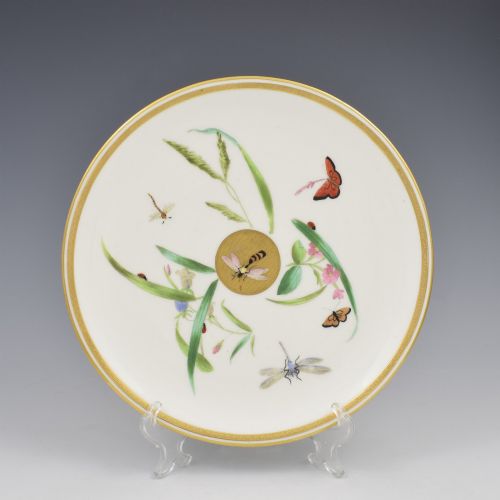
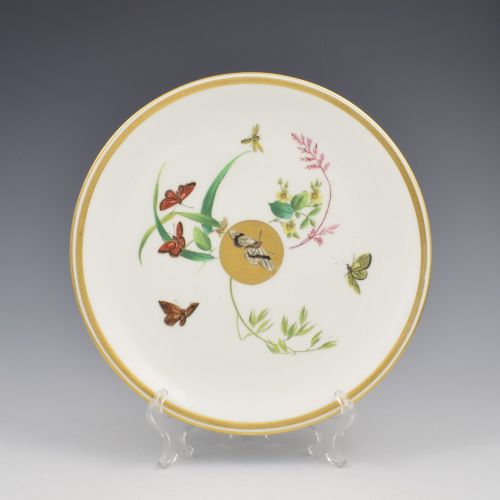
Pieces range from domestic vessels to ornate decorative plates featuring botanical motifs, exotic birds, and figural scenes. Collectors also find occasional European interpretations, such as Victorian aesthetic period plates influenced by Japanese design.

How they were made
Potters shaped fine clay and porcelain bodies on the wheel or pressed them into moulds to create scalloped, square, hexagonal, boat-shaped, and fish forms. Artisans then applied underglaze blue cobalt pigments before the primary firing.
Overglaze decoration involved meticulous hand-painting with enamel colours, gilding, and gold leaf. Some Satsuma works incorporated raised moriage paste work to build tactile texture across the surface before a secondary low-temperature fixing.
Japanese Porcelain Dish Retail Price Guide 2026
Typical asking prices for japanese porcelain dish among the pieces listed under this phrase on Sellingantiques today, from the lower quarter to the upper quarter. They describe what is for sale here now, not the wider market.
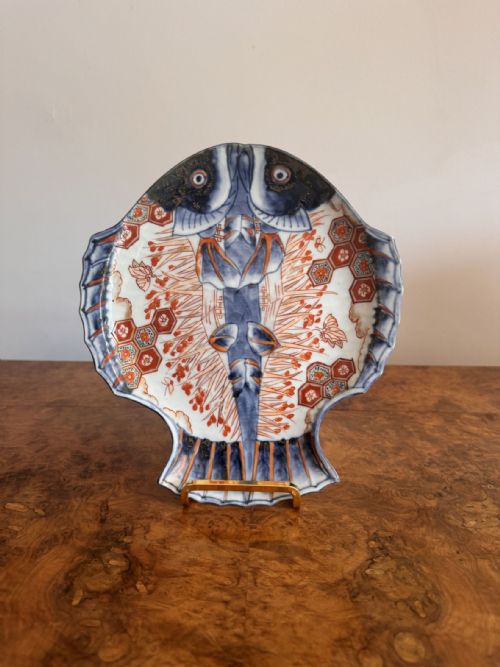
Craftsmen occasionally fashioned porcelain into unexpected aquatic forms, rendering fish and shell plates that swim right off the dining table.
What varies in quality
The distinction between standard domestic wares and superior examples lies in the precision of the brushwork and the complexity of the palette. Finer dishes display crisp cobalt definition, carefully controlled gilding, and balanced composition across the glazed surface.
Form also dictates standing, with unusual shapes such as fish, shells, or boat forms requiring greater technical skill from the potter than standard rounds. Signed works by recognised makers demonstrate higher artisan status compared to unsigned export factory pieces.

Koshida·Kozan·Fukagawa
The Japanese Porcelain Dish Glossary
- Imari
- A style of Japanese porcelain featuring a distinctive palette of underglaze blue, iron red, and gilt highlights. This aesthetic proved highly popular for both domestic use and Western export.
- Meiji Period
- The era in Japanese history running from 1868 to 1912. Production during this time was prolific, driven by international demand for decorative arts.
- Satsuma
- A type of Japanese earthenware featuring an ivory-coloured crackle glaze. Pieces are typically decorated with elaborate overglaze enamels and gold leaf.
- Charger
- A large decorative plate or dish intended primarily for display on a wall or sideboard rather than for serving food.
- Moriage
- A decorative ceramic technique using piped clay slip to create raised, textured patterns beneath or over the glaze.
Japanese Porcelain Dish: Frequently Asked Questions
How do I identify a Meiji period dish?
Meiji period items date between 1868 and 1912, a time when Japanese export ceramics flourished in response to Western trade. Look for dense decorative schemes, intricate gold detailing, and specific stylistic traits associated with Meiji production.
Many pieces from this era also bear painted maker marks or workshop signatures on the underside, aiding in precise attribution.
What is the difference between Imari and Kutani?
Imari wares rely on a triad of cobalt blue, iron red, and gold, often arranged in intricate geometric and floral panels. The porcelain body is typically crisp and resonant.
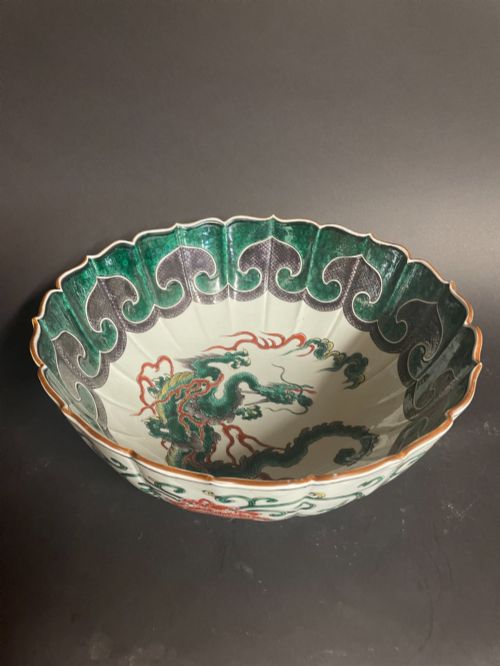
Kutani wares, by contrast, frequently utilise a bold green, purple, yellow, and red palette known as green-hand or Ao-Kutani, focusing heavily on pictorial scenes.
Can these porcelain dishes be used for food?
While historic plates and bowls were created for functional use, antique items require careful handling to preserve their fragile enamel and gilt decorations. Modern dishwashers and harsh detergents will damage the overglaze painting.
Most collectors prefer to display these pieces in cabinets or on walls using appropriate plate hangers rather than serving food on them.
How should I clean my antique Japanese dish?
Dust gently with a soft, dry cloth to remove surface particles. Avoid abrasive sponges, chemical cleaners, or soaking, as these actions degrade old glazes and gilding.
If washing is essential, use lukewarm water with a mild, neutral soap and dry immediately with a lint-free towel.