
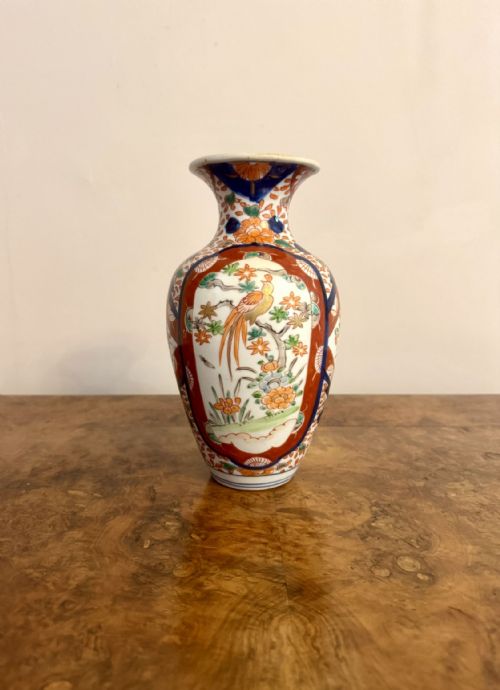


Japanese Imari Urn
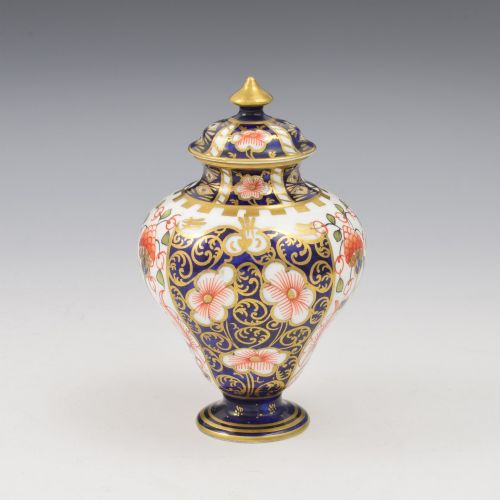
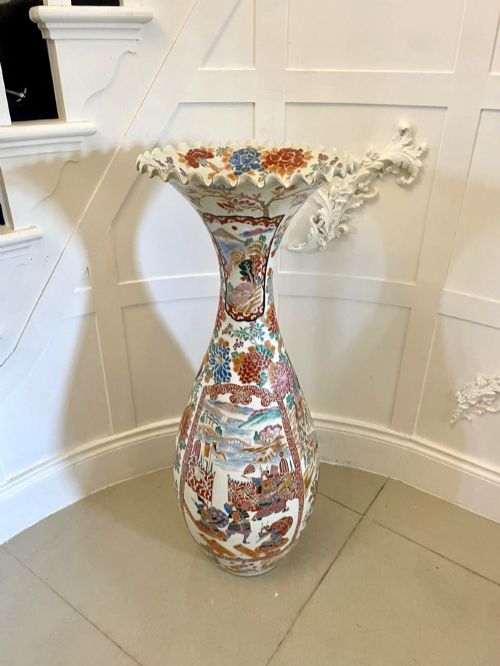
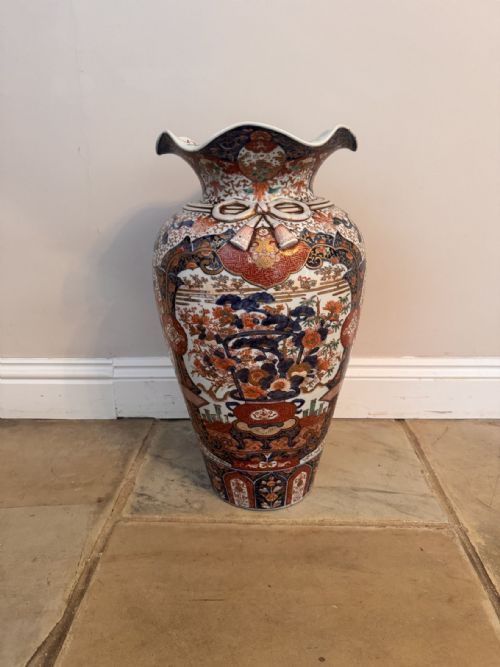
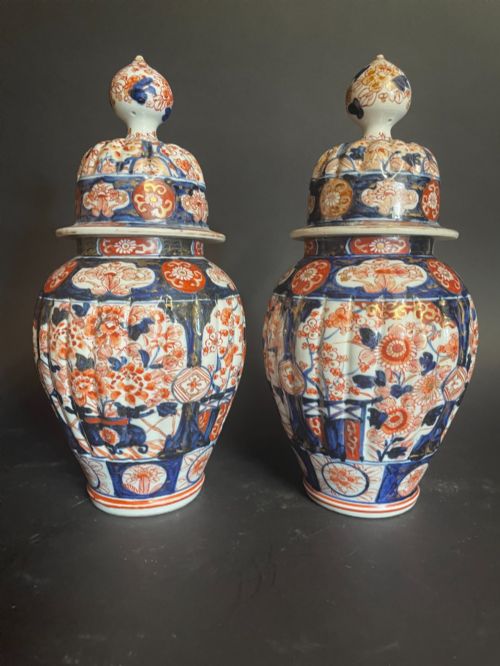
These Japanese imari urn objects bring together centuries of export porcelain traditions and decorative scale.
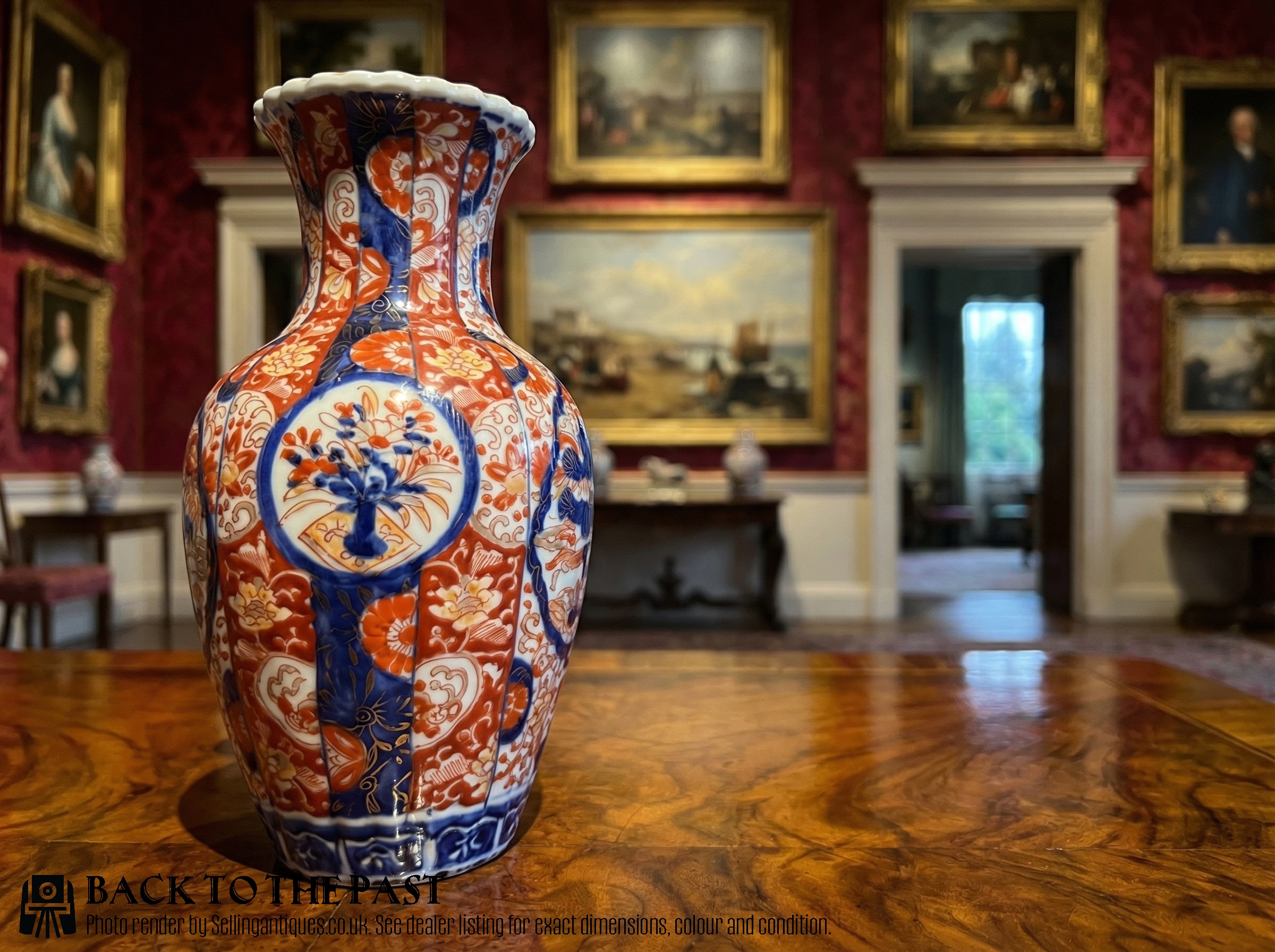
Japanese Imari Urn
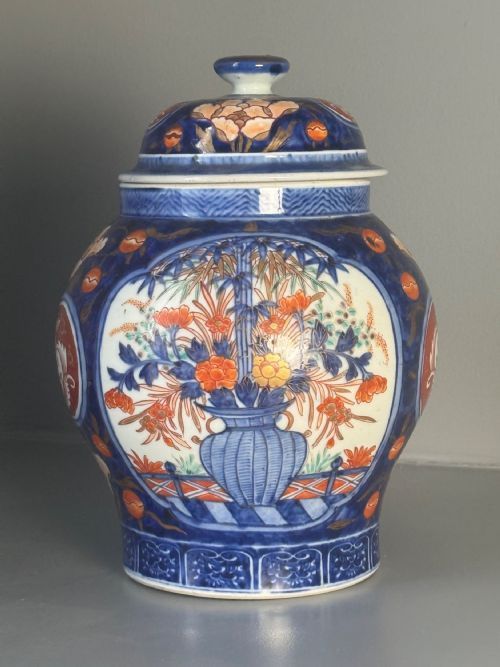
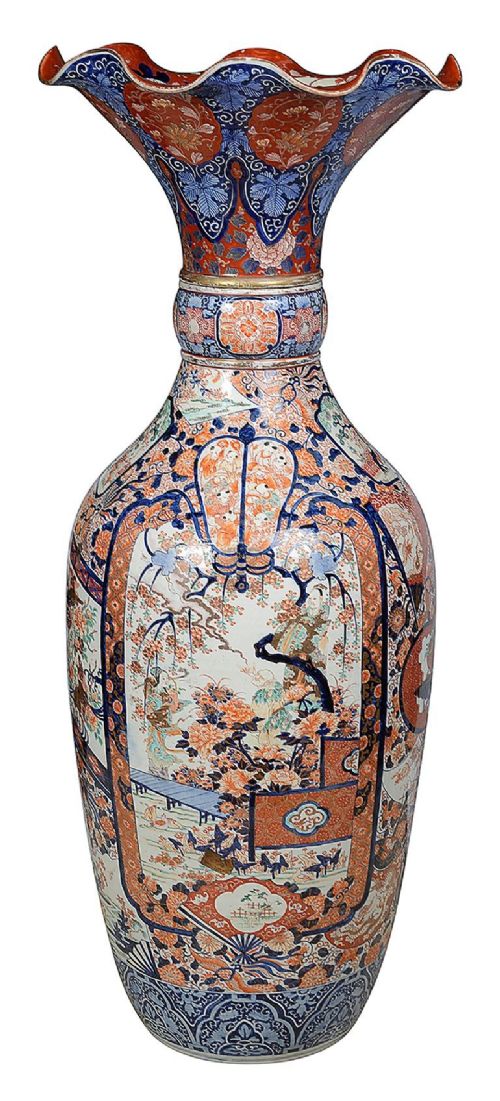
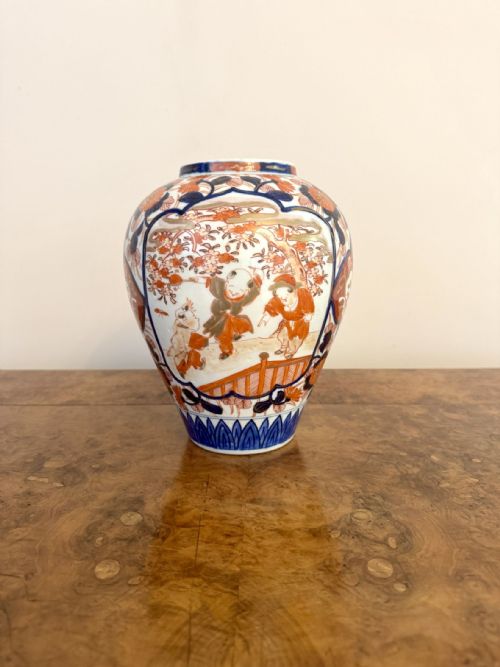
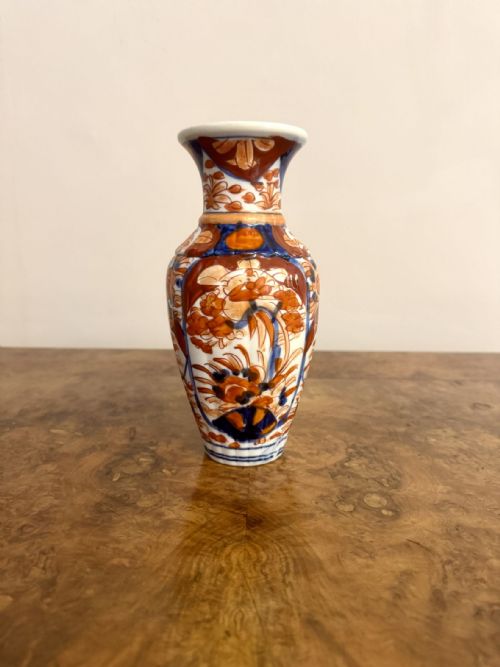
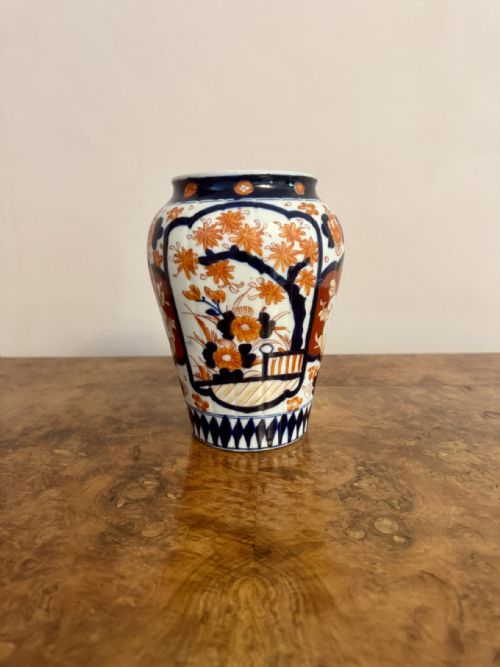
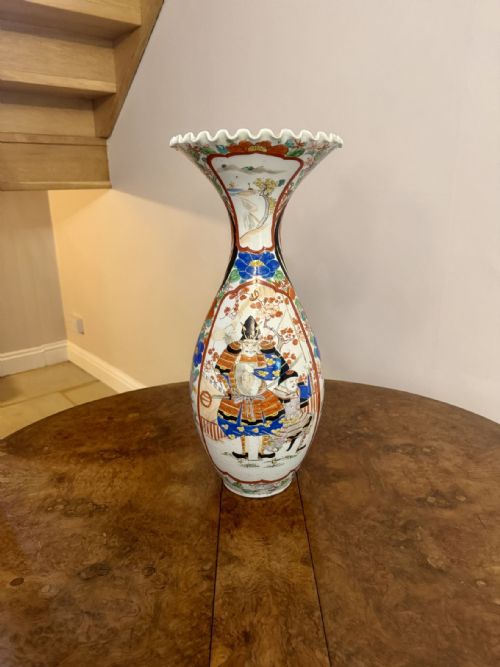
A japanese imari urn search reveals large floor-standing vessels, lidded jars, and ginger jars alongside standard vases. Most pieces encountered on this page date from the nineteenth century, specifically the Meiji period, though seventeenth-century examples also appear.
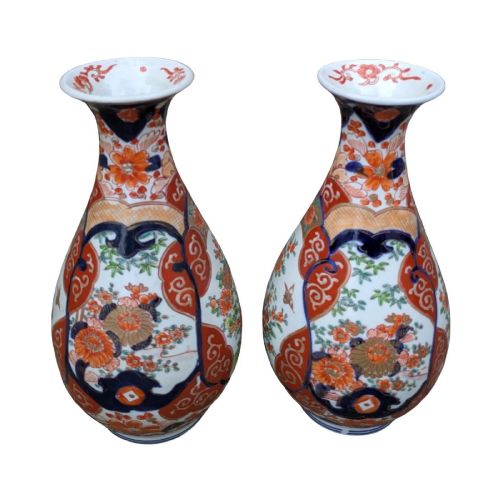
Makers and workshops across Japan and Europe produced these vessels in matched pairs, garnitures, or as single large floor pieces. Forms range from double-gourd shapes and baluster bodies to octagonal designs and covered koro incense burners.

How they were made
The foundation of every piece is hard-paste porcelain fired at high temperatures before receiving hand-painted decoration. Artisans applied cobalt blue underglaze pigments combined with iron-red enamel and gold leaf or gilding over the glaze.
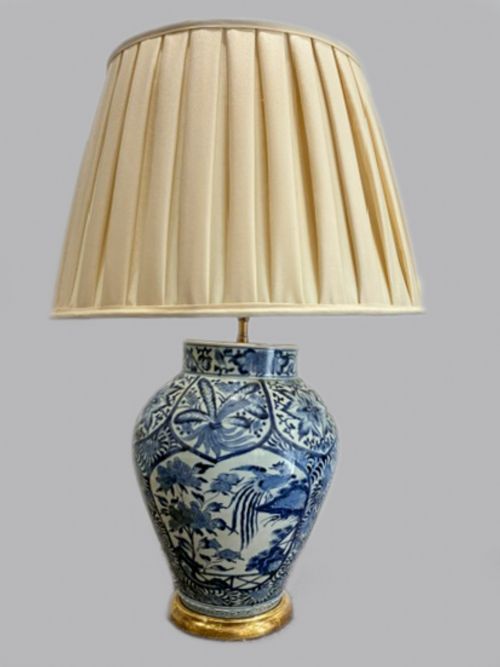
Brass fittings and mounts occasionally appear on converted lamps or lidded jars. Glaze application varies from smooth, glossy surfaces to thicker layers on earlier Edo and seventeenth-century items.
Listings span multiple centuries, ranging from seventeenth-century Edo period pieces to twentieth-century Edwardian interpretations.
What varies in quality
The distinction between ordinary and superior pieces rests upon the precision of the hand-painted palette and the crispness of the gilt detailing. Denser enamels and carefully controlled underglaze blue panels separate finer workshop output from standard commercial production.
Scale and proportion also dictate standing within the range, particularly among large floor vases and matching garniture sets. The preservation of original covers on ginger jars and lidded urns influences the integrity of the piece.
Arita
The Japanese Imari Urn Glossary
- Imari
- A style of Japanese export porcelain originating from the town of Arita, traditionally decorated in underglaze blue, iron-red, and gold. This palette defines the visual character of the vessels.
- Meiji Period
- The era of Japanese history lasting from 1868 to 1912, corresponding to many of the nineteenth-century pieces found in these listings. It marks a prolific period for export ceramics.
- Garniture
- A set of three or more matching vases or jars designed to be displayed together on a mantelpiece or sideboard. These sets frequently include lidded jars alongside open vases.
- Baluster
- A vase shape characterised by a rounded body that tapers toward the base and swells out near the bottom. This form provides stability for large floor-standing examples.
- Koro
- A traditional Japanese incense burner fitted with a cover, often rendered in porcelain with pierced elements. Examples in the imari palette combine utility with ornamental display.
Japanese Imari Urn: Frequently Asked Questions
What is a japanese imari urn?
These items are ceramic vessels produced primarily in Japan for export, recognisable by their distinct blue, red, and gilt colour palette.
They encompass floor-standing vases, lidded ginger jars, and garniture sets originating across the Edo and Meiji periods.
How were these vessels used?
Historical interiors utilised large floor vases and matching sets as prominent decorative focal points in principal rooms.
Smaller covered jars and koro burners held aromatics or served as ornamental tableware in grand residences.
How do I identify a Meiji period piece?
Meiji period items typically date between 1868 and 1912, often exhibiting vibrant enamel work and detailed gilding over porcelain bodies.
Listings from this era frequently include large pairs, baluster vases, and multi-piece garnitures.
How do I live with antique porcelain?
Placement requires stable surfaces away from high-traffic areas, particularly for tall floor-standing vessels and matched pairs.
Gentle dusting maintains the surface glaze and gilt highlights without risking abrasion to the hand-painted enamel.