



Antique Imari Vessel
An antique imari vessel brings rich colour and pattern into a room, spanning periods from the seventeenth century through to the twentieth.

Antique Imari Vessel
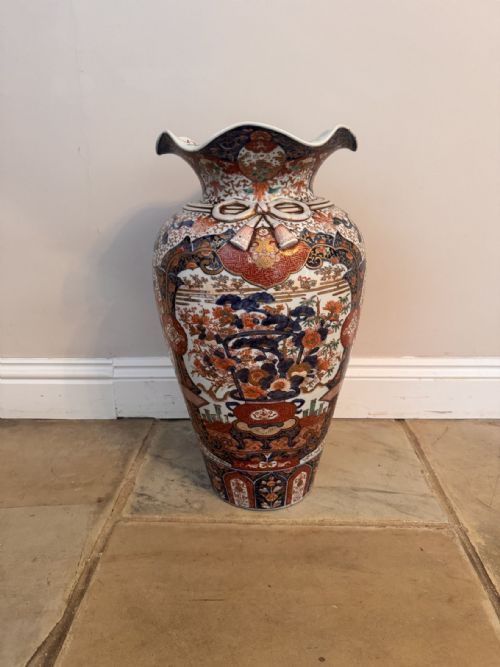
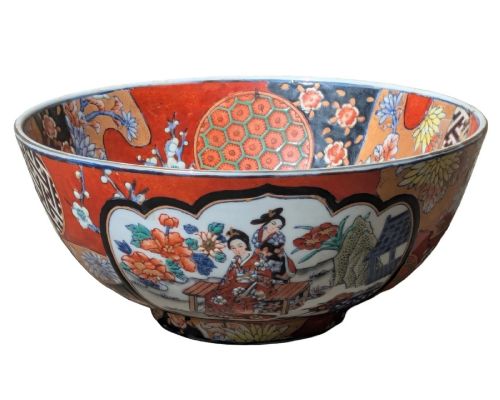
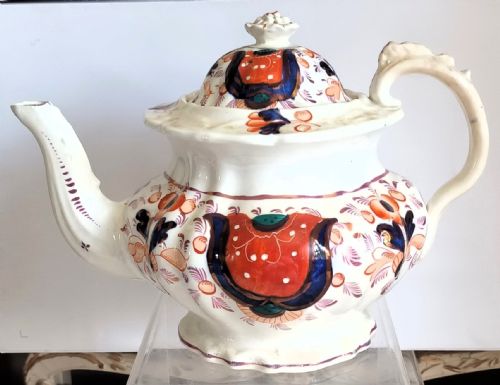
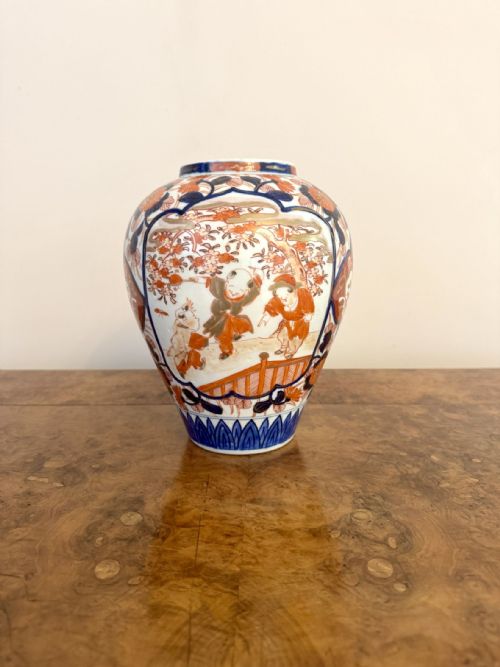
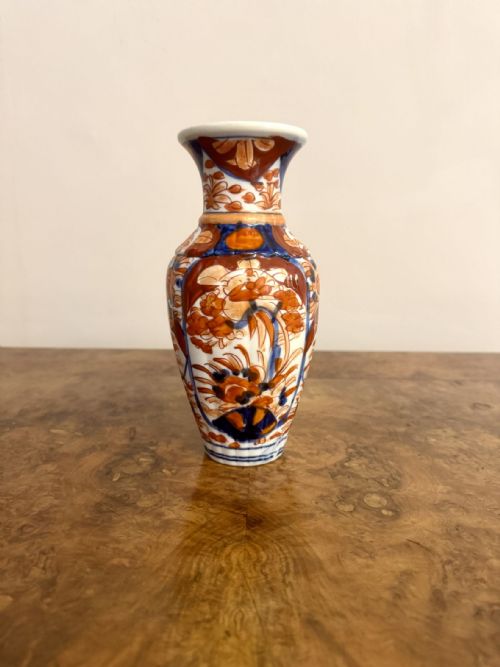
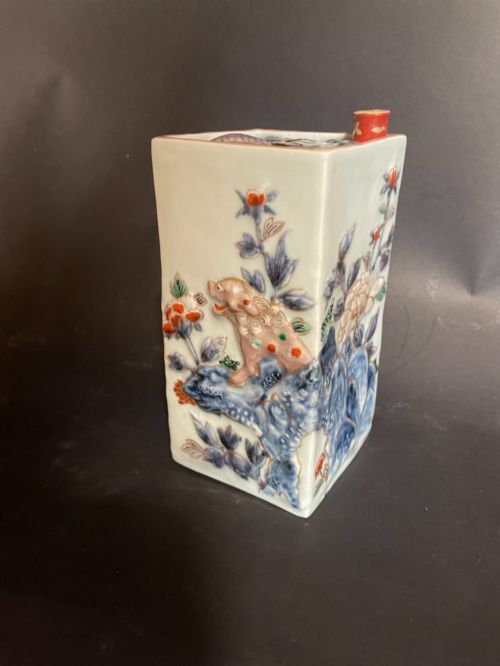
When you search for an antique imari vessel, you find a diverse group of ceramics that includes vases, decorative bowls, incense burners, and teapots. These pieces draw the eye with their distinctive palette and decorative motifs.
Japanese examples dominate the selection, originating primarily from the Edo and Meiji periods alongside later twentieth-century productions. British makers also adopted the style during the Georgian and Victorian eras, producing pieces like teapots and chocolate cups.
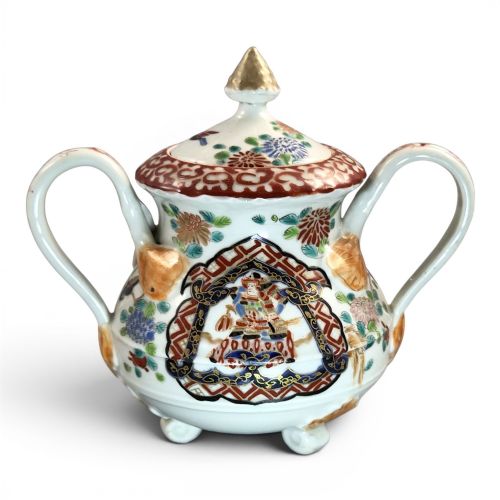
The forms range from large floor-standing vases and jardinieres down to small bud vases, sugar bowls, and sake flasks. Many items feature shaped edges, hexagonal profiles, or lidded covers.
How they were made
Makers utilised porcelain, bone china, and earthenware as the base materials for these ceramic objects. Potters shaped the clay on the wheel or pressed it into moulds, creating ribbed, moulded, or panelled bodies.
Decoration relied on underglaze blue combined with iron red enamel and gold leaf or gilt details. Artisans applied these pigments over a white glaze, often adding intricate scenes of figures, samurai, or natural motifs.
Samurai warriors painted in iron red and gold peer out from porcelain bowls, guarding your tea leaves across the centuries.
What varies in quality
The precision and detail of the hand-painted enamels separate standard examples from finer pieces. Crisp lines in the underglaze blue and carefully applied gold leaf indicate skilled workshop production.
The weight and finish of the porcelain body also differ across the range. Thicker utility wares contrast with finely potted, translucent porcelain vessels that demonstrate superior ceramic technique.
Fukagawa·Royal Crown Derby·Mason·Spode·Samson
The Antique Imari Vessel Glossary
- Imari
- A style of ceramic decoration originating in Japan, characterised by a palette of underglaze blue, iron red, and gilt. It takes its port of export name and influenced later European factories.
- Koro
- A traditional Japanese incense burner, typically fitted with a pierced cover. These vessels often sit on three or more small feet.
- Jardiniere
- A large ornamental pot or bowl designed to hold plants or flowers. Examples appear in both porcelain and earthenware.
- Tokuri
- A traditional Japanese flask used for serving sake. These vessels usually feature a narrow neck and a rounded body.
- Meiji Period
- A period in Japanese history spanning from 1868 to 1912. Items from this era show high levels of decorative export craft.
Antique Imari Vessel: Frequently Asked Questions
What is an imari vessel?
An antique imari vessel is a ceramic piece decorated in the traditional palette of iron red, underglaze blue, and gold. The selection includes vases, bowls, and incense burners.
Most pieces originate from Japanese kilns, though British potteries also produced imari wares. Collectors value them for their vibrant patterns and varied forms.
How do I date an antique imari vessel?
Dating depends on the ceramic body, painting style, and any workshop marks present on the base. Japanese pieces often align with specific imperial periods like the Meiji era.
British interpretations usually reflect Georgian or Victorian manufacturing styles. Examining the glaze and wear patterns also helps determine the age of a piece.
Were these vessels used for display or function?
Many imari vessels served practical roles in daily life or ritual. Teapots, sake flasks, and incense burners were made for active use.
Large vases and decorative bowls were primarily intended for interior display. Even functional pieces often received high-status decorative treatment.
How do I care for an antique imari vessel?
Keep porcelain and earthenware vessels away from direct sunlight to protect the enamel colours and gilt. Dust them gently with a soft, dry cloth.
Avoid using water or cleaning solutions on antique surfaces, particularly where gold leaf is exposed. Secure heavier pieces on stable surfaces to prevent accidental knocks.