







Japanese Imari Porcelain Plates
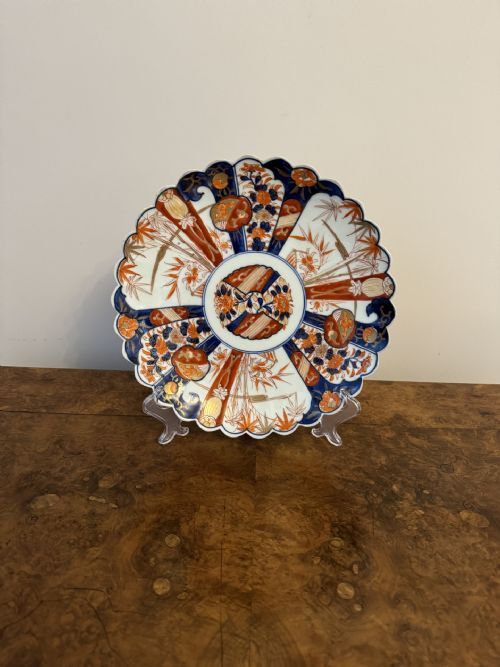
These japanese imari porcelain plates bring rich cobalt blue, vibrant enamel, and gold leaf from the Meiji period directly to your table.

Japanese Imari Porcelain Plates
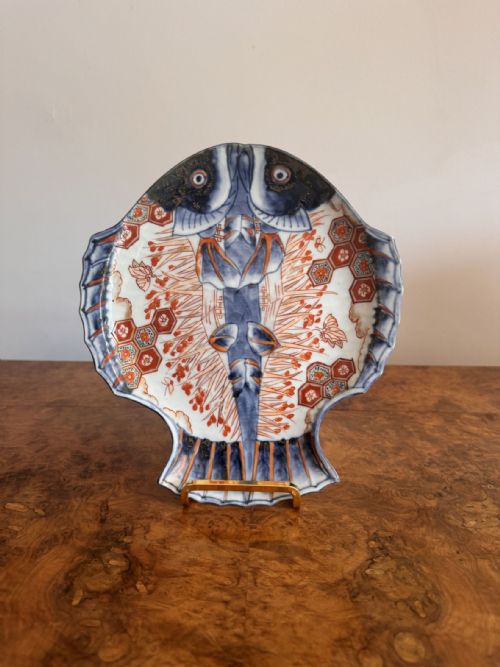
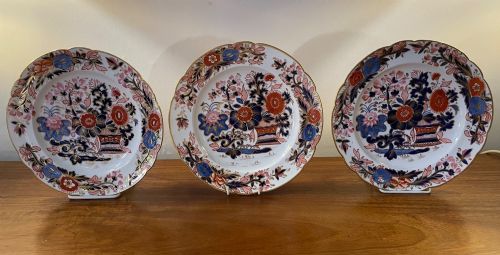
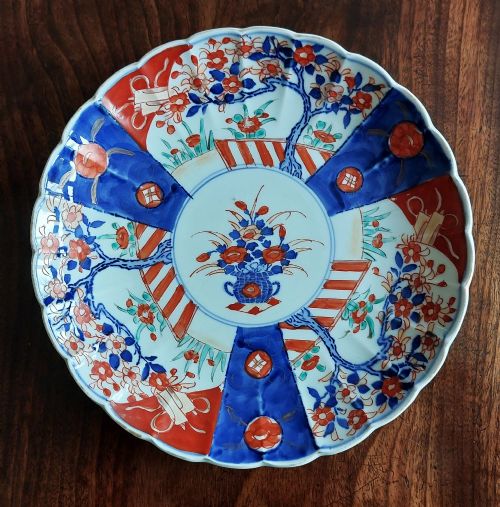
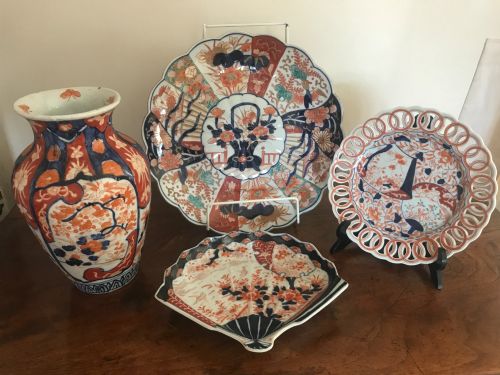
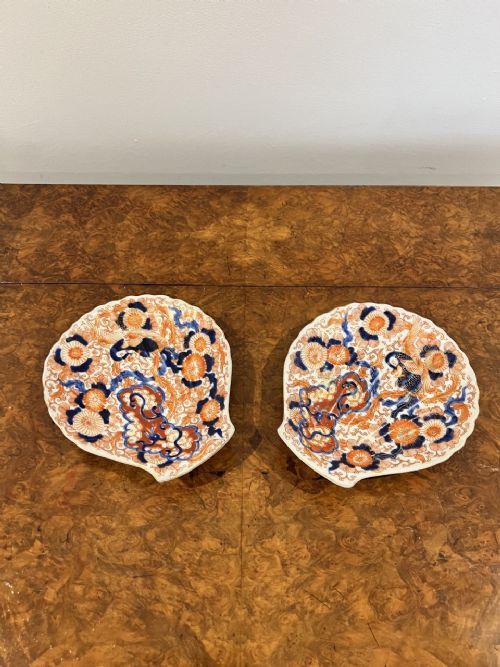
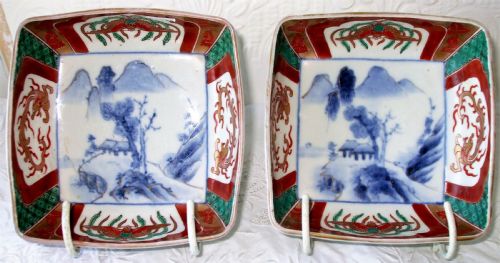
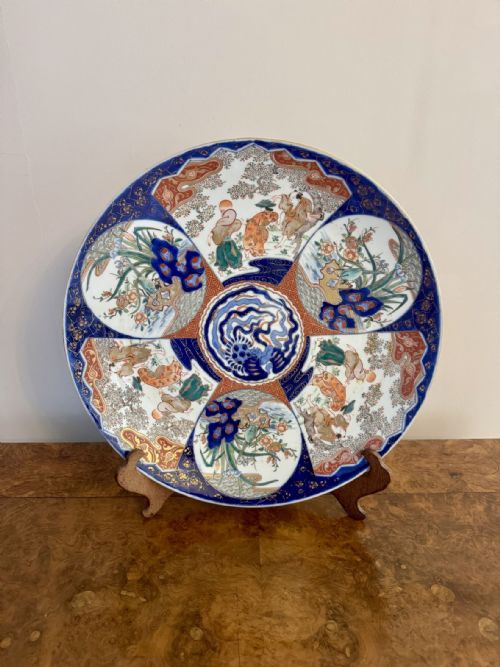
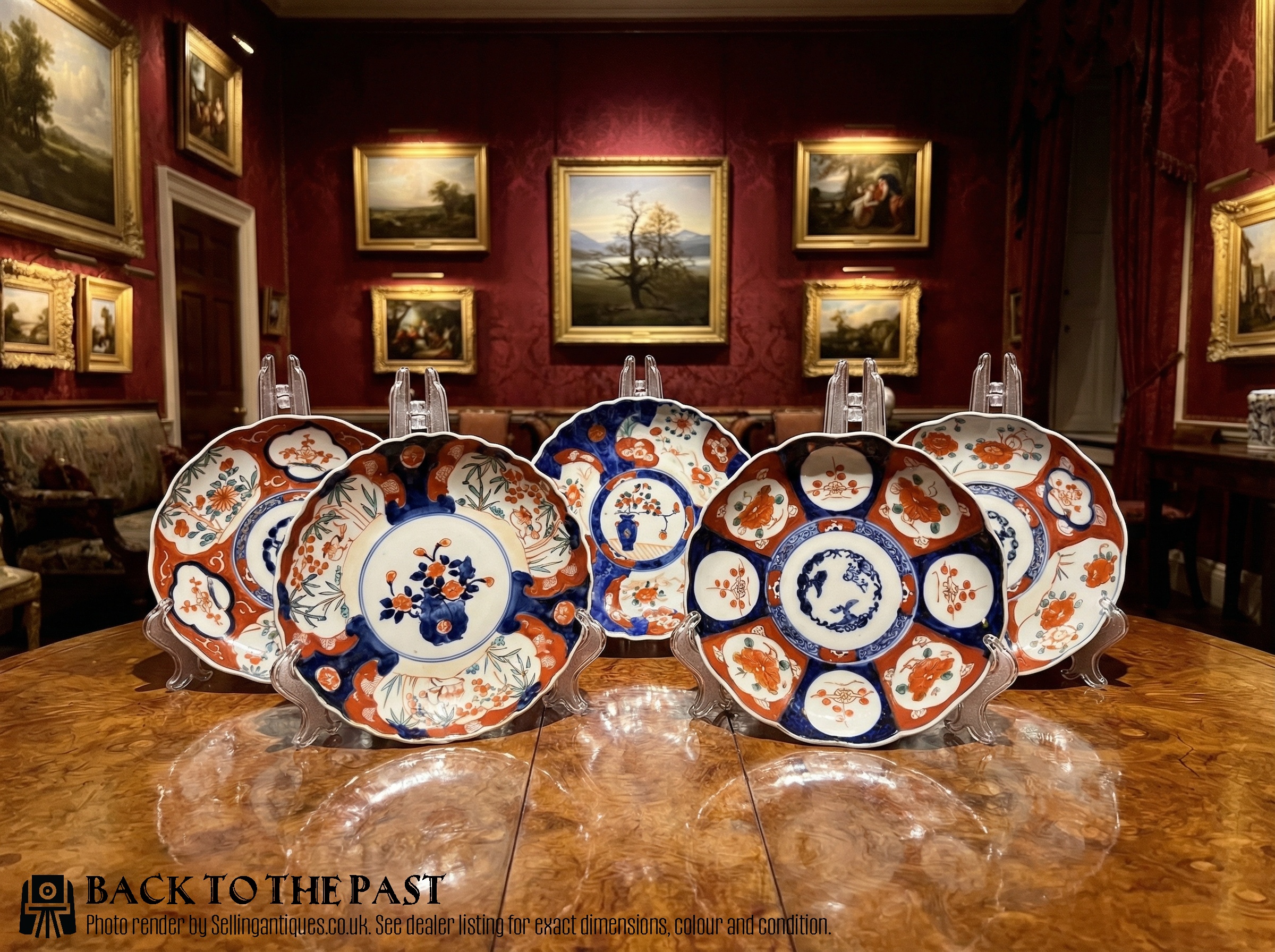
Japanese imari porcelain plates encompass decorative chargers, dishes, and wall plates originating primarily from the nineteenth century and the Meiji period. A buyer encounters pieces featuring scalloped edges, floral motifs, and exotic birds alongside unusual forms like fish, shells, squares, and hexagons. Most examples derive from the traditional production centres of Arita, demonstrating the distinct aesthetic of Japanese craftsmanship during this era.
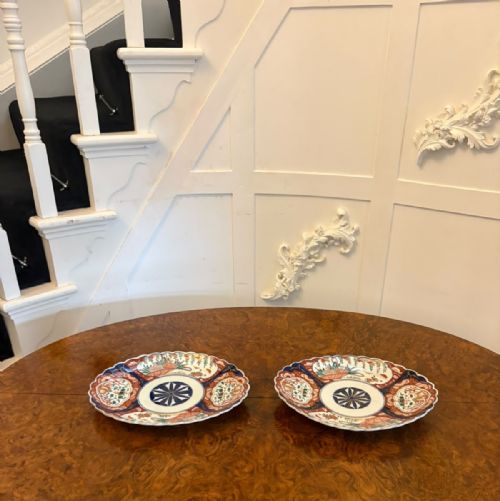
The selection ranges from single round display dishes to matched pairs and larger sets intended for prominent display. Alongside traditional circular formats, collectors find oval dishes and broad chargers that showcase intricate hand-painted designs in the classic palette.
Materials and construction
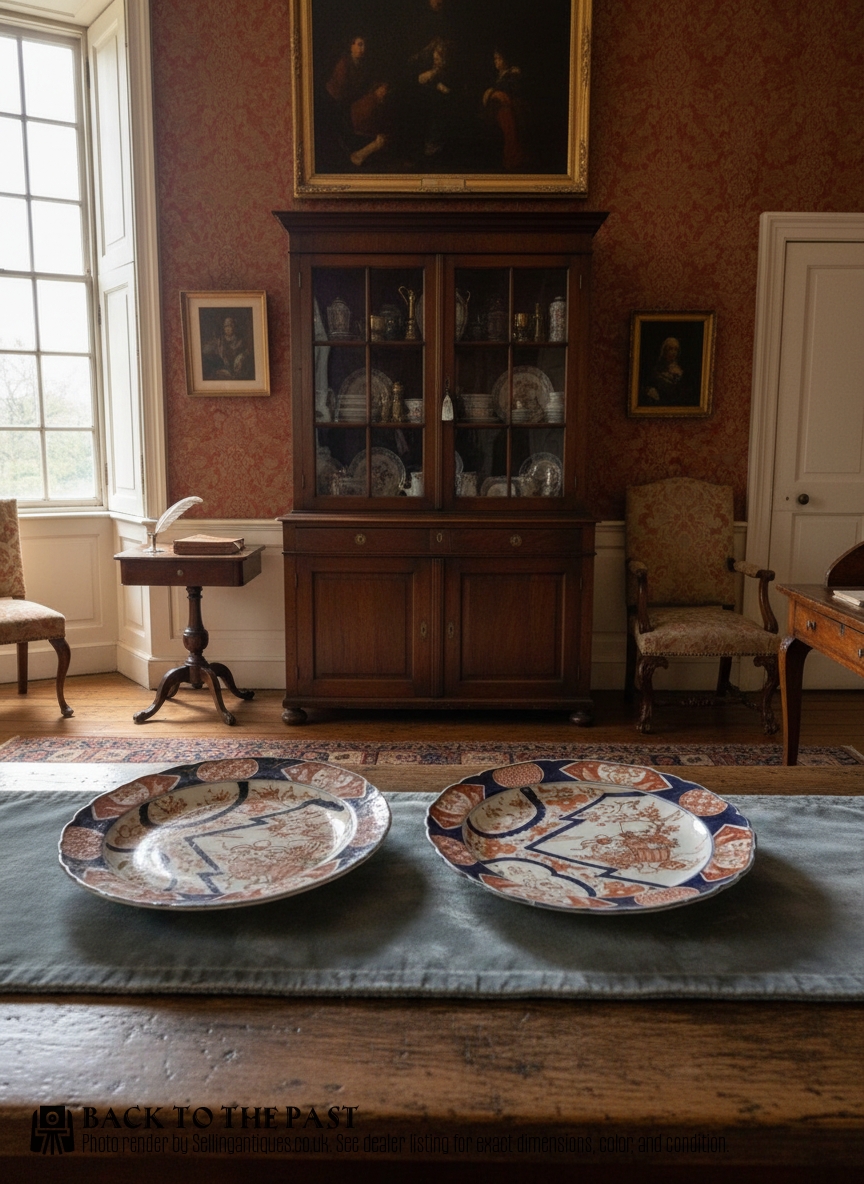
Makers shaped hard porcelain bodies before applying cobalt underglaze pigments to create the foundational blue details beneath a clear glass-like finish. Artisans then added overglaze enamels in iron red and other colours, incorporating gold leaf or gilding to highlight specific areas of the painted surface.
The firing process bonded the underglaze cobalt during initial high-temperature kilning, while subsequent lower-temperature firings fixed the overglaze enamels and gold details. Potters also formed specialised shapes by hand or mould, producing fish, shell, square, and hexagonal profiles alongside standard circular plates.
Japanese Imari Porcelain Plates Retail Price Guide 2026
Typical asking prices for japanese imari porcelain plates among the pieces listed under this phrase on Sellingantiques today, from the lower quarter to the upper quarter. They describe what is for sale here now, not the wider market.
Listings for japanese imari porcelain plates span the eighteenth, nineteenth, and early twentieth centuries, utilising porcelain, cobalt underglaze, enamel, and gold leaf.
Evaluating quality and execution
Superior japanese imari porcelain plates display crisp brushwork in the cobalt underglaze and precise application of enamel and gold leaf. The intricacy of the hand-painted floral and bird designs dictates the visual depth, with finer pieces maintaining clean lines and balanced composition across complex forms like fish or shell shapes.
The density and weight of the porcelain body, combined with the preservation of the gilding and surface enamels, separate standard utility wares from exhibition-grade chargers. Unusual structural geometries, such as sharp hexagonal angles or deep scalloped rims, require greater technical skill from the potter.
The Japanese Imari Porcelain Plates Glossary
- Imari
- A style of Japanese porcelain originating from Arita and exported through the port of Imari, traditionally characterised by a palette of cobalt blue, iron red, and gold.
- Charger
- A large decorative plate or dish utilised historically for formal presentation or wall hanging rather than daily dining.
- Meiji Period
- The era in Japanese history spanning from 1868 to 1912, noted for a significant increase in porcelain export wares.
- Underglaze
- A decoration applied to the raw ceramic body before glazing and firing, which protects the pigment beneath a transparent layer.
- Arita
- The Japanese town in Saga Prefecture recognised as the historical birthplace of Japanese porcelain production.
Japanese Imari Porcelain Plates: Frequently Asked Questions
How do I date these plates?
Dating relies on stylistic markers, historical context, and production characteristics associated with the Edo and Meiji periods.
Most surviving export examples originate from the late nineteenth century, reflecting the flourishing trade of that era.
Can I use these for dining?
These decorative plates are generally intended for display, wall mounting, or careful collection rather than heavy daily use.
The overglaze enamels and gold leaf can wear down with frequent washing and cutlery contact.
What is an Arita mark?
An Arita mark refers to the geographic origin of the porcelain within Hizen province rather than an individual maker's signature.
Many export pieces from this region prioritize traditional decorative patterns over specific kiln signatures.
Why are some shapes unusual?
Potters shaped certain plates into fish, shells, squares, and hexagons to satisfy Victorian and European export demands for novelty.
These varied forms showcase the technical versatility of late nineteenth-century Japanese ceramic workshops.