


Japanese Enamel Urn
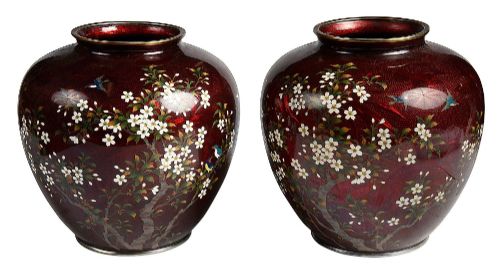
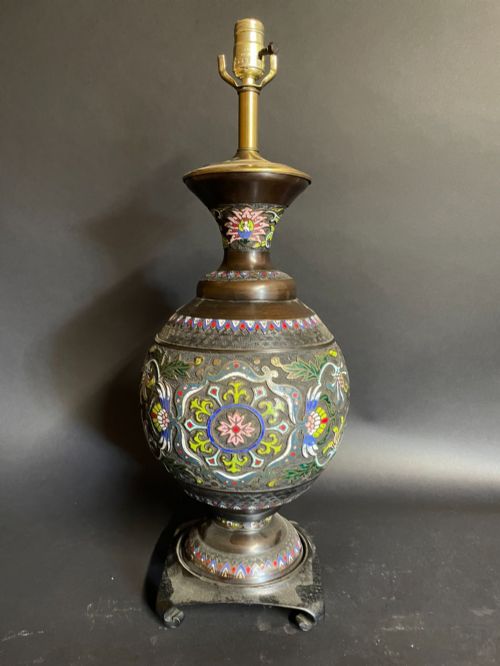
These pieces called japanese enamel urn span the Meiji and Showa periods, bringing intricate bronze, copper, and cloisonné work into your home.
Japanese Enamel Urn
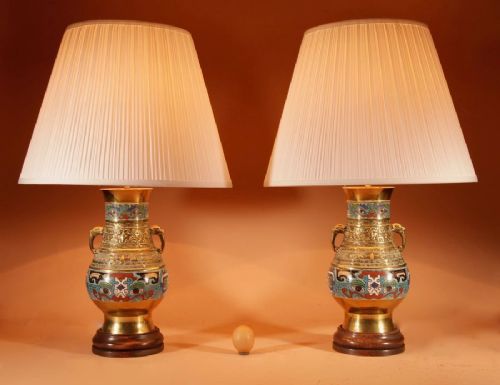
When you search for japanese enamel urn, you encounter vessels that merge metalwork and ceramic traditions from the Meiji and Showa periods. The selection here leans towards vases, ginger jars, temple water dispensers, and table lamps cast in bronze, brass, or earthenware.
Many examples originate from Kyoto, Kobe, and other prominent Japanese pottery and metalworking centres active during the late nineteenth and early twentieth centuries. These vessels served both decorative and ritual functions in domestic and exhibition settings.
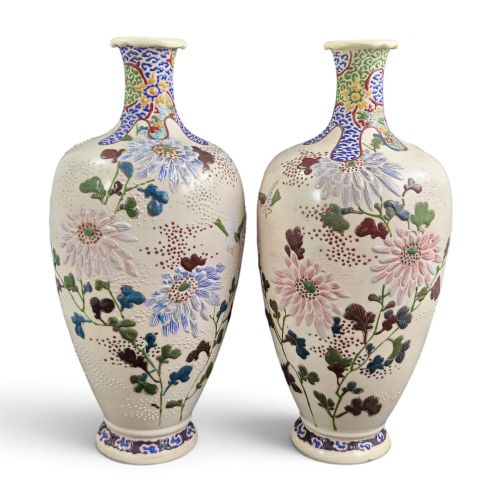
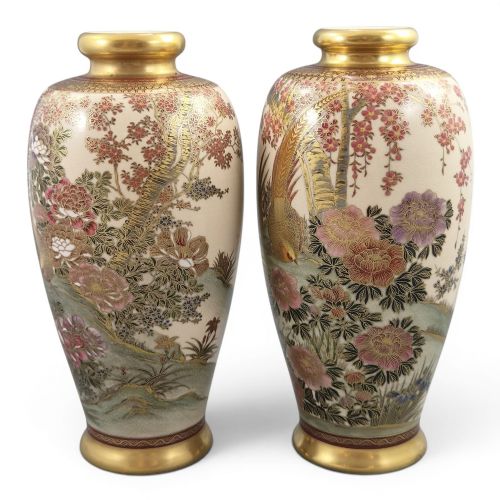
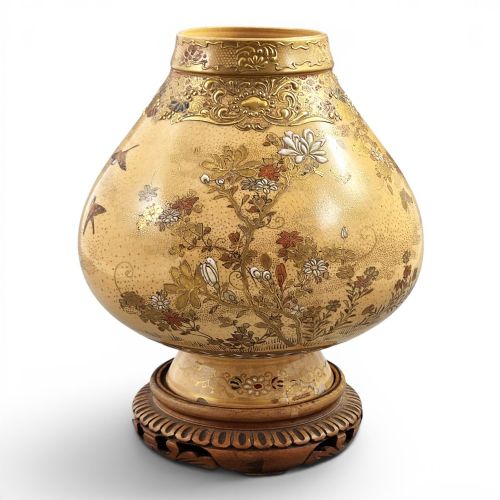
The aesthetic vocabulary encompasses delicate floral motifs, mythical birds like the phoenix, and complex landscape or religious panels. Collectors frequently meet cloisonné, champlevé, and Satsuma earthenware varieties among the items available.
Materials and Technique
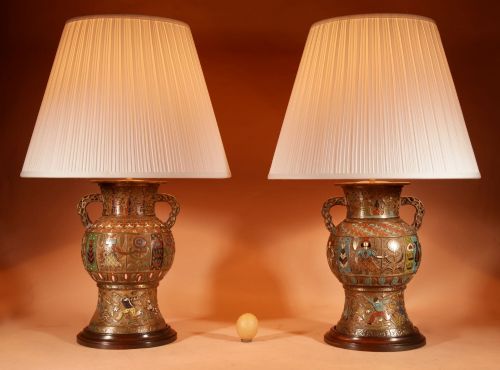
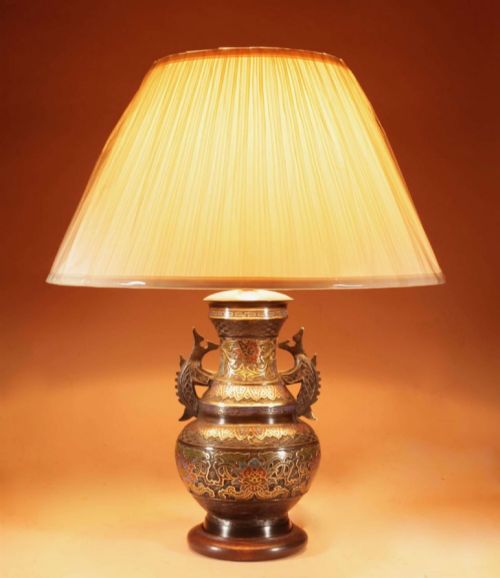
The construction of a japanese enamel urn relies heavily on metal bases formed from bronze, copper, or brass, paired with vitreous enamel pastes fired in kilns. Artisans utilised cloisonné and champlevé techniques, soldering thin wire partitions to map out intricate designs before filling the cells with coloured enamel.
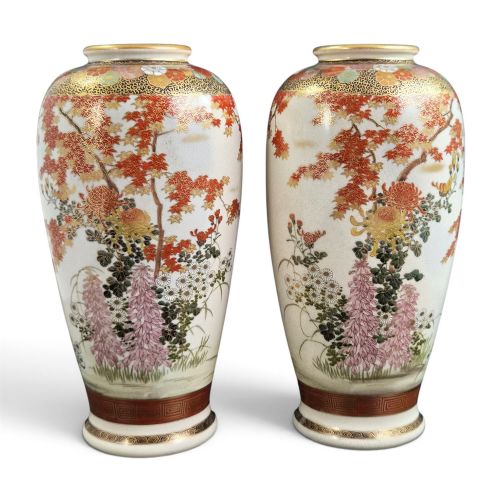
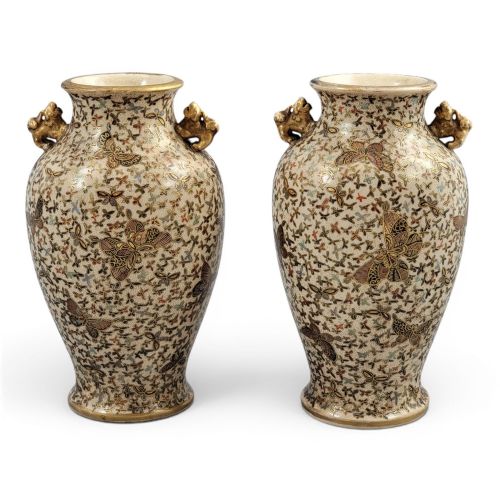
Earthenware versions, notably Satsuma wares, combine fine clay bodies with hand-painted polychrome glazes and heavy gold leaf or moriage relief work. Metal vessels often integrate intricate patination and applied decorative mounts alongside the enamel panels.
Materials represented across the inventory include brass, gold leaf, and fabric alongside traditional enamel and ceramic bodies.
Assessing Quality
The distinction between ordinary and exceptional pieces rests on the precision of the wirework, the depth of the enamel firing, and the clarity of the hand-painted details. Superior examples display flawless enamel cells without pitting or discoloration, alongside crisply cast bronze or finely potted earthenware.
Signed pieces attributed to recognised workshops or master artisans carry greater weight due to their documented provenance and superior execution. The complexity of the design, such as dense thousand-butterfly patterns or multi-layered relief, further elevates the stature of the vessel.
Maruni Kobe·Manpei·Kinkōzan Workshop·Makuzu Kozan II·Nanzan·Hakusan·Hododa·Seiko-en Chokei
The Japanese Enamel Urn Glossary
- Cloisonné
- A metalwork technique where thin wire partitions are soldered to a metal base to create cells filled with enamel paste and fired. This method allows for intricate and colourful pictorial designs across the surface of the vessel.
- Champlevé
- An enamelling process where troughs or cavities are carved directly into the thick metal surface of the object and filled with enamel before firing. It produces bold, linear patterns embedded within the bronze or brass body.
- Satsuma
- A type of Japanese earthenware featuring an ivory-coloured, crackled glaze traditionally decorated with elaborate polychrome enamels and gilding. These ceramics originated in Satsuma Province and gained immense popularity during the Meiji period.
- Moriage
- A decorative ceramic technique involving the application of slip in raised dots or lines to create textured, three-dimensional patterns before glazing and firing. This method adds a tactile, sculptural quality to vases and jars.
Japanese Enamel Urn: Frequently Asked Questions
What is cloisonné enamel?
Cloisonné enamel involves soldering delicate metal wires onto a bronze or copper base to form compartmentalised cells. These areas are subsequently filled with powdered glass paste and fired at high temperatures to create vibrant, permanent designs.
After cooling, the surface is ground down and polished until the metal wires and hardened enamel rest in a smooth, unified plane. This demanding technique allows makers to achieve remarkable detail and colour variation on vessels.
How do I identify a Meiji period piece?
Meiji period pieces date between 1868 and 1912, a time when Japanese metalworkers and ceramicists turned their focus toward international export exhibitions. They often bear distinct artisan signatures, complex motifs, and a heavier emphasis on refined technical execution.
Examining the base and the interior of the vessel frequently reveals signature plaques or painted marks tied to specific Kyoto or Tokyo workshops. The combination of archaic bronze styling with meticulous enamel work strongly points to this productive era.
How should I display these vessels?
These pieces demand stable placement away from direct sunlight and sudden temperature shifts to protect both the delicate enamel surfaces and the underlying metal or earthenware. Position them on sturdy surfaces where their detailed decoration and intricate wirework can be appreciated at close range.
Because many examples were originally designed as temple furnishings, incense burners, or decorative vases, they anchor a room well when displayed as standalone focal points. Avoid overcrowding them with other objects so the individual forms remain clear.
What is Satsuma ware?
Satsuma ware is a distinct style of Japanese earthenware characterised by a warm, ivory-coloured body covered in a fine network of crackled glaze. Artisans hand-paint these surfaces with elaborate figural or floral scenes, frequently enhanced by raised gold enamel known as moriage.
While production began in the Satsuma Province, pieces from the Meiji period were largely manufactured in urban centres like Kyoto and Kobe for export. Their ornate palettes and narrative panels make them immediately recognisable among antique ceramics.