
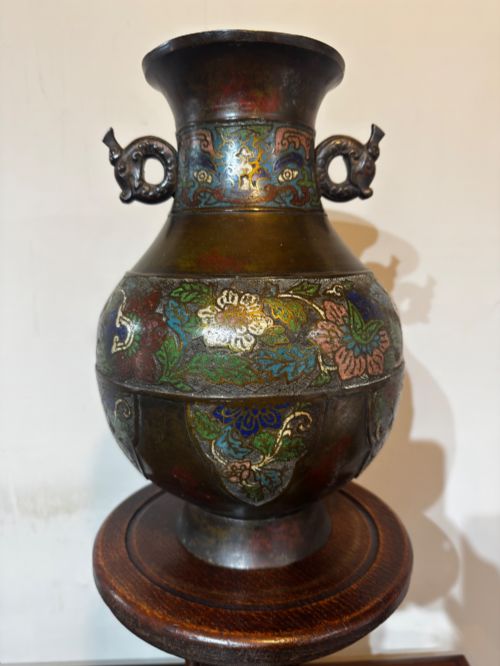


Antique Asian Enamel Vessel
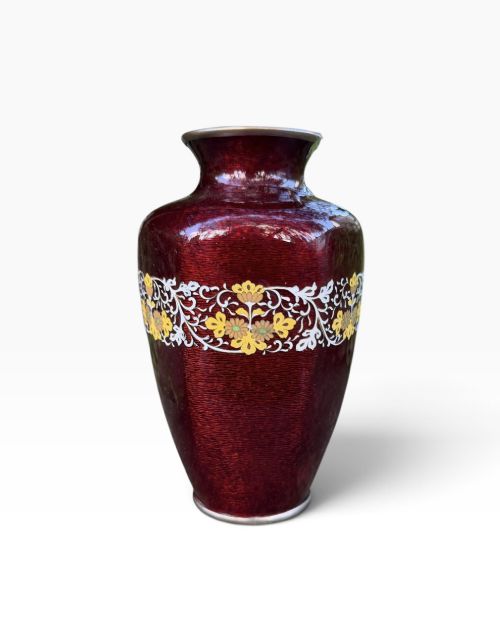
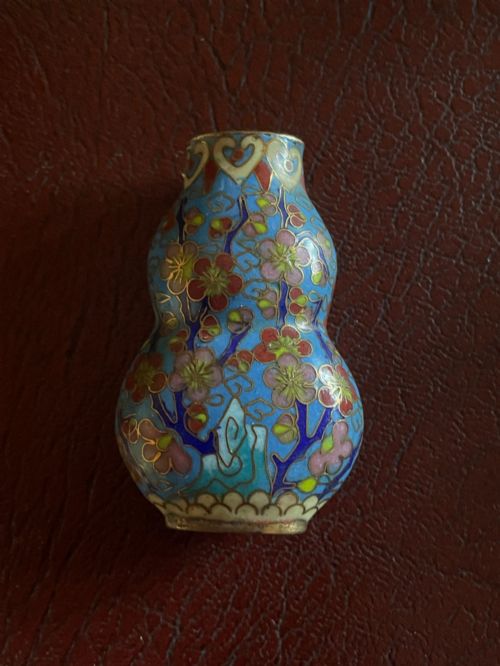
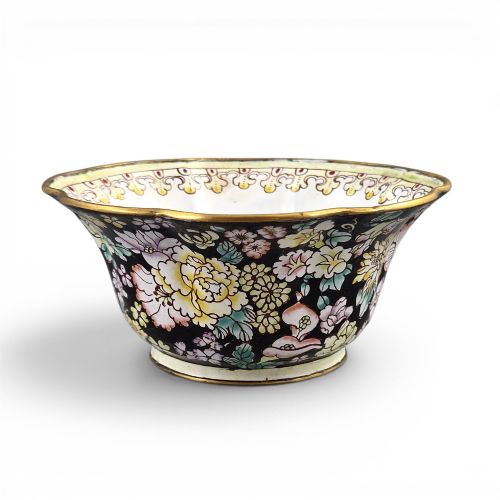
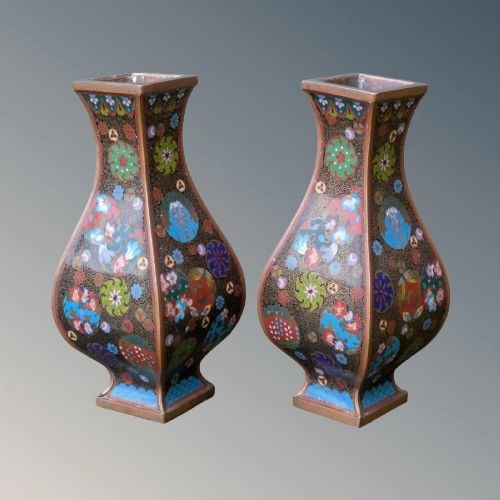
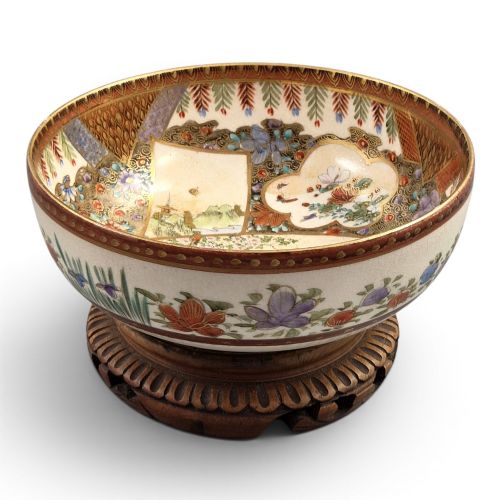
These pieces are antique asian enamel vessels, objects of intricate metalwork and fired colour that bring enduring craftsmanship into a modern room.
Antique Asian Enamel Vessel
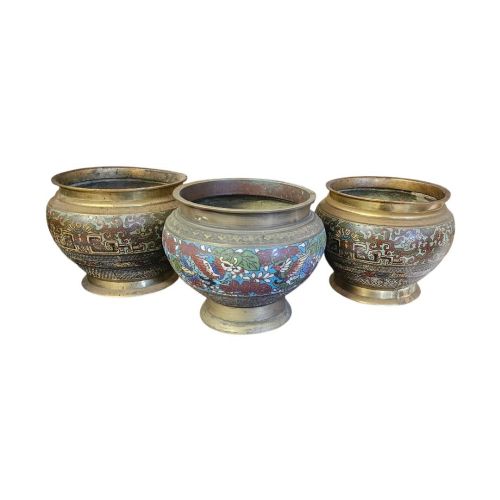
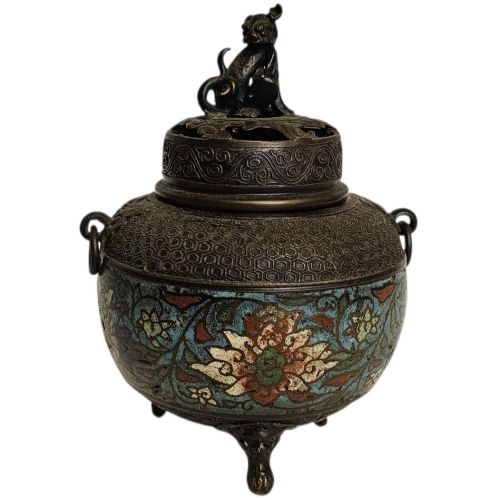
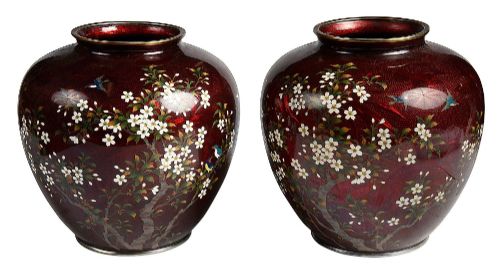
When searching for an antique asian enamel vessel, buyers encounter an array of decorative objects including vases, censers, jardinieres, and lidded bowls. These pieces originate primarily from Chinese and Japanese workshops spanning the nineteenth and early twentieth centuries, reflecting distinct imperial and export traditions.
The most common examples on this page are cloisonne vases and bronze vessels from the Meiji period and Qing dynasty. Form meets function in items designed originally for incense burning, flower display, or scholarly contemplation.
Surviving examples range from miniature cabinet pieces to large floor vases and heavy bronze bowls inlaid with wire. Each category displays the specific decorative vocabulary of its maker and period.
Materials and technique
Craftsmen built these vessels upon a heavy foundation of copper, bronze, or brass, shaping the metal body through casting or hammering. Surface decoration relied heavily on cloisonne and champleve techniques, where thin metal wires or carved troughs created compartments for glass pastes.
Glazes and enamel powders were packed into these cells and fired multiple times in kilns to achieve a vitreous finish before grinding and polishing. Artisans frequently incorporated gilt metal highlights, gold leaf, and painted enamel-on-copper details to enrich the final surface.
Listings feature items spanning the nineteenth century through the 1930s, using copper, bronze, brass, earthenware, and porcelain.
Distinctions in standard
The division between standard production and exceptional work rests on the precision of the wirework and the density of the enamel. Finer vessels display microscopic wire regularity and flawless polishing without pitting or surface clouding.
Artistic ambition also separates the tiers, with superior pieces showing complex pictorial motifs like koi, birds, or mythological creatures rendered in subtle colour gradients rather than rigid geometric repetition.
The Antique Asian Enamel Vessel Glossary
- Cloisonne
- A metalworking technique where flat wires are soldered to a base to form compartments filled with enamel paste. These wire boundaries remain visible on the finished surface as delicate metallic outlines.
- Champleve
- A method where troughs or cells are carved directly into a thick metal base to hold enamel powder. This technique leaves heavier metal walls between the coloured areas than cloisonne.
- Censer
- A vessel designed for burning incense during rituals or domestic display. They often feature pierced covers and tripod supports.
- Jardiniere
- A large decorative pot or bowl intended to hold live plants or floral arrangements. They frequently use heavy bronze or ceramic bodies.
- Koro
- A Japanese or Chinese incense burner often fitted with a lid and handles. These pieces served both ritual and decorative purposes in traditional interiors.
Antique Asian Enamel Vessel: Frequently Asked Questions
How do I clean an antique enamel vessel?
Dust the surface gently with a soft, dry brush to prevent accumulation in the wire recesses. Avoid liquid cleaners and chemical polishes that can damage the delicate fired glass.
Moisture can seep into microscopic fissures in old metal or enamel. Keep pieces in stable humidity away from direct sunlight.
Were these vessels meant for daily use?
Many items served practical roles as incense burners, flower holders, or tea caddies in Eastern interiors. Others were created purely as decorative display objects for scholar desks and reception rooms.
Heavier bronze examples withstood ritual handling, while delicate painted copper bowls required careful preservation.
How can I tell Japanese from Chinese work?
Japanese pieces from the Meiji period often feature naturalistic motifs such as birds and fish rendered with precise botanical accuracy. Chinese works from the Qing dynasty frequently employ formal archaic dragons, key fret borders, and heavier bronze foundations.
Examining the underlying metal finish and wire gauge helps clarify the regional workshop origin.
What is the difference between cloisonne and painted enamel?
Cloisonne relies on raised wire walls to separate distinct pools of coloured glass paste. Painted enamel applies pigments directly onto a flat copper surface with a brush.
Both techniques require kiln firing, but painted pieces achieve smoother pictorial gradients similar to porcelain painting.