

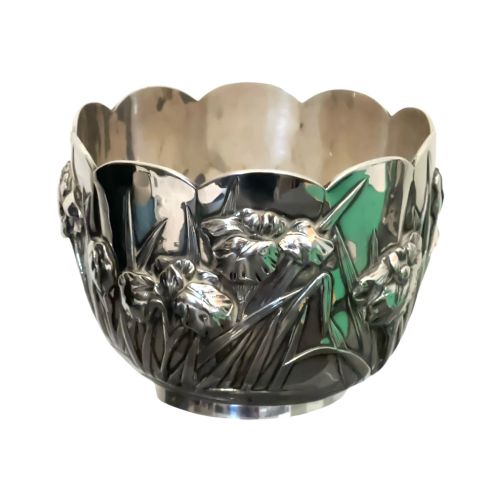
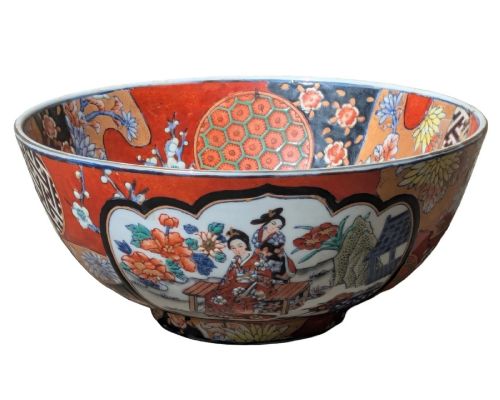


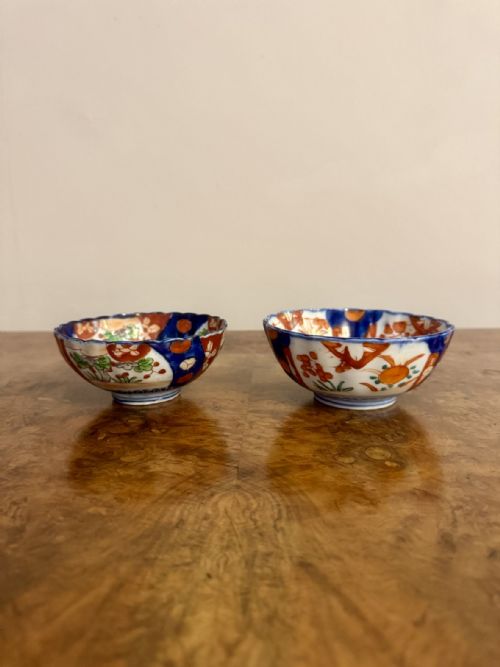
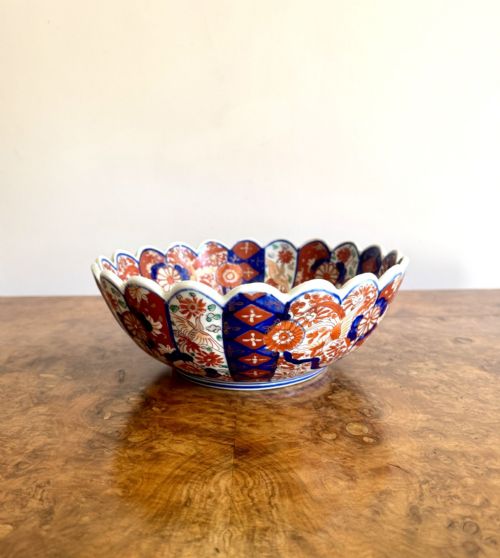



Japanese Decorative Bowl
A japanese decorative bowl brings centuries of intricate craftsmanship and rich palette to a room.
Japanese Decorative Bowl
When you search for a japanese decorative bowl, you encounter a diverse array of ceramics and metalwork originating from various historical eras. The selection spans earthenware, porcelain, and cloisonne enamel vessels created for display and utility.
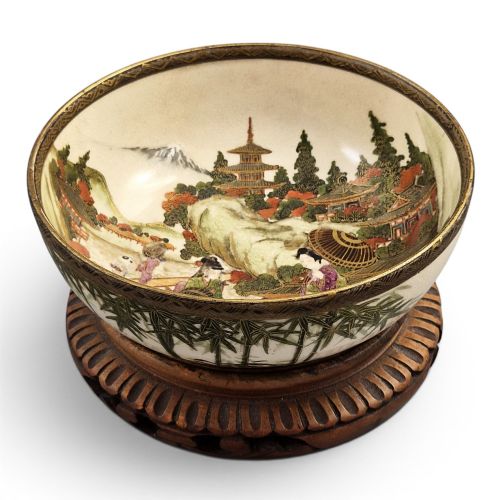
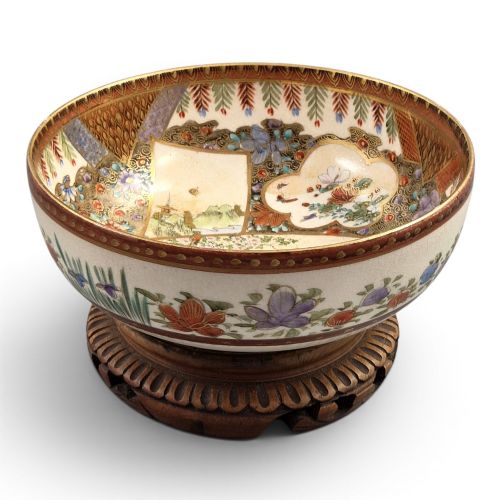
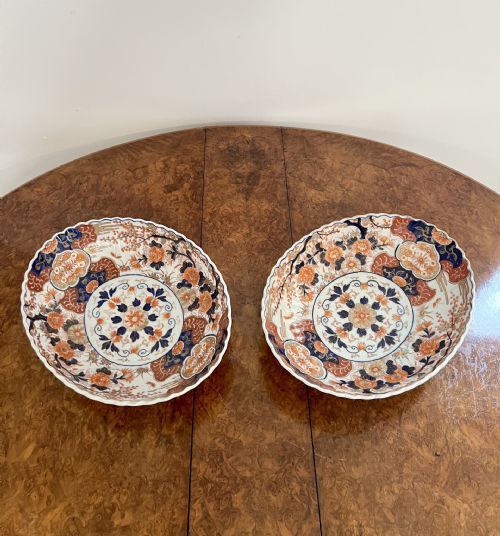
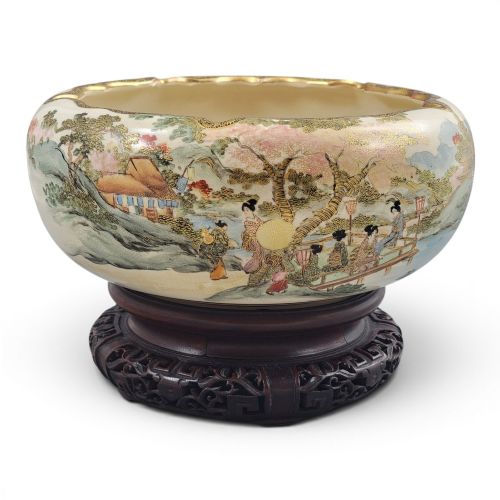
You are most likely to meet Imari porcelain bowls and Satsuma earthenware vessels dating from the Meiji period and around 1900. These pieces frequently feature scalloped edges, hexagonal forms, or broad charger shapes designed to draw the eye.
The objects include works associated with traditional production centres such as Arita and Kyoto. Surviving examples range from small domestic dishes to large centrepieces created during the Edo and Meiji periods.
How they were made
Potters shaped porcelain and earthenware on the wheel or pressed clay into moulds to form bowls, plates, and chargers. Artisans then applied underglaze blue, enamel colours, and gold leaf to decorate the surfaces before firing.
Cloisonne pieces involved soldering fine metal wires onto copper or brass bases to create compartments for enamel paste. Craftsmen fired these vessels multiple times to fuse the glass paste and polished the metal surfaces until smooth.
Japanese Decorative Bowl Retail Price Guide 2026
Typical asking prices for japanese decorative bowl among the pieces listed under this phrase on Sellingantiques today, from the lower quarter to the upper quarter. They describe what is for sale here now, not the wider market.
Several cloisonne chargers feature solitary shrimp and single dragons swimming across the enamel surface.
What varies in quality
The precision of the brushwork and the complexity of the enamel and gilt detailing separate standard vessels from exceptional works. Master painters achieved remarkable depth through layered pigments and delicate linework on porcelain and Satsuma ware.
The crispness of the forming, whether in the sharp fluting of a scallop edge or the exact alignment of cloisonne wirework, indicates the skill of the workshop. Signed pieces by recognised makers often demonstrate superior execution in both body and glaze.
Gyokkō·Kozan·Shizan·Ryuzan·Kinkozan·Nikko·Hododa
The Japanese Decorative Bowl Glossary
- Imari
- A style of Japanese porcelain featuring a palette of underglaze blue, iron red, and gilt highlights. These wares were produced in Arita and exported widely from the Edo period onward.
- Satsuma
- A type of earthenware with a crackled pale glaze, decorated with polychrome enamels and gold. Production centred on Satsuma province and later expanded to Kyoto and Yokohama.
- Cloisonne
- A metalwork technique using thin wires to form cells filled with enamel paste. Artisans fire and polish the surface to create pictorial or geometric designs.
- Aka-e
- Japanese ceramic decoration dominated by red iron pigments, often combined with other colours and gold. This style appears on porcelain dishes and bowls from the seventeenth century.
- Charger
- A large ornamental plate or shallow bowl intended for display on a wall or table. These substantial pieces highlight the full scope of a potter or enamel worker's design.
Japanese Decorative Bowl: Frequently Asked Questions
How do I date a Satsuma bowl?
Examine the signature, the crackle of the glaze, and the intricacy of the enamel work. Pieces from the Meiji period often bear specific artist signatures and rich gilt decoration.
Compare the style of the figures and floral motifs with documented examples from Kyoto or Satsuma province workshops to narrow down the decade of production.
What is the difference between Imari and Arita ware?
Arita is the geographic production centre where Japanese porcelain manufacturers fired their clay. Imari is the specific decorative style exported through the port of Imari, characterised by blue, red, and gold.
All Imari porcelain originates from the Arita region, but not all Arita porcelain uses the traditional Imari palette.
Can I use these bowls for food?
Antique decorative bowls and chargers are generally intended for display rather than culinary use. Older glazes and enamels may contain materials unsuited for modern dining.
Displaying these vessels on stands or walls preserves the delicate painted surfaces and prevents wear to the antique body.
How should I clean my cloisonne bowl?
Dust the surface gently with a soft, dry cloth to remove everyday particles. Avoid liquid cleaners, harsh chemicals, or abrasive cloths that might damage the enamel or metal wires.
Keep the piece away from direct sunlight and areas of high humidity to protect the metal and glass components over time.