


Japanese Ceramic Vessel
A Japanese ceramic vessel brings rich Meiji period artistry and hand-painted detail directly into your interior.
What these pieces are
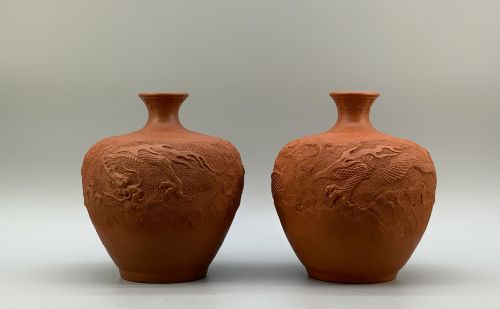
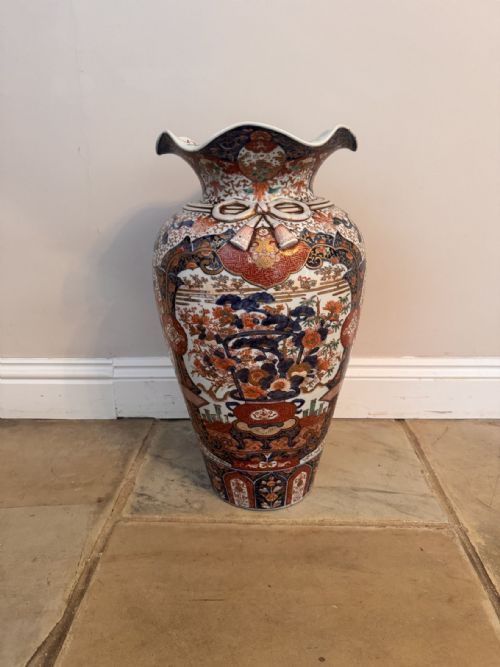
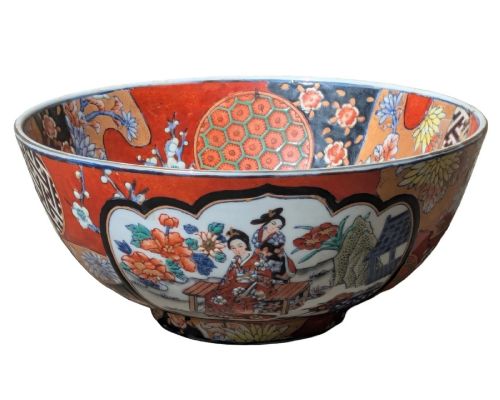
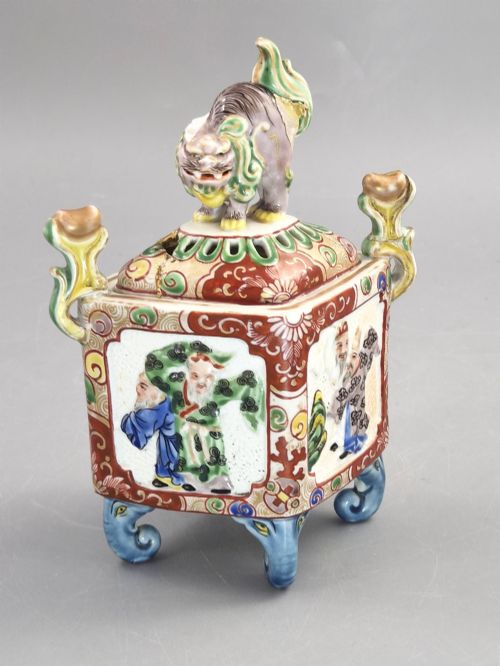
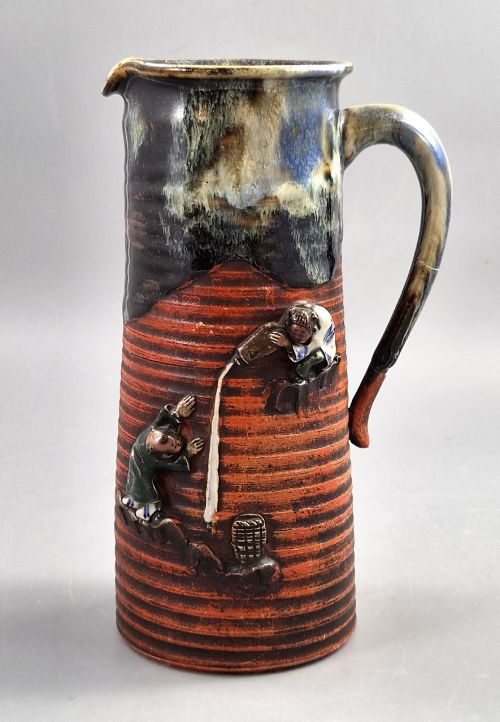
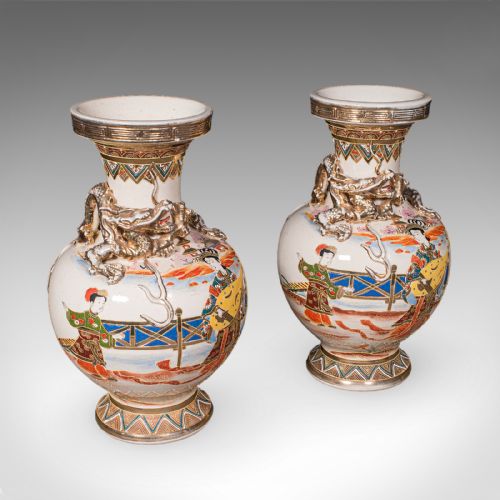
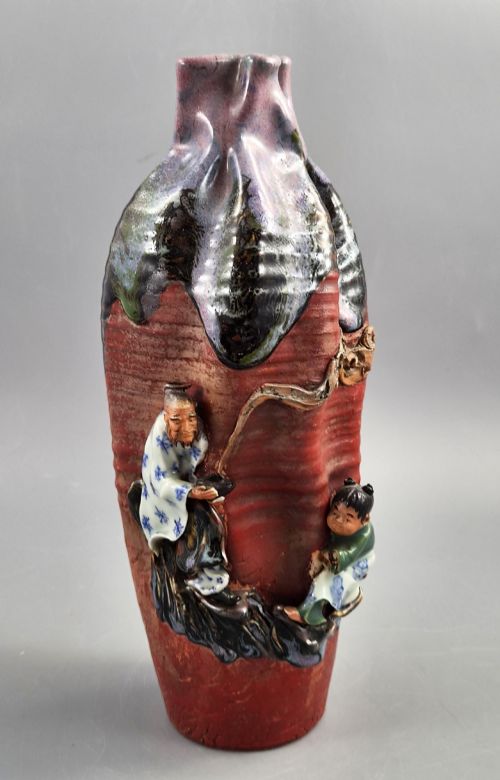
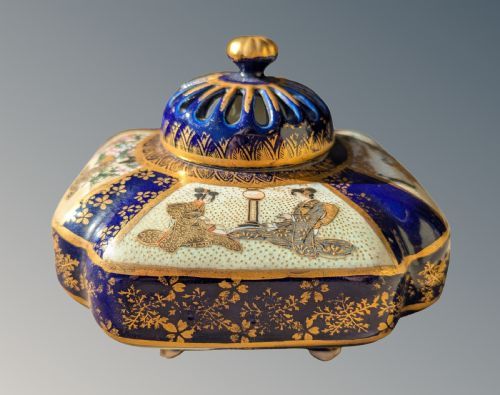
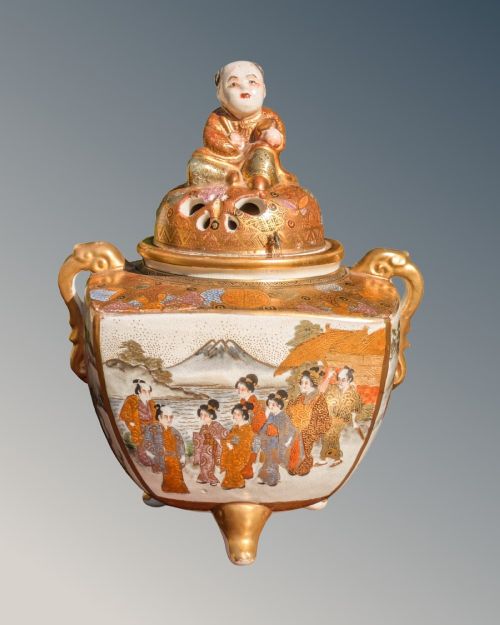
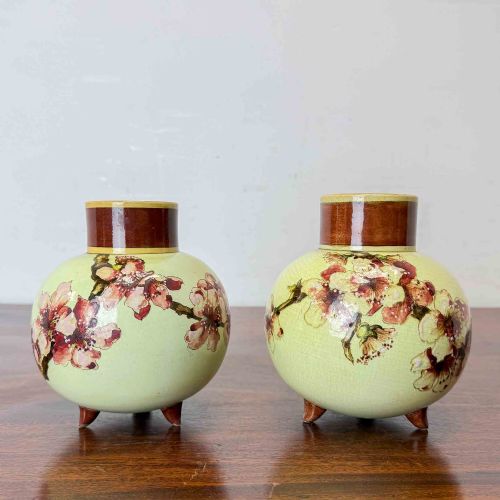
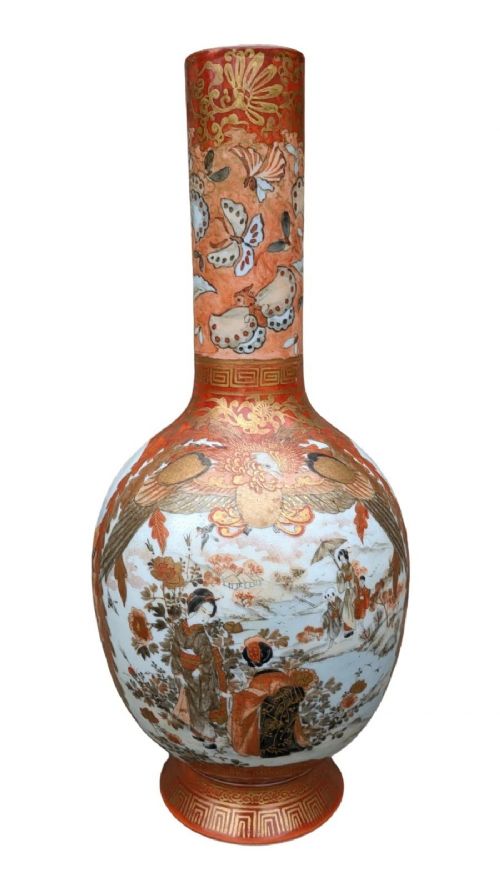
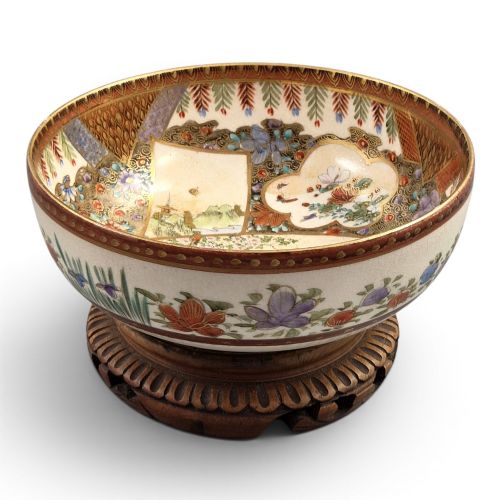
When you search for a Japanese ceramic vessel, you encounter a selection of vases, floor standing vases, urns, and incense burners originating from the late nineteenth century. These forms reflect the distinct aesthetic output of the Meiji period, encompassing Imari, Kutani, Satsuma, and Hirado styles.
The pieces listed on this page range from modest decorative items to large floor-standing vessels and two-handle vases. They display traditional motifs executed in porcelain and earthenware, often complemented by carved wood stands.
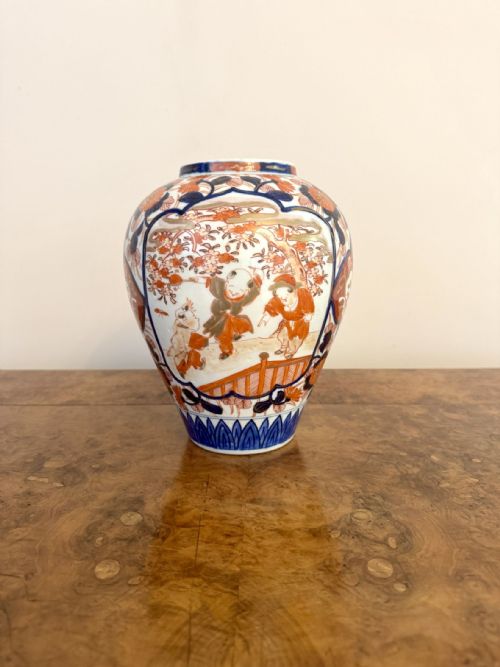
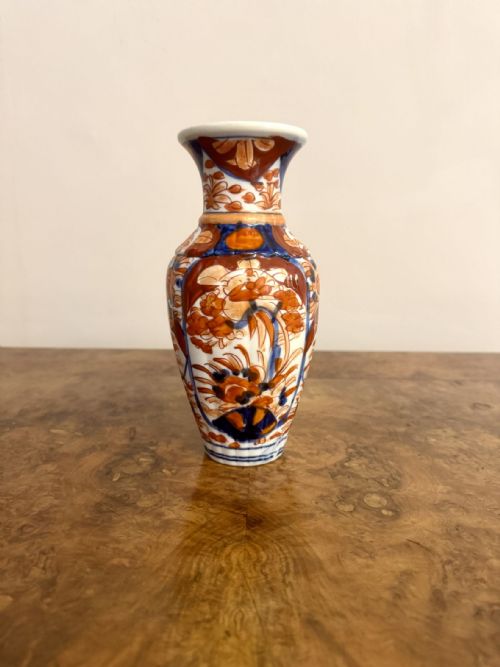
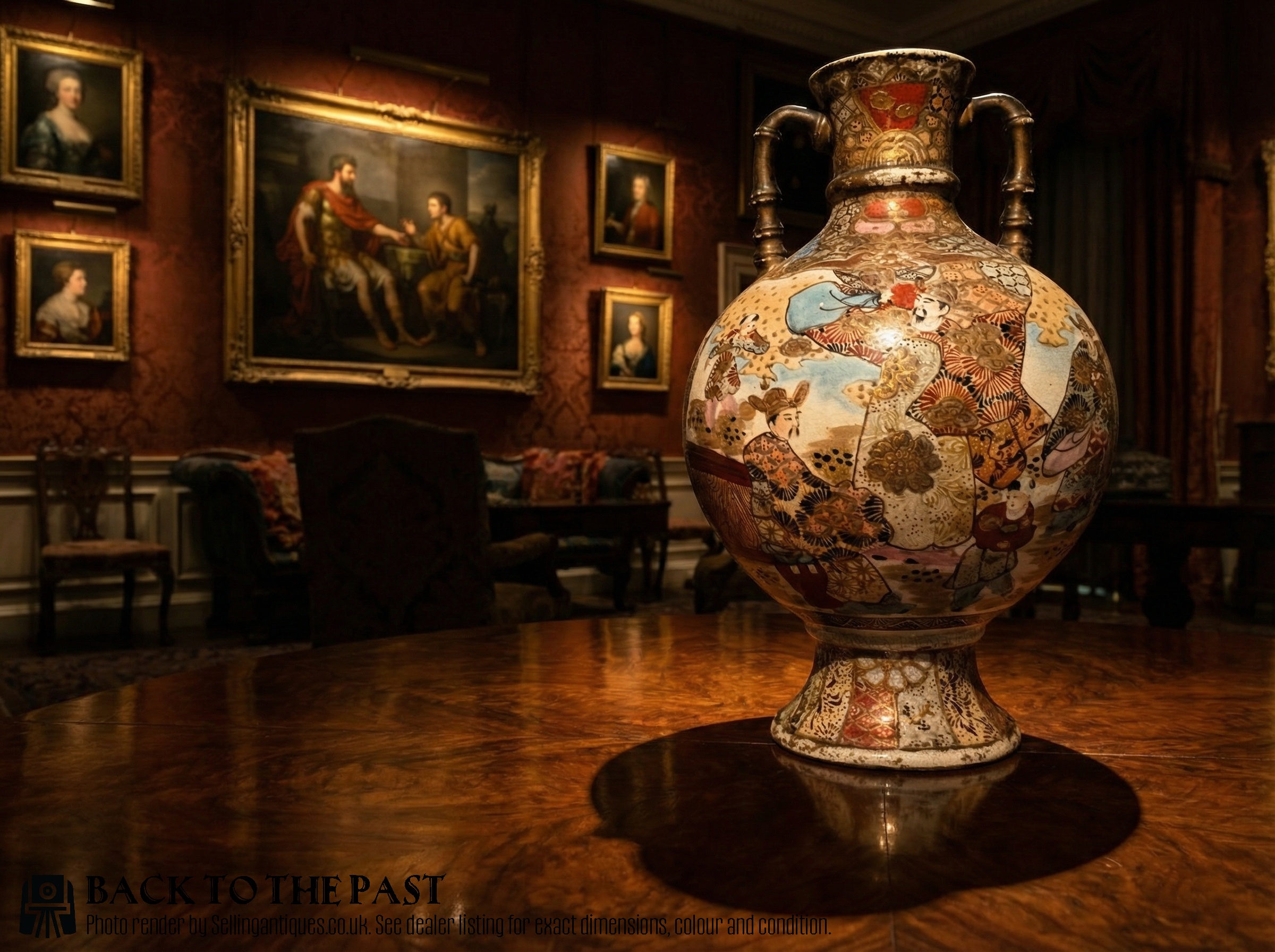
The most common examples you are likely to meet on this page are Imari and Satsuma vases dating from the 1880s to 1900. These demonstrate the classic palette and decorative density associated with Japanese export ceramics of the era.
How they were made
Makers utilised porcelain and earthenware as the primary ceramic bodies for these vessels, shaping them on the wheel or moulding them by hand. Artisans then applied detailed paintwork, enamel, and occasionally gold leaf to the surface.
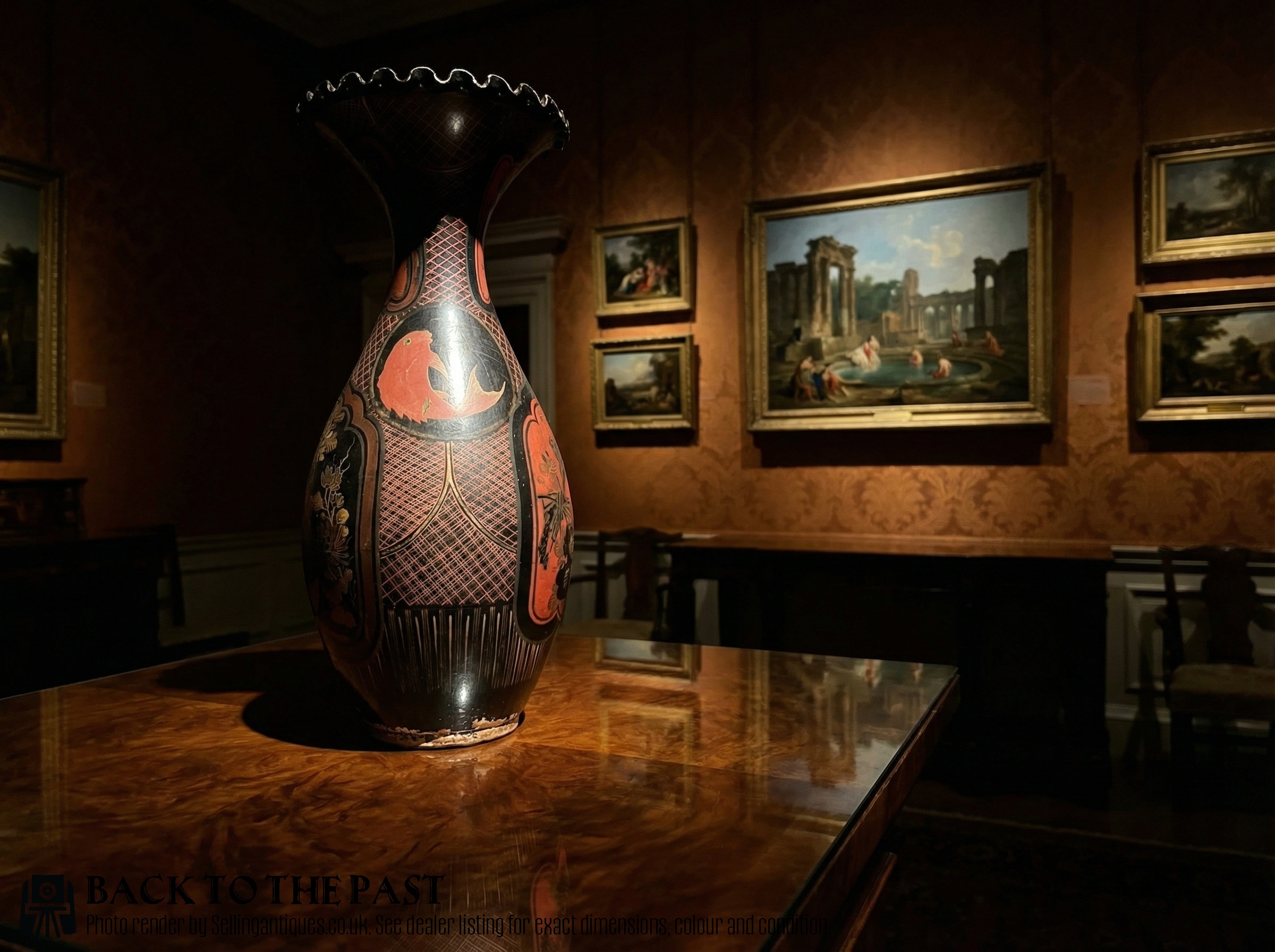
Certain vessels incorporate mixed media techniques, such as lacquer applied over black paint to create textural contrast with painted motifs like koi. Workshops also produced dedicated carved wood components to accompany the ceramic forms.
Retail Price Guide 2026
Typical UK retail prices for japanese ceramic vessel, calculated from the Sellingantiques database of over a million retail prices indexed since 2003. This retail price guide relies exclusively on Sellingantiques data; no external sources or auction records are used, so the figures do not describe the wider market.
All listed pieces originate from the late nineteenth century, spanning the 1880s, 1890s, and the Meiji period.
What varies in quality
The hierarchy of quality rests upon the precision of the brushwork and the complexity of the enamel and gold leaf application. Finer pieces demonstrate superior control in the hand-painted details and a more harmonious balance of colour and pattern across the ceramic body.
The reputation of specific workshops and the integration of auxiliary materials, such as finely carved wood elements or specialised lacquer work, further separate standard production pieces from exceptional examples.
Kinrin Workshop
The Japanese Ceramic Vessel Glossary
- Imari
- A traditional style of Japanese export porcelain characterised by underglaze blue and iron red, frequently augmented with gold.
- Satsuma
- A type of Japanese earthenware featuring a ivory crackle-glaze finish decorated with elaborate polychrome enamels and gilding.
- Koro
- A traditional Japanese incense burner typically featuring a pierced lid and supported on feet.
- Meiji Period
- The era in Japanese history spanning from 1868 to 1912, noted for significant international trade in decorative arts.
- Enamel
- Vitrified glass powder fused to the ceramic surface through firing to produce vibrant, opaque colours.
Frequently Asked Questions
What is an imari vase?
An imari vase is a Japanese ceramic vessel decorated in a distinctive palette of underglaze blue, iron red, and gold leaf.
These pieces were largely produced for export during the late nineteenth century, reflecting traditional kiln practices.
How do I identify a satsuma piece?
Satsuma wares are identified by their characteristic ivory-coloured earthenware body covered in a fine network of crackled glaze.
They are typically finished with dense polychrome enamel painting and gilding depicting figures, floral motifs, or landscapes.
How do I care for antique Japanese ceramics?
Care for these vessels involves gentle dusting with a soft, dry cloth to protect delicate enamel and gold leaf decorations.
Avoid using water or cleaning solutions, particularly on earthenware bodies or pieces featuring applied lacquer and carved wood.