





Japanese Arita Ware
Japanese Arita ware brings centuries of ceramic artistry into your rooms through porcelain plates, bowls, and vases decorated in striking palettes.

Japanese Arita Ware
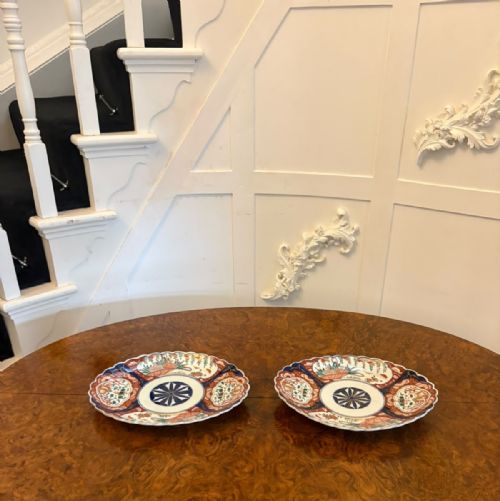
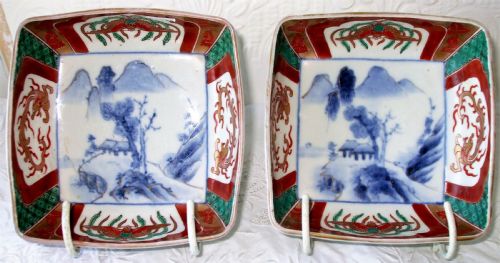
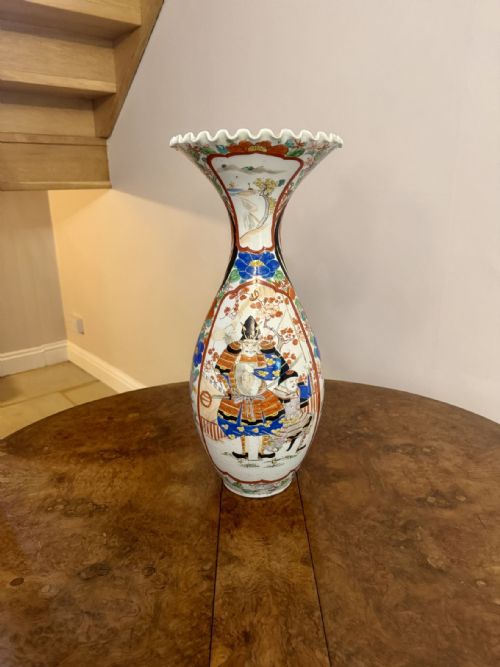
Japanese Arita ware encompasses decorative plates, dishes, bowls, chargers, and vases produced across several centuries. When exploring this selection, buyers encounter forms ranging from Edo period clam shell dishes to large Meiji period chargers and bottle vases.
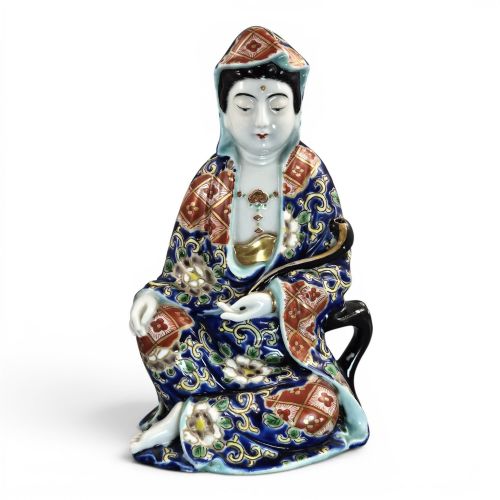
The objects span multiple eras, including seventeenth, eighteenth, and nineteenth century pieces, alongside Taisho period examples such as figural ceramics. Functional yet highly decorative, these items reflect enduring Japanese ceramic traditions.
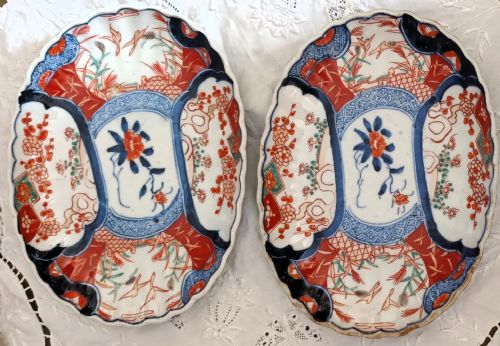
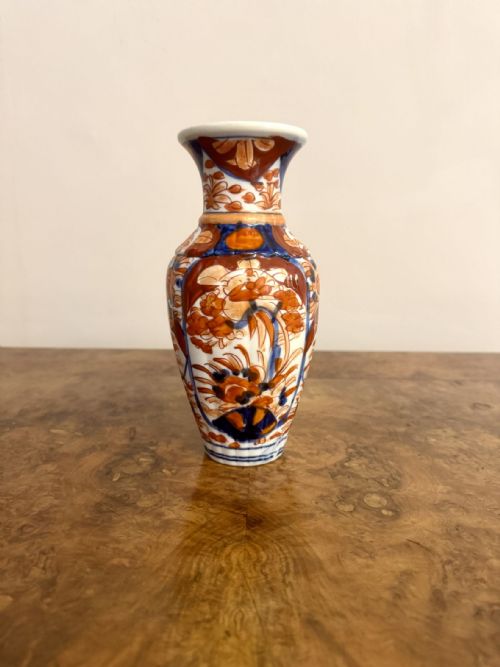
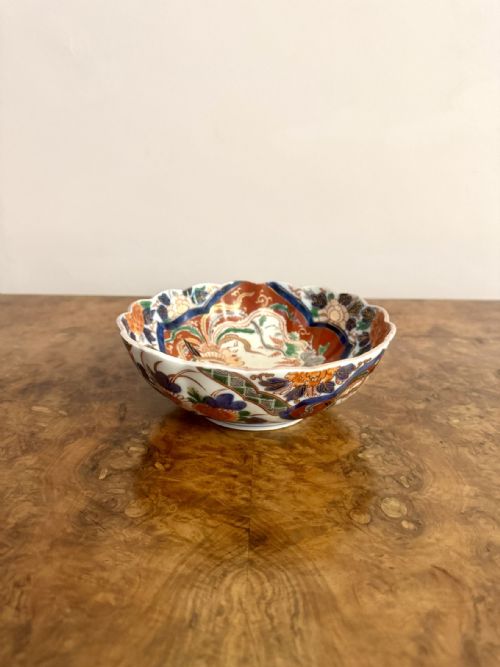
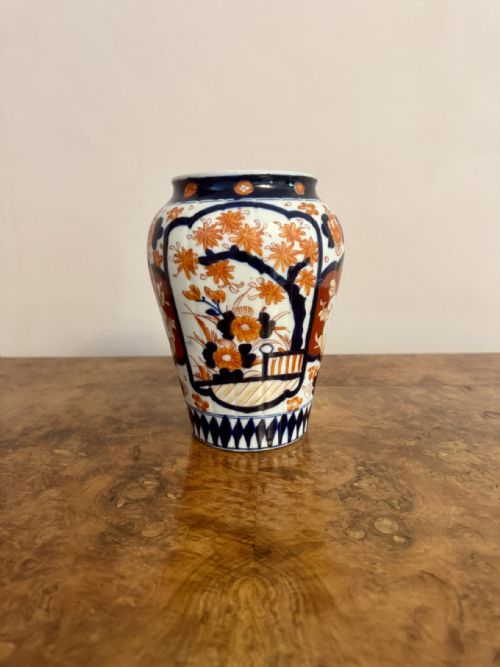
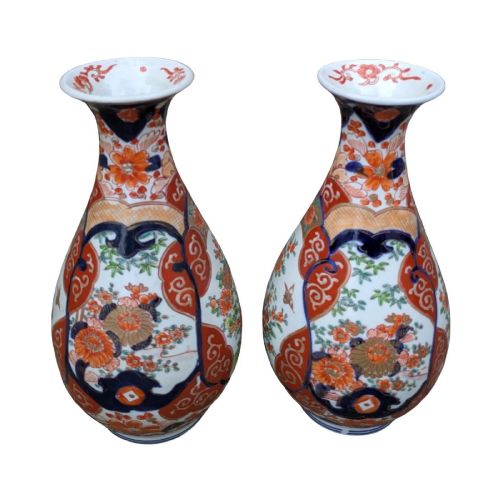
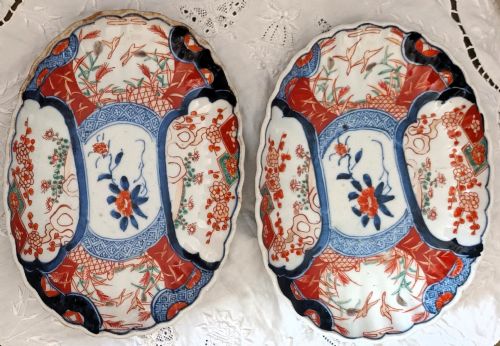
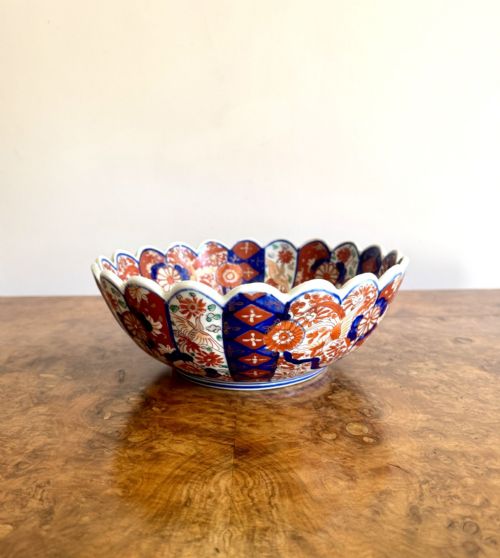
Vessels on this page frequently display the distinctive Japanese Imari style, utilising shaped edges, scallop designs, and hexagonal forms. Collectors find everything from individual plates to matched pairs and larger garnitures.
Materials and Techniques
Potters constructed these pieces using fine ceramic porcelain, shaping them into plates, bowls, jars, and figures. The raw clay formed the solid foundation for subsequent artistic decoration.
Craftsmen applied intricate hand-painted designs using enamel, glaze, and gold leaf or gilt highlights. This combination of pigment and metallic detail created the rich visual depth characteristic of Imari wares.
Materials recorded across the inventory include ceramic porcelain, enamel glaze, gold leaf, and gilt highlights.
Distinctions in Execution
Quality rests in the precision of the hand-painted floral, bird, and figural designs applied across the porcelain surface. Finer examples display meticulous brushwork and balanced compositions within the enamel and gilt decoration.
The crispness of moulded forms, such as scalloped edges, fan shapes, and hexagonal structures, separates standard production from superior pieces. Preservation of the original glaze and gold leaf also shapes the character of each vessel.
The Japanese Arita Ware Glossary
- Imari palette
- A traditional decorative scheme utilising iron red, cobalt blue, and gold highlights on white porcelain. This palette originated in Hizen province and defined much of the export output.
- Charger
- A large decorative plate intended for display rather than serving food. These substantial pieces often feature elaborate painted motifs across the centre and rim.
- Garniture
- A matched set of three or more vases designed to stand together on a mantelpiece or cabinet. They share a unified decorative theme and graduated sizes.
- Jardiniere
- A large ornamental pot or receptacle designed to hold plants or flowers. These ceramic vessels often stand independently as focal points in a room.
- Edo Period
- The historical Japanese era lasting from 1603 to 1867. Pieces from this time demonstrate foundational styles that influenced later export ceramics.
Japanese Arita Ware: Frequently Asked Questions
What is Japanese Arita ware?
Japanese Arita ware refers to porcelain objects produced in and around the town of Arita in Hizen province. The tradition includes diverse forms such as bowls, plates, and vases created for both domestic use and export.
The category is closely linked to the Imari style, characterised by underglaze blue and overglaze red and gold decoration. These ceramics represent centuries of technical and artistic development by Japanese potters.
How were these porcelain pieces used?
Many items functioned as decorative display pieces rather than utility wares. Large chargers, garniture sets, and shaped vases adorned rooms to showcase wealth and taste.
Smaller dishes and bowls served practical dining and serving purposes while maintaining high artistic standards. Their durable porcelain body allowed them to survive centuries of handling.
How do I date Japanese Arita pieces?
Dating relies on stylistic shifts, historical periods such as the Edo or Meiji eras, and manufacturing characteristics. Earlier pieces from the seventeenth and eighteenth centuries often exhibit different potting traits compared to nineteenth century items.
Form, palette execution, and specific motifs help place an object within its historical timeframe. Comparative study of known period examples clarifies these chronological distinctions.
Where should I display Arita ware?
These pieces suit placement on sturdy sideboards, tables, or mantelpieces where their detailed patterns remain visible. Vases and garnitures work well as standalone focal points within a room.
Plates and chargers look effective mounted on walls or supported by stable stands on flat surfaces. Ensuring adequate lighting highlights the enamel and gold leaf details.