



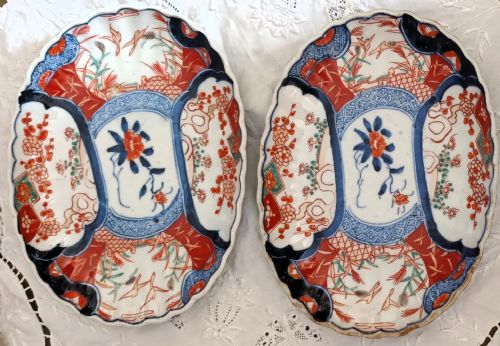
Antique Imari Pottery
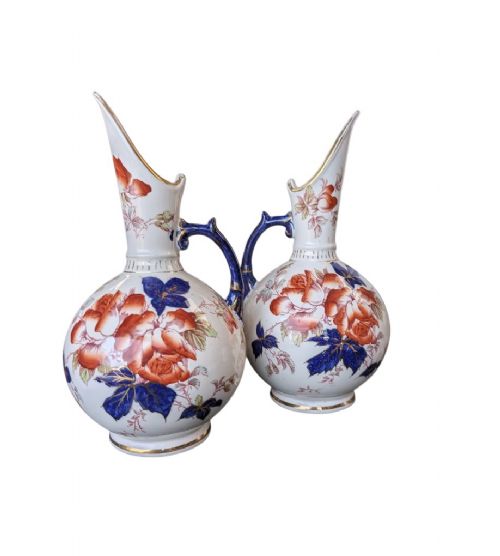
Antique imari pottery brings vibrant cobalt blue and iron red decoration to nineteenth-century chargers, vases, and plates.
Antique Imari Pottery
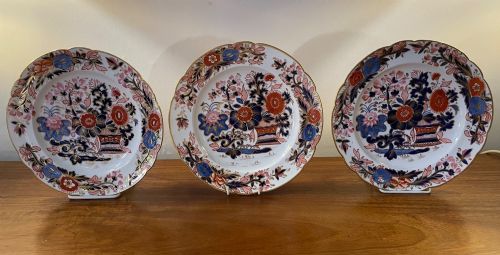
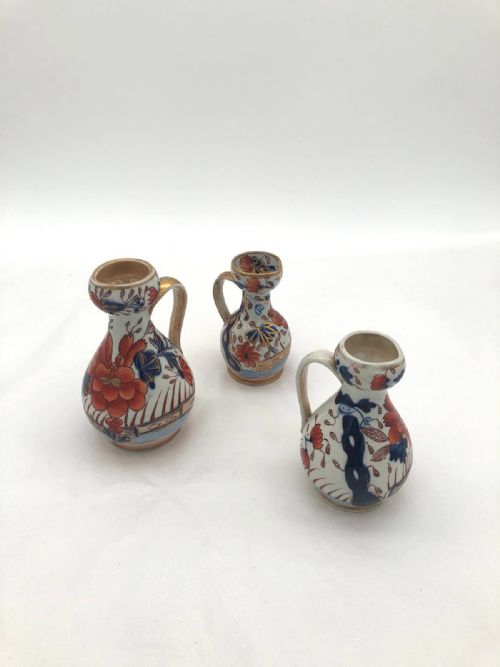
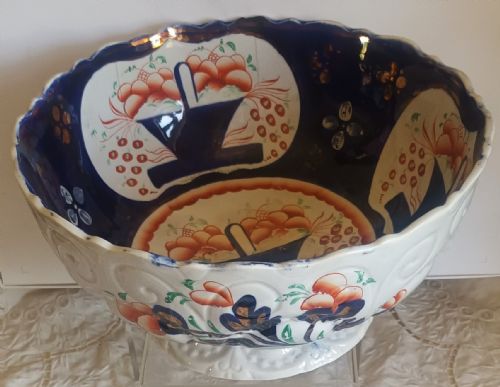
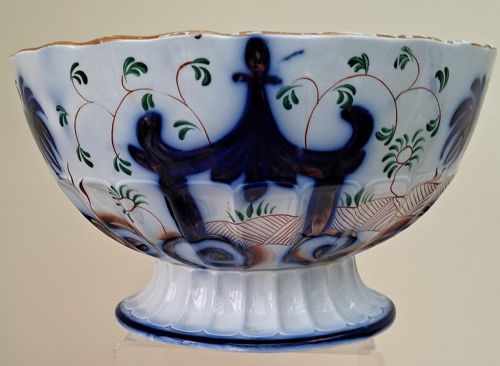
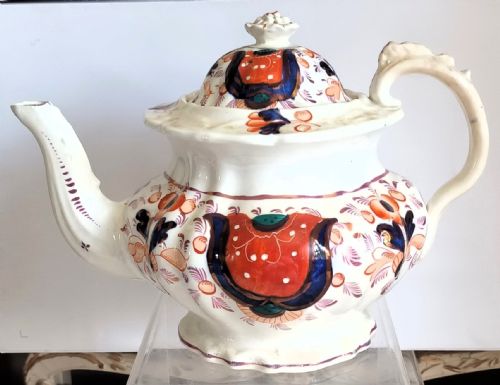
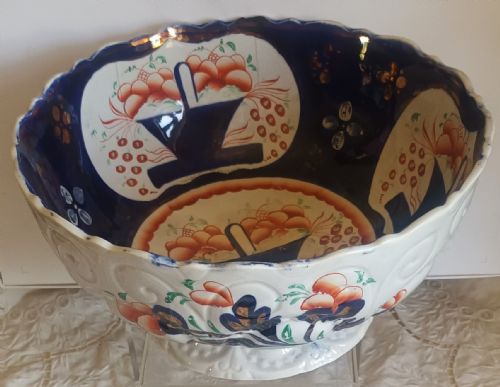
Antique imari pottery encompasses rich ceramic pieces produced in both Japanese and British workshops during the nineteenth century. Buyers encounter Japanese export porcelain alongside English ironstone and earthenware adaptations painted in the traditional palette.
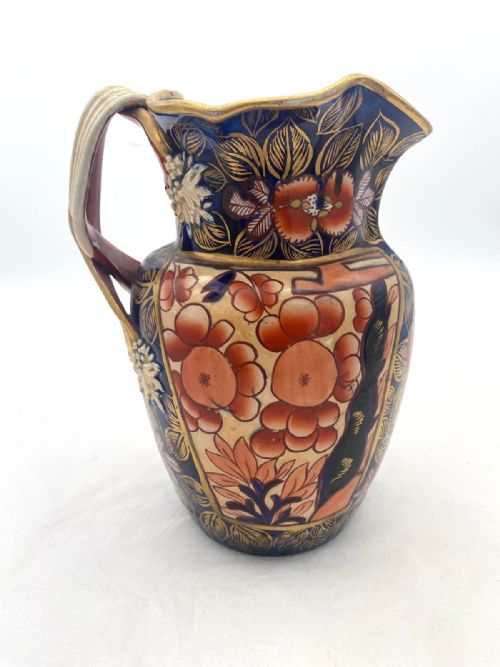
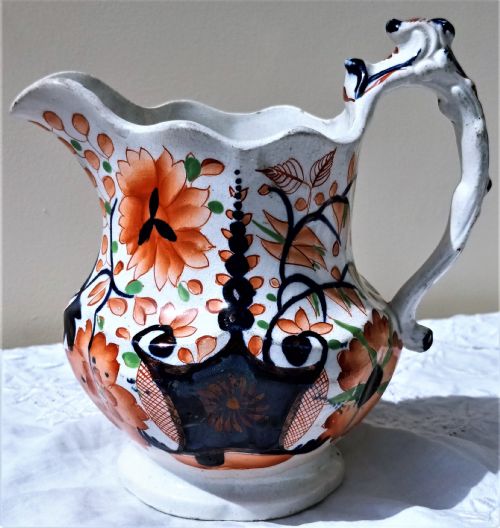
The forms span decorative plates, chargers, vases, and robust jugs intended for both display and utility. Japanese Meiji period examples sit alongside English interpretations by makers such as Mason's and Davenport.
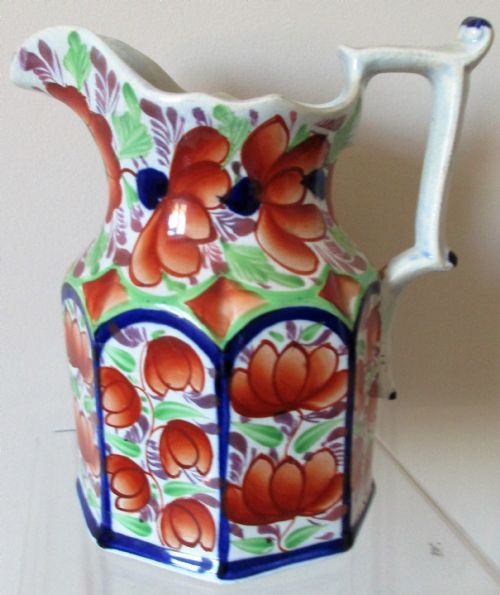
Victorian domestic wares often adopt the bold colouring of eastern imports onto stoneware and ironstone bodies. Each piece reflects the enduring nineteenth-century fascination with imported oriental aesthetics.
How they were made
Potters shaped porcelain, ironstone, earthenware, and stoneware into vessels before applying intricate underglaze blue pigments. Enamel colours and gold leaf accents were added above the glaze during subsequent firings.
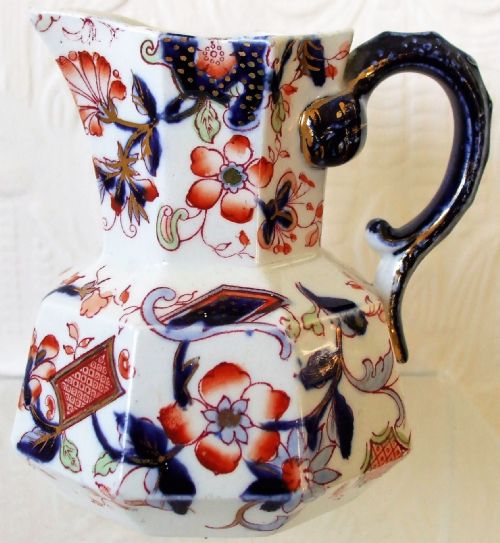
British factories utilised durable ironstone bodies to create heavy jugs and plates capable of resisting daily wear. Japanese craftsmen shaped fine porcelain to produce delicate vases and chargers with resonant walls.
Gilt highlights and heavy enamels provide the distinctive tactile surface texture found on both imported originals and domestic imitations. Kiln temperatures determined the vitreous quality of the ceramic body and the permanence of the surface decoration.
Listings feature nineteenth-century materials including porcelain, ironstone, earthenware, enamel, and gold leaf across Victorian and Edwardian periods.
What varies in quality
The precision of the hand-painted enamel work dictates the visual success of the piece, separating rapid commercial output from meticulous studio painting. Crisp cobalt lines and densely saturated iron red pigments indicate superior pigment preparation.
The weight and resonance of the ceramic body reveal the purity of the underlying materials, particularly in heavy ironstone jugs and large Japanese chargers. Preservation of applied gold leaf and unblemished glaze surfaces complete the assessment.
Mason's Ironstone·Keeling and Co.·John Ridgway·Davenport·Mintons
The Antique Imari Pottery Glossary
- Imari palette
- A distinct colour scheme employing underglaze cobalt blue, iron red, and supplementary gold leaf or enamel highlights. This combination originated in Japanese export wares before British potteries adopted the aesthetic.
- Ironstone
- A dense, durable type of earthenware patented in the nineteenth century to rival true porcelain. It provides a robust body for heavily decorated domestic jugs and plates.
- Meiji Period
- The era of Japanese history spanning from 1868 to 1912, noted for prolific porcelain production directed at Western export markets.
- Charger
- A large decorative plate intended primarily for display on a sideboard or wall rather than for dining use.
- Hydra jug
- A nineteenth-century pitcher form featuring a serpent-shaped handle, frequently produced in ironstone with colourful imari or transfer-printed patterns.
Antique Imari Pottery: Frequently Asked Questions
How do I identify Japanese imari from British imari?
Japanese pieces typically employ translucent porcelain bodies with fine potting and hand-painted motifs executed in traditional eastern styles. British versions utilise heavier ironstone or earthenware bodies marked by domestic potteries.
Examination of the foot ring and underside often reveals the paste differences between oriental porcelain and Staffordshire earthenware. British examples frequently bear factory transfer marks or impressed registry dates.
What is the Meiji period?
The Meiji period marks an era of extensive modernization and international trade in Japan, corresponding to the late nineteenth century. Porcelain produced during this time catered heavily to European collectors.
Export pieces from this timeframe combine traditional decorative techniques with forms suited to Western interiors. Large chargers and tall floor vases survive in substantial numbers from these decades.
Are these pieces suitable for daily use?
Most nineteenth-century ceramic items survive best when reserved for display or gentle decorative placement. Enamel paints and gold leaf highlights applied over the glaze can wear away with frequent washing.
Ironstone jugs and plates possess durable ceramic bodies but historical glazes remain vulnerable to cutlery scratching and harsh detergents. Careful hand washing preserves the fragile surface pigments.
Why are some pieces called Gaudy Welsh?
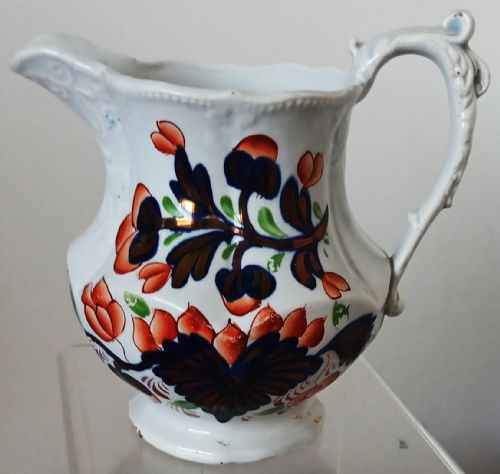
Gaudy Welsh pottery represents nineteenth-century Staffordshire and Welsh earthenware decorated with vibrant imari-inspired palettes. These domestic wares used accessible materials to mimic expensive eastern imports for everyday households.
Common patterns include geometric pagodas and floral arrangements painted in bright copper lustre and cobalt blue. Collectors value them as distinct vernacular interpretations of the broader imari tradition.