




Gilded Japanese Porcelain Dishes
Gilded Japanese porcelain dishes bring together the refined traditions of East Asian ceramic artistry and rich metallic decoration.

Gilded Japanese Porcelain Dishes
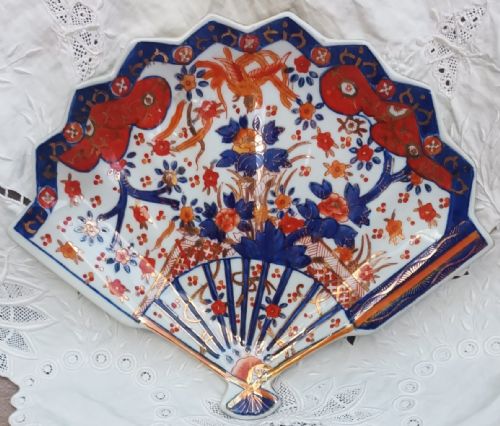
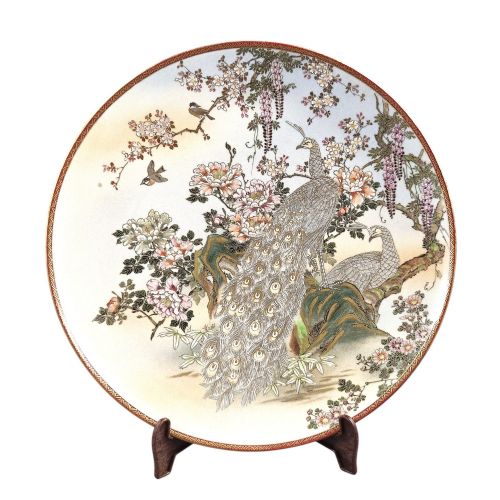
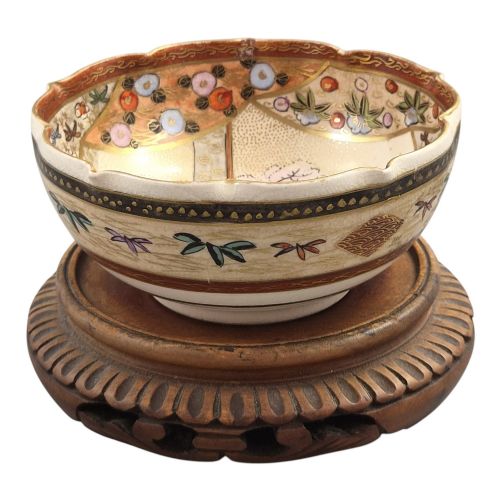
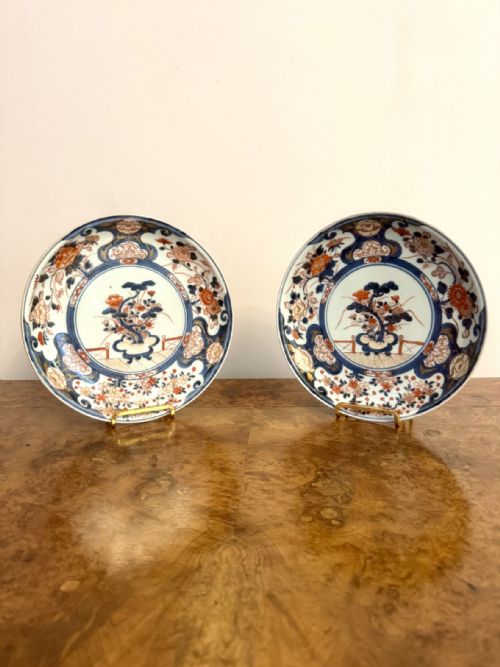
When looking for gilded japanese porcelain dishes, collectors encounter an array of decorative plates, bowls, chargers, and trays spanning the nineteenth and early twentieth centuries.
Forms range from small cabinet pieces and scalloped dishes to large presentation chargers, reflecting both domestic utility and export markets.
Materials and Manufacture
Potters shaped fine white clay into porcelain bases, applying underglaze and overglaze pigments before firing the vessels in kilns.
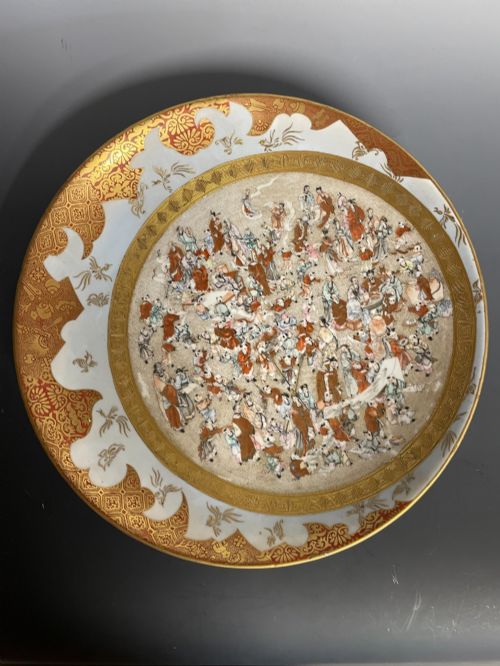
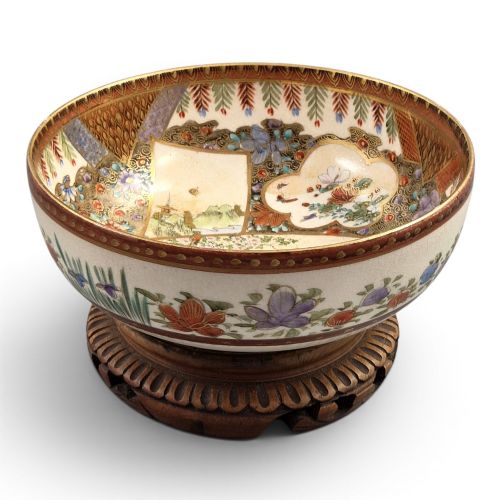
Artisans then added rich surface detail using gold leaf, gilding, and colourful enamels, often incorporating raised moriage techniques to create tactile dimension on Satsuma wares.
Materials recorded include porcelain, earthenware, enamel, gold leaf, and traditional wood supports.
Assessing Quality
Quality rests upon the precision of the hand-painted brushwork, the richness and purity of the applied gold leaf, and the fineness of the porcelain body.
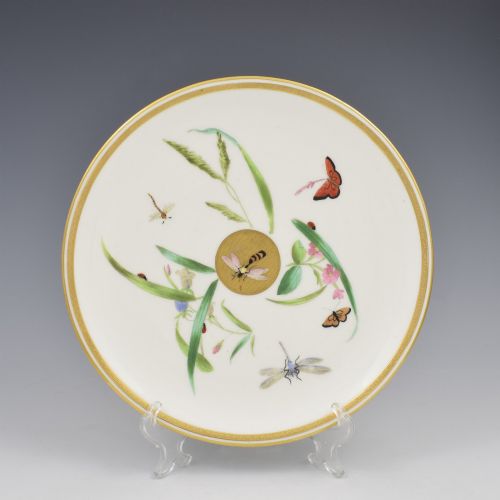
Superior examples display balanced compositions, crisp details in floral and bird motifs, and purposeful control over the enamel and gilt layers.
Koshida·Gyokkō·Kozan·Hododa
The Gilded Japanese Porcelain Dishes Glossary
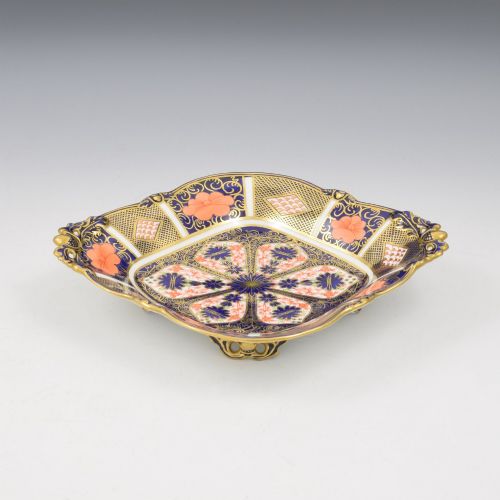
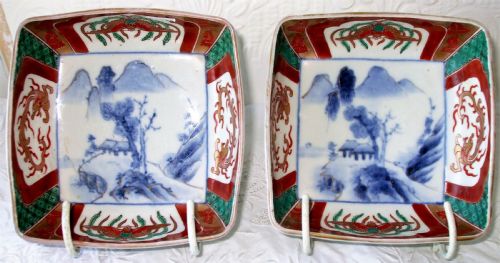
- Imari
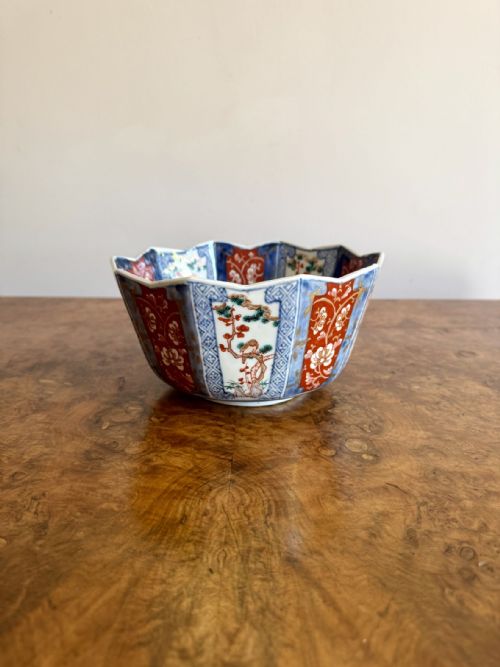
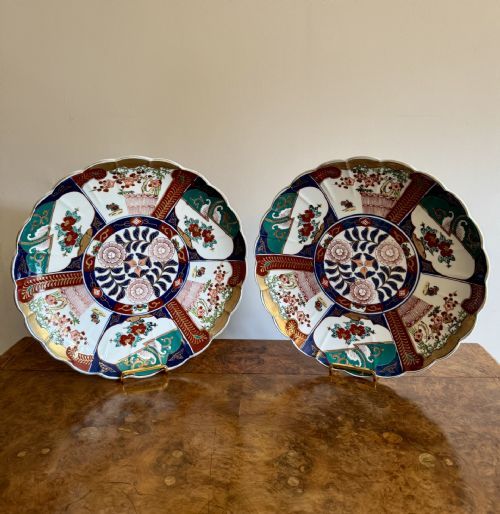
- A traditional Japanese style of porcelain decoration characterised by a palette of blue, iron red, and abundant gold.
- Satsuma
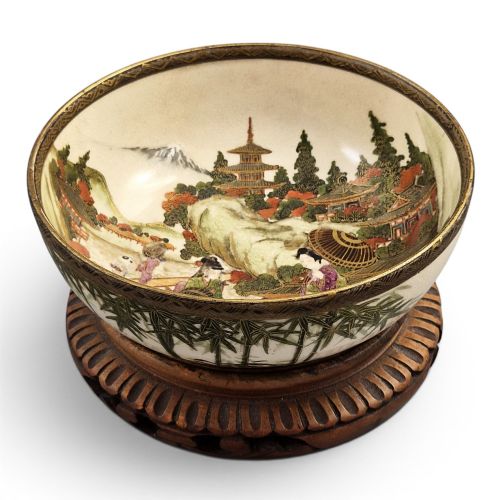
- An earthenware or porcelain ware originating from the Satsuma domain, typically featuring a crackle glaze and elaborate polychrome and gilt designs.
- Kutani
- A distinct type of Japanese coloured porcelain known for bold pictorial scenes and heavy use of gold and green pigments.
- Charger
- A large decorative plate or platter intended primarily for display rather than for serving food.
- Moriage
- A decorative ceramic technique using raised slip or enamel dots and lines to create a textured, three-dimensional surface effect.
Gilded Japanese Porcelain Dishes: Frequently Asked Questions
How do I identify Satsuma ware?
Satsuma pieces generally display a characteristic ivory-coloured crackle glaze beneath intricate enamel and gilt painting.
They often depict traditional figures, landscapes, or dense floral patterns executed by skilled regional workshops.
What is the difference between Imari and Kutani?
Imari wares rely on a distinct palette combining underglaze blue with iron red and gold details.
Kutani wares instead favour bolder overall schemes dominated by deep greens, reds, and heavy gilding.
Were these dishes meant for daily use?
Larger chargers and fine cabinet plates served primarily as decorative display items in European and Japanese interiors.
Smaller bowls and dishes saw more functional service during meals and tea gatherings.
How should I display large chargers safely?
Large decorative chargers require sturdy wall mounts or dedicated plate stands designed to support their weight securely.
Positioning them away from direct sunlight protects the delicate enamel and gold leaf from fading.