







Antique Imari Dishes
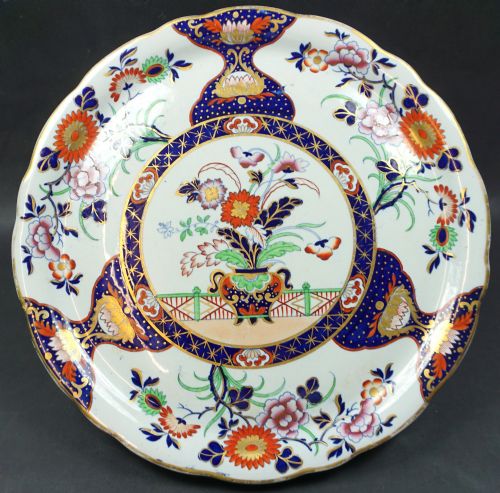
Antique imari dishes bring rich palettes of cobalt blue and iron red into a room, spanning Japanese export works, Chinese pieces, and English adaptations.

Antique Imari Dishes
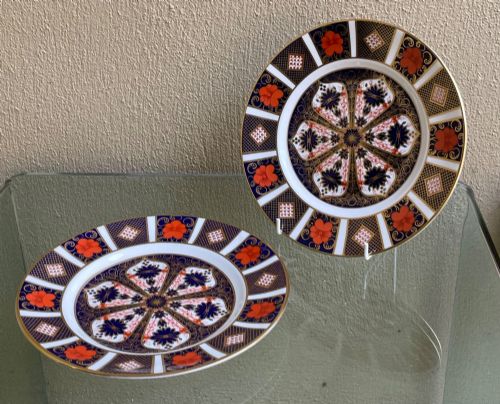
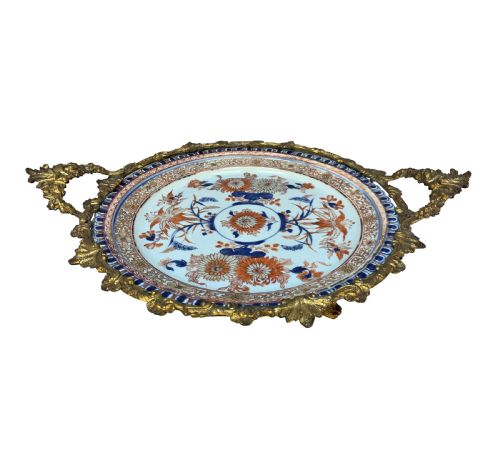
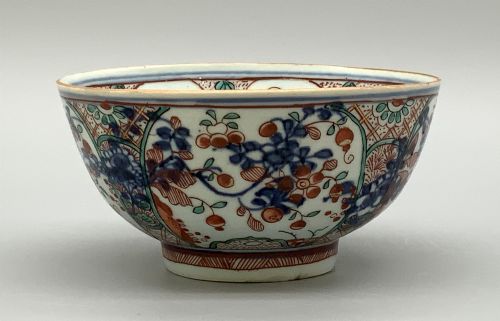
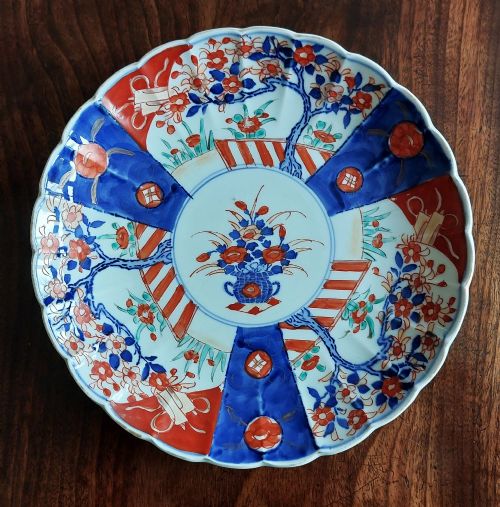
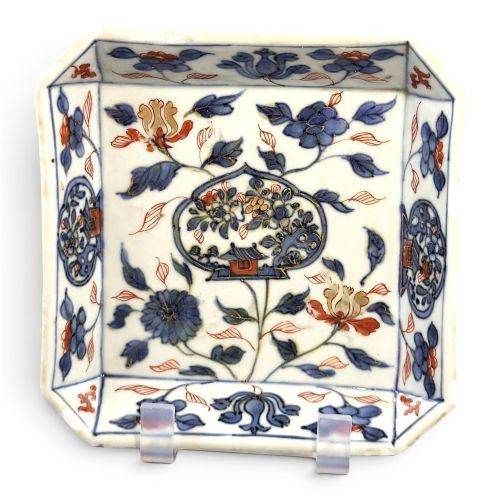
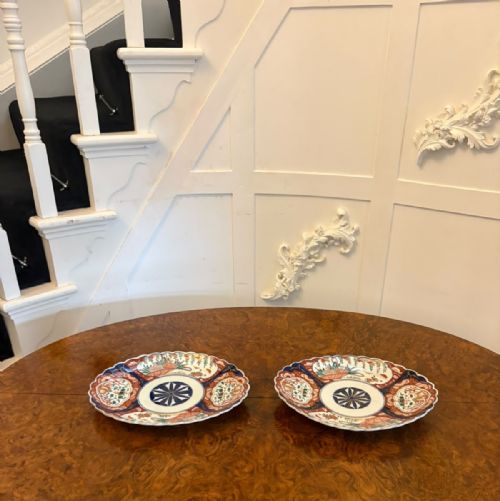
These antique imari dishes encompass a broad sweep of decorative plates, bowls, chargers, and serving pieces produced across the eighteenth, nineteenth, and twentieth centuries. When searching for antique imari dishes, a buyer encounters Japanese export wares from the Edo and Meiji periods alongside Chinese pieces and English ironstone interpretations.
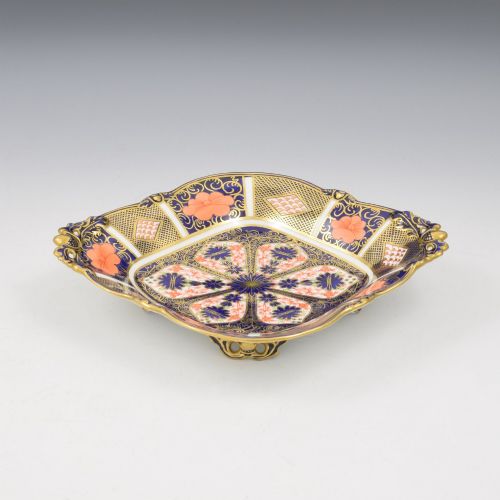
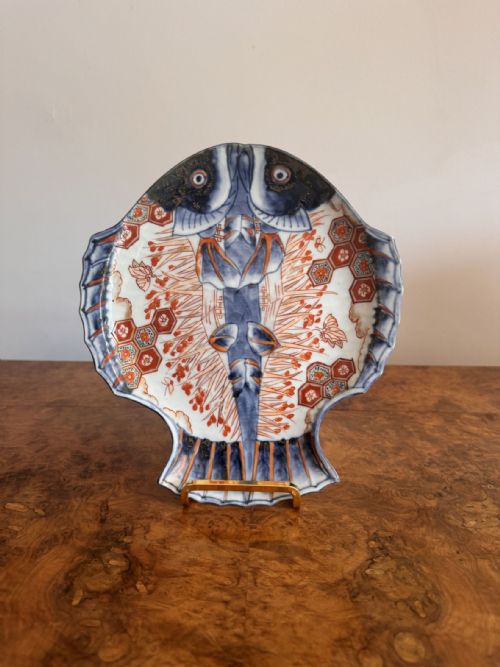
The Meiji period and the nineteenth century supply a high proportion of the circular, scalloped, and shaped plates seen here. Alongside standard round chargers and bowls, the selection includes distinct forms such as fish shapes, shell forms, squares, and hexagons.
Makers in England such as Hicks and Meigh, John Davenport, and Mason's adapted the palette into ironstone china and footed comports. These English variations sit alongside traditional porcelain from China's Kangxi and Qing periods and Japanese Arita output.
Materials and construction
Production relies heavily on porcelain, bone china, and ironstone as bodies for the decorated surface. Potters shaped these materials into footed comports, tureens, and plates before applying underglaze blue and overglaze enamel colours.
Gold leaf and manual gilding frequently highlight the iron red and cobalt blue motifs. Enamel work combines with glaze layers to create the characteristic vibrant finish across Japanese, Chinese, and English examples.
Object types range from standard decorative plates and bowls to fish-shaped plates, shell-shaped dishes, and footed comports.
Measures of quality
Quality rests upon the crispness of the hand painting and the complexity of the cobalt blue and iron red design work. Superior examples display precise brushwork on challenging forms like fish or shell shapes rather than standard round plates.
The weight and consistency of the porcelain body, alongside the preservation of the gilding and enamel colours, set fine pieces apart from routine production. Unusual geometric forms such as chamfered squares or hexagonal plates also demonstrate higher ambition in the kiln.
Hicks and Meigh·John Davenport·Mason's
The Antique Imari Dishes Glossary
- Imari style
- A decorative scheme employing a palette of underglaze cobalt blue, iron red, and added gilding. The style originated in Japan and was later copied by Chinese and European potteries.
- Comport
- A footed dish or bowl raised on a pedestal, used for serving fruit or sweetmeats at the table. Georgian examples in ironstone are frequently found bearing Japan patterns.
- Charger
- A large decorative plate intended for display on a wall or sideboard rather than for everyday dining. These large vessels often showcase intricate bird or floral motifs.
- Ironstone china
- A patented ceramic body developed in nineteenth-century England to imitate porcelain. It provides a heavy, durable base for transfer-printed and hand-coloured imari designs.
- Scallop edge
- A curved, shell-like rim shaping applied to plates and bowls. This decorative moulding requires careful potting before firing and glazing.
Antique Imari Dishes: Frequently Asked Questions
How do I date antique imari dishes?
Dating relies on the ceramic body, reign marks, and stylistic traits. Eighteenth-century pieces often show Chinese Kangxi or Qing characteristics, whereas Meiji period items reflect late Japanese export standards.
English ironstone versions from the nineteenth century bear specific maker marks or pattern names on the underside. Comparing the vibrancy of the enamel and the weight of the porcelain helps narrow the production era.
Are these dishes meant for daily use?
Most antique imari dishes, particularly chargers and delicate Meiji period porcelain, function best as decorative display pieces. The overglaze enamels and gilding can wear away with frequent washing and cutlery use.
Sturdier nineteenth-century ironstone pieces and comports were originally made for service, but careful handling remains advisable to preserve the hand-painted surfaces.
What is the difference between Japanese and Chinese imari?
Chinese imari pieces, often dating to the Kangxi and Qing periods, typically feature brighter whites in the porcelain body and distinct cobalt tones. Japanese imari, particularly from the Arita kilns and Meiji period, often incorporates denser floral panels and exotic birds.
European imari style copies, such as those by English ironstone makers, adapt these oriental motifs onto heavier ceramic bodies with distinct transfer-printed outlines.
How should I display imari plates?
Imari plates and chargers suit wall mounting using appropriate brass wire hangers or placement in plate racks. Their strong cobalt blue and iron red palettes command visual attention in both traditional and modern interiors.
Smaller bowls and shaped dishes fit well on sideboards or within cabinets where their hexagonal, square, or shell forms remain visible from close range.