

Jacobean Style Table
When you search for a jacobean style table, you find heavy timber forms designed to anchor a room with architectural turnings and deep relief carving.
Jacobean Style Table
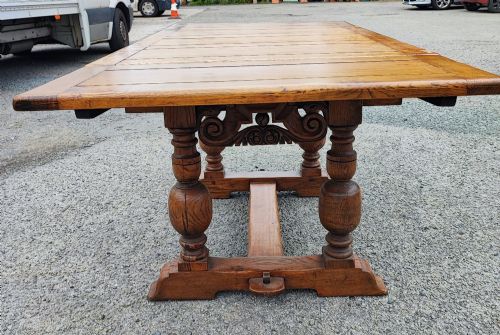
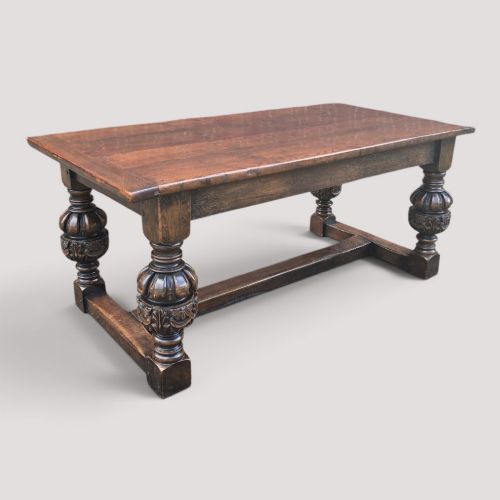
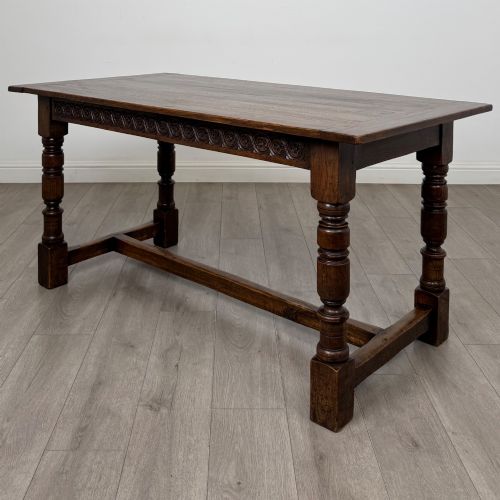
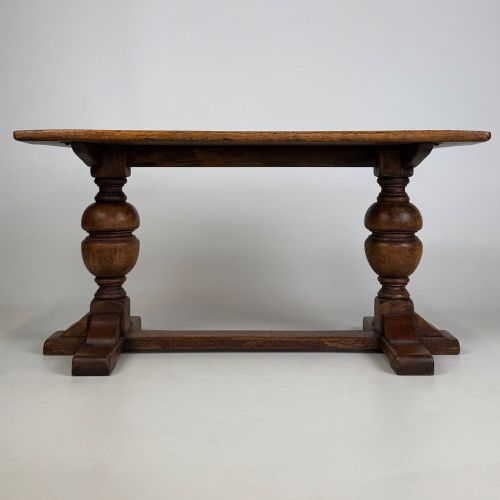
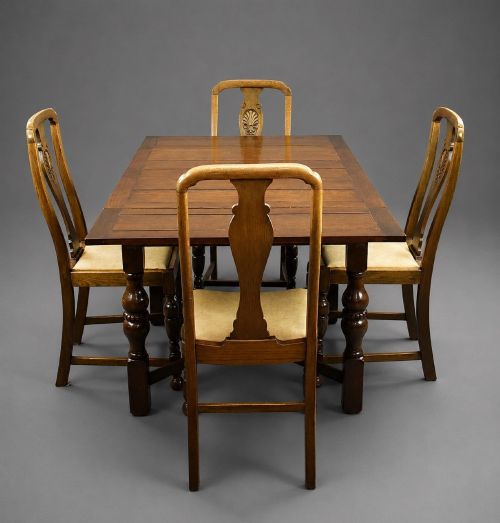
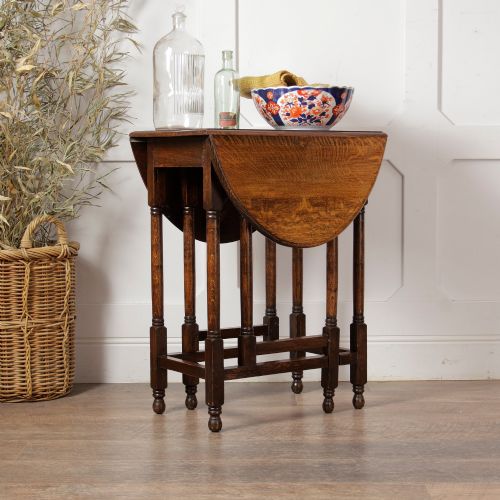
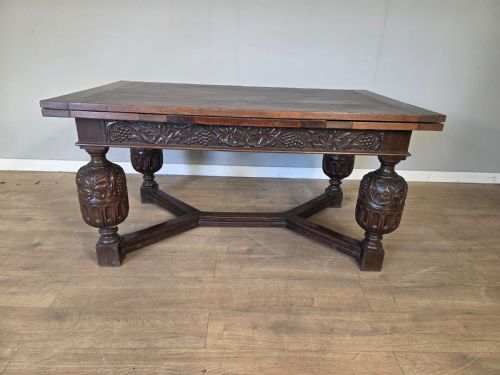
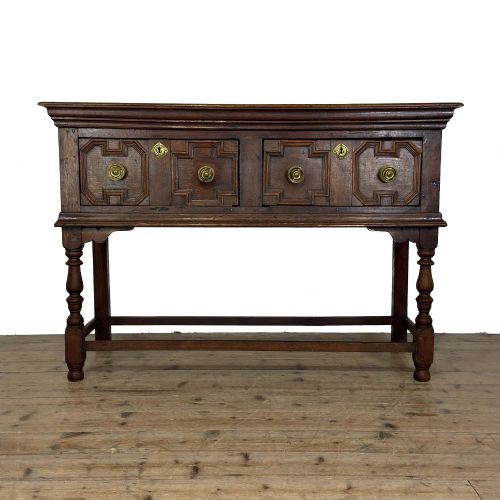
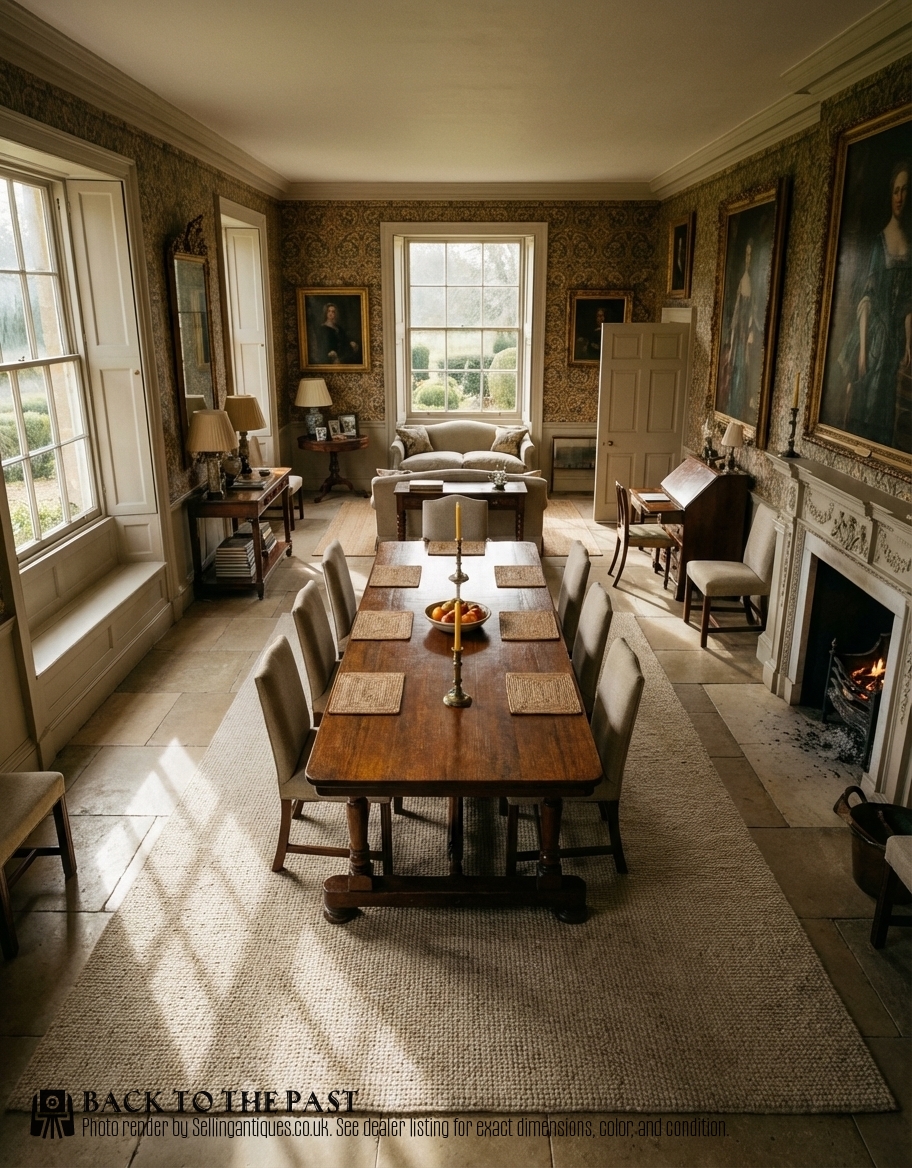
A jacobean style table typically presents as a sturdy oak dining board, a gateleg side table, or a long refectory piece built with heavy stretchers. Buyers seeking this search phrase often meet revival versions produced around the Edwardian era or the interwar decades, alongside genuine seventeenth-century examples.
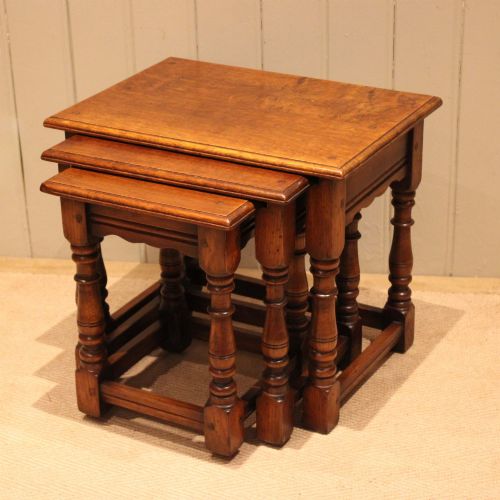
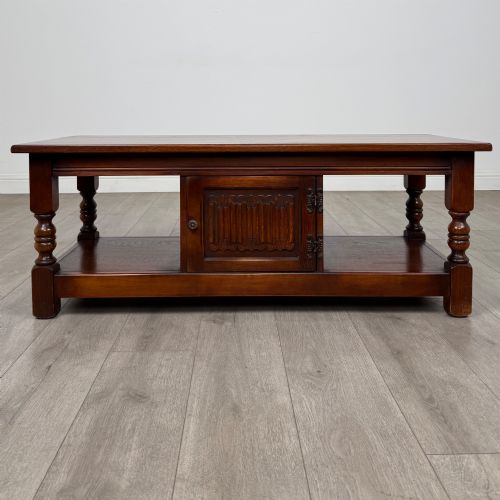
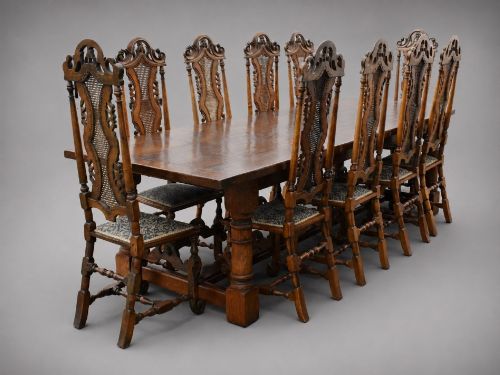
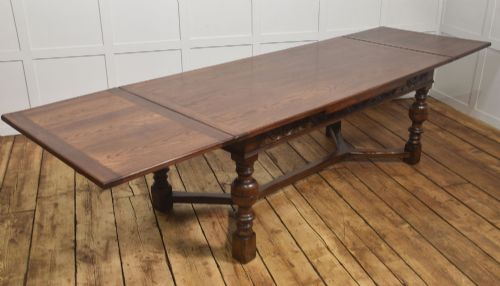
The domestic forms range from small occasional and coffee tables to large extending dining sets accompanied by high-back chairs or benches. Many incorporate draw-leaves or drop-leaves to alter their footprint for daily use in contemporary rooms.

Materials and construction
Solid oak serves as the primary structural material, often complemented by secondary timbers like yew wood or walnut in specific decorative elements. Craftsmen utilised traditional joinery methods, securing heavy plank tops to sturdy underframes with pegged mortise and tenon joints.
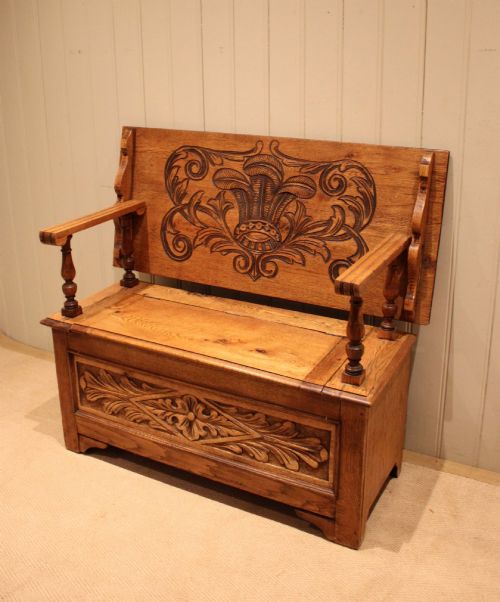
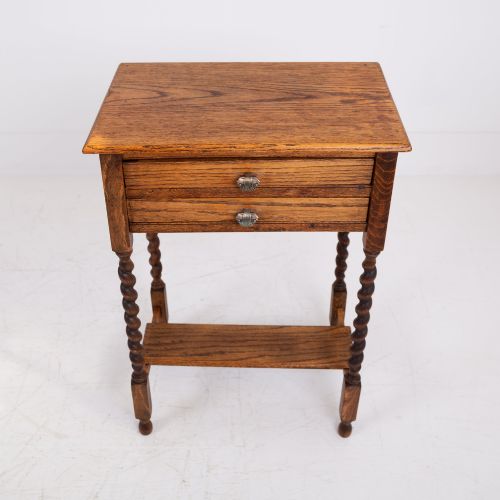
Surface ornamentation relies on hand-carved geometric patterns, guilloche borders, and turned supports such as bulbous balusters or bobbin legs. Iron or brass hardware frequently fastens drop leaves, drawers, and extension mechanisms.
Jacobean Style Table Retail Price Guide 2026
Typical asking prices for jacobean style table among the pieces listed under this phrase on Sellingantiques today, from the lower quarter to the upper quarter. They describe what is for sale here now, not the wider market.
Several gateleg and side tables still bear the stubborn ink stains and pocketknife scars left by generations of forgotten homework.
Quality distinctions
The distinction between standard production and superior craftsmanship rests in the depth and crispness of the timber carving, alongside the selection of quarter-sawn oak that displays distinct medullary rays. Early period pieces or high-grade Edwardian revivals exhibit tighter joinery tolerances and heavier timber sections.
Surface finish and patination also divide the range, where hand-waxed golden or honey oak retains a softer historic lustre compared to uniformly stained modern surfaces. The integration of functional mechanisms like draw leaves or gate legs demonstrates the precision of the underlying hardware.
The Jacobean Style Table Glossary
- Refectory table
- A long dining table originally used in monastic dining halls, characterised by substantial legs joined by low floor stretchers. These forms dominate the heavier end of the inventory.
- Draw-leaf table
- An extending table featuring two pull-out leaves stored beneath the main top, which slide outward to lengthen the surface. This mechanism allows for flexible seating arrangements.
- Gateleg table
- A drop-leaf table where the hinged legs swing outward on a gate-like frame to support the raised flaps. They offer compact storage when the leaves drop.
- Bobbin-turned
- A style of woodturning resembling a string of beads or bobbins, produced on a lathe during the seventeenth century and copied in later revivals. It adds texture to legs and stretchers.
- Medullary rays
- Flakes or ribbons visible in quarter-sawn oak that indicate how the log was milled. Collectors prize wood exhibiting prominent ray fleck for its visual depth.
Jacobean Style Table: Frequently Asked Questions
Are these tables suitable for daily dining?
Most variants provide robust timber construction that easily withstands regular family meals and heavy daily use. Refectory and draw-leaf designs offer ample surface area for seating multiple guests.
Buyers should measure dining chairs against the apron clearance beneath the table top to ensure comfortable leg room. Protective pads help preserve vintage wax finishes from hot dishes and moisture.
How do I tell a seventeenth-century piece from a revival?
Period pieces from the seventeen hundreds or earlier display tool marks from hand adzes, hand-sawn timber grain, and irregular wooden pegs. The timber patination develops deep secondary tones from centuries of handling and polishing.
Revival pieces from the Edwardian period or the nineteen twenties often feature machine-cut components, standardised screw threads, and uniform factory finishes. Examining the underside and joint construction usually reveals the true age of the timber.
How do draw-leaf extension tables operate?
Two concealed leaves slide out from underneath the main surface while the centre section drops slightly into place. This clever mechanism allows one person to lengthen the dining area within seconds.
Owners should regularly check the wooden runners underneath to ensure smooth sliding action without binding. Keeping the tracks clean prevents undue friction on the historic joinery.
What is the best way to care for an oak surface?
Regular dusting with a soft, dry cloth prevents particulate accumulation in the carved recesses and geometric mouldings. Periodic application of natural beeswax nourishes the dry oak and maintains a soft sheen.
Direct sunlight and placement near heat sources should be avoided to prevent timber shrinkage and splitting. Using placemats protects the antique polish from liquid rings and thermal shock.