

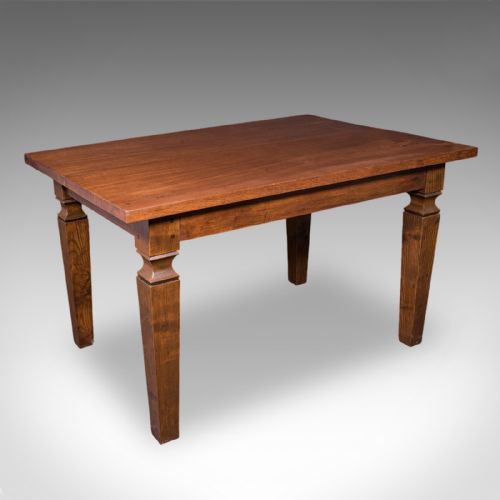
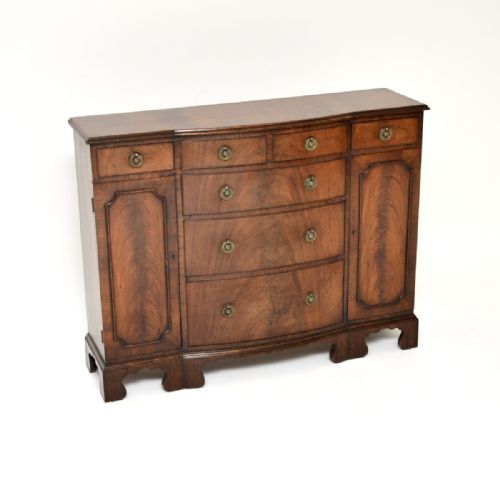
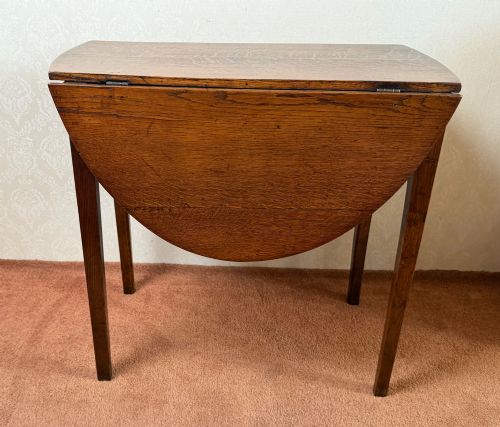
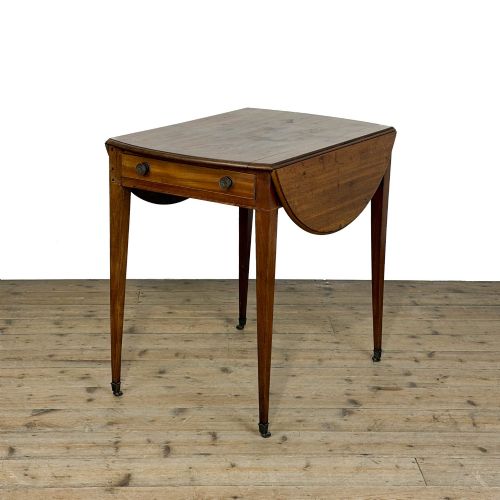
Small Dining Table
When you search for a small dining table, you enter a diverse world of compact historical furniture spanning centuries of domestic life.

Small Dining Table
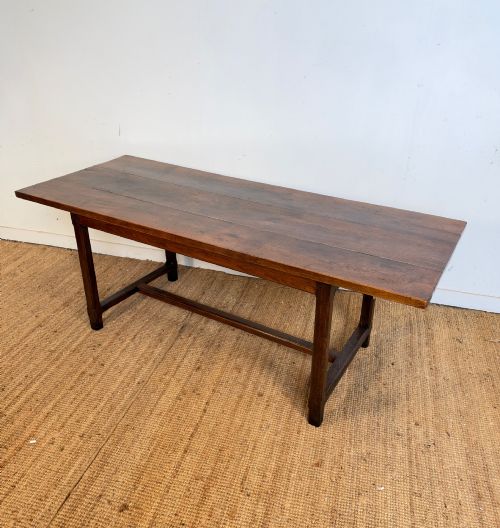
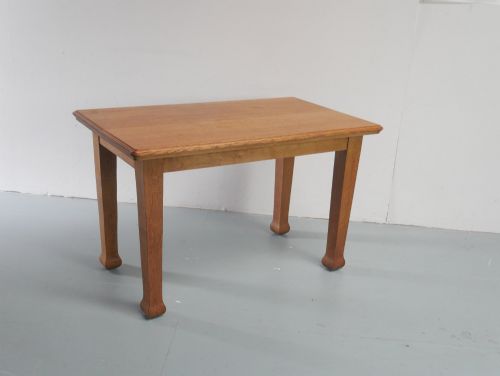
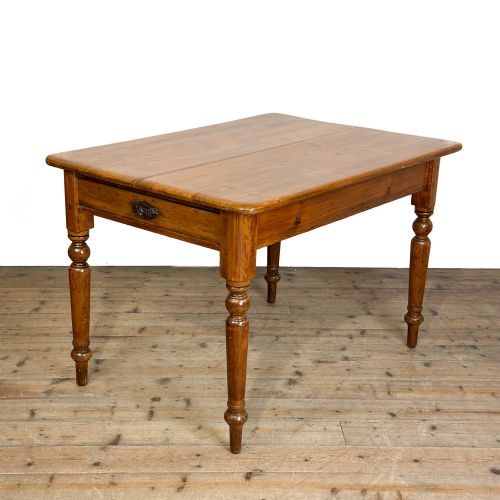
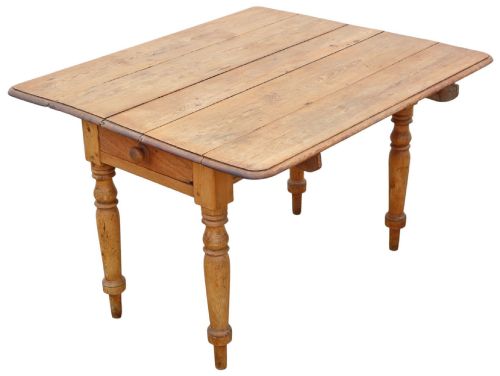
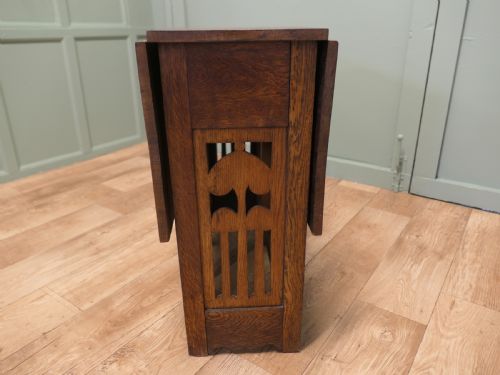
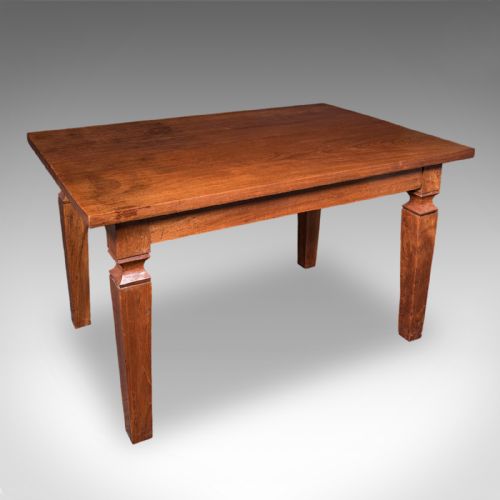
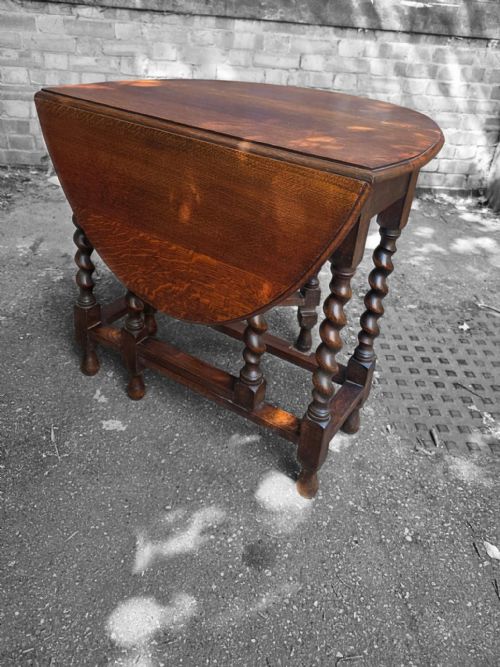
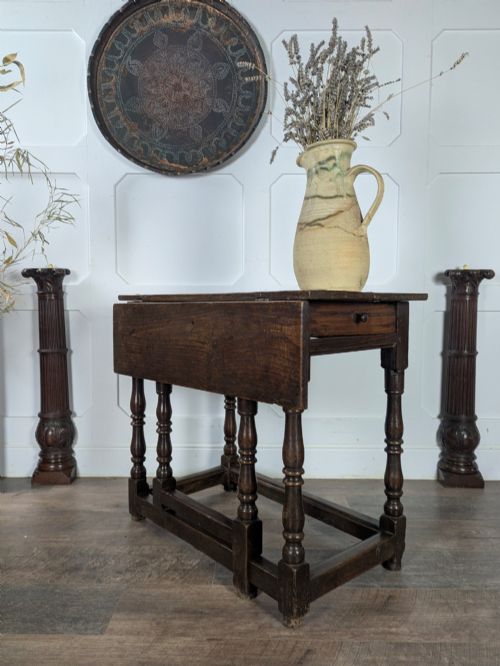
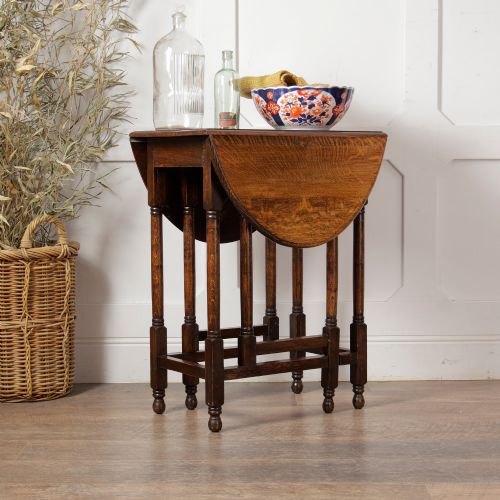
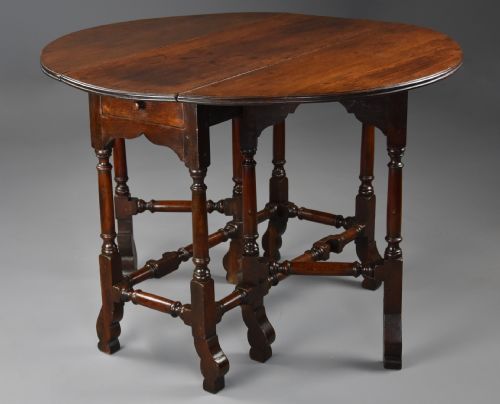
A small dining table fulfils the need for compact seating through ingenious historic forms designed to save space in domestic interiors. When exploring this phrase, buyers encounter everything from gateleg tables and drop-leaf formats to refectory styles and wind-out extending designs. These objects served compact dining rooms, country kitchens, and multi-purpose chambers across the seventeenth, eighteenth, nineteenth, and early twentieth centuries.
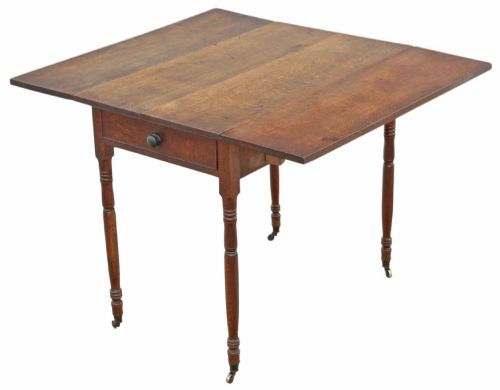
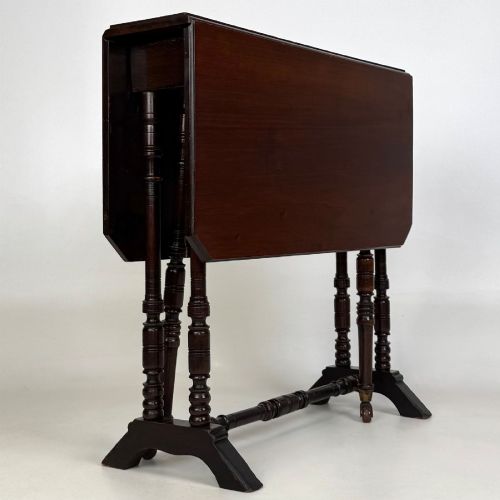
The most common versions on this page are sturdy oak gatelegs and pine kitchen tables originating from the Victorian era and earlier centuries. Alongside these rustic and country variants, mahogany Pembroke and Sutherland tables appear frequently, offering refined surfaces that fold or drop away when not in use. Refectory and farmhouse formats provide sturdy daily utility in solid timbers like fruitwood, elm, and oak.
Period aesthetics range from plain Jacobean styles and Georgian refinement to Victorian utility and Edwardian interpretations. Many pieces blur the line between occasional use and primary dining, reflecting how historic households adapted their living spaces. Whether you seek a four-seater breakfast table or a slender wind-out mahogany extension, the selection captures centuries of ingenious carpentry.
How they were made
Cabinet makers and rural joiners constructed these tables using a palette of domestic and imported hardwoods and softwoods. Oak and mahogany dominate the selection, supported by pine, walnut, fruitwood, elm, and beech. Secondary materials such as brass fittings, iron mechanisms, and ceramic castors appear on specific mechanical variants like extending dining tables and Sutherland tables.
Construction techniques relied heavily on solid timber framing, pegged joints, and hinged drop leaves supported by swing legs or gateleg actions. Master joiners utilised barley twist legs, bobbin turnings, and pad feet to define the silhouettes of earlier centuries, while later Victorian makers incorporated wind-out mechanisms and draw-leaf systems. Patina developed naturally over decades of use through wax polishing and everyday wear on exposed grain.
Small Dining Table Retail Price Guide 2026
Typical asking prices for small dining table among the pieces listed under this phrase on Sellingantiques today, from the lower quarter to the upper quarter. They describe what is for sale here now, not the wider market.
Listings feature timbers including oak, mahogany, pine, walnut, fruitwood, elm, and beech spanning the seventeenth to early twentieth centuries.
What varies in quality
Quality in these compact tables rests upon the selection of timber and the integrity of the original construction. Superior pieces display finely figured veneers, dense red walnut, or well-seasoned quarter-sawn oak with a deep, natural patina. Lesser examples often show indiscriminate timber matching or structural alterations made during later centuries to update a worn frame.
The sophistication of the mechanism also separates standard items from finer works. Smoothly operating drop leaves, sturdy gateleg pivot points, and original brass hardware or winding handles indicate higher workshop standards. Originality of surface finish and minimal timber replacement remain central to the standing of any historical piece.
The Small Dining Table Glossary
- Gateleg table
- A table featuring hinged leaves supported by swing legs that pull out like a gate. This form maximises surface area while folding down compactly against a wall.
- Pembroke table
- A small rectangular table with two hinged drop leaves on opposing sides, frequently fitted with a single end drawer. These were easily moved about Georgian and Victorian drawing rooms.
- Sutherland table
- A narrow drop-leaf table with exceptionally slender leaves and low-profile legs, designed in the Victorian era to fold completely flat for storage.
- Refectory table
- A long, narrow dining table historically used in communal halls, adapted in later centuries into smaller domestic proportions with stout legs and stretcher bases.
- Patina
- The lustrous surface sheen and mellow colour developed by aged timber over decades of handling, polishing, and environmental exposure.
Small Dining Table: Frequently Asked Questions
How do I choose the right size?
Consider your daily seating requirements and the physical footprint of your room when browsing these historic formats. Many drop-leaf and gateleg designs expand only when guests arrive, offering versatile daily footprints.
Measure your floor space carefully, allowing adequate clearance for chairs to pull out comfortably around the perimeter of the table.
Were these tables used daily?
Historic tables served multiple functions within the home, transitioning from meal preparation to dining and needlework. Kitchen and farmhouse examples endured heavy labour, while mahogany Pembroke and Sutherland tables graced formal parlours.
This domestic versatility explains the varied wear patterns and surface patinas found across surviving examples today.
How do I care for antique timber?
Maintain timber surfaces by applying quality beeswax periodically to nourish the grain and preserve the historic patina. Avoid placing tables in direct sunlight or near strong heat sources which can dry out ancient oak and mahogany.
Use coasters and placemats to protect old polished finishes from moisture and sudden temperature changes.
How can I tell the period?
Examine the timber species, joinery methods, and leg turnings to determine the likely era of manufacture. Seventeenth and eighteenth-century pieces often display pegged oak frames and hand-turned bobbin or barley twist legs, while Victorian examples introduce mahogany veneers and mechanical wind-out systems.
Tool marks, fixings, and the character of the timber surface provide further clues to dating.