


Dark Wood Tilt Table
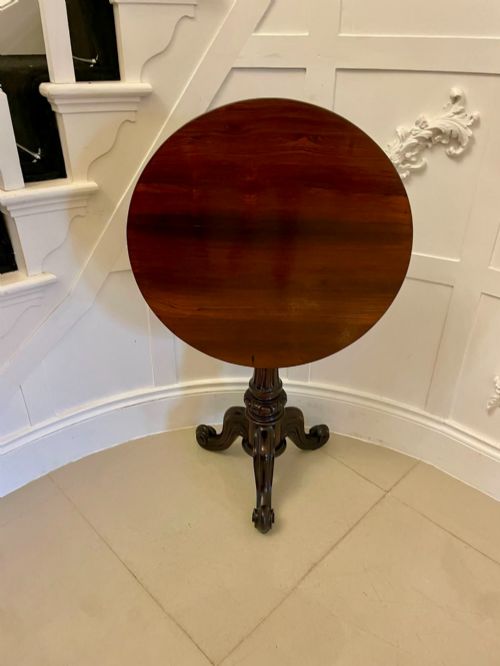
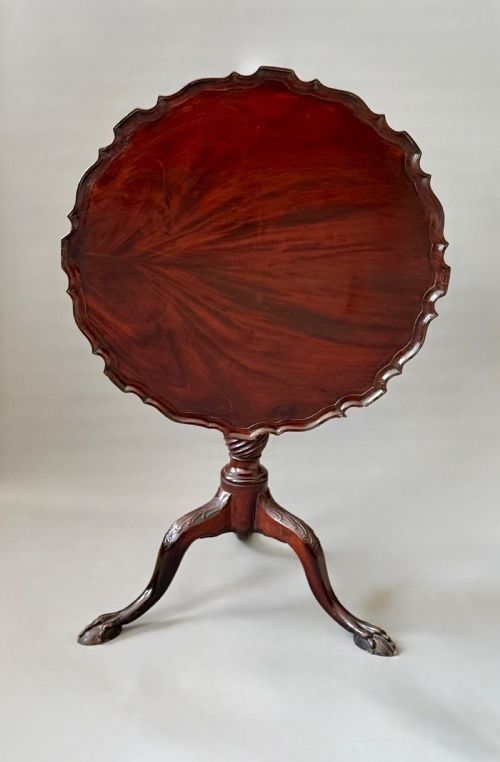
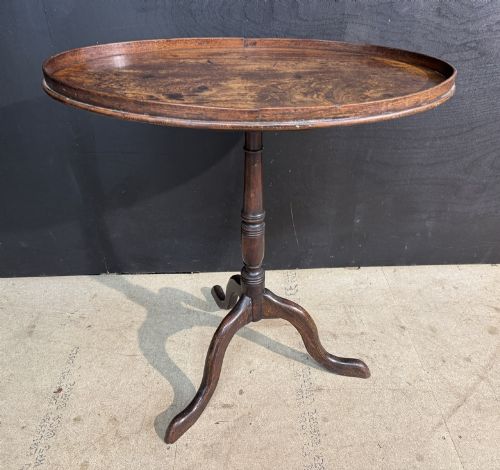
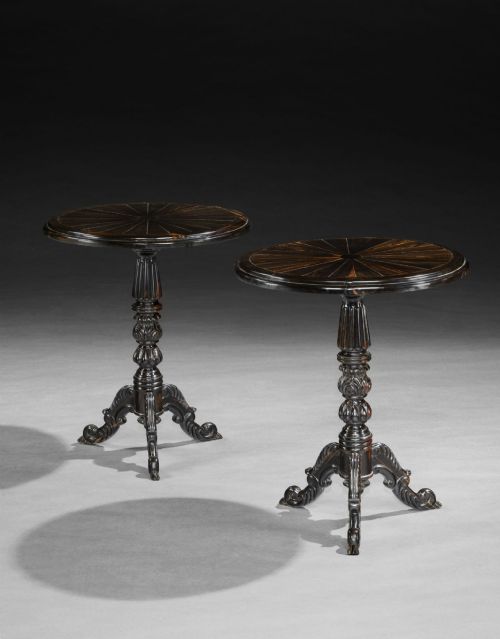
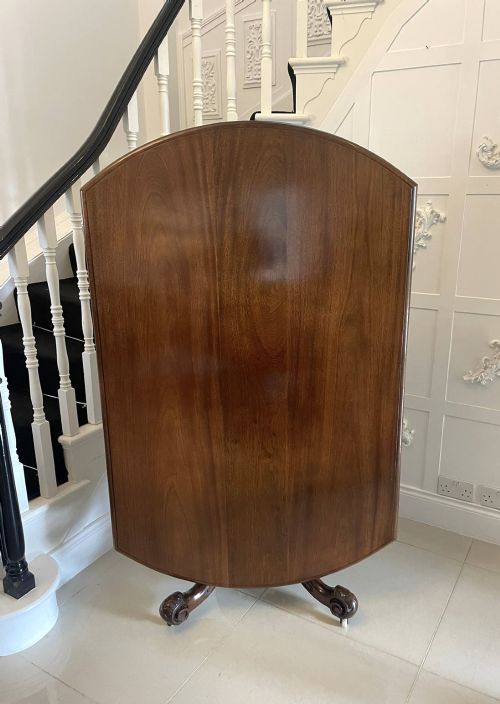
These dark wood tilt tables fold away neatly when not in use, offering both practical surface space and centuries of classic cabinet-making.
What these pieces are
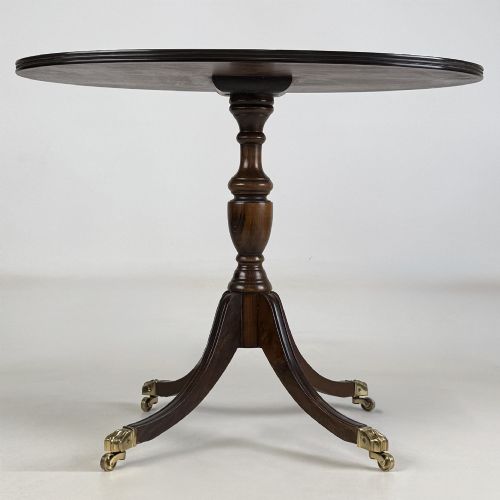
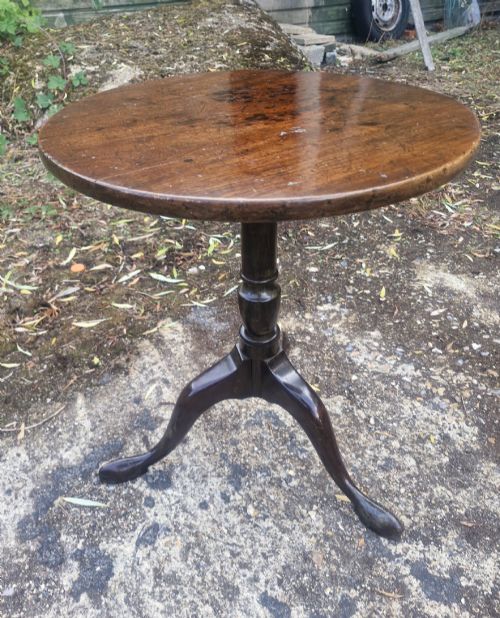
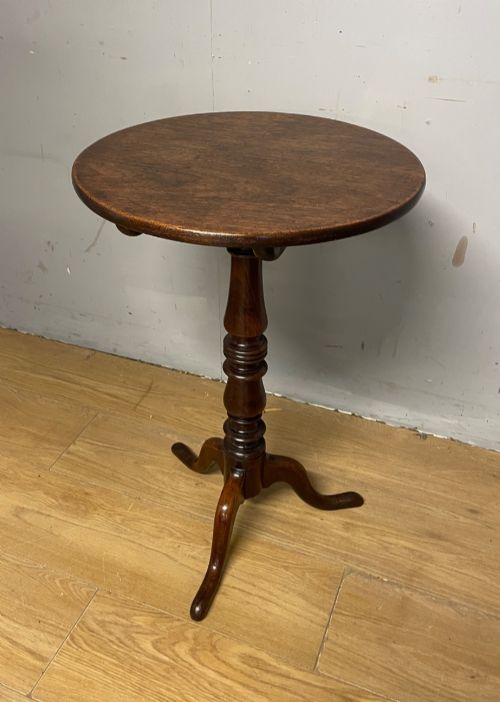
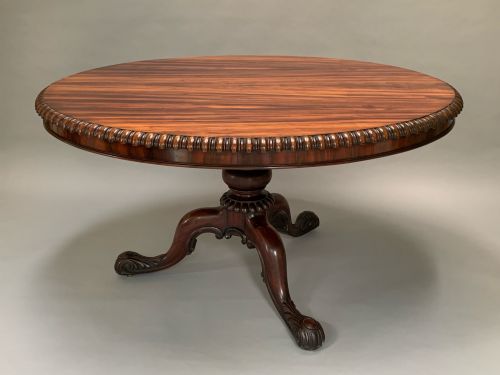
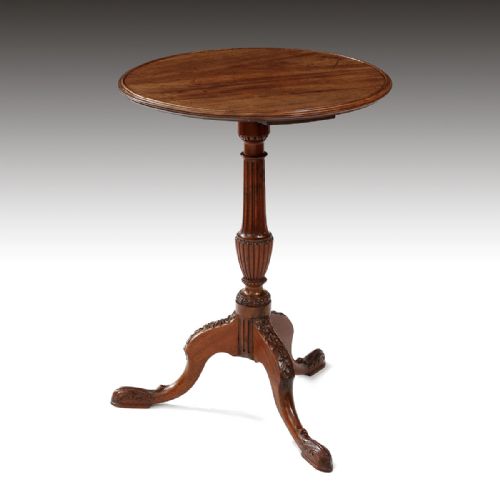
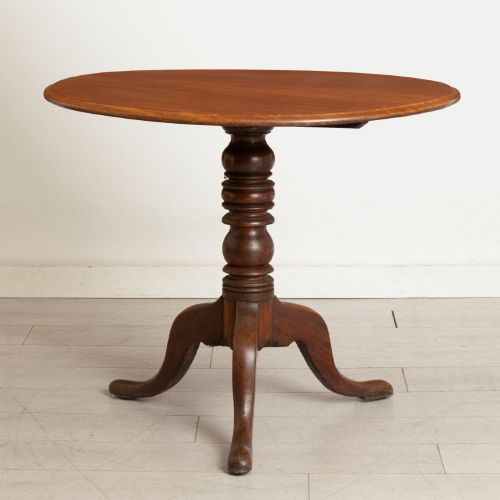
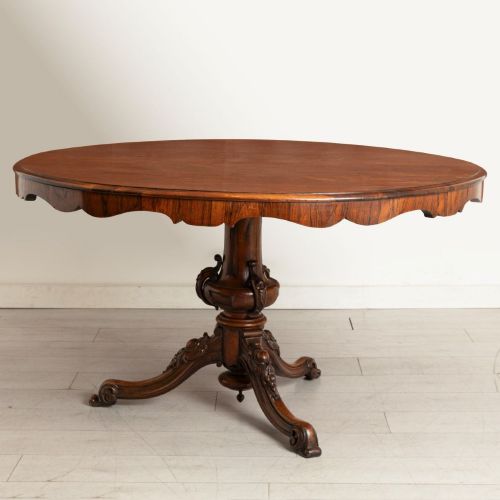
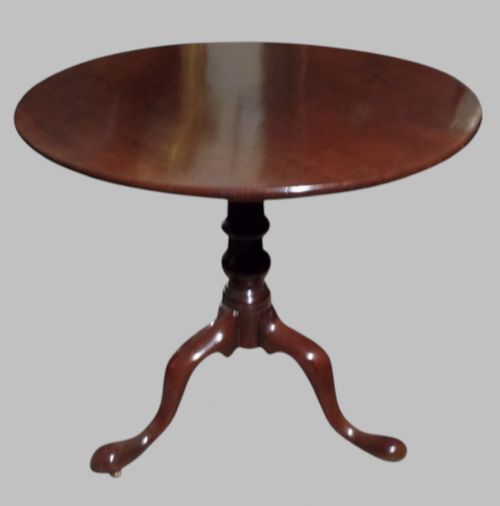
When you search for dark wood tilt table, you find a practical form designed to save space in period homes. These pieces appear in Georgian, Regency, and Victorian iterations, spanning occasional, dining, and breakfast tables.
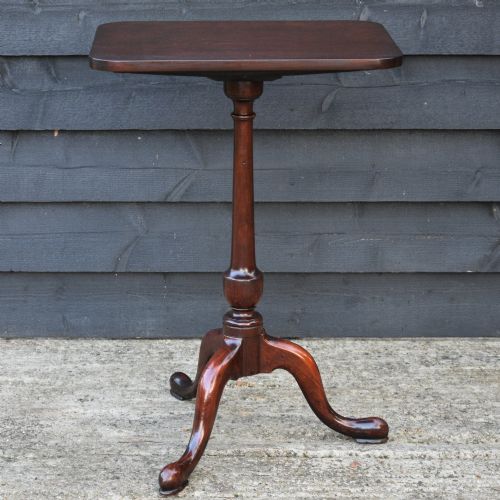
The versions you meet most often on this page utilise rich timbers such as mahogany and rosewood. Their tops tilt on a central pivot, supported by sturdy tripod bases or pedestal columns.
Examples range from small occasional items to larger dining formats. Each retains the functionality that made them popular in British drawing rooms and dining parlors.

How they were made
Cabinet-makers selected dense timbers, employing Cuban mahogany, standard mahogany, and rosewood veneer to construct the tops and bases. Some surfaces feature single-piece timber construction, demonstrating the availability of mature trees during the eighteenth and nineteenth centuries.
Joinery techniques included the bird cage mechanism, which allowed the top to both tilt and rotate. Metal components such as brass fastenings frequently secured the moving parts, ensuring smooth articulation.
Retail Price Guide 2026
Typical UK retail prices for dark wood tilt table, calculated from the Sellingantiques database of over a million retail prices indexed since 2003. This retail price guide relies exclusively on Sellingantiques data; no external sources or auction records are used, so the figures do not describe the wider market.
A bird cage mechanism lets the top spin like a compass before it tips, hiding a miniature timber enclosure beneath.
What varies in quality
Quality rests in the selection of the timber and the sophistication of the mechanism. Finer examples utilise single-piece tops and robust Cuban mahogany, while others rely on rosewood veneer over secondary woods.
The stability of the tripod base and the precision of the tilt mechanism distinguish standard utility pieces from finer items made for formal reception rooms.
The Dark Wood Tilt Table Glossary
- Tilt-top table
- A table with a hinged top that rotates and pivots to a vertical position for storage. This clever design allowed owners to push the furniture against a wall when the room was needed for other activities.
- Bird cage
- A timber framework beneath the table top that enables both rotation and tilting. It uses small wooden spindles reminiscent of an aviary.
- Tripod base
- A support structure featuring three legs radiating from a central pillar. This configuration ensured the table remained stable on uneven floors.
- Cuban mahogany
- A dense, dark timber prized by Georgian cabinet-makers for its rich grain and deep colour. It gained popularity due to its strength and ability to take a fine polish.
Frequently Asked Questions
What is a tilt top table?
A tilt top table is a piece of furniture featuring a hinged top that swings from horizontal to vertical. This allows the table to be stored flat against a wall when not in use.
Such designs proved essential in historic homes where rooms served multiple purposes throughout the day.
How do I date a tilt table?
Dating relies on observing the timber species, base construction, and overall style. Georgian examples often feature tripod bases and Cuban mahogany, while Victorian pieces may utilise rosewood veneer.
Examining the mechanism underneath also provides clues regarding the period of manufacture.
Were these tables used for dining?
Larger Regency and Victorian versions functioned as dining or breakfast tables. Their tilting mechanism allowed servants to clear the room quickly after a meal.
Smaller formats served as occasional or tea tables in drawing rooms.
What is a bird cage mechanism?
The bird cage is a revolving wooden frame fitted beneath the table top. It permits the surface to spin horizontally as well as tilt vertically.
This sophisticated joint separates better quality pieces from simpler designs.