


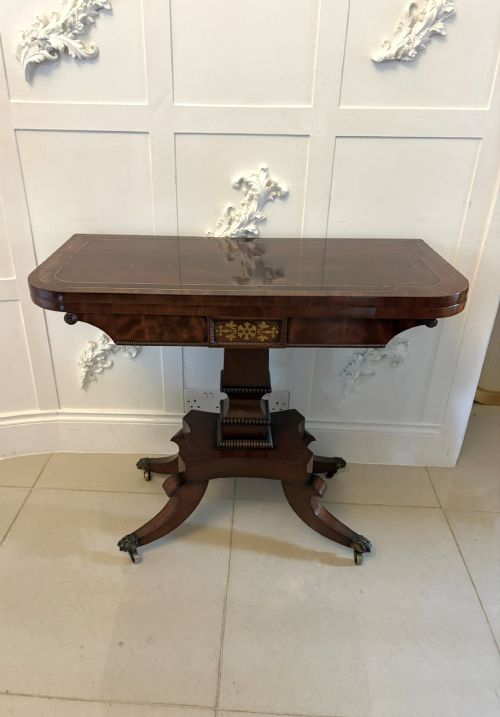
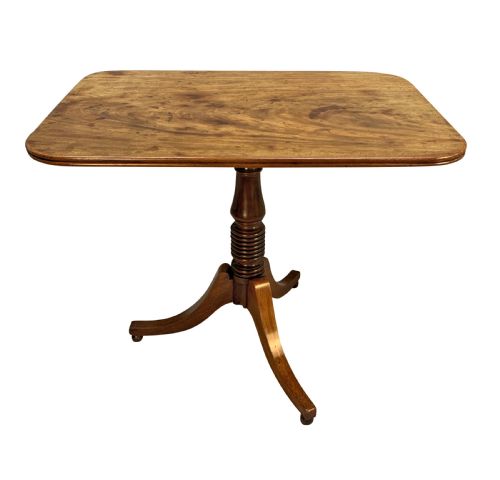
Brown Mahogany Tea Table
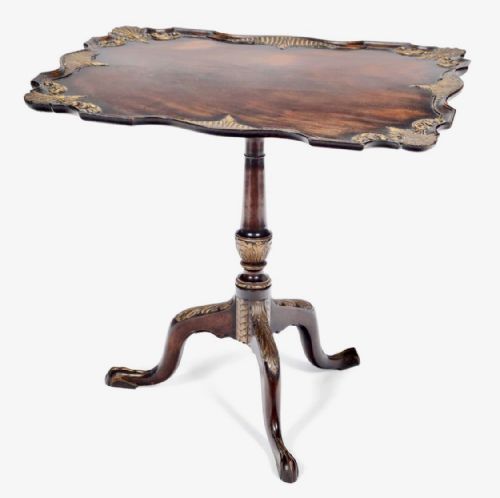
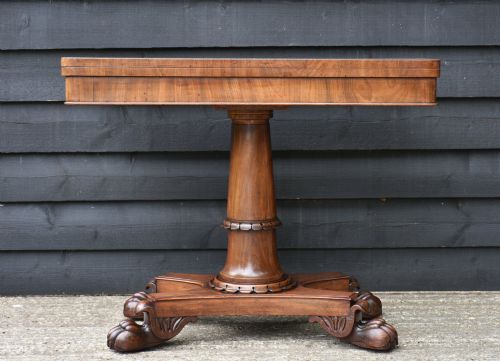
Brown mahogany tea table pieces combine practical folding surfaces and tripod bases with rich timber surfaces.
Defining the brown mahogany tea table
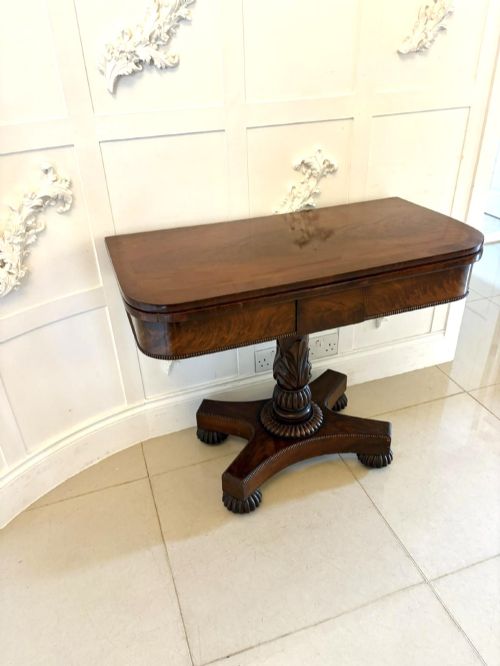
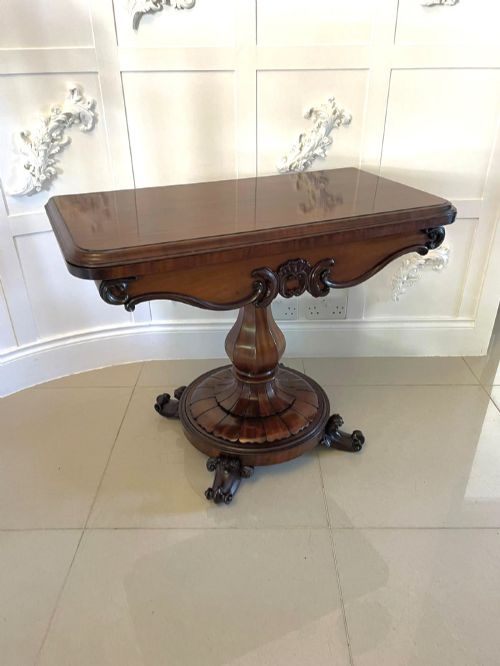
A brown mahogany tea table provides a stable surface for social hosting, appearing across Georgian and Sheraton Revival periods in forms designed for flexibility. Buyers seek these items for their rich timber tones and versatile function in modern interiors.
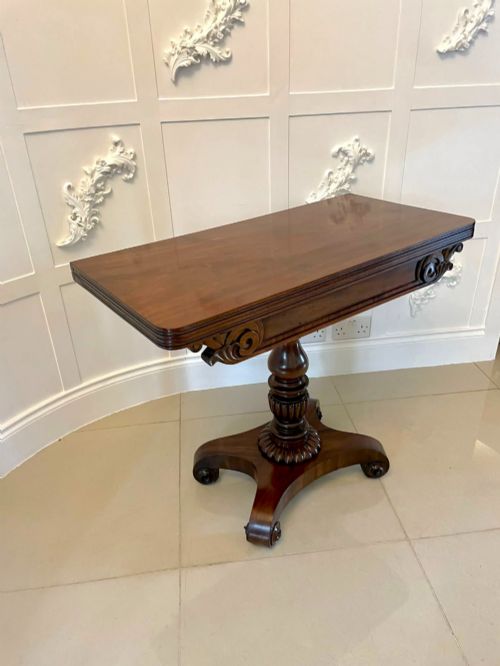
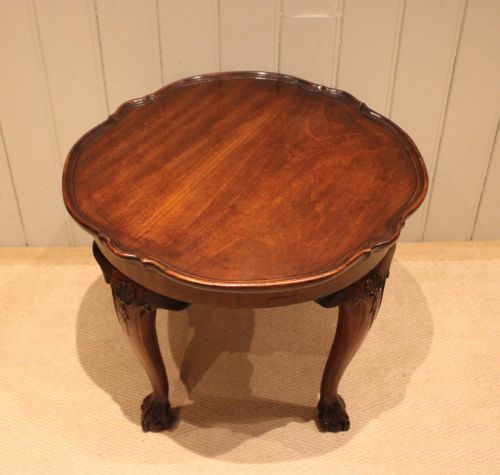
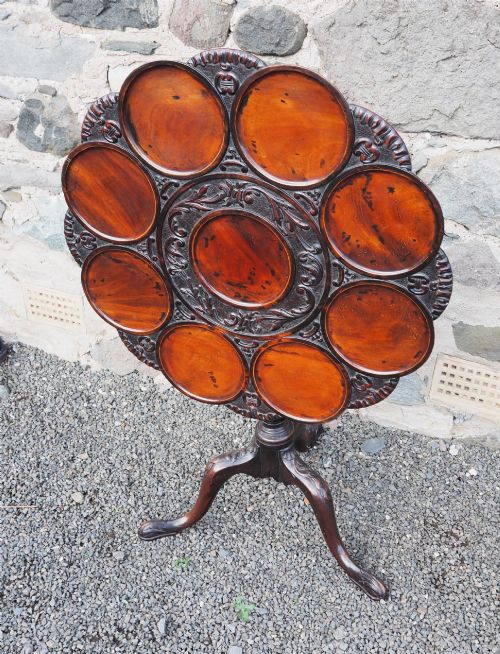
The selections on this page span several functional formats including card tables, games tables, occasional tables, and tray top tripod tables. Originating primarily from the eighteenth century alongside later nineteenth-century revivals, these furnishings display classic proportions.
Tripod designs feature prominently alongside fold-over surfaces and kidney-shaped occasional formats. These variations offer collectors options ranging from pedestal tea tables to dual-purpose gaming and card surfaces.
Materials and construction methods
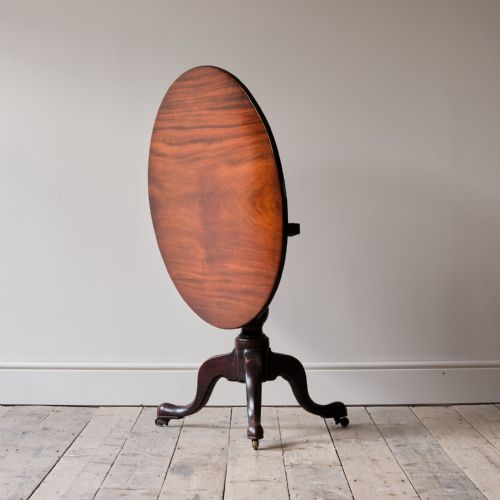
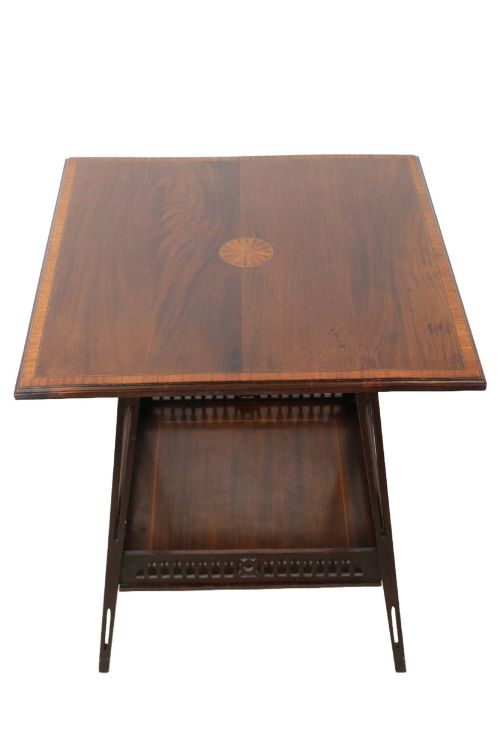
Construction relies heavily on solid mahogany timber, frequently enhanced with contrasting boxwood and satinwood inlay details. Certain tripod variants incorporate clever mechanical elements like bird cage mechanisms and one-piece timber tops.
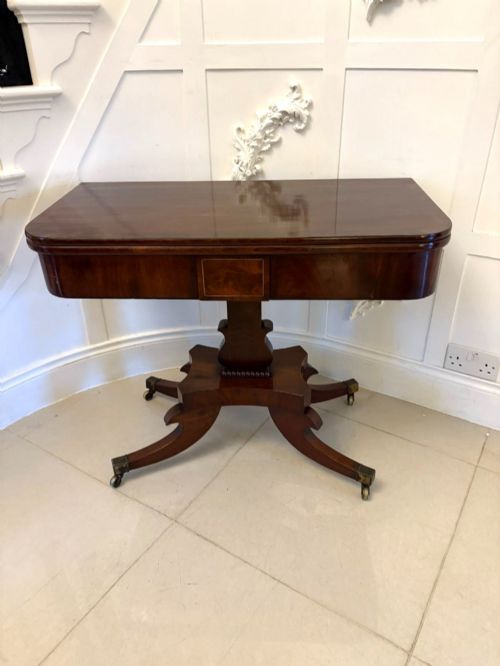
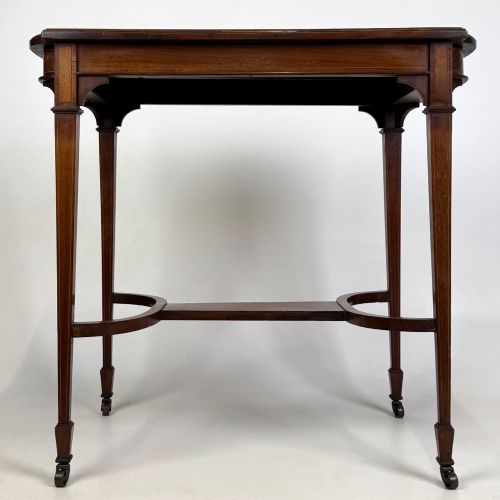
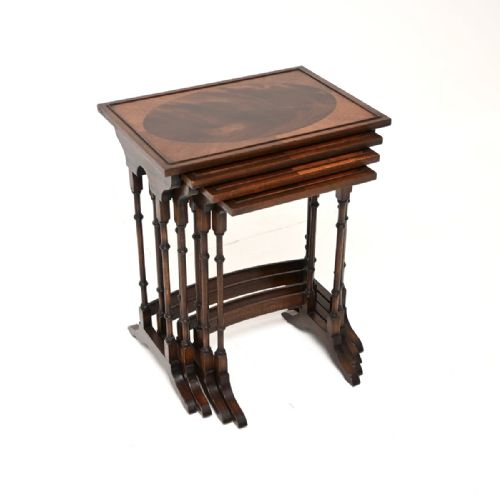
Hardware elements such as brass components appear alongside intricate boxwood inlay work, showcasing traditional cabinet-making skills. The integration of satinwood banding and fine inlay characterises the refined Sheraton Revival examples.
Retail Price Guide 2026
Typical UK retail prices for brown mahogany tea table, calculated from the Sellingantiques database of over a million retail prices indexed since 2003. This retail price guide relies exclusively on Sellingantiques data; no external sources or auction records are used, so the figures do not describe the wider market.
Current listings feature mahogany timber combined with satinwood, boxwood inlay, and brass hardware across Georgian and 1900 periods.
Assessing quality and craftsmanship
Quality reveals itself through the selection of timber, particularly the grain figuration on one-piece table tops and fold-over leaves. Superior examples demonstrate precise inlay work in boxwood and satinwood, where every decorative element aligns seamlessly with the underlying mahogany structure.
Construction integrity separates standard production from exceptional cabinet-making, especially in the movement of tripod mechanisms and bird cage pivots. The finesse of carved tripod legs and the accurate alignment of fold-over card table tops indicate the level of initial workshop investment.
The Brown Mahogany Tea Table Glossary
- Tripod table
- A small freestanding table supported by a central pillar resting on three spreading feet. This design became immensely popular during the Georgian era for serving tea or displaying decorative objects.
- Bird cage
- A rotating wooden framework beneath a table top that allows the surface to tilt and turn. This mechanism facilitates compact storage when the table is not in use.
- Card table
- A folding table specifically designed for parlour games and card playing, usually featuring a lined interior surface. These pieces often double as console tables when closed against a wall.
- Satinwood
- A durable, lustrous yellow timber utilised for decorative stringing and contrasting inlay work. Cabinet-makers favoured it during the Sheraton Revival period to create bright borders on dark mahogany surfaces.
Frequently Asked Questions
How do I use these tables today?
These tables function well as side surfaces, display pedestals, or accent pieces in living areas and hallways. Fold-over card tables can remain closed against a wall as console surfaces or open up for dining and games.
Tripod tables suit corners or beside seating where a compact footprint is required. Their classic aesthetic complements both traditional and contemporary interior design schemes.
What distinguishes Georgian from Sheraton Revival pieces?
Georgian pieces date from the eighteenth century, showcasing authentic period construction, solid mahogany timbers, and functional mechanisms like bird cage pivots. They represent the original era of domestic tea drinking and social entertaining.
Sheraton Revival items date around 1900, reflecting later appreciation for eighteenth-century design principles. These later interpretations often incorporate elaborate satinwood and boxwood inlay work upon mahogany foundations.
What is a bird cage mechanism?
A bird cage is a revolving wooden collar situated beneath a table top that allows the surface to tilt vertically and rotate horizontally. This clever piece of joinery enabled eighteenth-century owners to tuck tables away flat against walls when not hosting tea.
Finding a smooth-working bird cage indicates careful historical joinery. It remains a hallmark of better quality tripod tables from the Georgian period.