


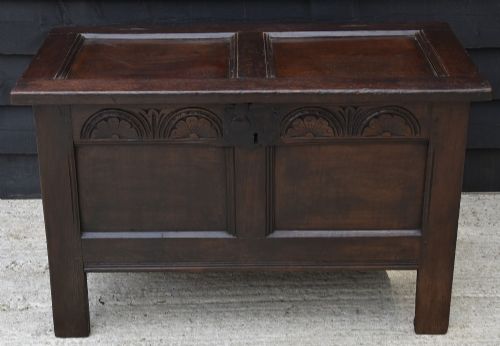
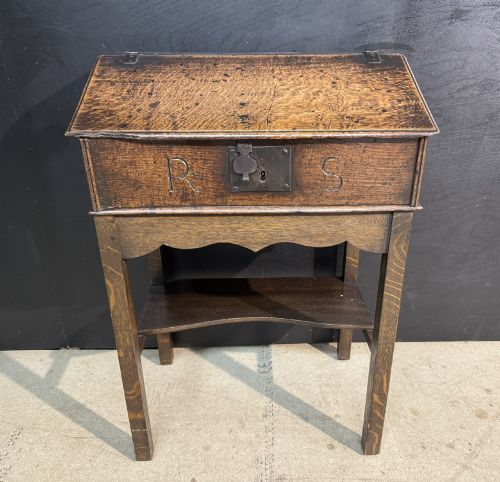
Jacobean Carved Oak Box
When you search for a jacobean carved oak box, you meet sturdy storage timber shaped by centuries.
Jacobean Carved Oak Box
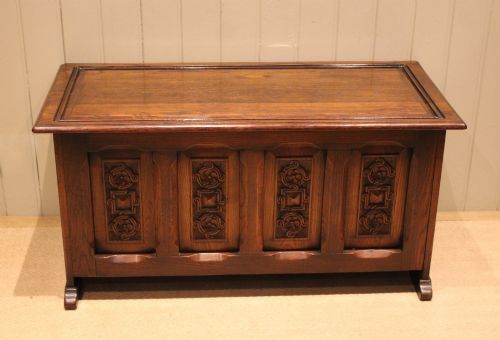
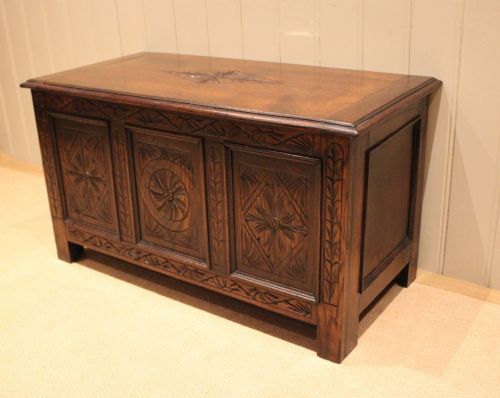
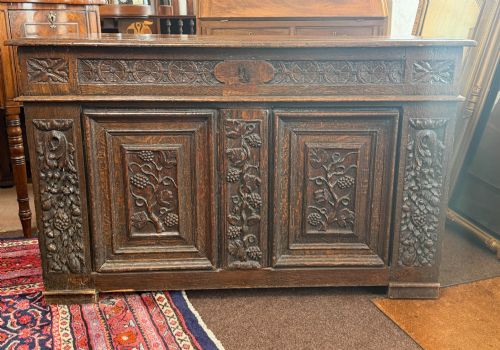
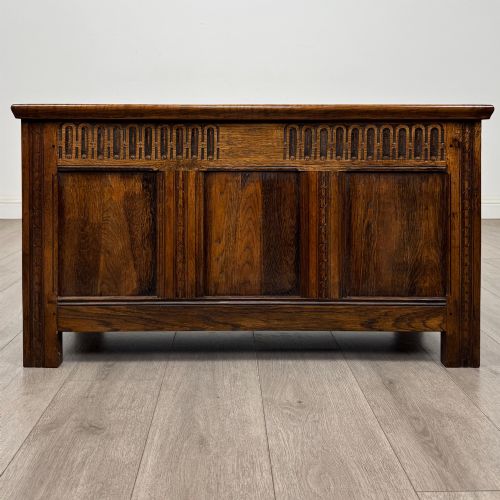
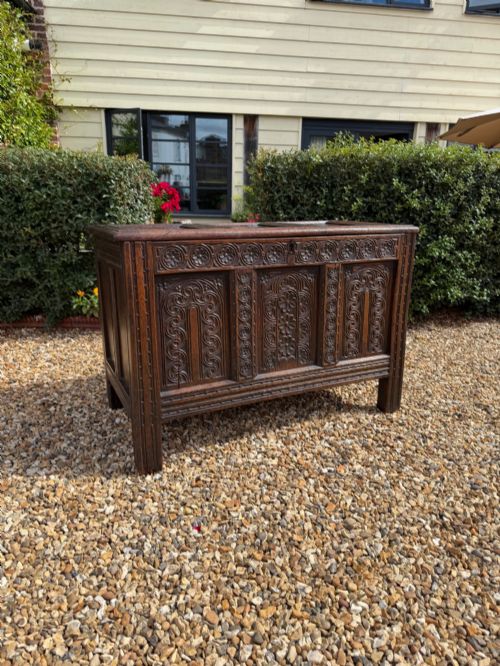
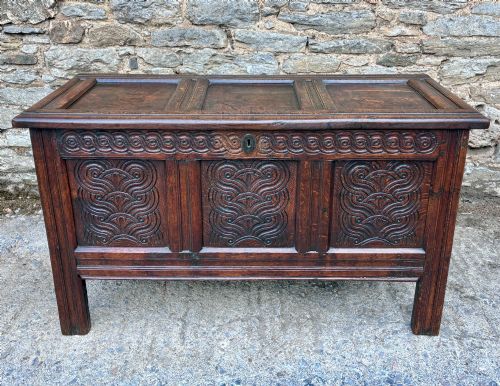
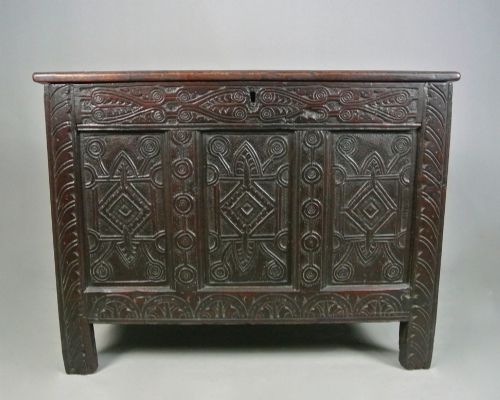
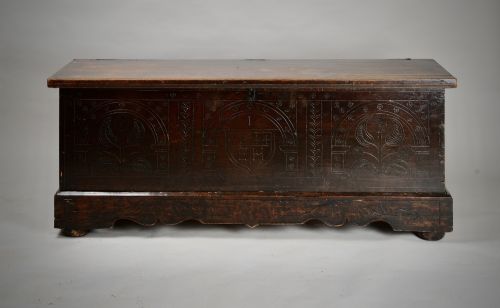
A jacobean carved oak box serves as a utilitarian container built to safeguard valuables, documents, or textiles in domestic interiors. These pieces appear frequently as small table boxes, bible boxes, and writing slopes alongside larger coffers.
The material record spans genuine seventeenth-century examples down to revival pieces made across the Victorian, Edwardian, and twentieth-century periods. Buyers encounter solid timber construction modified through panelled fronts and hinged lids.
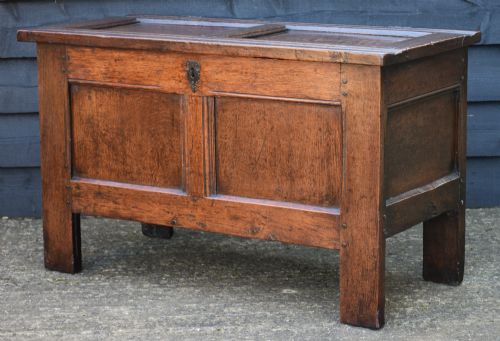
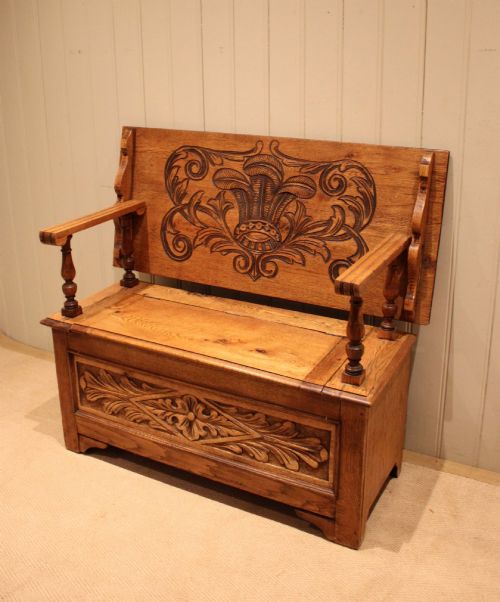
Many items display regional characteristics typical of English country house furniture, ranging from simple boarded joints to joined frames. Smaller formats include wall-hanging cupboards and box stools designed for domestic utility.
Materials and Construction Techniques
Makers utilised solid oak boards joined by pegged mortise and tenon joints to build sturdy box structures. Iron hinges and brass fittings provide the functional hardware required for lids and drop fronts.
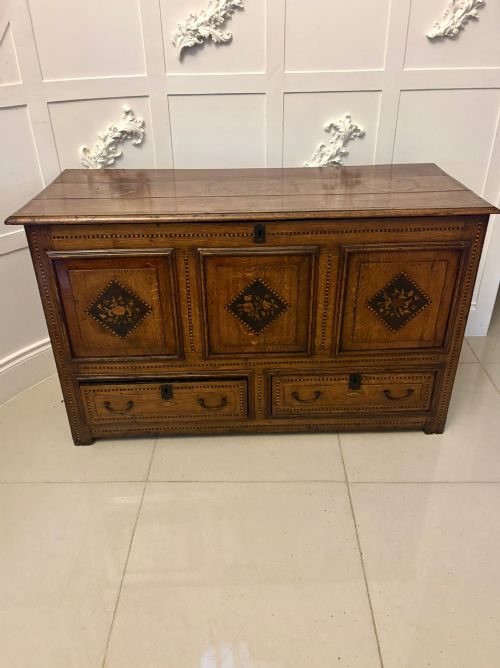
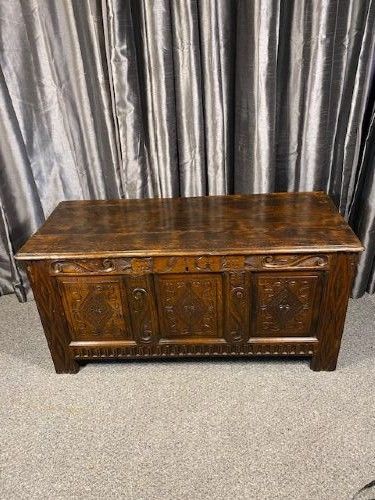
Carving technique defines the surface decoration, featuring geometric strapwork, scrolling foliage, and punchwork details applied directly to the timber. Marquetry inlay appears on select examples, incorporating mixed woods to create contrasting patterns.
The listings span from the seventeenth century through to 1930, uniting oak, iron, and brass across coffers, settles, and bible boxes.
Distinctions in Quality
Quality rests in the crispness of the hand-carved detail and the integrity of the original timber construction. Superior pieces maintain their original surface patination and uncompromised joined frames.
Later revival iterations often display mechanical uniformity in their decoration compared to the varied, hand-rendered execution seen on period examples. The presence of internal compartments and original ironwork elevates the character of the box.
The Jacobean Carved Oak Box Glossary
- Coffer
- A large wooden chest used for storage, often featuring a hinged lid and panelled construction. These pieces form a primary category within early furniture.
- Bible box
- A small desktop box historically used to store religious texts and writing materials. They frequently feature sloping lids for reading or writing.
- Marquetry
- A decorative technique applying pieces of veneer to a structure to form geometric or pictorial designs. Mixed woods create tonal contrast on the surface.
- Joined oak
- Furniture constructed using interlocking mortise and tenon joints secured with wooden pegs. This method replaced earlier boarded construction.
Jacobean Carved Oak Box: Frequently Asked Questions
How do I date a carved oak box?
Dating relies on examining the construction methods, tool marks, and wood shrinkage patterns visible across the piece. Period examples from the seventeenth century show hand-led joinery and distinct patination developed through age.
Revival pieces made during the Victorian and Edwardian eras often utilise machine-sawn timber and standardised hardware. Comparing the style of the carved strapwork to documented historical periods helps confirm the timeline.
What were these boxes used for?
These boxes provided secure storage for household documents, textiles, bibles, and personal valuables before fitted closets became common. Smaller formats functioned as writing slopes or portable desks for correspondence.
Table boxes sat on surfaces to hold small items, while larger coffers stored blankets and clothing at the foot of beds. Their sturdy construction allowed them to double as seating when necessary.
How should I care for antique oak?
Maintain stable humidity levels and keep wooden boxes away from direct heat sources to prevent the oak from splitting. Dust regularly with a soft, dry cloth without applying modern chemical polishes.
Occasional applications of traditional beeswax help nourish the timber and preserve the historic surface shine. Avoid placing damp items directly onto the oak surface.
What is the difference between a coffer and a box?
A coffer typically refers to a large storage chest designed to sit on the floor or on a low base. These units often feature heavy panelled construction and substantial timber thickness.
A box usually describes a smaller container meant to rest on a table, desk, or wall bracket. Bible boxes and writing slopes fall into this smaller category.