

Antique Wooden Writing Box
An antique wooden writing box is a portable desk built to keep correspondence and ink safe, offering enduring tactile pleasure.
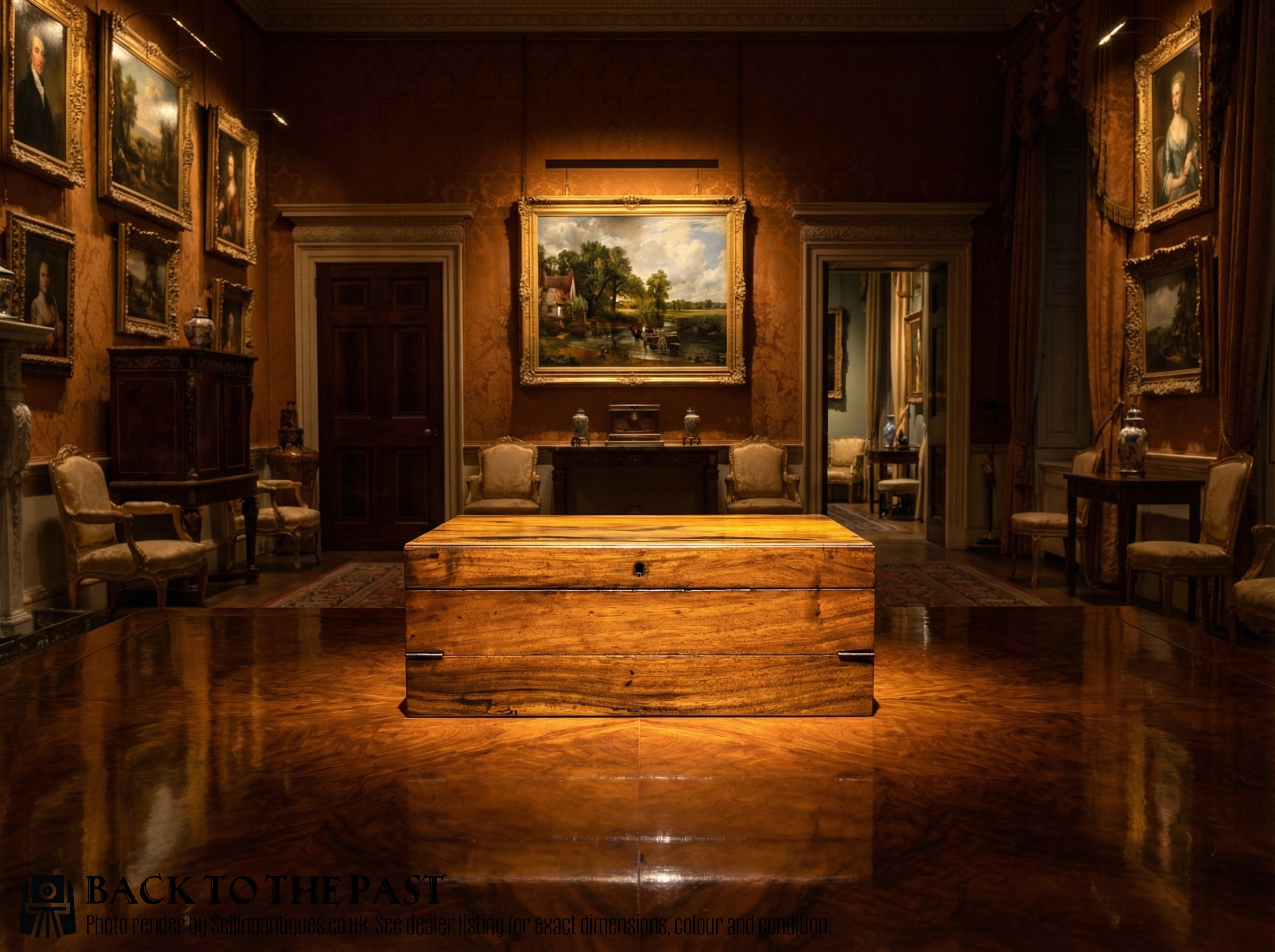
Antique Wooden Writing Box
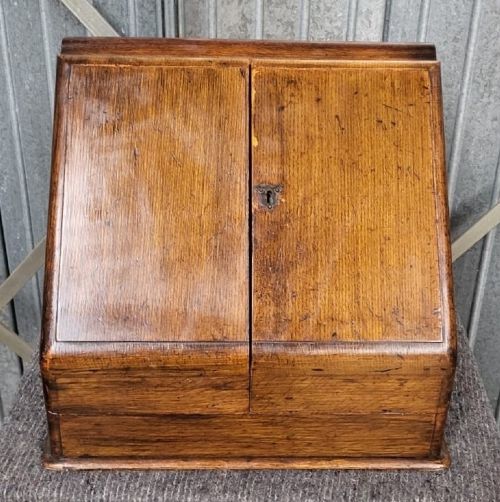
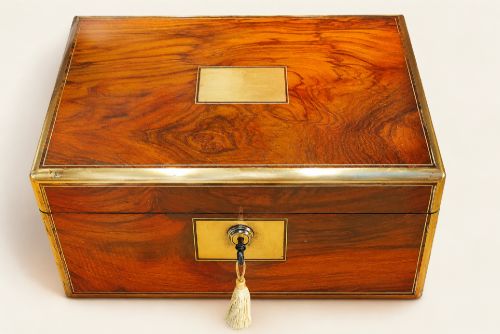
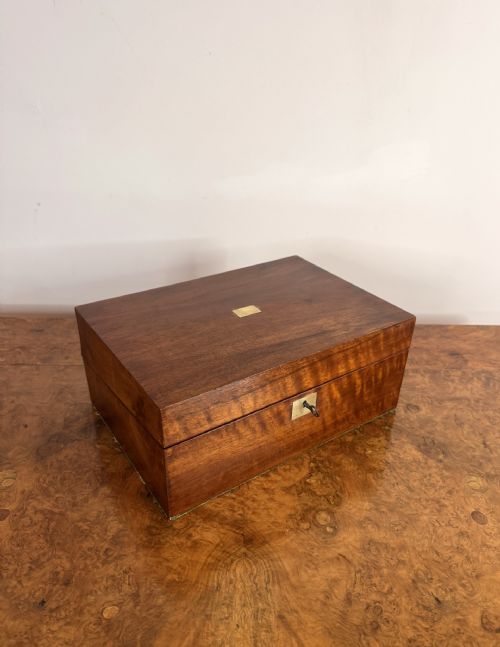
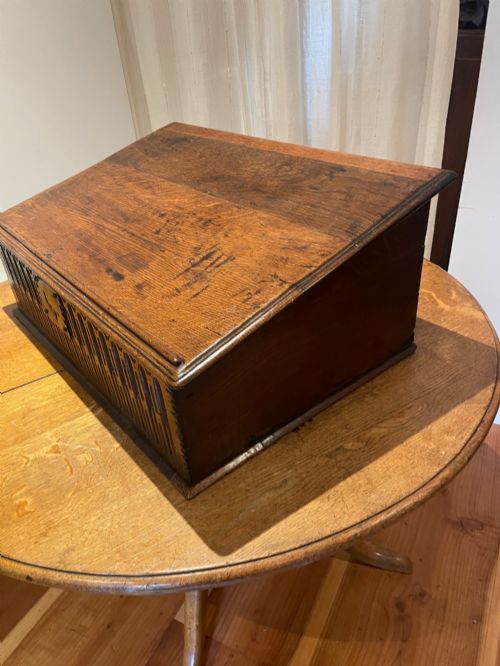
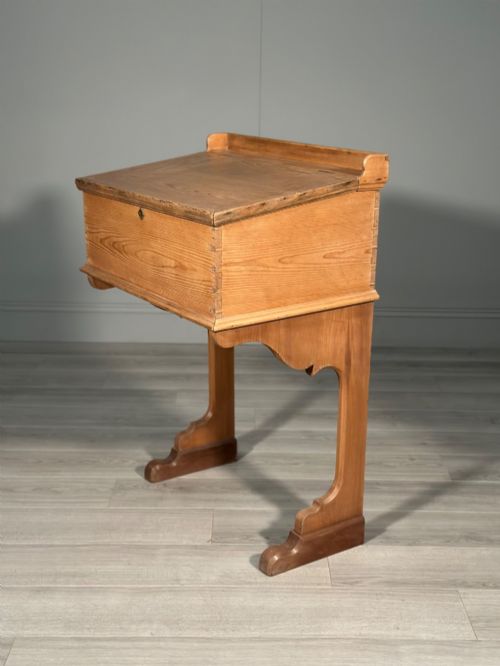
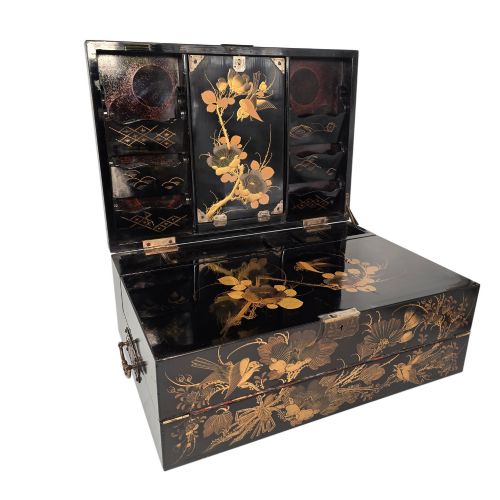
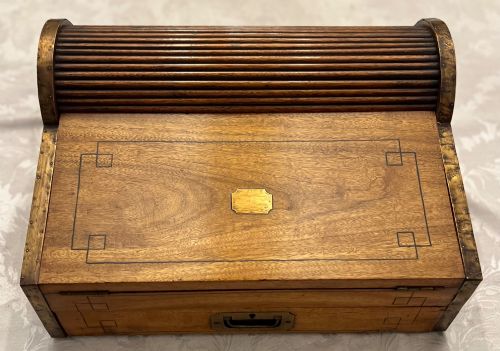
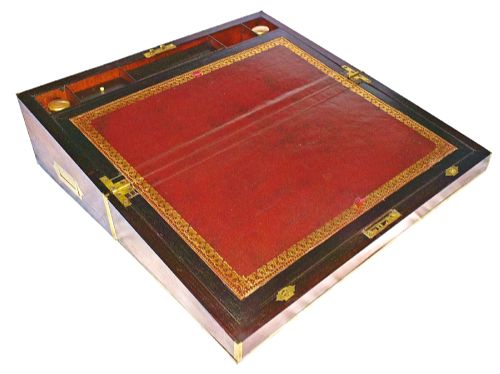
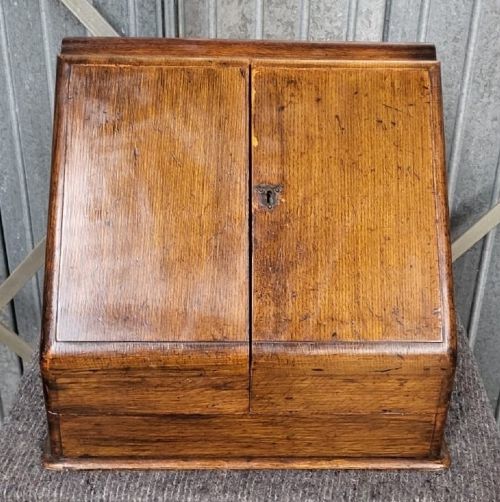
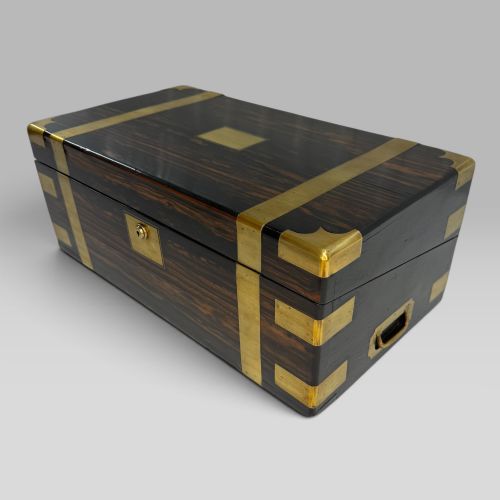
An antique wooden writing box brings together portable desk forms, slope boxes, and correspondence chests from the seventeenth century through to the Edwardian period. Buyers examining this page encounter pieces fashioned from oak, mahogany, rosewood, and burr walnut, reflecting domestic and campaign use over centuries.
The selection ranges from early seventeenth-century desk and table boxes in oak to nineteenth-century William IV and Victorian writing slopes, alongside Edwardian technical drawing sets and carved letter boxes. These containers span Jacobean, Georgian, and Victorian styles, each showing the specific cabinetry of its era.
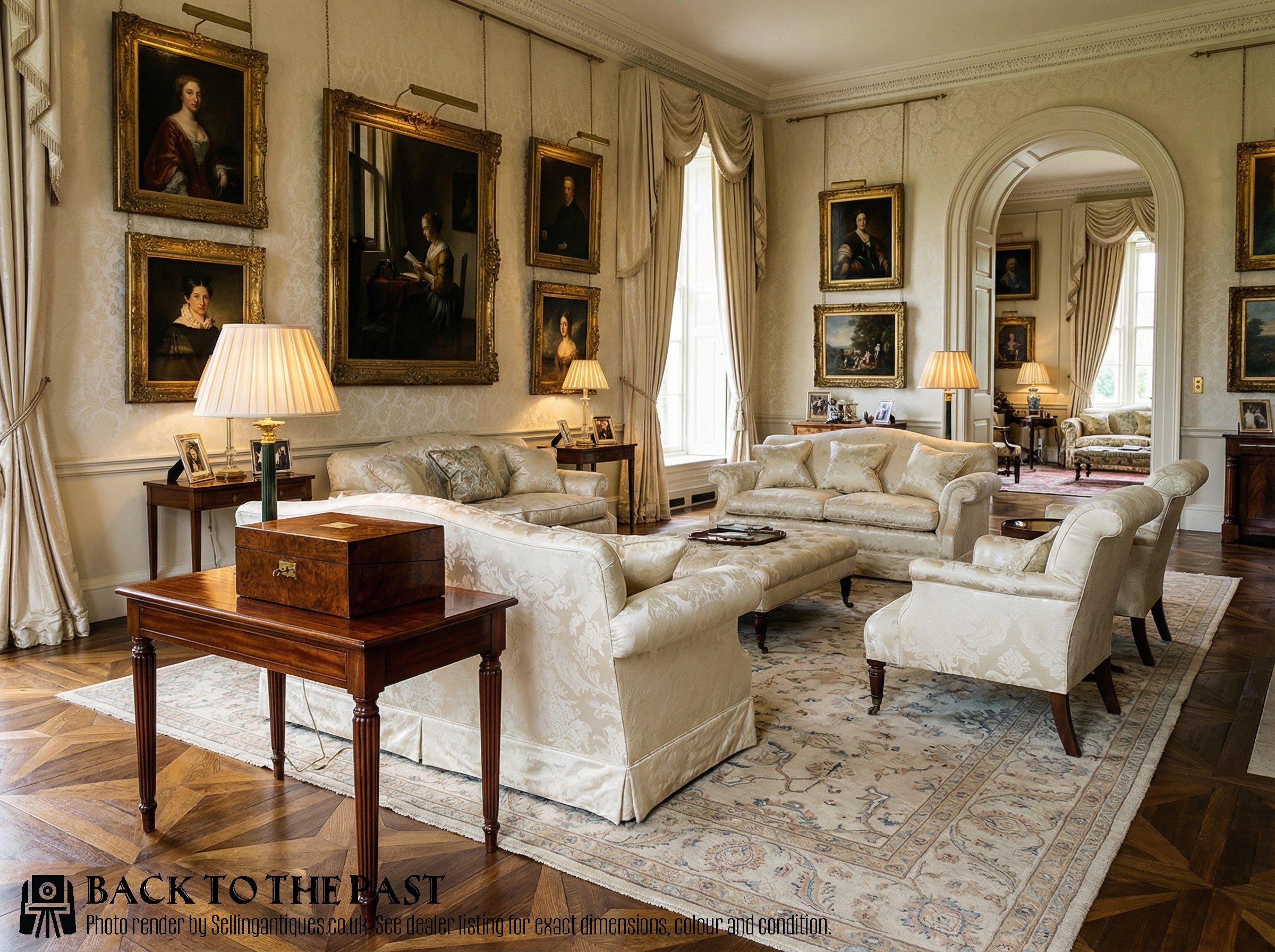
How they were made
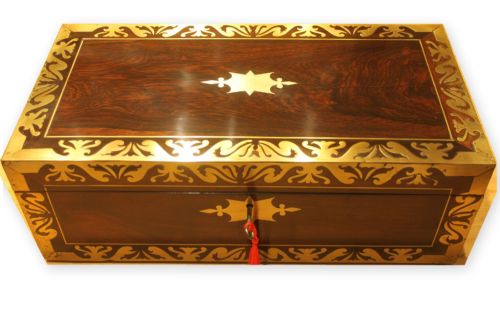
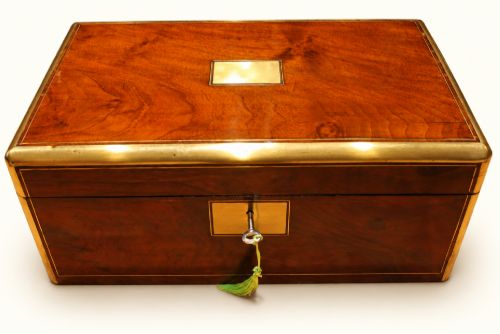
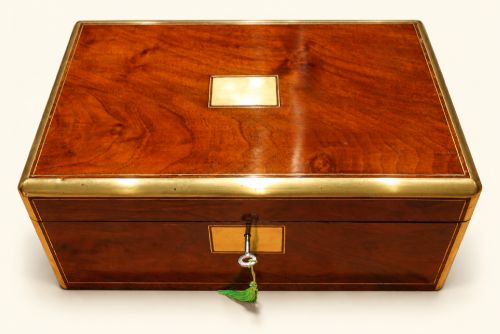
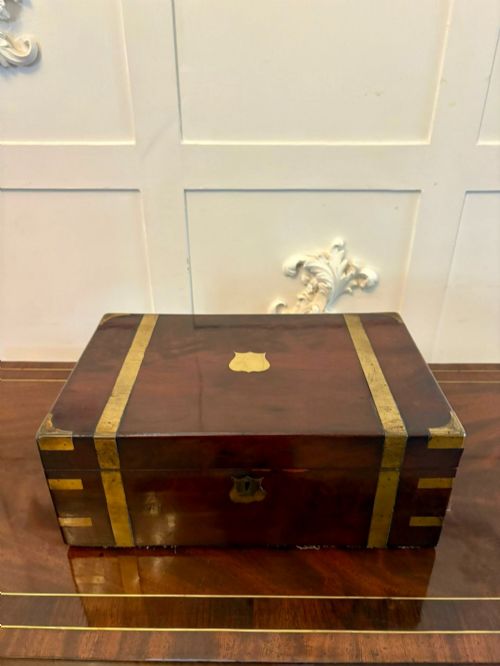
Cabinetmakers utilised robust timbers including oak, mahogany, and rosewood, often enhanced with burr walnut veneers. Metalwork components such as brass, iron, and silver provide structural reinforcement and decorative hinges, escutcheons, and locks.
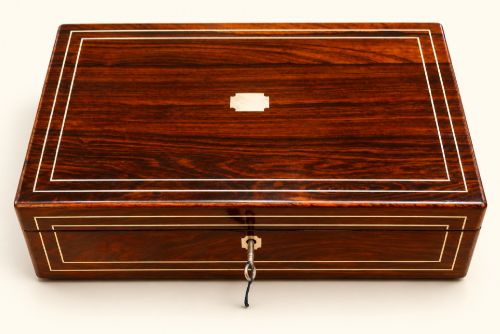
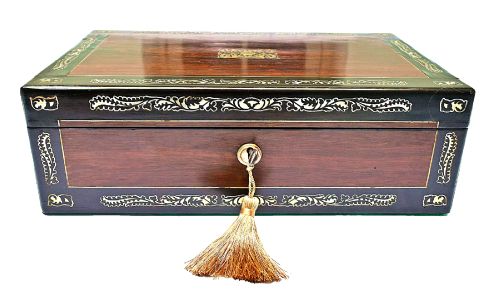
Surface decoration ranges from seventeenth-century carved woodwork to nineteenth-century inlay, sometimes incorporating mother of pearl details. Construction methods align with the domestic and campaign requirements of each period, ensuring durability for portable use.
Antique Wooden Writing Box Retail Price Guide 2026
Typical asking prices for wooden writing box among the pieces listed under this phrase on Sellingantiques today, from the lower quarter to the upper quarter. They describe what is for sale here now, not the wider market.
Even technical drawing sets found their home in mahogany cases, proving that early draughtsmen liked their tools properly dressed.
What varies in quality
The distinction between standard examples and finer pieces lies in the selection of timber, such as highly figured burr walnut or dense mahogany, and the precision of the cabinetwork. Decorative elements like brass mounts and mother of pearl inlay demonstrate the maker's hand.
Condition and integrity define the upper tier of these boxes, where original hinges, locks, and fitted interiors remain intact. The harmony between the structural woodwork and the applied metal hardware dictates the character of each piece.
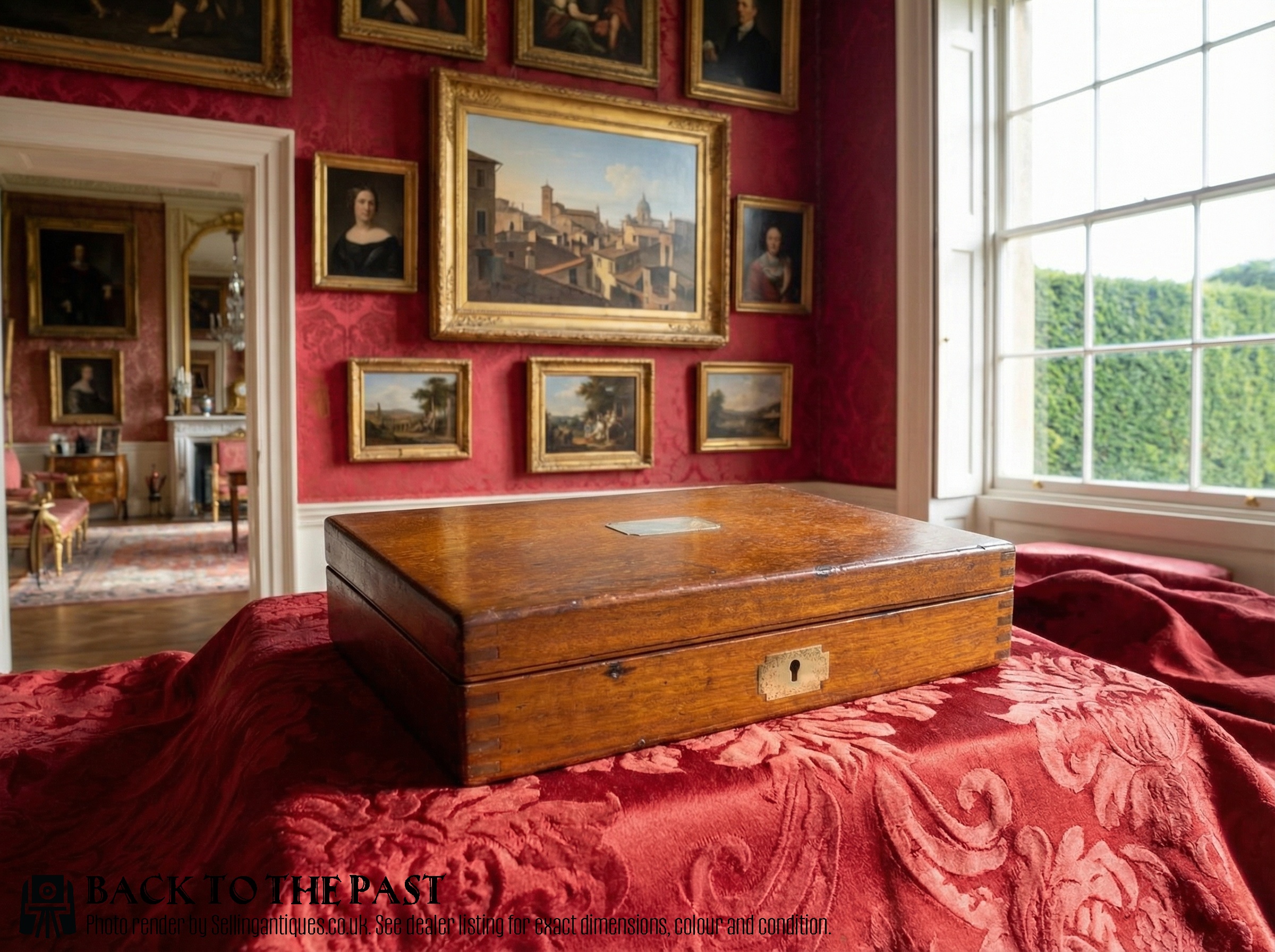
The Antique Wooden Writing Box Glossary
- Writing slope
- A portable box with a slanted lid designed to provide a comfortable writing surface when opened. It typically houses compartments for inkwells, pens, and paper.
- Campaign box
- A piece of furniture designed for military officers on the move, constructed for durability and often featuring brass binding and recessed carrying handles.
- Escutcheon
- A flat plate of brass or other metal surrounding a keyhole, serving both a protective and a decorative function on the box lid.
- Burr walnut
- A prized timber veneer showing intricate swirling patterns formed from tree growths, utilised on high-status Victorian boxes.
Antique Wooden Writing Box: Frequently Asked Questions
What is a writing slope?
A writing slope is a portable box featuring an angled lid that folds open to reveal a flat or sloping surface for writing. Inside, compartments store stationery, pens, and inkwells.
These pieces were essential for correspondence before fitted home offices became common, allowing owners to write comfortably in any room.
How do I date a wooden box?
Dating relies on observing the timber species, construction methods, and hardware styles. For instance, seventeenth-century examples often feature solid oak and carved details, whereas Victorian pieces frequently employ mahogany or burr walnut.
Hardware such as brass hinges and escutcheons also shift in design across the Georgian, Victorian, and Edwardian periods.
What was an officers campaign box?
An officers campaign box was built for military use during travel, constructed from sturdy timbers like mahogany with protective brass corners and recessed handles.
These boxes needed to withstand rough transport while keeping writing materials and documents secure on active service.
Can I use these boxes today?
Many people continue to use these boxes to store letters, modern stationery, or small keepsakes. Their internal compartments remain practical for organisation.
Placing a box on a desk or table adds period character while serving a functional storage role in a modern home.