



Regency Writing Box
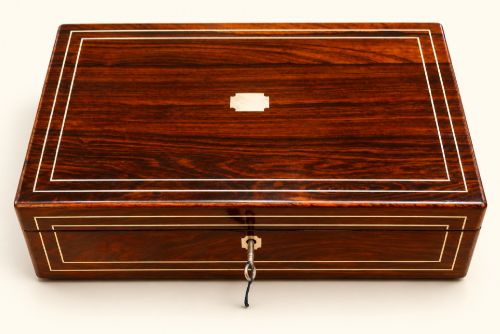
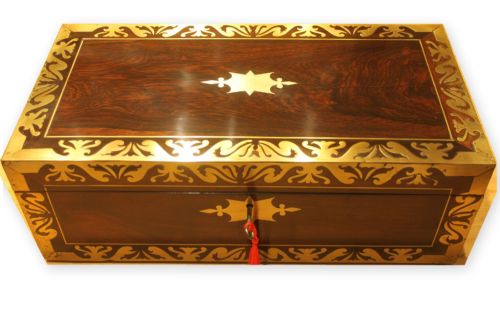
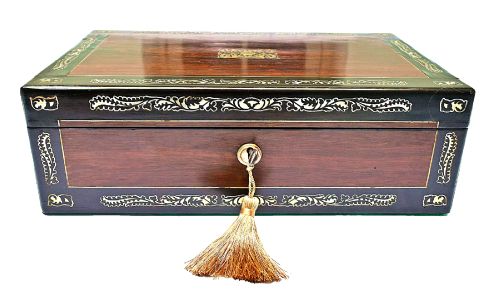
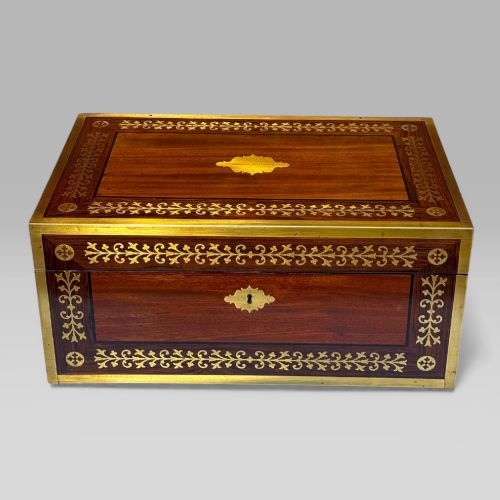
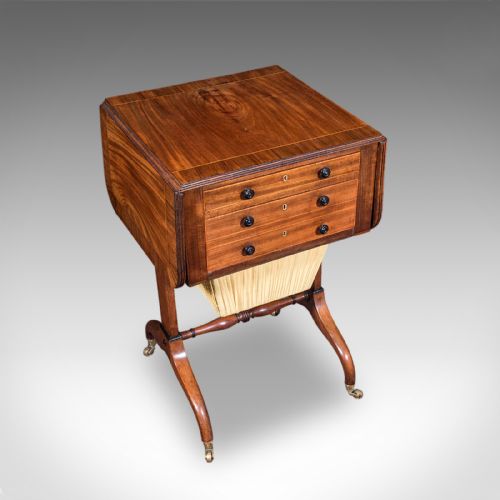
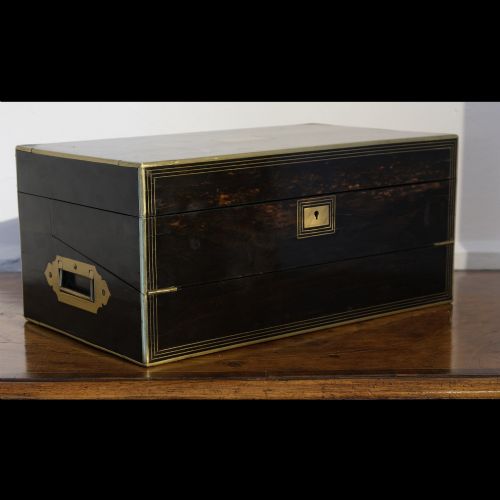
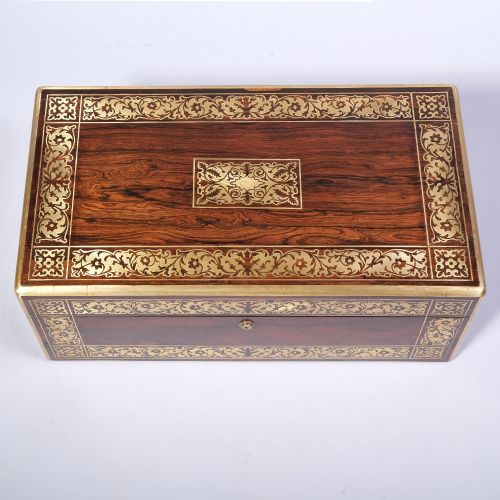
These pieces are a regency writing box, highly portable travelling desks designed for correspondence and valued for their clever internal fittings.
Regency Writing Box
A regency writing box serves as a portable desk for letters, journals and paperwork while travelling or at home. Most examples appearing here take the form of writing slopes, campaign boxes and correspondence cases originating from the nineteenth century.
Materials and Construction
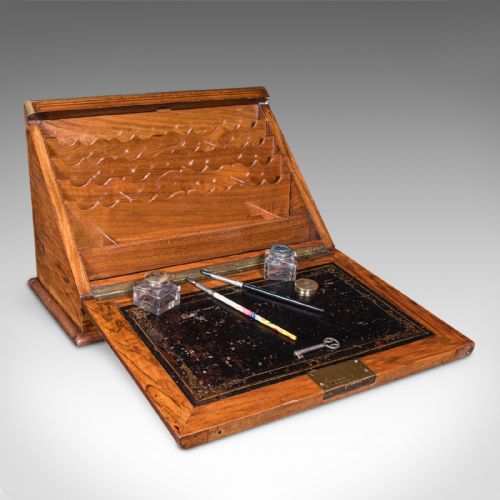
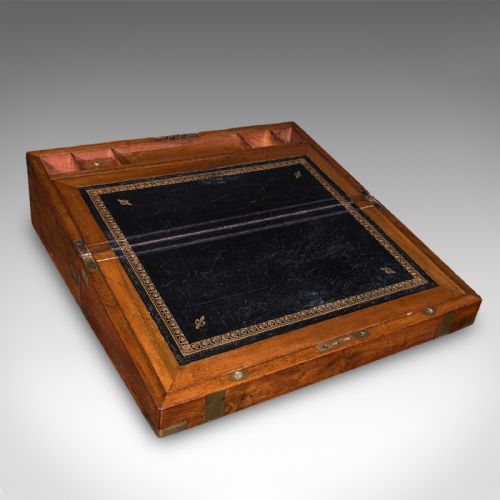
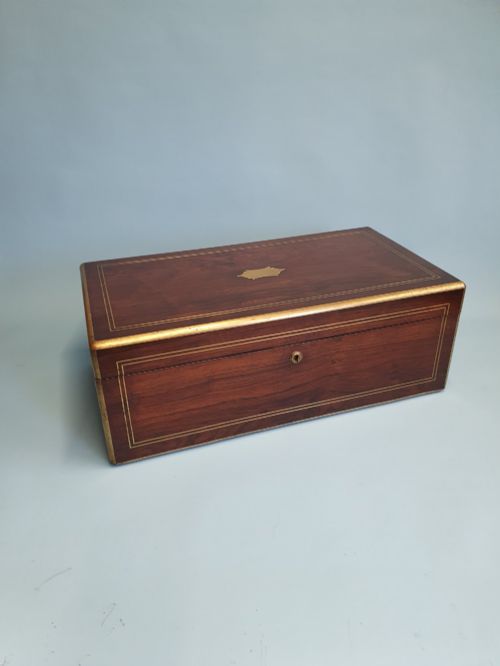
Cabinetmakers constructed the main carcase from dense hardwoods including mahogany, rosewood and coromandel, often applying internal veneers of satinwood or amboyna. Solid brass handles, corner mounts and intricate stringing reinforced the corners and edges against the rigours of travel.
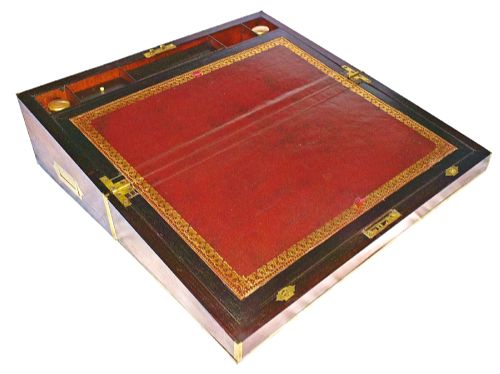
Lids open to reveal sloping writing surfaces lined with leather or velvet, accompanied by compartments for glass inkwells, dip pens and stationery. Hidden drawers and secret compartments often conceal correspondence and valuables safely within the compact structure.
Regency Writing Box Retail Price Guide 2026
Typical asking prices for regency writing box among the pieces listed under this phrase on Sellingantiques today, from the lower quarter to the upper quarter. They describe what is for sale here now, not the wider market.
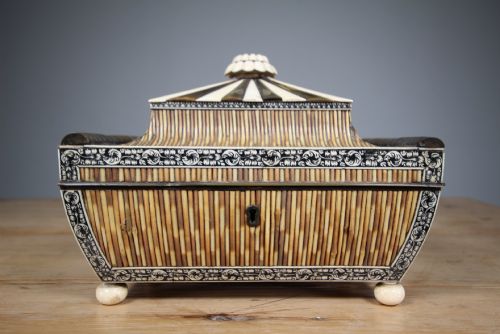
The site listings feature nineteenth century periods and styles spanning regency and william iv, constructed from rosewood, mahogany, coromandel, and mother of pearl.
Distinctions in Quality
The calibre of a writing box rests on the selection of timber veneers and the precision of the brass inlay work. Finely figured grain patterns on rosewood and coromandel surfaces paired with meticulous metalwork distinguish superior examples from plain utility pieces.
Internal complexity dictates the tier of the piece. Fully fitted interiors featuring matching glass inkwells with screw tops, hidden release mechanisms for secret drawers and intact leather writing surfaces elevate the standing of a box.
The Regency Writing Box Glossary
- Writing slope
- A portable box with a hinged sloping lid designed to provide a comfortable angle for handwriting.
- Campaign box
- A sturdy portable desk fitted with brass corners and flush handles, built for use during military campaigns and travel.
- Stringing
- A narrow strip of contrasting timber or metal inlaid into the surface of a box to form decorative borders.
- Inkwell
- A small glass or metal container housed securely inside the box to hold liquid ink for writing.
- Amboyna
- A highly prized, richly figured exotic wood utilised for decorative veneers within fine cabinet work.
Regency Writing Box: Frequently Asked Questions
What is a regency writing box?
A regency writing box is a portable desk made during the early nineteenth century for writing letters and storing stationery while travelling.
These pieces typically fold open to reveal a slanted writing surface and dedicated compartments for inkwells and pens.
How were these boxes used?
Travellers, officers and writers used them as portable workstations to keep correspondence materials organised on the move.
The sloping lid provided a firm surface for writing while the internal compartments secured paper, ink and small valuables.
What woods are commonly found?
Makers utilised dense timbers such as mahogany and rosewood for the primary exterior construction.
More decorative items frequently display veneers of coromandel, satinwood, amboyna or burr walnut.
How do I identify the period?
Identifying the nineteenth century period involves looking at construction methods, brass mount styles and timber choices characteristic of regency design.
Distinctive brass inlays and specific cabinetmaking techniques help separate these pieces from later Victorian reproductions.