



Antique Post Box
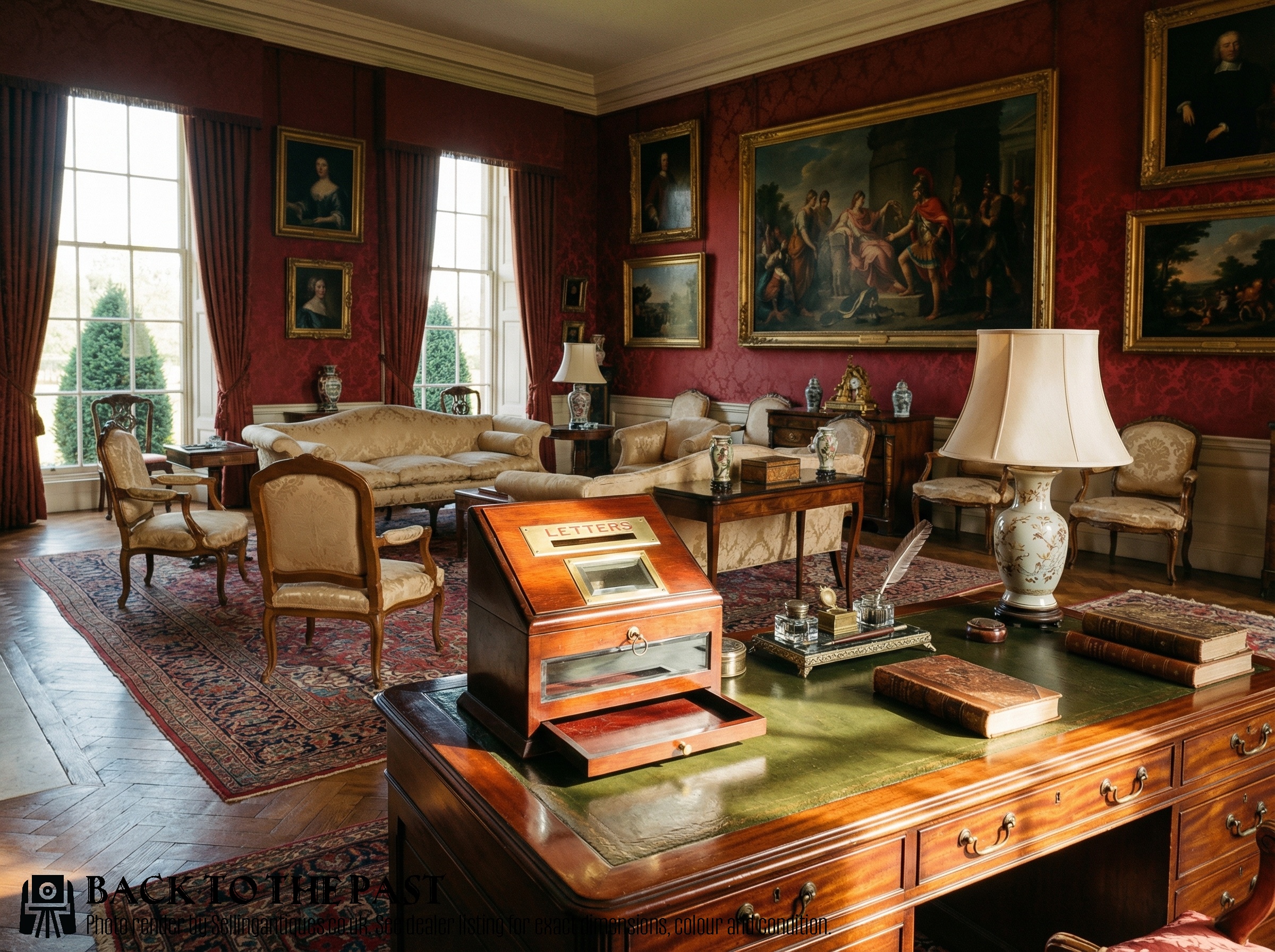
An antique post box brings the daily ritual of correspondence into the room through tactile materials and period craftsmanship.
Antique Post Box
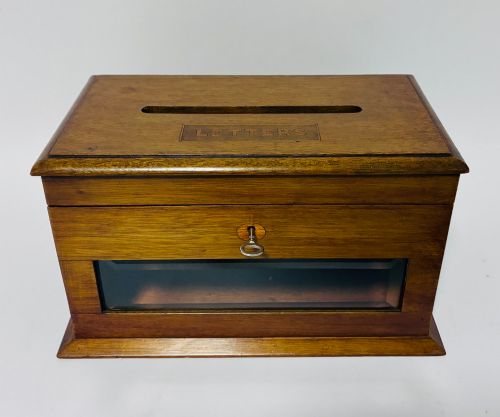
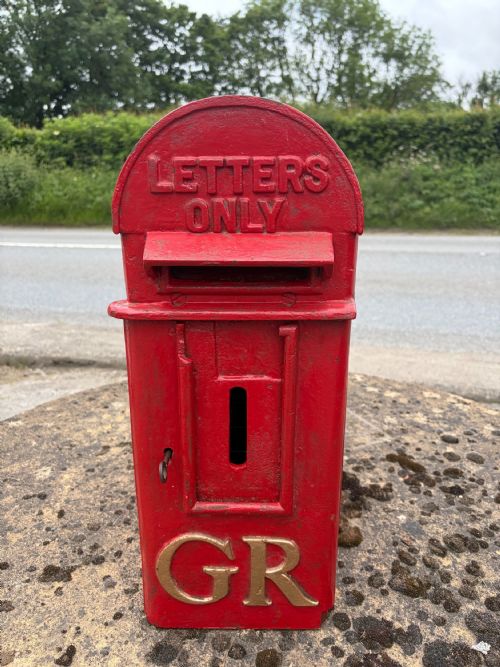
When searching for an antique post box, collectors encounter items designed for domestic mail handling, desk organisation, and wall mounting rather than municipal street collections. The pieces available span the Georgian, Victorian, and Edwardian periods, stretching from the early nineteenth century into the twentieth century. These objects include freestanding country house letter boxes, wall-mounted cast iron receptacles, and smaller desktop accessories.
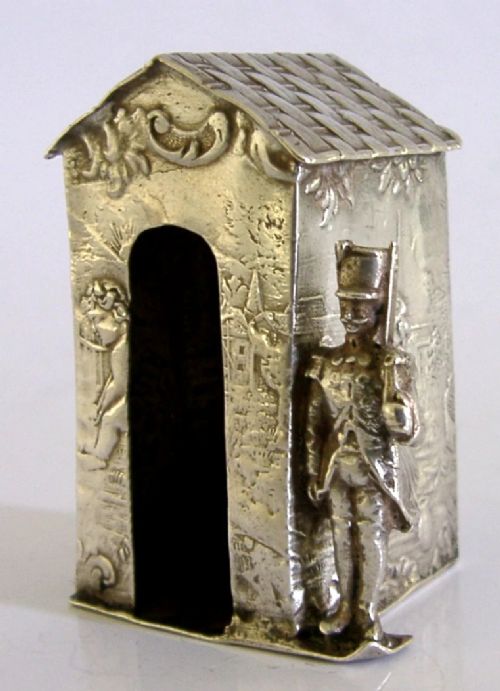
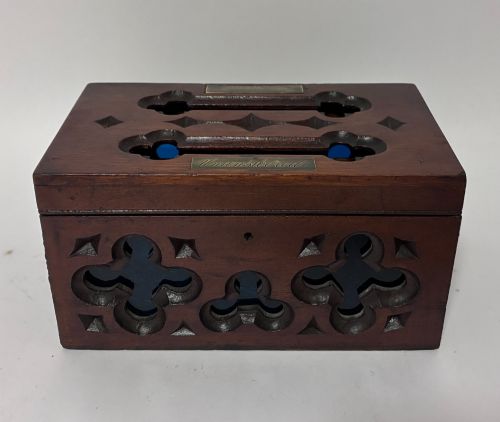
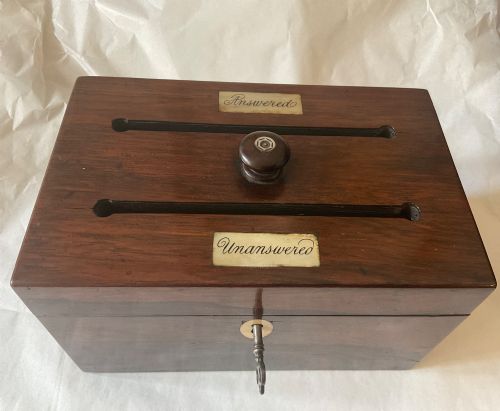
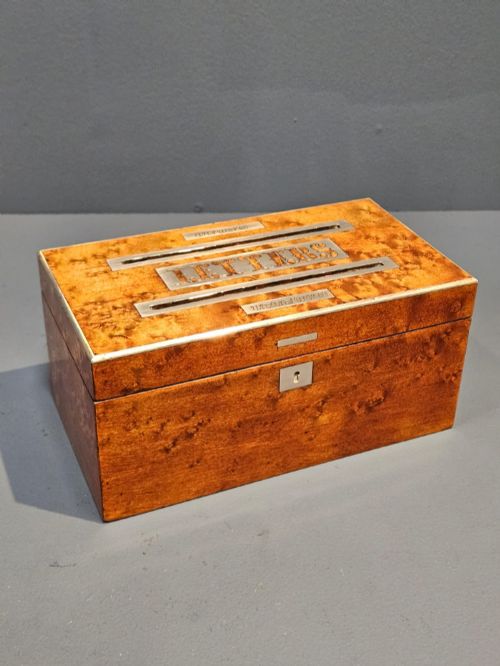
The domestic forms appearing on this page range from heavy oak and mahogany cabinetry intended for country houses and hotels to cast iron wall boxes. Many incorporate brass mounts, carved details, and glass elements. Alongside larger letter boxes, the category encompasses smaller desktop containers for correspondence and postage stamps.
Materials and construction
The construction of these items relies heavily on timber, with solid oak and mahogany forming the carcasses of larger country house boxes. Metal components appear as cast iron, brass, bronze, and steel, providing structural durability and functional hardware such as hinges and locks. Glass inserts sometimes allow a view of the contents within.
Joinery methods reflect traditional cabinet making, utilising carved ornament, inlaid woods, and polished finishes. Metalwork involves casting, mounting, and surface patination, combining with timber to create functional pieces built for daily postal sorting.
Antique Post Box Retail Price Guide 2026
Typical asking prices for post box among the pieces listed under this phrase on Sellingantiques today, from the lower quarter to the upper quarter. They describe what is for sale here now, not the wider market.
The listings combine heavy cast iron wall receptacles with polished oak, mahogany, and glass desktop accessories spanning the Victorian and Edwardian periods.
Distinctions in quality
Quality in these items rests upon the depth of the carving, the selection of timber veneers, and the integration of brass hardware. Superior pieces display crisp detailing in carved oak or walnut and precise joinery that holds firm over decades of handling.
The presence of maker signatures, original glass, and heavy cast iron or bronze mounts elevates an example above standard utility pieces. Finer specimens maintain original patination on wood and metal surfaces without modern replacement parts.
Halstaff & Hannaford·Thornhill·Grey & Co
The Antique Post Box Glossary
- Post Box
- A container or receptacle designed for receiving letters and mail. These range from heavy wall-mounted iron boxes to wooden desktop chests.
- Letter Box
- An alternative term for a domestic mail receptacle, often denoting a box kept in a hallway, hotel, or country house for gathering daily correspondence.
- Desktop Accessory
- A smaller functional object kept on a desk, encompassing stamp boxes, inkwells, and letter racks associated with writing equipment.
- Cast Iron
- A hard, brittle alloy of iron and carbon poured into moulds to create rigid forms. It provides the heavy structure seen on wall-mounted postal receptacles.
- Patina
- The surface sheen and colour developed on wood and metal through age and handling. A rich patina indicates long-term use and natural ageing.
Antique Post Box: Frequently Asked Questions
Where were these letter boxes used?
These boxes served in domestic country houses, hotels, and hallways to collect incoming and outgoing correspondence. Larger wooden cabinets stood on tables or hung on walls for daily sorting.
Smaller examples functioned on desks alongside stationery and writing materials, managing the heavy volume of Victorian and Edwardian letter writing.
How do I date a piece?
Dating relies on stylistic markers from periods such as the Georgian, Victorian, and Edwardian eras. Materials like cast iron, mahogany, and specific brass mount designs align with nineteenth and early twentieth-century manufacturing.
Maker signatures and registration marks also help narrow the timeline to specific decades between eighteen hundred and nineteen ten.
Are they suitable for modern post?
Many larger wooden letter boxes and wall-mounted iron receptacles remain large enough to hold modern letters and small envelopes. Their internal dimensions vary according to their original domestic or commercial purpose.
Desktop boxes typically suit stationary storage rather than active mail delivery due to their more compact proportions.
What is the difference between desk and wall boxes?
Wall boxes feature flat backs, mounting brackets, or heavy cast iron plates designed to be secured against vertical surfaces in hallways or porches. They receive mail deposited through an external or front aperture.
Desk boxes sit horizontally on furniture, opening via lids or doors to store writing paper, stamps, and collected letters.