

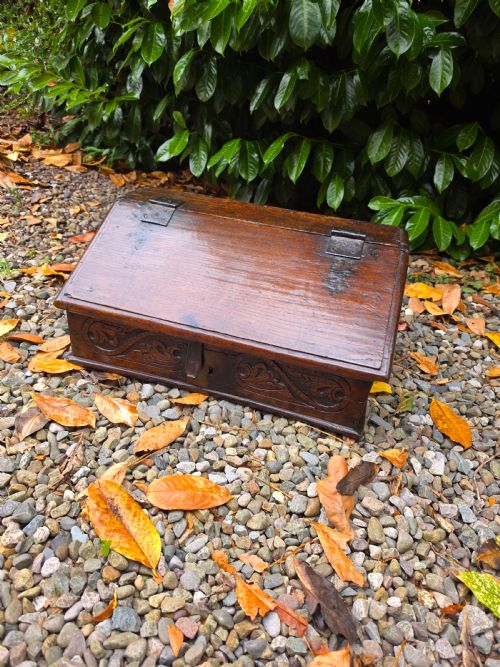
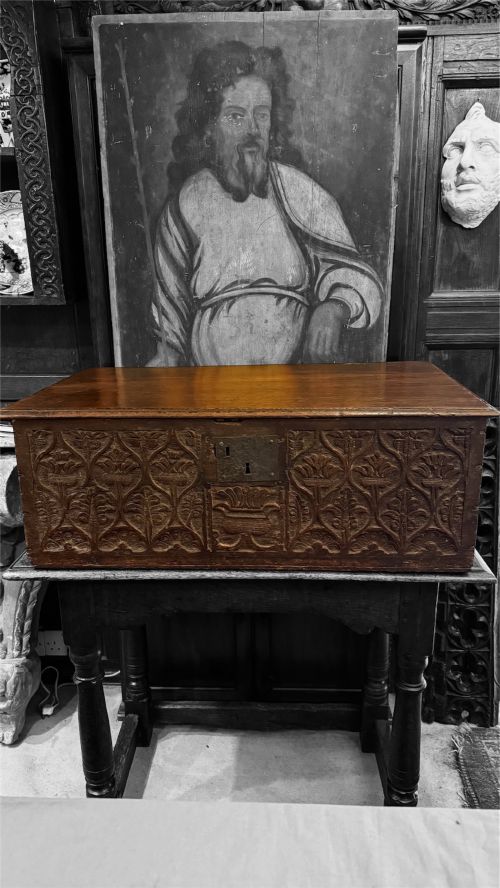
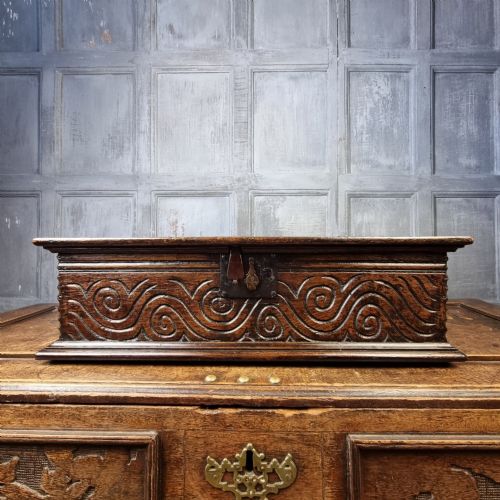


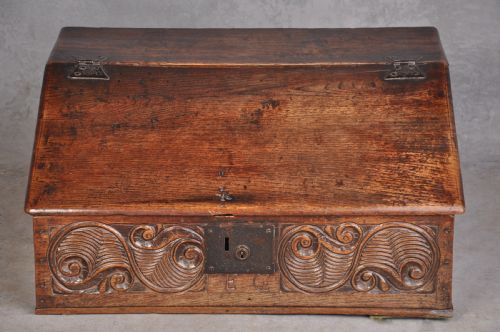


17th Century Bible Box
A 17th century bible box offers solid oak construction and tactile historical charm, making it a functional desktop statement piece for modern homes.
17th Century Bible Box
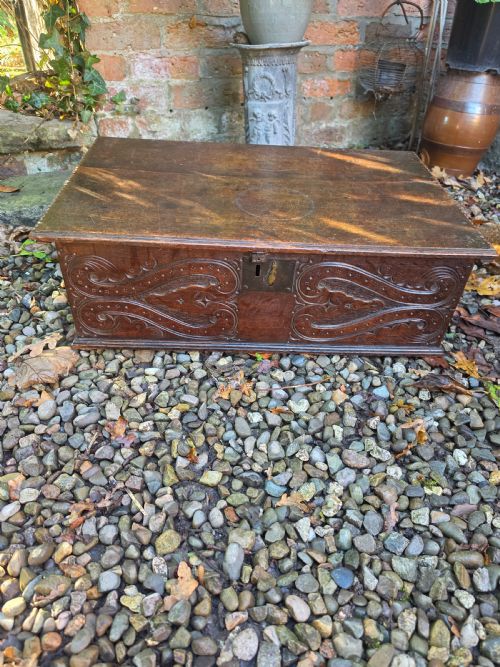
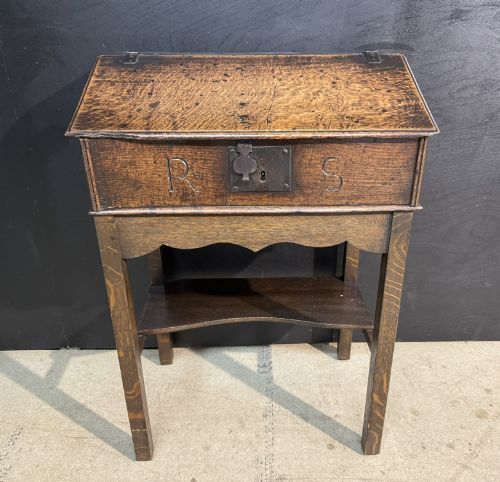
Beyond basic storage, these versatile boxes function as table top desks or document chests. Many survive mounted on later stands, while others double as box stools or close stools reflecting daily domestic life of the period.
How they were made
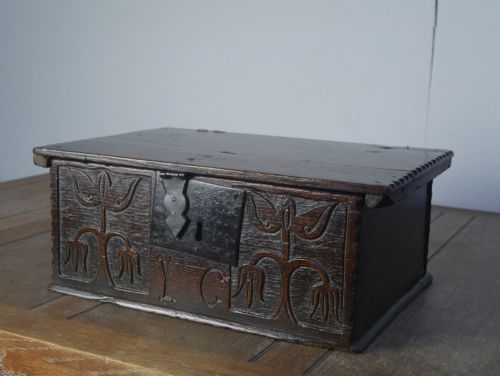
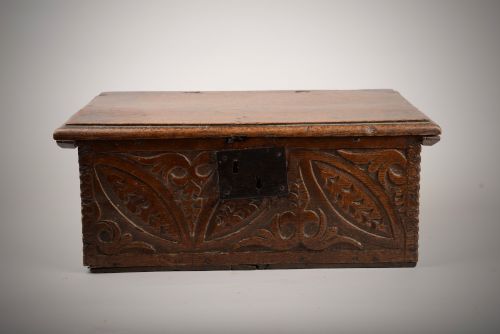
Joinery relied heavily on sturdy oak panels assembled to withstand heavy daily use and protect contents from moisture. Surfaces often display chip carving, lunette motifs, or incised lettering executed with simple hand chisels.
Iron, brass, and steel hardware played a vital structural and decorative role, featuring heavily on complex locks, strap hinges, and escutcheons that secured valuable papers.
17th Century Bible Box Retail Price Guide 2026
Typical asking prices for 17th century bible box among the pieces listed under this phrase on Sellingantiques today, from the lower quarter to the upper quarter. They describe what is for sale here now, not the wider market.
Several surviving boxes still bear ink stains trapped inside their crevices from seventeenth-century quill accidents.
What varies in quality
The degree of surface ornamentation significantly distinguishes individual examples, ranging from plain boarded construction to intricately carved front panels with initials and dates. The presence of original hardware, complex steel locks, and internal drawers elevates an example above simpler utility boxes.
Structural alterations also affect standing, as pieces retaining their original stands or integrated desks command distinct interest compared to those adapted onto later or Victorian bases.
The 17th Century Bible Box Glossary
- Bible box
- A small wooden chest with a sloping or flat lid used historically to hold large family Bibles and documents. They typically sat on tables before dedicated writing desks became common.
- Chip carving
- A form of relief carving where small triangles or chips of wood are removed from the surface to create geometric patterns. This technique appears frequently on Welsh and English oak boxes.
- Writing slope
- A desk box featuring an angled lid designed to provide a comfortable surface for handwriting. Some seventeenth-century examples incorporate internal compartments for ink and quills.
- Lunette
- A semicircular decorative carving motif often seen on the front panels of seventeenth-century furniture. It provides a distinct rhythmic pattern across the oak grain.
17th Century Bible Box: Frequently Asked Questions
What is a 17th century bible box?
A 17th century bible box is a small, heavy wooden chest traditionally used to protect large family Bibles and valuable documents from damage and theft.
These versatile containers were kept on tables or desks, serving as secure repositories for household records and personal correspondence.
Were these boxes used for writing?
Many examples feature slanted lids specifically adapted for writing letters or recording entries in family ledgers. Internal compartments often held inkwells, quills, and sealing wax alongside the stored texts.
Over time, their dual function as miniature desks made them indispensable pieces of furniture in prosperous seventeenth-century households.
Why do some boxes have stands?
While originally designed to sit atop existing tables, chests, or sideboards, many boxes were subsequently mounted onto custom or later stands during later centuries. This transformation raised them to a convenient height for standing or seated use as independent desks.
Collectors encounter both table-top versions and examples united with later or bespoke frames.
How do you identify Jacobean styles?
Jacobean pieces display robust oak construction, dark patination, and characteristic surface decoration such as chip carving, lunettes, and geometric mouldings. Maker's initials or dates carved directly into the wood frequently help anchor pieces to this specific era.
Hardware like wrought iron strap hinges and complex steel locks also points directly to seventeenth-century manufacturing methods.