






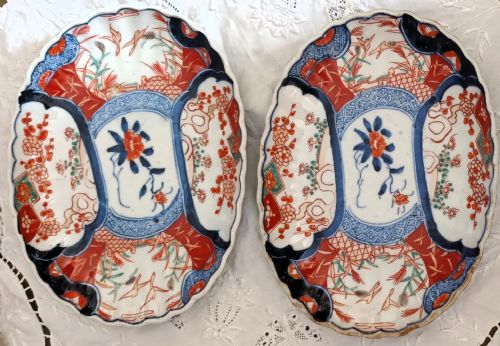
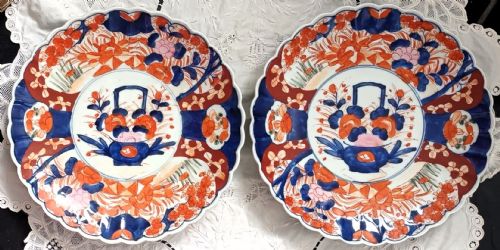
Iron Red Porcelain Dishes
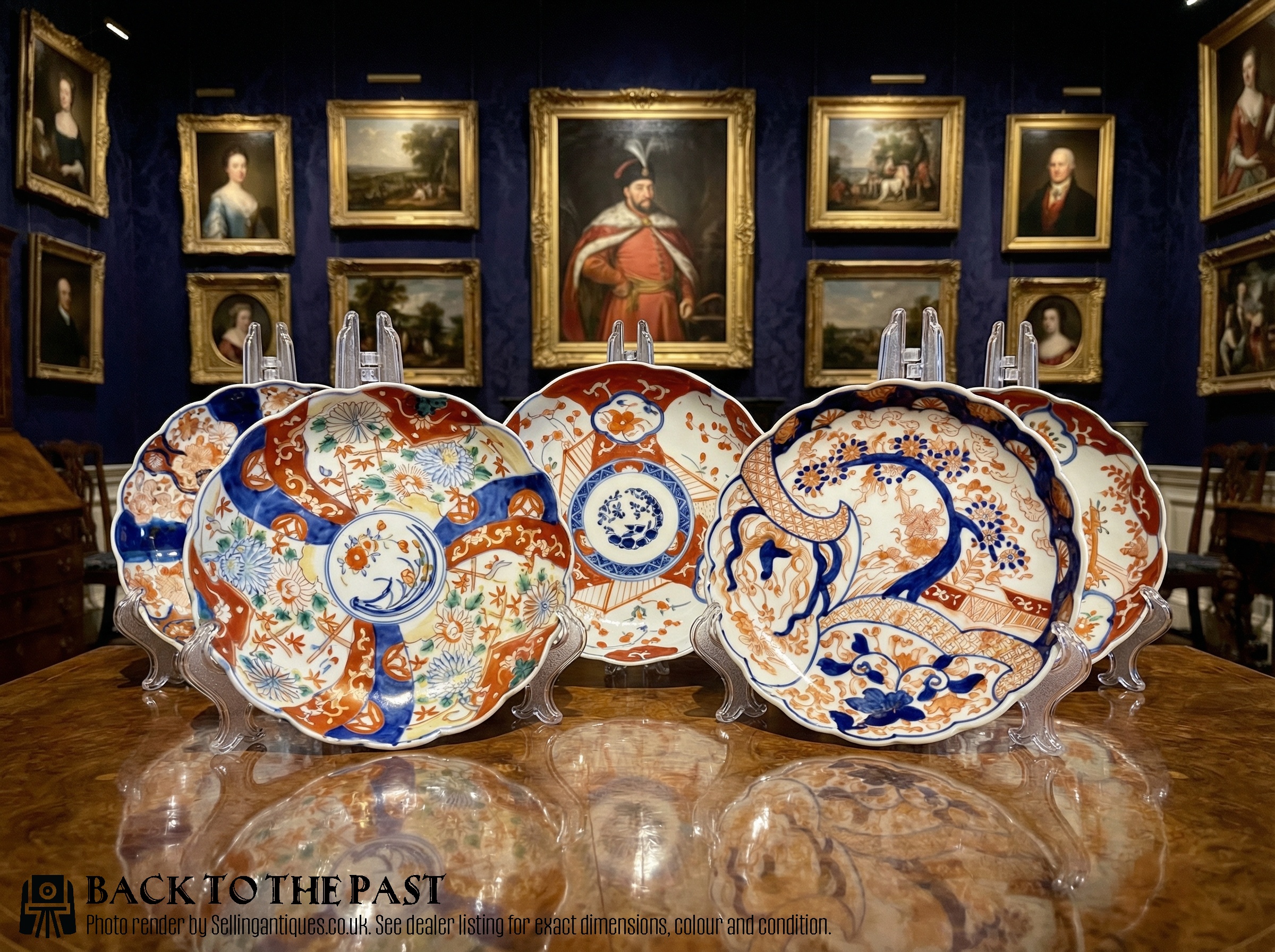
Iron red porcelain dishes bring together the rich palette of Imari export wares and imperial Chinese ceramics.
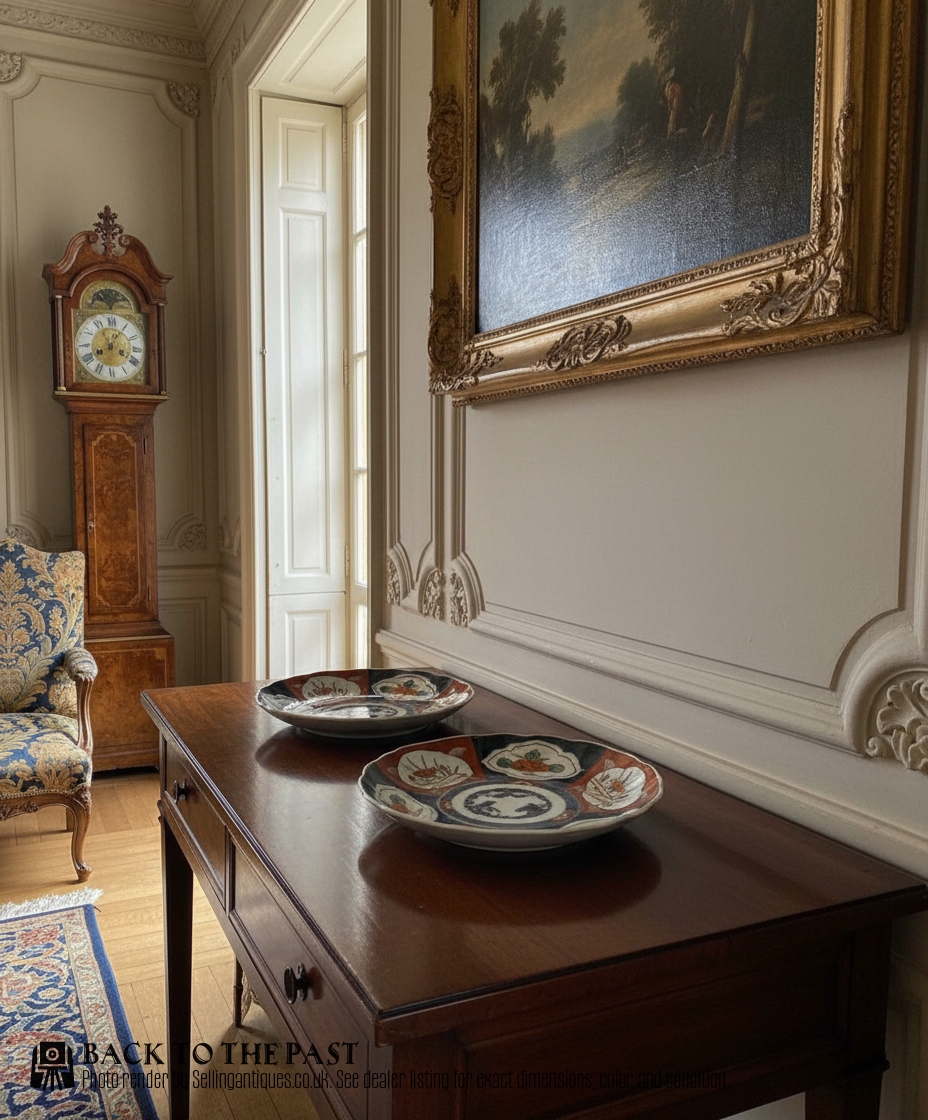
Iron Red Porcelain Dishes
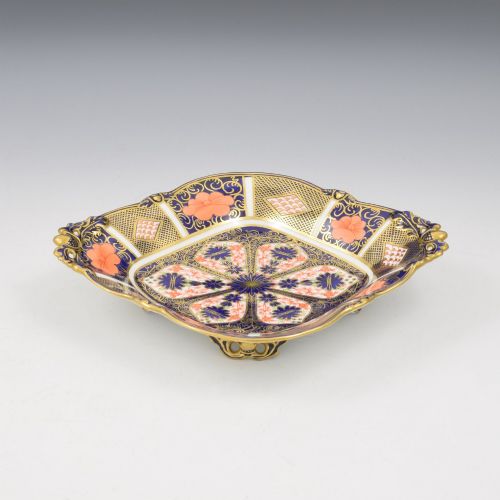
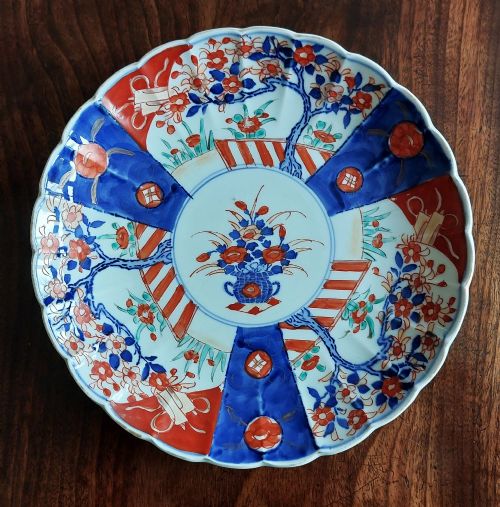
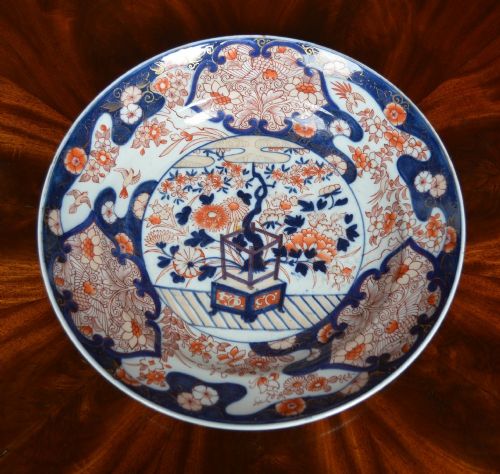
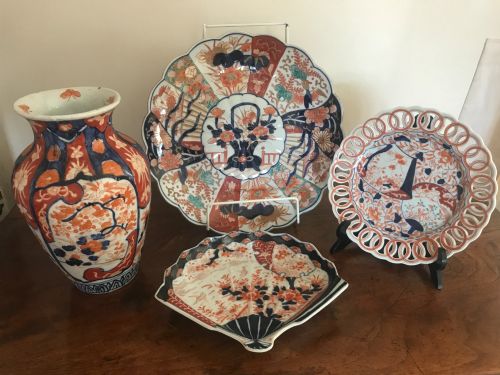
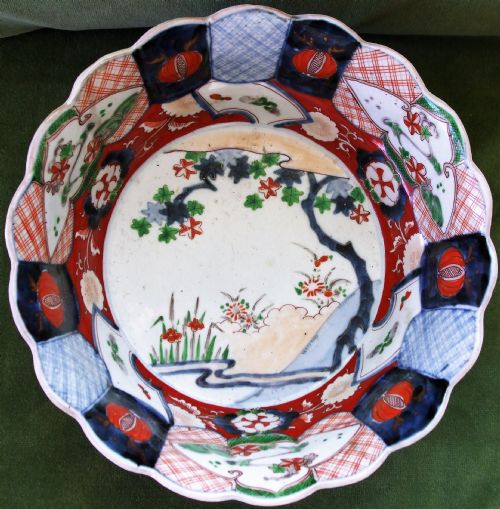
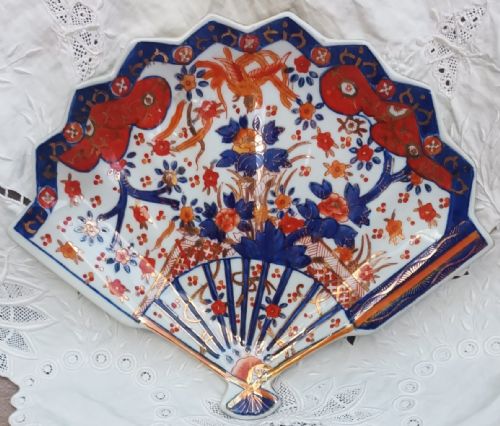
When you search for iron red porcelain dishes, you meet wares that span the late nineteenth century alongside earlier examples from the eighteenth century. Japanese Imari pieces dominate the selection, appearing as plates, bowls, chargers, and trays with characteristic scalloped or hexagonal edges.
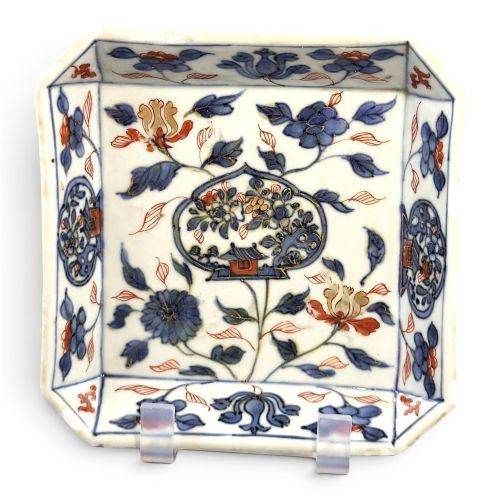
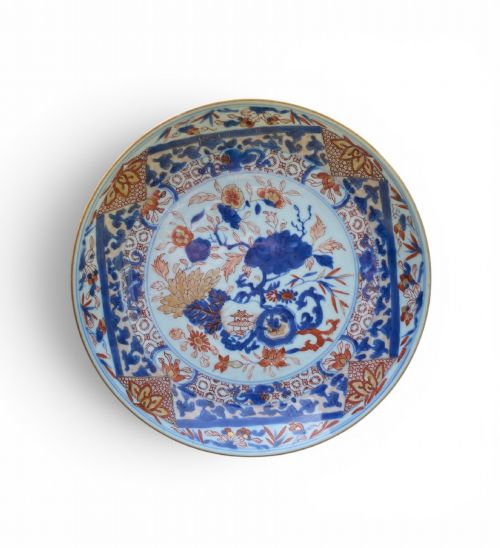
Chinese export wares also feature in the listings, including chamfered square bowls and imperial dishes decorated with gilt details. The forms serve primarily as decorative display items, chargers, and serving vessels derived from both Japanese Meiji and Chinese traditions.
How they were made
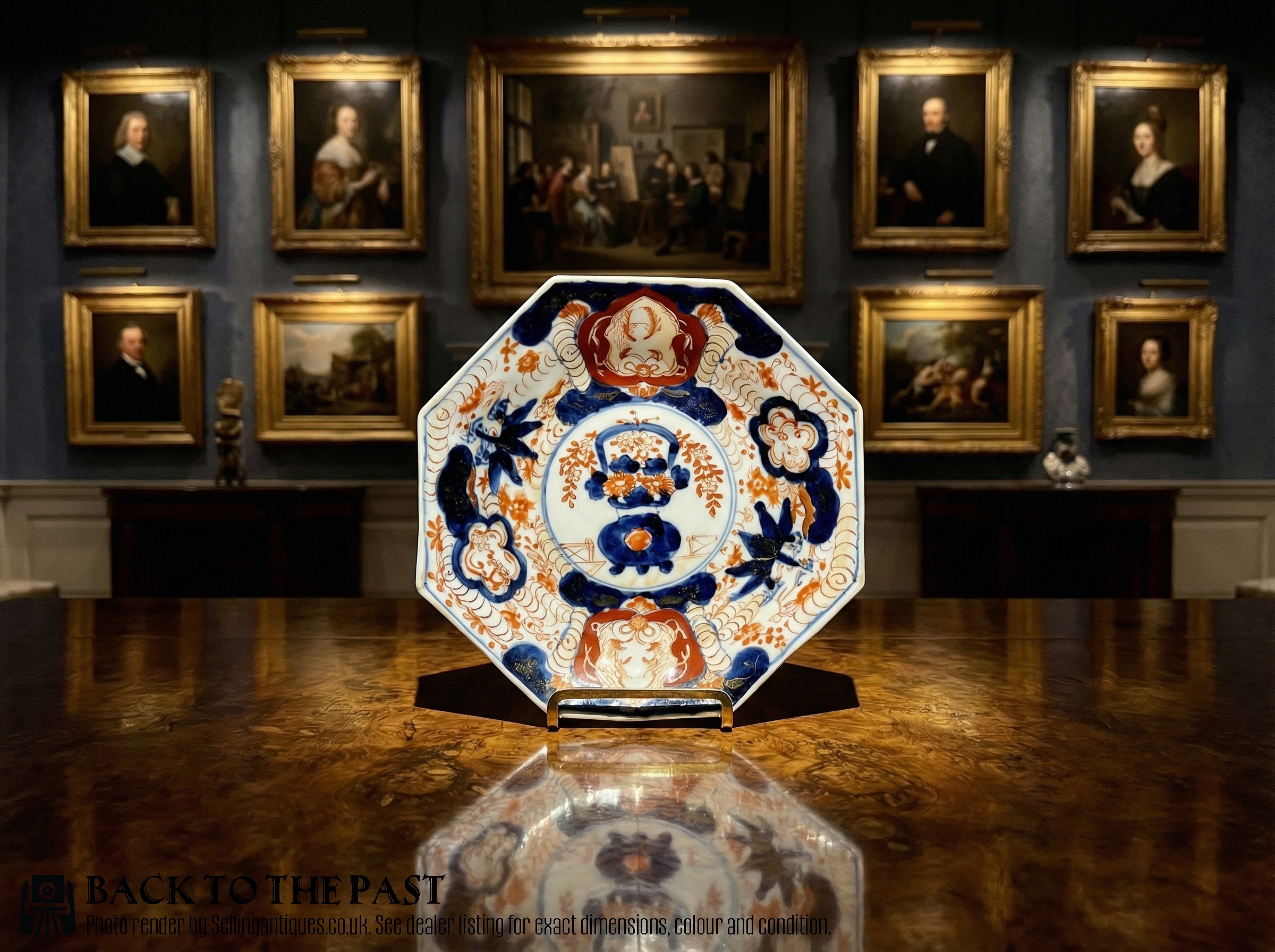
The makers utilised ceramic bodies finished with glaze and hand-painted enamel decoration. Cobalt underglaze often provides a deep blue foundation beneath the distinct iron red pigment.
Gilt, gold leaf, and gilding are applied to accentuate the surface patterns, highlighting floral, bird, and figural designs across chargers and plates.
Iron Red Porcelain Dishes Retail Price Guide 2026
Typical asking prices for iron red porcelain dishes among the pieces listed under this phrase on Sellingantiques today, from the lower quarter to the upper quarter. They describe what is for sale here now, not the wider market.
Listings for iron red porcelain dishes span from the eighteenth century through the Meiji period and into the early twentieth century.
What varies in quality
The distinction between standard items and the top of the range rests on the precision of the hand-painted brushwork and the complexity of the motifs. Wares depicting specific subjects like exotic birds or the Seven Lucky Gods demand greater skill from the artist.
Unusual forms such as hexagonal plates and chamfered square bowls indicate superior moulding skill compared to standard round dishes. The crispness of the gilt accents and the stability of the glaze further separate ordinary production from finer examples.
The Iron Red Porcelain Dishes Glossary
- Imari
- A style of Japanese porcelain exported from the port of Imari, known for its cobalt blue, iron red, and gilt colour scheme. The tradition influenced ceramic production across Europe and Asia.
- Charger
- A large decorative plate used for display rather than dining. These pieces often measure over twelve inches in diameter.
- Meiji Period
- The era in Japanese history spanning from 1868 to 1912, characterised by a surge in decorative arts produced for international export. Pieces from this time frequently exhibit detailed hand-painted floral and avian motifs.
- Underglaze
- A method of decorating ceramics where the pigment is applied to the raw clay body before the glaze is fired. Cobalt is the most common material used beneath the transparent coating.
- Chamfered
- Having a symmetrical sloping edge cut at an angle of forty-five degrees. This geometric moulding appears on square bowls and trays.
Iron Red Porcelain Dishes: Frequently Asked Questions
How do I display these dishes?
Larger chargers and wall plates work best mounted on sturdy plate hangers or displayed upright in a cabinet to showcase the full painted surface. Smaller bowls and trays fit securely on flat console surfaces or within open shelving.
Keep the pieces away from direct heat sources and bright sunlight to protect the enamel and gilt highlights from fading over time.
What is the difference between Imari and Chinese export wares?
Japanese Imari porcelain typically combines iron red and cobalt blue with heavy gilding, often featuring floral or figural panels. Chinese export wares follow distinct regional and imperial styles, such as the Guangxu period dishes found in the evidence.
While both traditions utilise porcelain bodies, the brushwork technique and compositional layout help identify the specific kiln origin.
Can I use these dishes for serving food?
Most of these historic pieces function primarily as decorative display items, chargers, and decorative trays. Hand-painted enamels and gilt surfaces can degrade when subjected to regular use, cutlery, and washing.
Gentle dusting with a dry cloth is sufficient for routine maintenance, avoiding commercial cleaning agents entirely.
How do I date an iron red dish?
Dating relies on stylistic markers associated with specific periods like the Meiji era or the eighteenth century. Form variations, such as scalloped edges and hexagonal shapes, offer clues when compared against documented examples from the same era.
Imperial marks on the base provide a specific reign or dynastic reference point for select imperial Chinese pieces.