






Iron Red Japanese Dishes
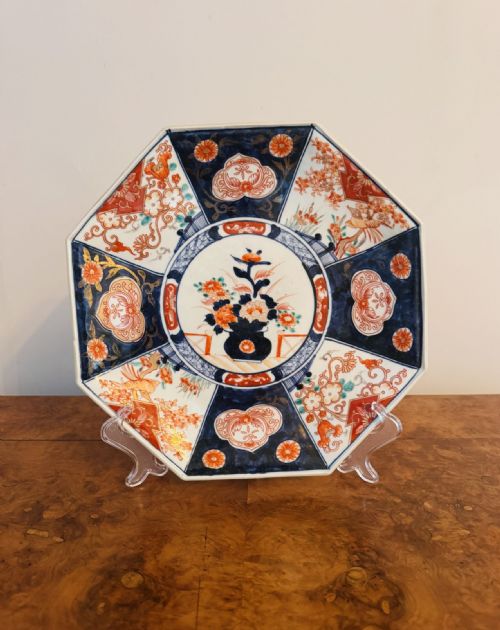
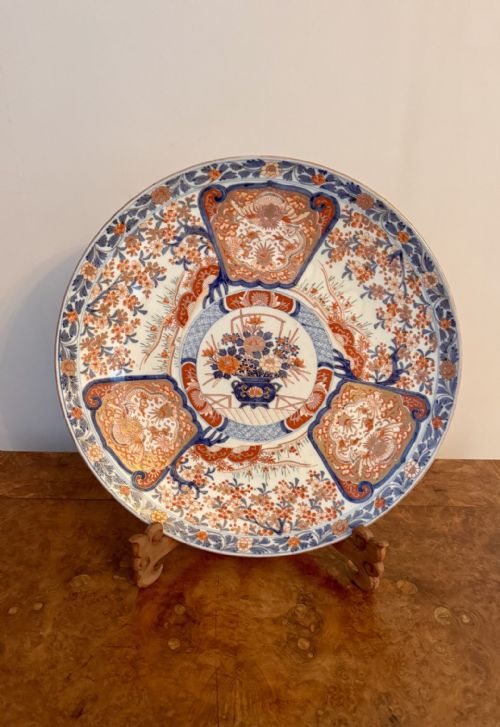
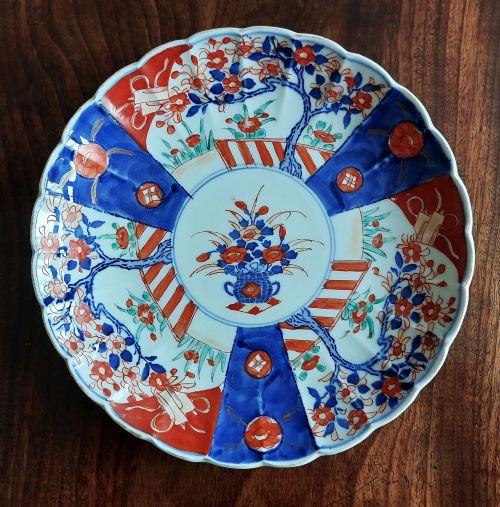
Iron red japanese dishes bring rich hand-painted ceramics into a room, spanning the Meiji period and the nineteenth century with vibrant floral and bird designs.
Iron Red Japanese Dishes
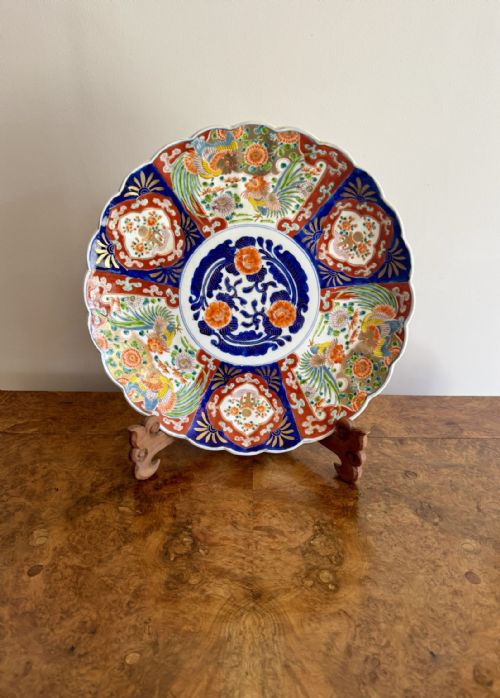
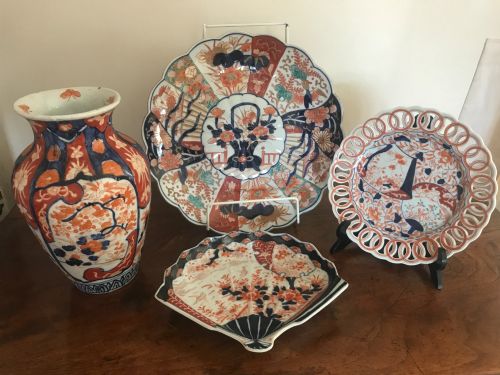
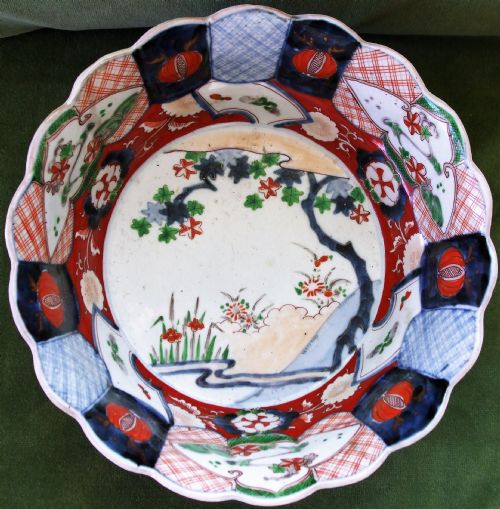
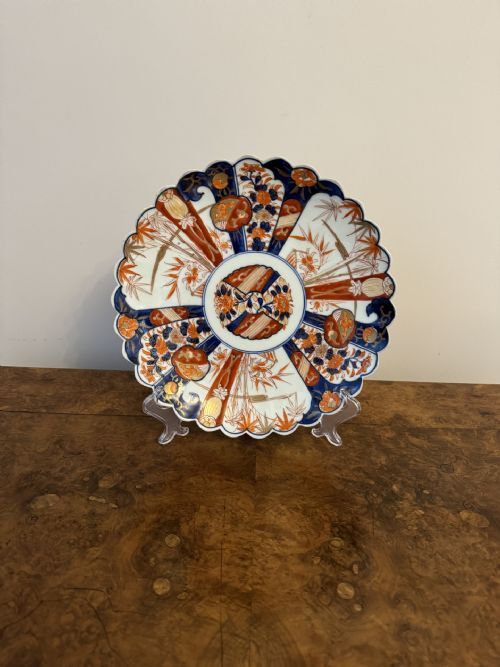
Iron red japanese dishes encompass a range of decorative plates, bowls, and chargers originating from nineteenth-century Japan and the Meiji period.
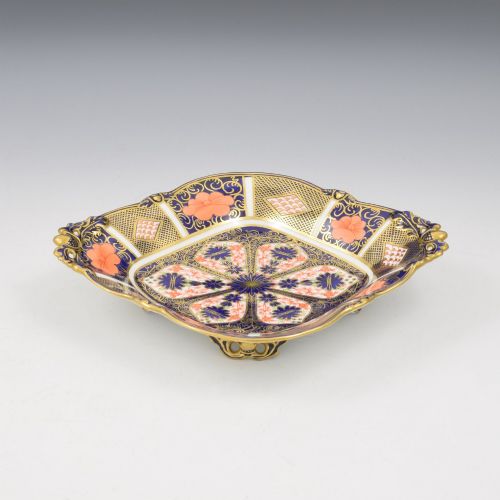
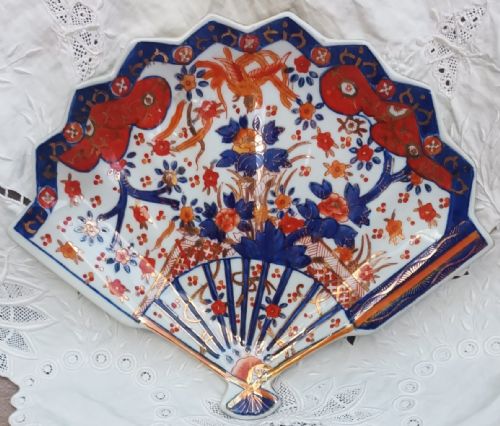
Buyers will most frequently encounter Japanese Imari plates and chargers featuring scalloped, hexagonal, or square edges alongside traditional hand-painted motifs.
Judging the Standard
Quality rests in the precision of the hand painting and the clarity of the iron red and cobalt pigments across the porcelain surface.
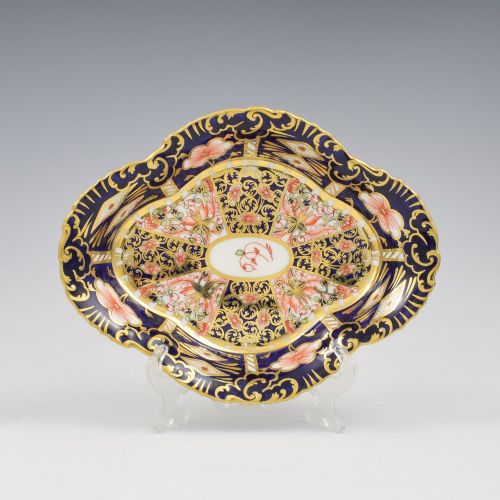
Form also distinguishes the pieces, with unusual shapes like hexagonal rims or ribbon edges marking out finer examples.
Several plates depict the Seven Lucky Gods sharing space with exotic birds, proving that ancient deities appreciate good company.
The Iron Red Japanese Dishes Glossary
- Imari
- A style of Japanese porcelain decorated in underglaze blue, iron red, and gilt. The tradition originates from the town of Arita.
- Meiji Period
- The era in Japanese history lasting from eighteen sixty-eight to nineteen twelve. Pieces from this time often display intricate hand-painted bird and floral designs.
- Charger
- A large decorative plate intended for display rather than dining. These items frequently anchor a collection with their broad painted surfaces.
- Cobalt Underglaze
- A blue pigment applied to the ceramic body before glazing and firing. This technique creates durable patterns beneath a clear glossy finish.
Iron Red Japanese Dishes: Frequently Asked Questions
How do I date an Imari plate?
Dating relies on stylistic markers, materials, and the period of production recorded in the piece history, such as Meiji or nineteenth-century origins.
Examination of the porcelain body and the vibrancy of the iron red and cobalt pigments also helps establish the age.
Can I use these dishes for food?
These decorative ceramics are generally intended for display on walls or surfaces rather than daily dining use.
Their historical nature and delicate enamel or gilt decoration mean they are best preserved as decorative art objects.
What is the difference between a plate and a charger?
A charger is substantially larger than a standard plate, typically designed as a centrepiece or wall display item.
Both forms share the characteristic iron red and cobalt Imari palette seen across the period.
How should I display a charger safely?
Displaying larger chargers requires sturdy wall hooks or stable plate stands designed to support the weight of nineteenth-century porcelain.
Placement should avoid direct sunlight to protect the enamel and iron red pigments over time.