






Iron Red Imari Ceramic
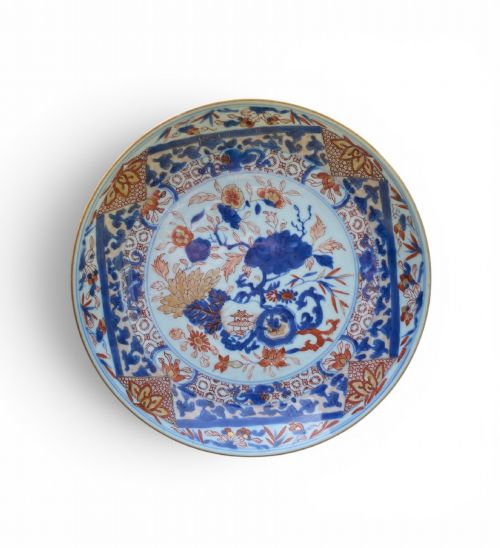
Iron red imari ceramic brings together the rich palette of Japanese, Chinese, and English factories across centuries of decorative porcelain production.
Iron Red Imari Ceramic
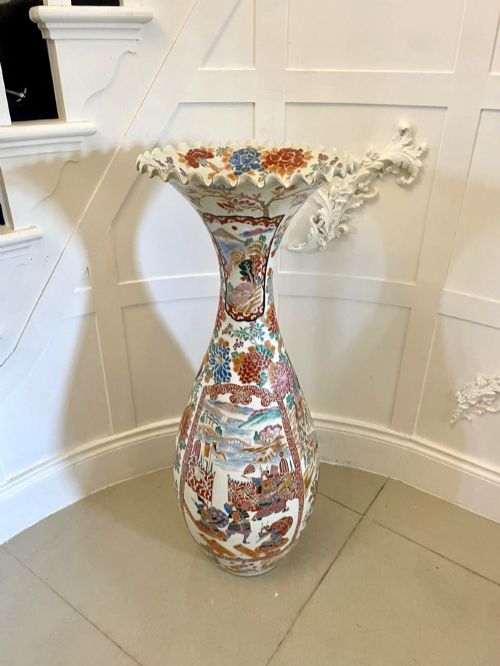
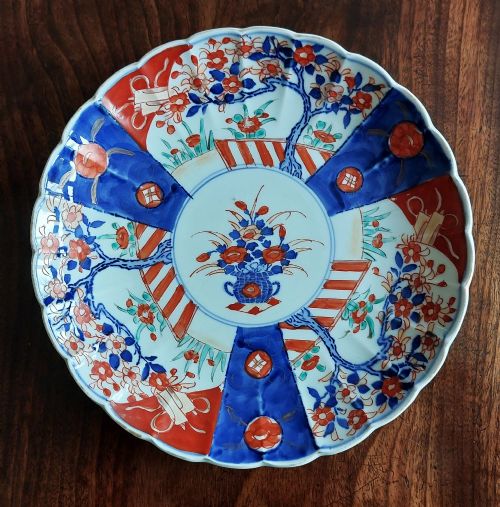
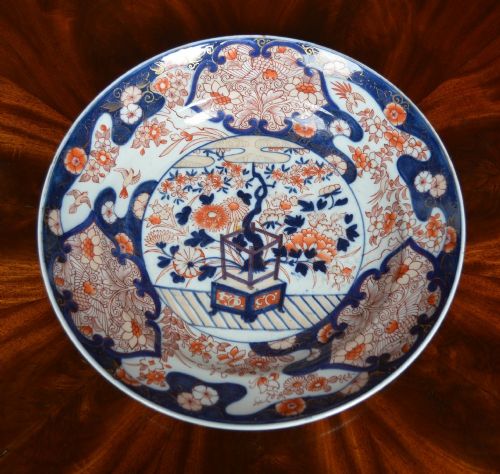
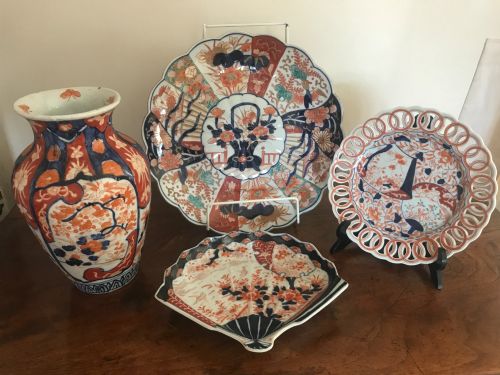
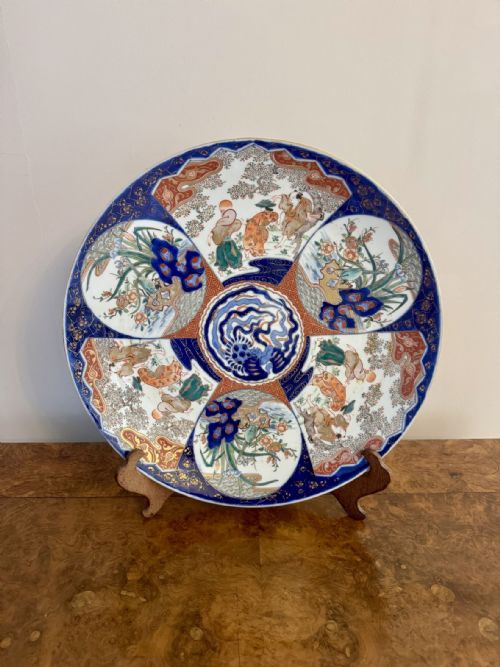
Iron red imari ceramic encompasses plates, chargers, bowls, and vases produced across the eighteenth and nineteenth centuries, alongside pieces from the Georgian and Regency eras. The selection is heavily weighted towards Japanese Meiji period examples, including scalloped dishes, floor-standing vases, and decorative chargers decorated with floral and bird motifs.
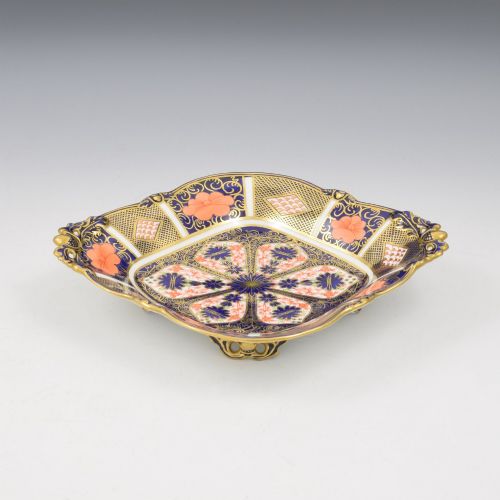
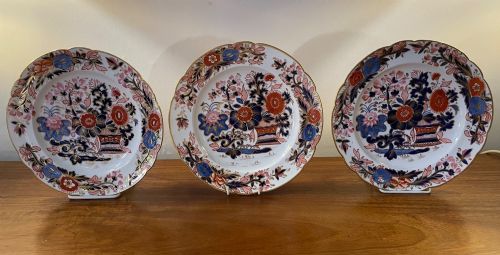
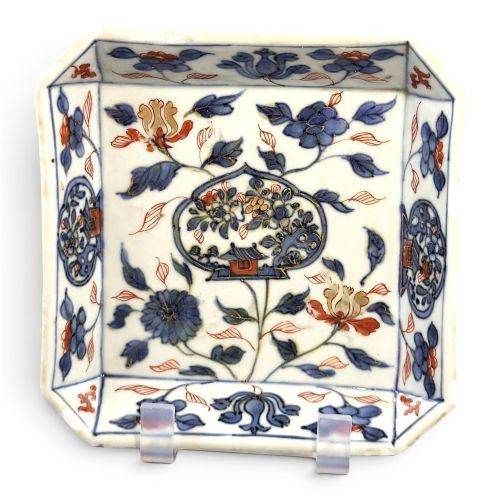
Buyers also encounter Chinese export wares from the Kangxi and Qing periods, alongside English interpretations such as bone china from Royal Crown Derby and Staffordshire plates utilising the imari palette. These pieces range from small serving trays to large garnitures, showing how potters across different regions adopted the distinctive colour scheme.
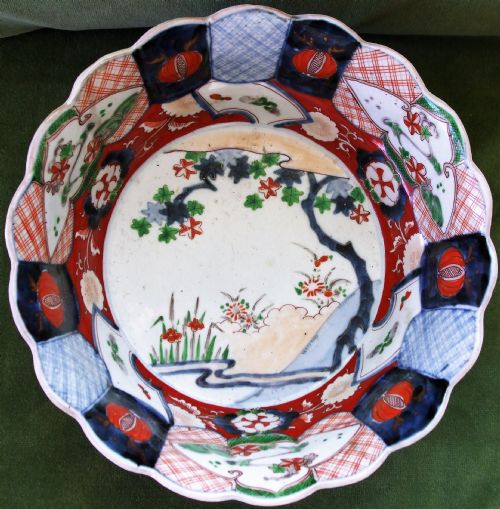
The Japanese examples frequently display hexagonal or scalloped edges, whilst Chinese export pieces provide chamfered square forms. English iterations demonstrate the longevity of the palette into the early twentieth century through patterned serving dishes.
Materials and production methods
Production relies on porcelain and bone china bodies, shaped into plates, bowls, and vases before receiving underglaze and overglaze treatment. Enamel colours are applied alongside the characteristic iron red pigment to build up complex surface designs.
Gold leaf, gilding, and gold glaze highlight specific details within the floral and bird motifs across both Japanese and European items. This combination of iron red, cobalt blue, and gold creates the dense visual texture typical of the style.
Exotic birds peer out from dense floral thickets across multiple centuries, proving that historic artisans knew everyone loves a well-painted feathered friend.
Assessing quality in the range
Quality rests upon the precision of the hand-painted brushwork and the clarity of the iron red and gilt pigments against the white porcelain ground. Stronger pieces exhibit crisp detailing in the depiction of exotic birds and floral panels, whilst simpler examples show broader application.
The weight and balance of larger forms, such as floor-standing vases and heavy chargers, indicate the skill of the potter during shaping and firing. Surface preservation matters greatly, as the retention of gold leaf and enamel integrity maintains the visual impact of the pattern.
Royal Crown Derby
The Iron Red Imari Ceramic Glossary
- Imari palette
- A decorative scheme combining underglaze blue, iron red enamel, and gold highlights on a porcelain body. This palette originated in Japan and was subsequently adopted by Chinese and European potteries.
- Charger
- A large decorative plate intended for display rather than table use. These pieces often feature complex central roundels surrounded by patterned borders.
- Meiji Period
- The era of Japanese history spanning from eighteen sixty-eight to nineteen twelve, associated with prolific porcelain production for export markets. Wares from this period often display detailed hand-painted flora and fauna.
- Gilding
- The application of gold leaf or gold glaze to ceramic surfaces. It provides metallic accents that catch the light alongside iron red and blue pigments.
- Garniture
- A set of three or more matching vases designed for display together on a mantelpiece or shelf. These arrangements often feature graduated sizes sharing identical decorative motifs.
Iron Red Imari Ceramic: Frequently Asked Questions
How do I care for iron red imari ceramic?
Wash these pieces by hand using lukewarm water and mild soap when cleaning becomes necessary. Avoid abrasive sponges or harsh chemicals that can damage the overglaze enamels and gold leaf.
Display them away from direct sunlight to prevent the iron red and associated pigments from fading over extended periods. Ensure shelves or stands are stable, particularly when placing large chargers or floor vases.
Were these pieces used for dining?
Many items, such as plates and serving dishes, served functional roles in dining settings during their respective periods. Over time, their decorative qualities led to many being used primarily for display.
Larger chargers and wall plates were generally manufactured for decorative presentation rather than table service. Examining the wear on the base often reveals whether a piece saw active service or sat on display.
How do I distinguish Japanese from English imari?
Japanese pieces from the Meiji period often feature characteristic clay bodies, specific blue tones, and distinct hand-painted brushwork focusing on birds and natural scenes. English iterations, such as those from Staffordshire or Royal Crown Derby, utilise bone china and reflect European interpretations of the eastern aesthetic.
Backstamps on twentieth-century English examples provide clear attribution, whereas nineteenth-century Japanese exports rely on stylistic markers and paste characteristics for identification.
What does the iron red colour signify?
Iron red is an overglaze enamel pigment derived from iron oxide, fired at lower temperatures than the underglaze blue. It provides the warm, rust-coloured foundation that defines the imari aesthetic alongside cobalt and gold.
Potters used this pigment to create fine line work and solid colour blocks within floral borders and central motifs. Its durability during firing allowed for intricate detailing across both Japanese and European wares.