

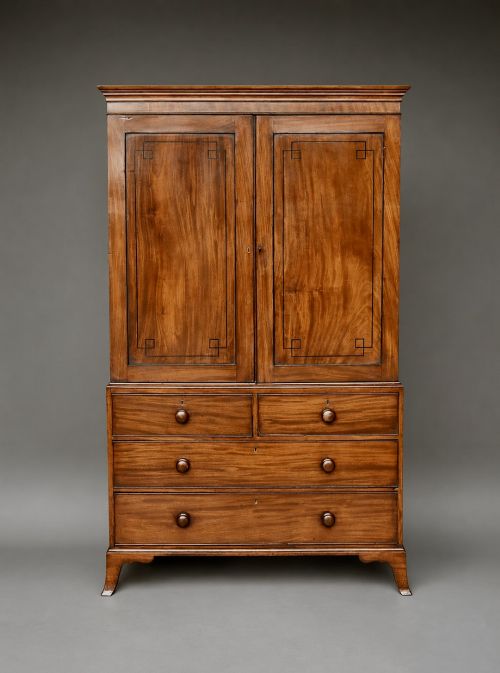
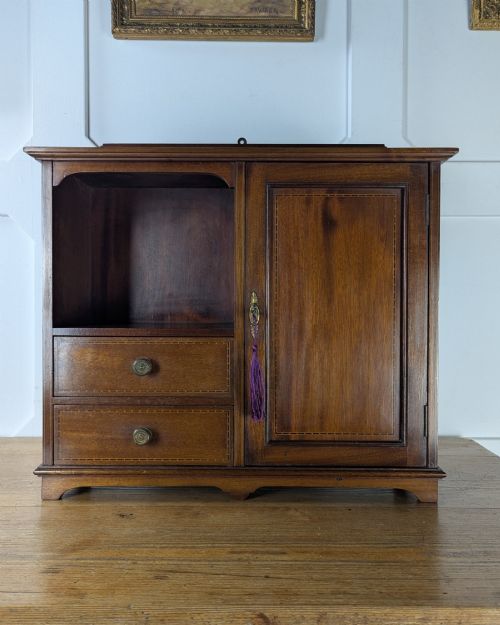
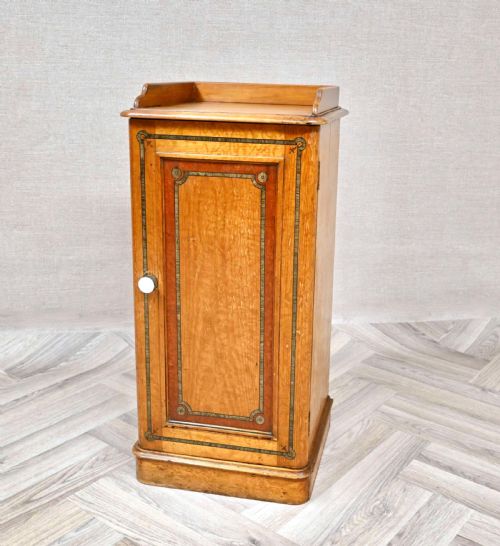
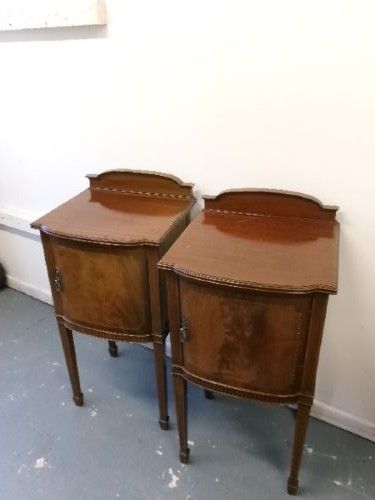
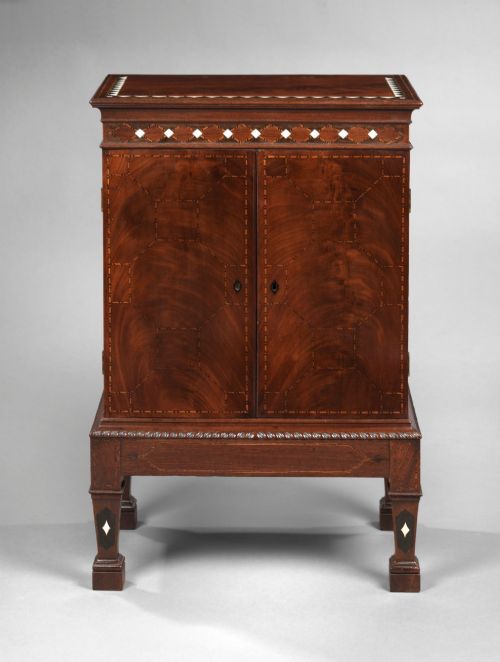
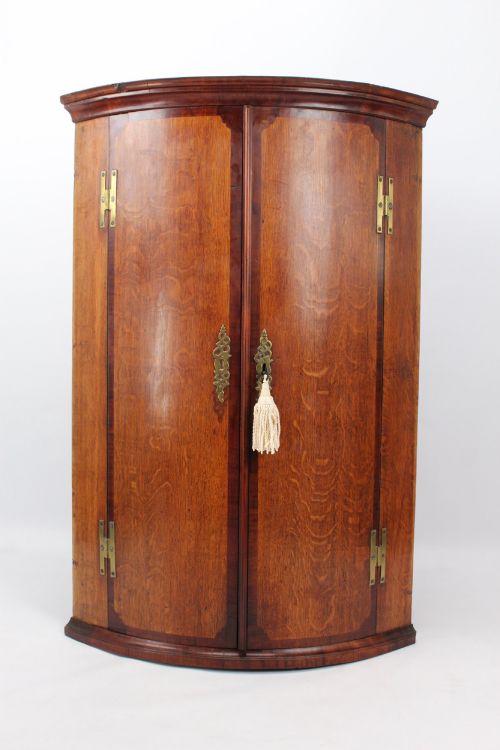
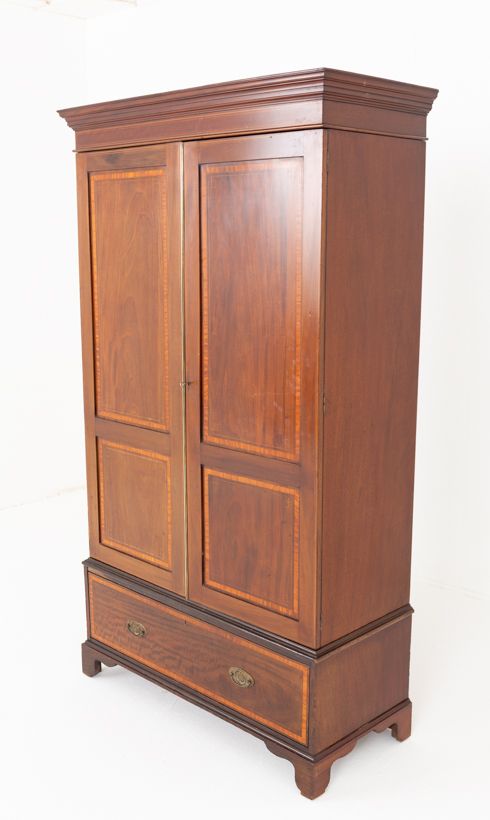
Inlaid Wooden Cupboard
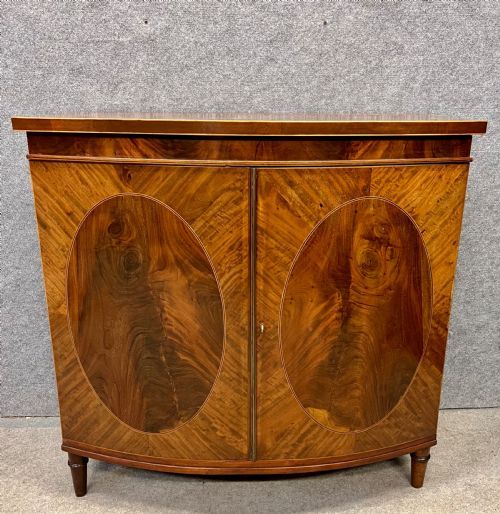
An inlaid wooden cupboard brings rich timber grain and precise marquetry into a room, offering both display space and concealed storage.
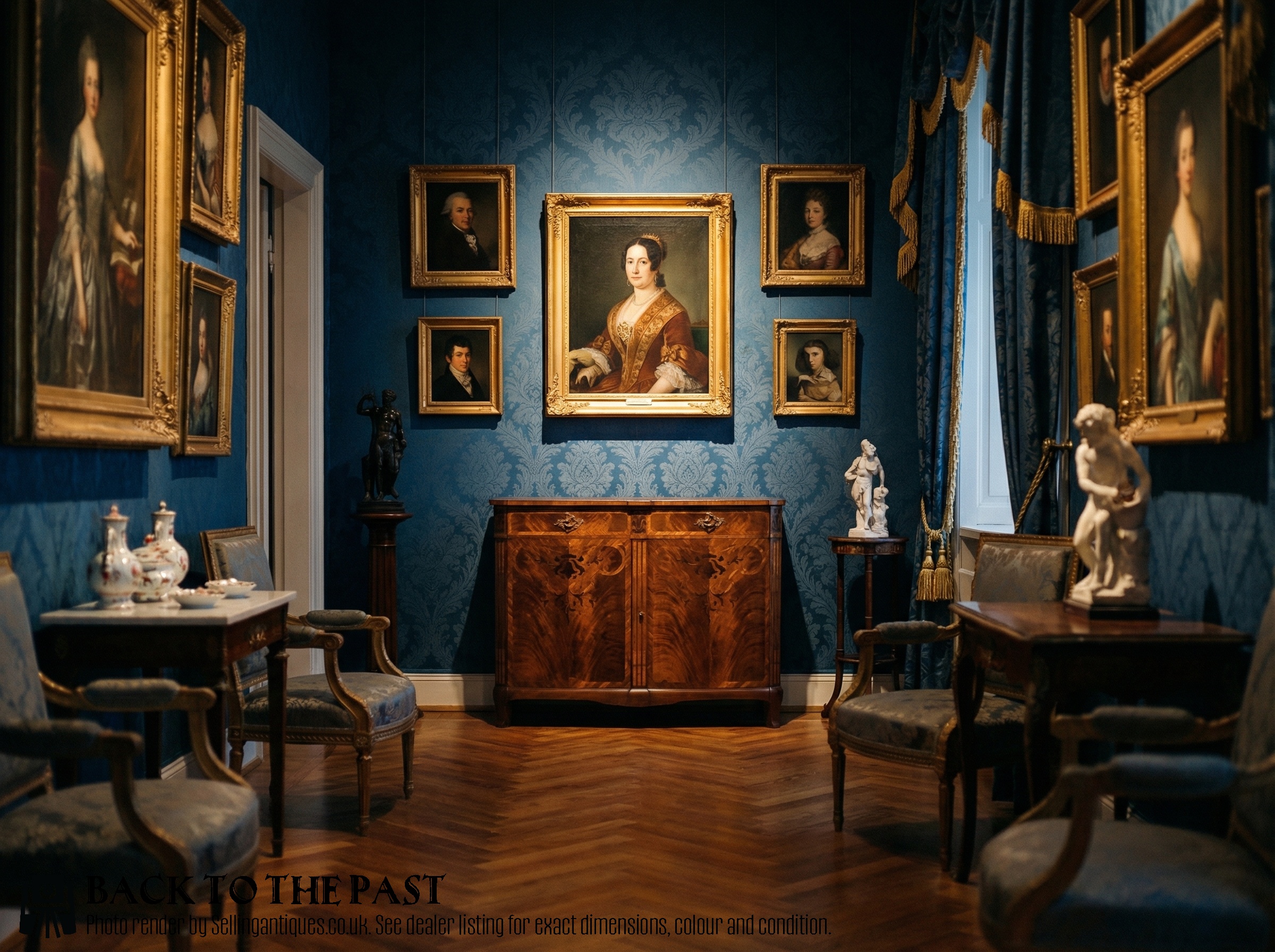
Inlaid Wooden Cupboard
An inlaid wooden cupboard encompasses a range of domestic furniture designed to hold garments, books, or small household items. The pieces on this page span several centuries, reaching from the Georgian period through the Victorian era to Edwardian and later twentieth-century examples.
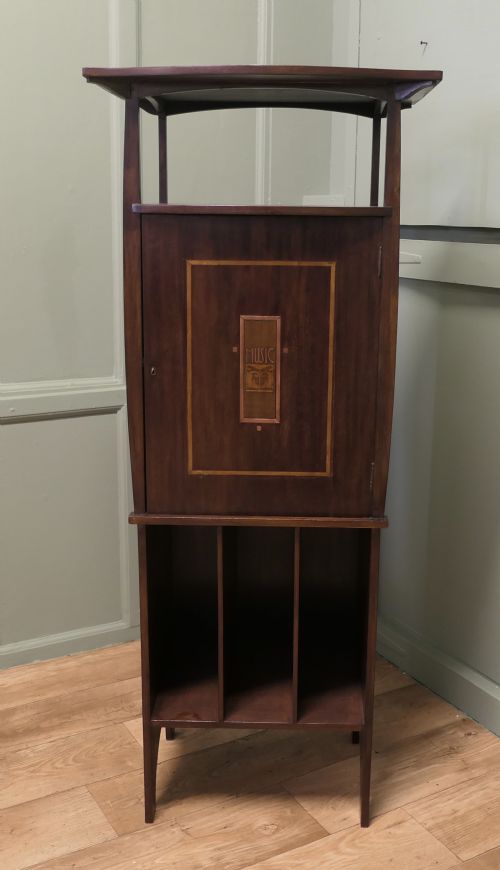
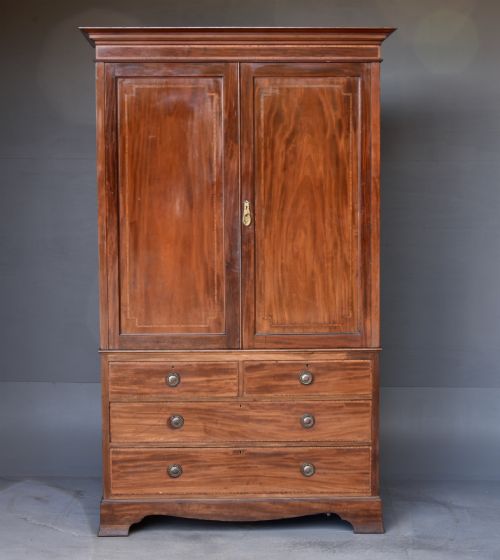
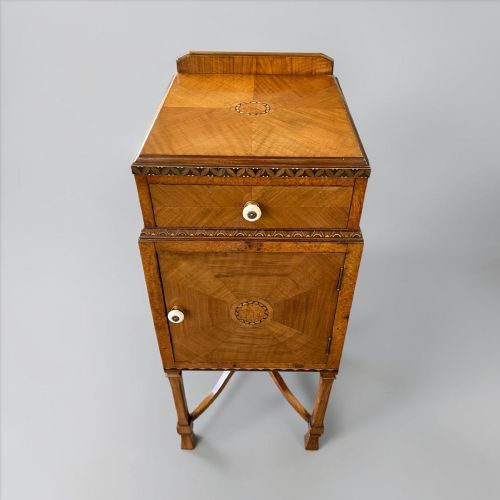
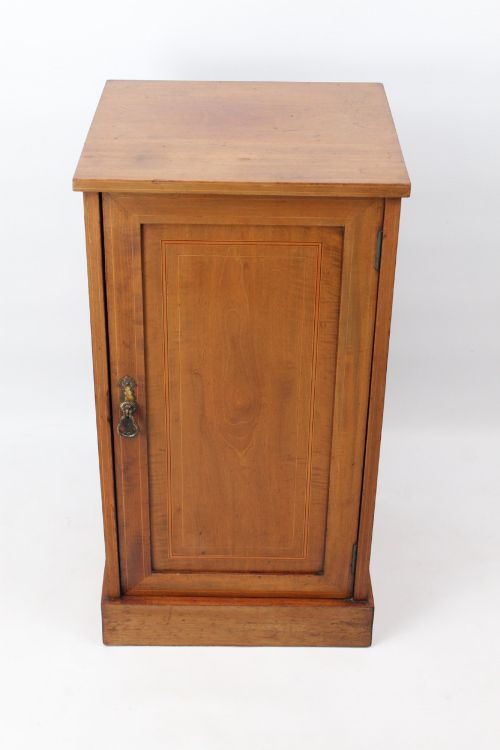
Buyers will encounter a variety of specific forms in these listings. Wardrobes, linen presses, bedside cabinets, and corner cupboards dominate the selection, alongside specialised pieces like music cabinets and stationery boxes.
The aesthetic vocabulary draws upon Georgian, Regency, Victorian, Edwardian, Sheraton Revival, and Arts and Crafts design traditions. Workshops from Britain, France, India, and Egypt contribute to the regional diversity of the timber work.
Materials and Technique
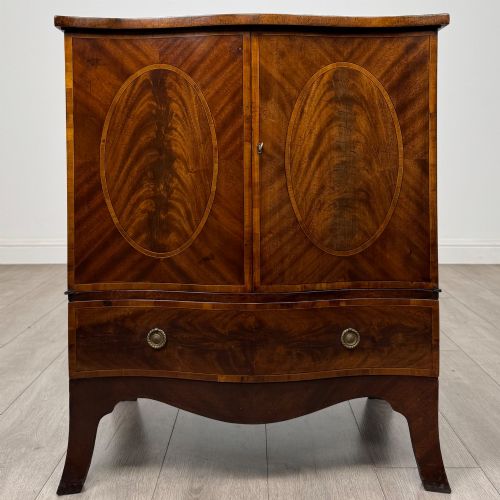
Cabinetmakers constructed these pieces primarily in mahogany, satinwood, oak, walnut, and pine, often selecting woods with prominent grain patterns such as flame mahogany or amboyna. Structural carcass work received external veneers and intricate contrasting details.
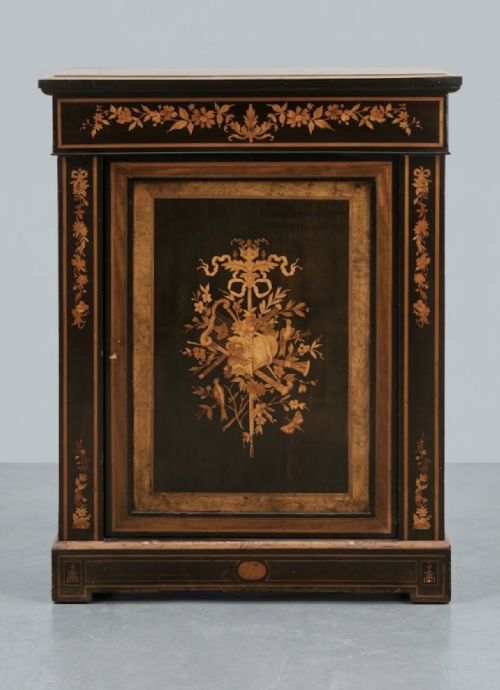
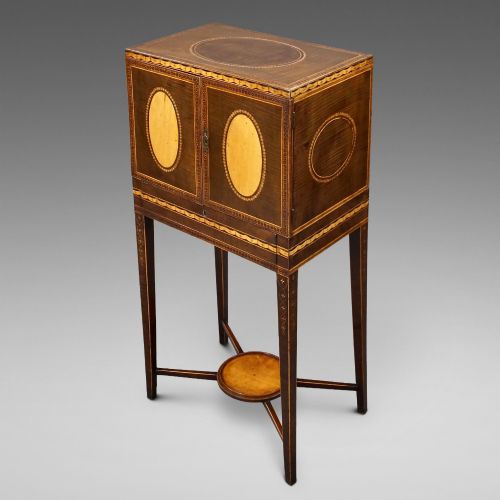
Decoration relies heavily on inlay and marquetry, utilising boxwood, bone, and lighter satinwoods to create geometric borders, floral motifs, and classical urns. Brass handles, escutcheons, and occasional stringing provide metallic contrast to the timber surfaces.
Inlaid Wooden Cupboard Retail Price Guide 2026
Typical asking prices for inlaid wooden cupboard among the pieces listed under this phrase on Sellingantiques today, from the lower quarter to the upper quarter. They describe what is for sale here now, not the wider market.
Listings feature woods ranging from indigenous British oak to exotic satinwood, harewood, and kingwood, reflecting global trade routes in cabinetmaking.
The Measure of Craft
Quality rests upon the precision of the timber selection and the accuracy of the joinery. Cabinetmakers who matched symmetrical wood grains across drawer fronts and door panels achieved a visual harmony absent in lesser utilitarian builds.
The finesse of the inlay work marks the distinction between standard production and master execution. Crisp, tight joints around contrasting stringing and marquetry without excessive filler demonstrate superior workshop practice.
maples & co·GM Elwood for JS Henry
The Inlaid Wooden Cupboard Glossary
- Marquetry
- A decorative technique applying pieces of veneer to a structure to form decorative patterns and pictures. Craftsmen cut various coloured woods to fit precisely together before gluing them to the carcass.
- Linen press
- A tall piece of furniture designed for storing folded textiles and garments. The upper section typically encloses sliding trays, while the lower section contains drawers.
- Carcass
- The main structural body or frame of a piece of furniture before drawers, doors, and surface veneers are applied. It provides the foundational strength for the entire cabinet.
- Escutcheon
- A protective plate surrounding a keyhole. These are frequently cast in brass and occasionally engraved to complement the surrounding woodwork.
Inlaid Wooden Cupboard: Frequently Asked Questions
How do I care for an inlaid wooden cupboard?
Keep the timber away from direct heat sources and sudden humidity changes to prevent the delicate veneer and inlay work from lifting. Apply a microcrystalline wax periodically to nourish the wood and maintain a gentle sheen.
Avoid using harsh modern chemical polishes or excessive moisture during cleaning. A soft, dry cloth removes dust safely from both the flat surfaces and the intricate marquetry details.
Where should I place a corner cupboard?
Corner cupboards suit unused room junctions, transforming empty angles into functional display or storage areas. Height and depth dimensions dictate whether a floor-standing unit or a wall-hung model fits the space best.
Ensure the door swing has adequate clearance from adjacent furniture and walls. Taller corner pieces benefit from wall fixings for stability.
How can I tell a Georgian cupboard from an Edwardian copy?
Examine the secondary timbers used inside the carcass and drawer linings, as Georgian pieces typically employ oak or pine native to the period of construction. Tool marks, dovetail dimensions, and the method of hinge attachment offer further clues regarding age.
Revival pieces from the Edwardian era often replicate earlier Sheraton or Chippendale styles but feature machine-sawn elements and standardised hardware fittings.