




Imari Ware Plates
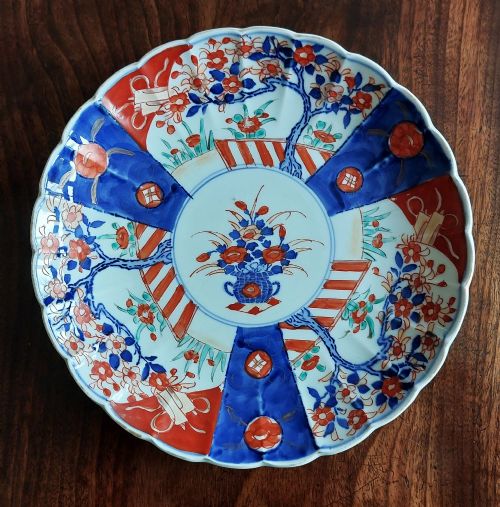
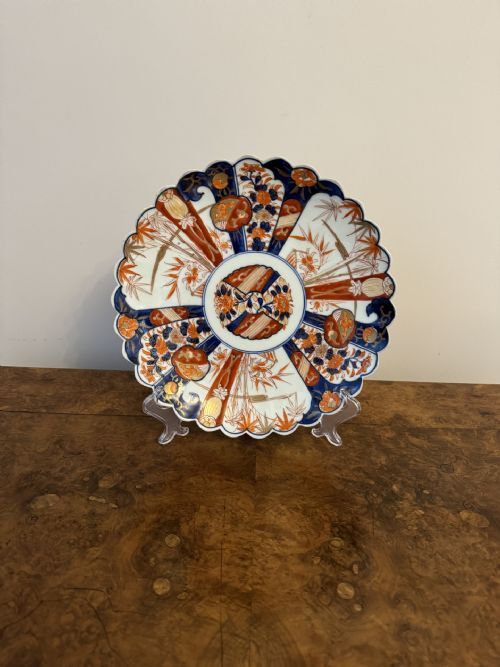
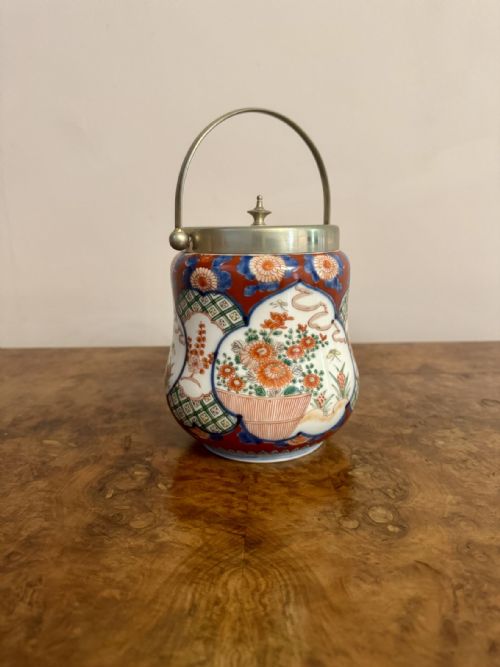
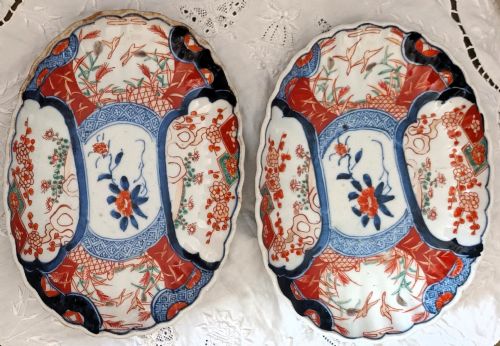
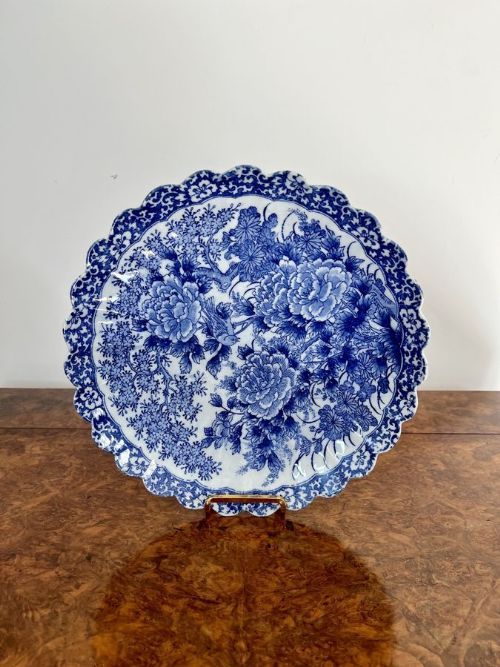
These imari ware plates are decorative porcelain pieces from Japanese periods offering distinct painted designs and traditional forms for your interior display.
Imari Ware Plates
When you search for imari ware plates, you encounter porcelain vessels created across the Edo and Meiji periods. The selection spans the seventeenth, eighteenth, and nineteenth centuries, stretching into the early twentieth century.
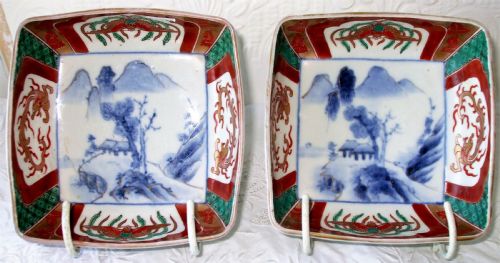
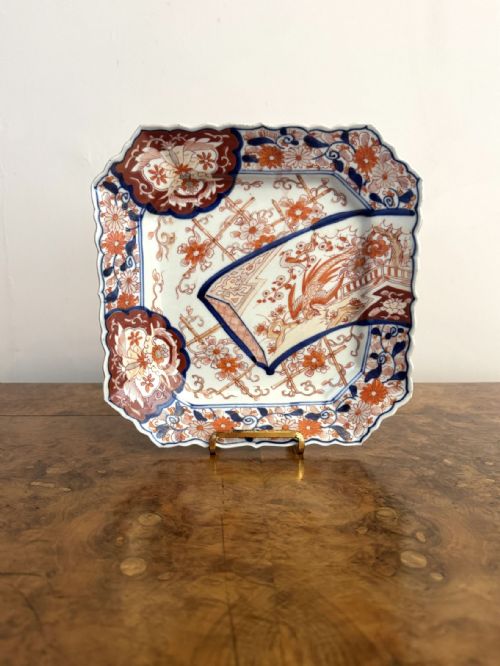
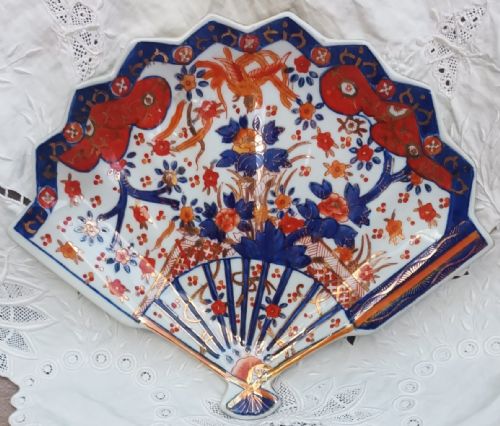
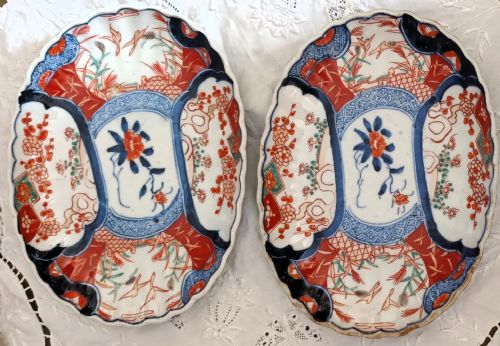
Most examples appearing on this page take the form of decorative plates, dishes, and large chargers intended for display. You also discover occasional variants shaped like squares, shells, fans, and hexagons.
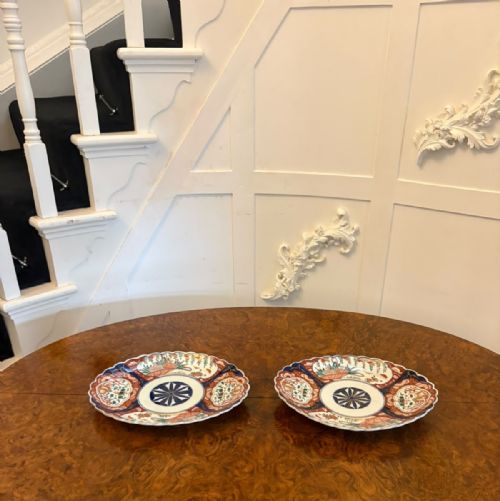
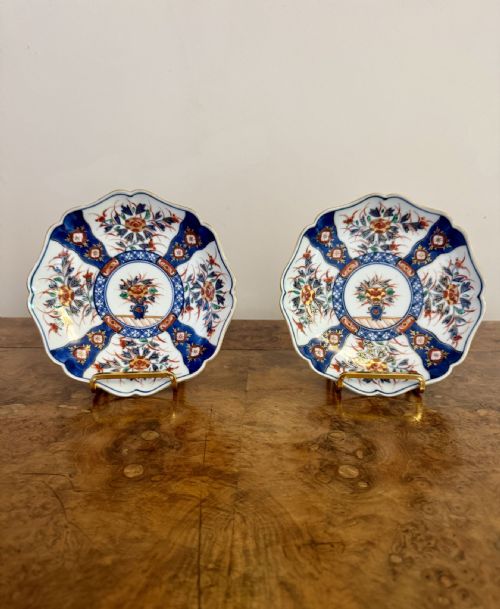
Originating in Japan, these items demonstrate the distinct aesthetic traditions of Arita kiln production. The physical evidence shows both single items and matched pairs or collections.
Materials and Techniques
The foundation of every piece is porcelain, shaped by hand into circular, oval, square, or irregular geometric forms. Artisans apply cobalt glaze beneath the surface alongside enamel glazes on top.
Makers integrate gold leaf, gilt, and gilding to accentuate specific details within the painted motifs. The firing process locks these mineral pigments and metallic elements onto the porcelain body.
Listings span from seventeenth-century Arita pieces to early twentieth-century Meiji examples, utilising porcelain, cobalt glaze, enamel, and gold leaf.
Assessment of Quality
The standard of a piece rests on the precision of the hand-painted floral and bird designs executed across the porcelain surface. Superior examples demonstrate crisp brushwork and balanced compositions within the cobalt and enamel palette.
Form also dictates distinction, as standard round dishes compare differently to complex shell, fan, or hexagonal shapes requiring advanced moulding skill. The application of gold leaf and the crispness of scalloped edges further separate standard items from finer works.
The Imari Ware Plates Glossary
- Imari
- A style of Japanese porcelain originating from Arita, traditionally decorated in underglaze blue, iron red, and gold. This palette defines the visual character of the objects on this page.
- Meiji Period
- A Japanese historical era lasting from 1868 to 1912, which produced many of the porcelain dishes and chargers found here. This era followed the Edo period.
- Edo Period
- The period in Japanese history spanning from 1603 to 1868, associated with early Arita porcelain production. Pieces from this time represent the earlier end of the timeline.
- Charger
- A large decorative plate or dish utilised for display rather than dining. These substantial pieces anchor a collection.
- Cobalt Glaze
- A blue pigment applied beneath the transparent glaze before high-temperature firing. This material provides the deep blue foundation of the colour scheme.
Imari Ware Plates: Frequently Asked Questions
What is an imari ware plate?
An imari ware plate is a piece of Japanese porcelain decorated with a distinctive palette of cobalt blue, iron red, and gold leaf. These items were produced primarily in the Arita region.
Such objects function as decorative display plates, chargers, and serving dishes rather than everyday tableware. Their vibrant patterns often incorporate floral and bird motifs.
How do you date imari plates?
Dating relies on stylistic shifts between the Edo and Meiji periods, alongside material characteristics like the tone of the cobalt glaze and enamel application. Earlier pieces originate from seventeenth and eighteenth-century kilns.
Later nineteenth and early twentieth-century examples exhibit specific manufacturing traits and decorative densities typical of the Meiji era. Examining the foot ring and porcelain body also aids chronological placement.
Were imari plates used for dining?
Many large chargers and shaped dishes were created specifically for ornamental display in Japanese and Western interiors. Their elaborate painted surfaces and delicate gilt work made them showpieces.
Smaller plates occasionally served functional dining roles, but surviving antique examples generally show minimal wear due to their collectible nature. Their primary historical role involved visual decoration.
How do I display these plates?
These decorative plates and chargers suit wall mounting using specialised wire hangers or placement on sturdy display stands. Their varied shapes, including fans, squares, and shells, create dynamic focal points on shelves.
Grouping pairs or small collections enhances their visual impact within a room. Ensure adequate support is used given the solid porcelain weight of larger chargers.