

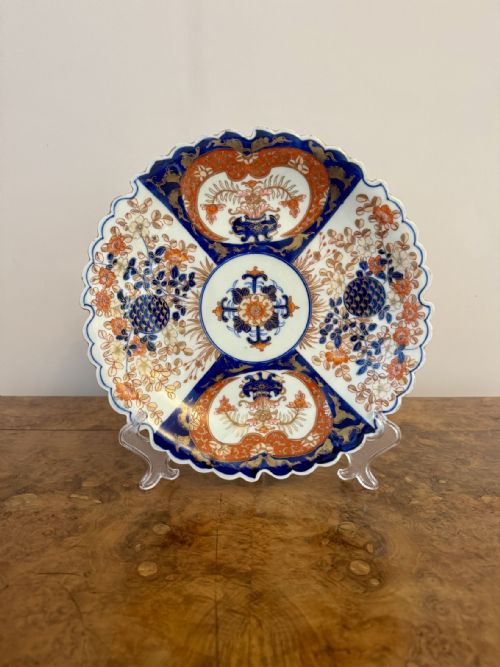
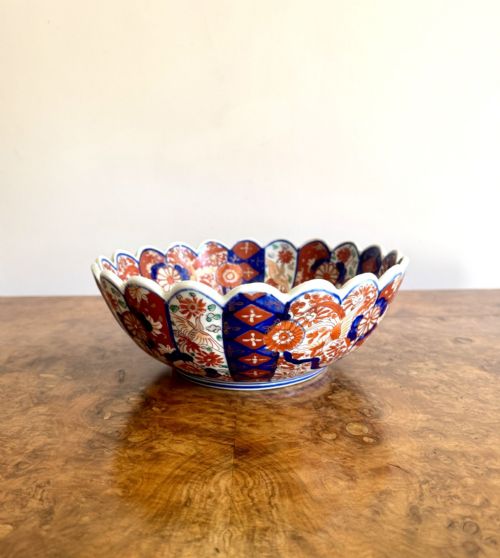


Vintage Japanese Porcelain Display
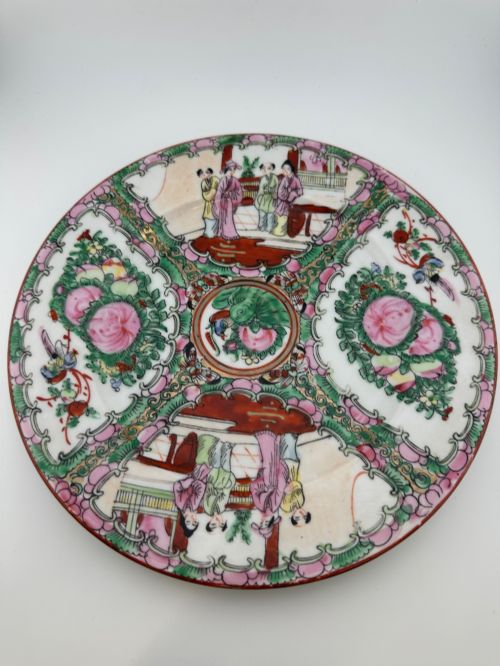
Vintage Japanese porcelain display pieces bring rich hand-painted colour and intricate historical motifs into a room, spanning decorative chargers, plates, bowls and vases.
Vintage Japanese Porcelain Display
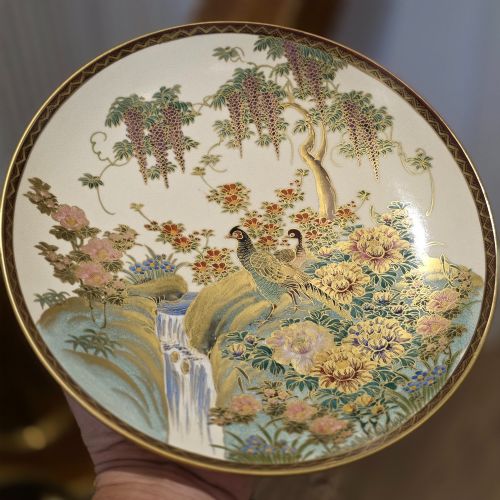
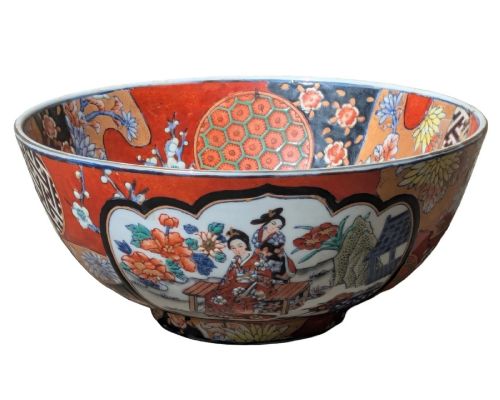
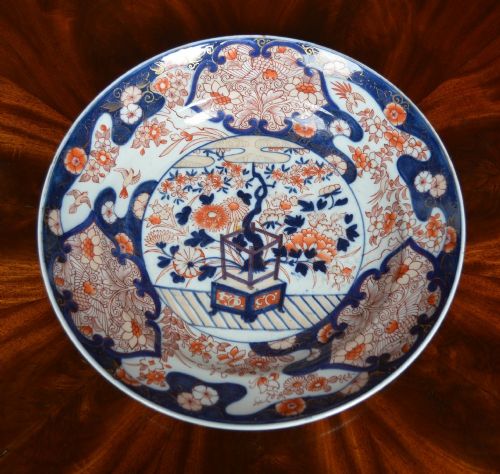
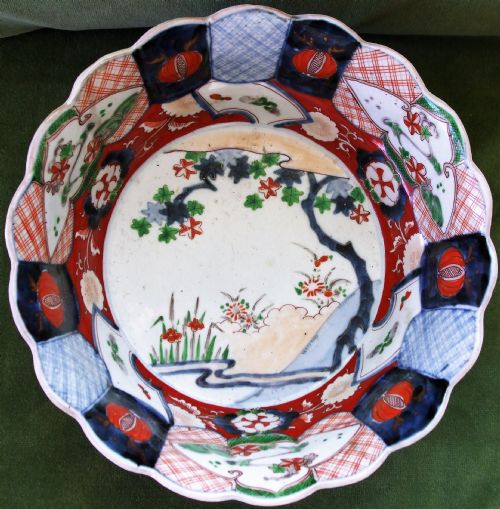
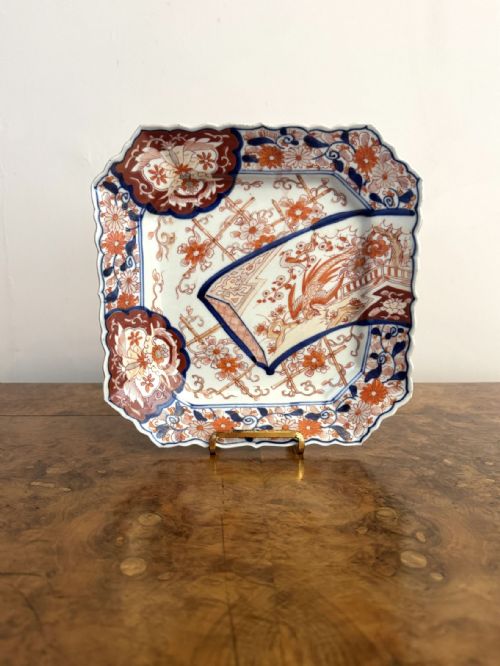
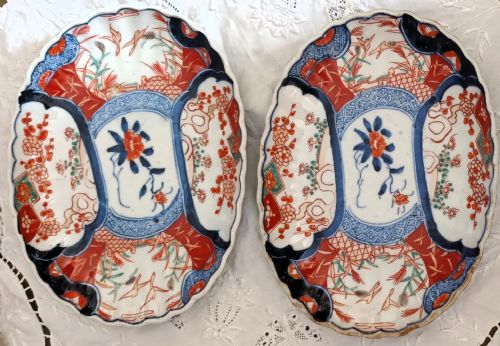
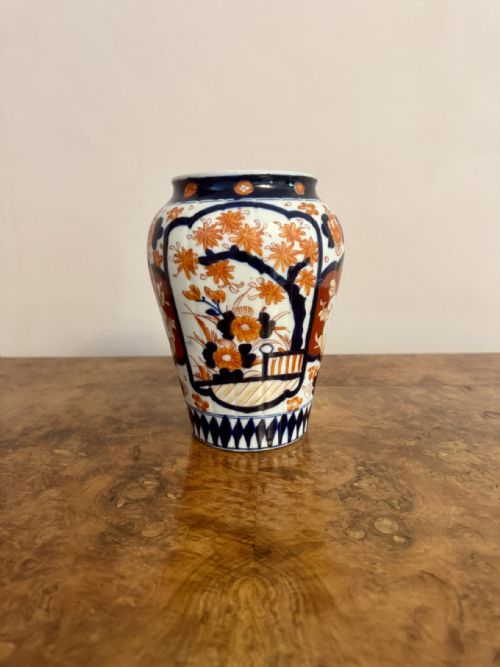
Buyers searching for vintage japanese porcelain display encounter a diverse selection of decorative plates, chargers, bowls and vases originating from the late nineteenth century through to the early twentieth century. The selection is heavily anchored by traditional Imari wares alongside Satsuma ceramic forms dating from the Meiji, Taisho and Showa periods.
The objects take various functional shapes repurposed for display, including large chargers, scalloped edge dishes, square plates and miniature vases. Many examples date from around nineteen hundred, reflecting prolific export production during the late Victorian and Edwardian eras.
Vessels often feature distinct forms such as hexagonal bowls, ribbon plates and monumental tea jars. These items serve primarily as focal decorative objects for wall hanging or surface placement rather than utilitarian tableware.
Materials and construction
The pieces are constructed from ceramic bodies including porcelain and earthenware, fired and finished with applied glazes. Surface decoration frequently incorporates hand-painted enamel pigments combined with detailed gold leaf and gilt work.
Kutani, Imari and Satsuma traditions utilise distinct artistic techniques, ranging from vibrant cobalt blue and iron red underglaze painting to finely detailed figural processions rendered in raised enamel and gold gilt.
Listings feature porcelain, earthenware, enamel and gold leaf across Victorian, Meiji and Showa periods.
Assessing quality and execution
The upper tier of pieces is distinguished by the precision of the hand-painted brushwork, particularly in complex figural scenes depicting deities, samurai or landscapes. Finer execution shows careful control over the contrasting iron red and cobalt blue pigments associated with Imari wares.
Satsuma quality relies on the delicacy of the miniature painting and the richness of the gold gilt application over the earthenware body. Superior examples demonstrate crisp moulding in shaped edges, such as scalloped rims or square plates, alongside balanced composition.
Koshida·Tokyo Taizan·Kinkozan
The Vintage Japanese Porcelain Display Glossary
- Imari
- A style of Japanese porcelain exported from the port of Imari, traditionally characterised by a palette of underglaze blue, iron red, and gold.
- Satsuma
- A type of Japanese earthenware featuring a crackled ivory glaze decorated with polychrome enamels and extensive gilding.
- Charger
- A large decorative plate intended for display on a wall or sideboard rather than for serving food at the table.
- Meiji Period
- The era of Japanese history lasting from eighteen sixty-eight to nineteen twelve, noted for opening trade with the West and high artistic output.
- Mon
- A Japanese heraldic badge or crest used to identify families or clans, frequently found painted on Satsuma and Imari ceramics.
Vintage Japanese Porcelain Display: Frequently Asked Questions
How do I hang a heavy charger safely?
Large chargers require robust spring-loaded brass wall hangers that distribute the weight evenly across the rim. Ensure the fixing is secured firmly into a wall stud rather than plaster alone.
Check the wire or wall hook periodically to maintain secure placement and prevent accidental slips.
What is the difference between Imari and Satsuma?
Imari pieces are hard-paste porcelain decorated in cobalt blue and iron red, often with added gilt. They possess a ringing tone when tapped and a smooth glazed finish.
Satsuma ceramics use an earthenware body with a fine crackle glaze, typically painted with detailed figures and heavy gold leaf.
How should I clean these decorative pieces?
Dust the surface gently using a soft, dry ostrich feather duster or a clean microfibre cloth. Avoid using water, detergents or abrasive cloths, as moisture can damage older enamels and gold gilt.
Keep pieces away from direct sunlight to prevent fading of the hand-painted pigments over time.
How do I identify the production period?
Dating relies on stylistic markers, decorative motifs and recorded workshop signatures. Pieces from the Meiji period often exhibit meticulous detail and specific regional export styles.
Later items from the Taisho or Showa periods show shifts in manufacturing techniques and broader export trends.