
Imari Porcelain Vase
An imari porcelain vase brings rich palettes of blue, red and gold leaf into a room, joining centuries of Japanese and European craft traditions.
What an imari porcelain vase is
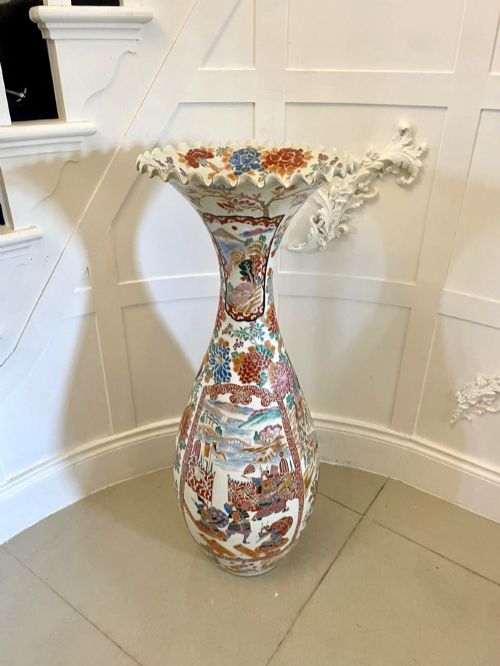
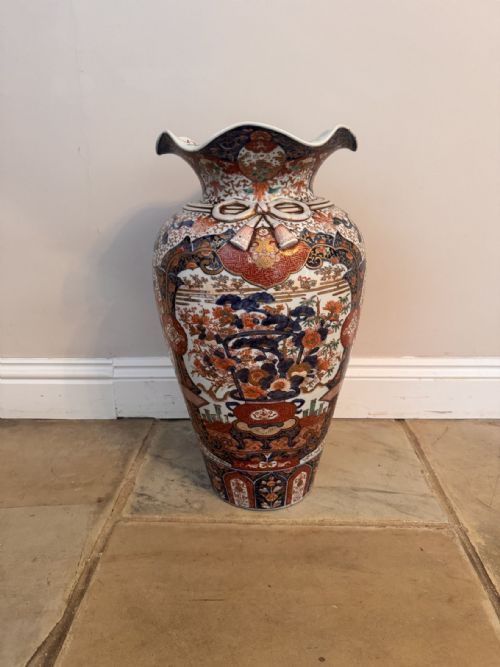
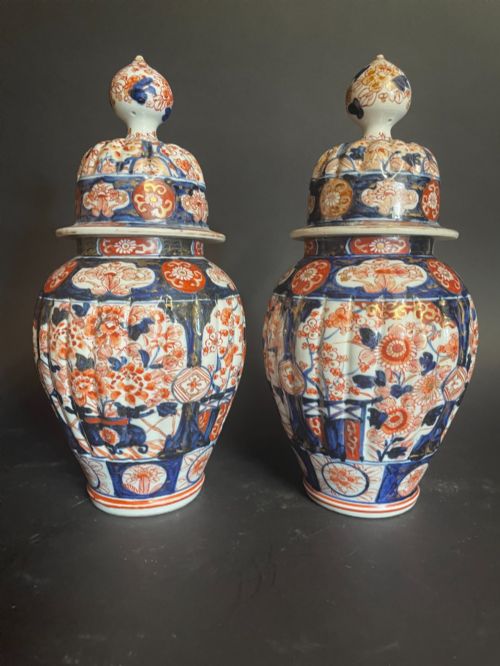
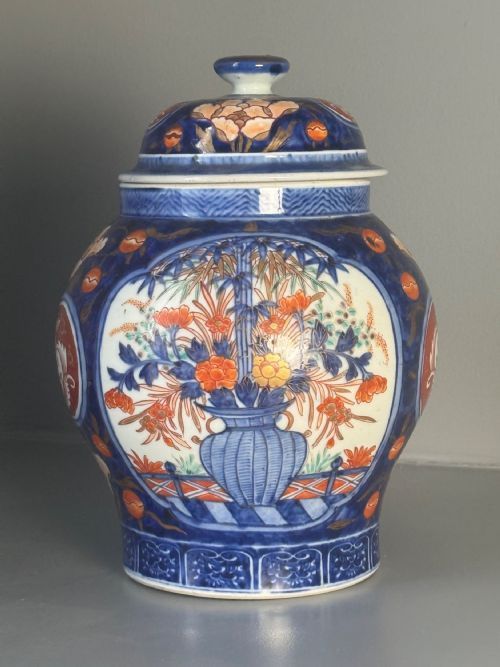
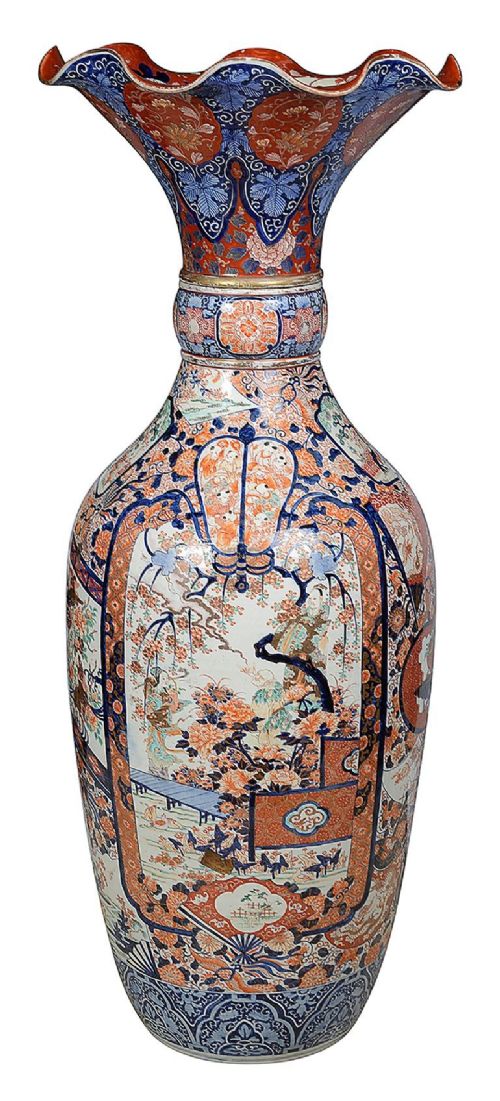
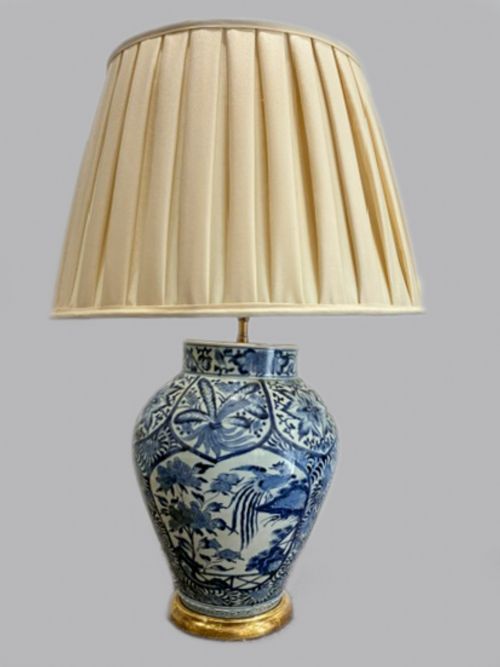
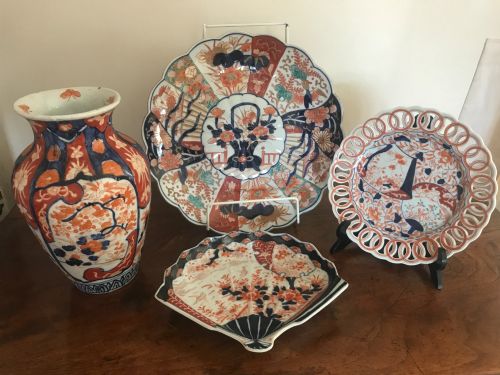
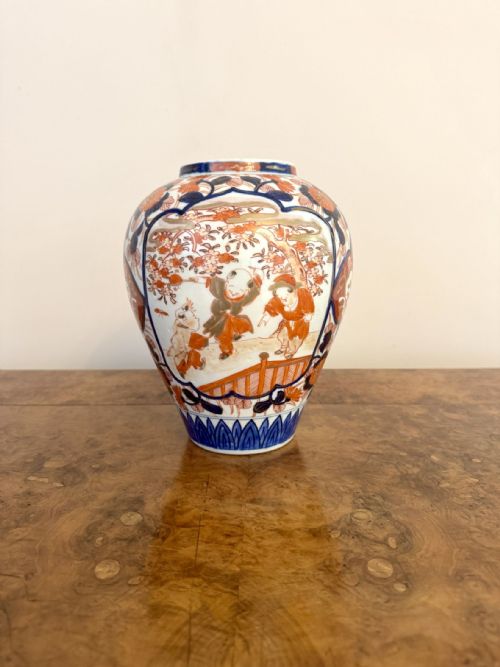
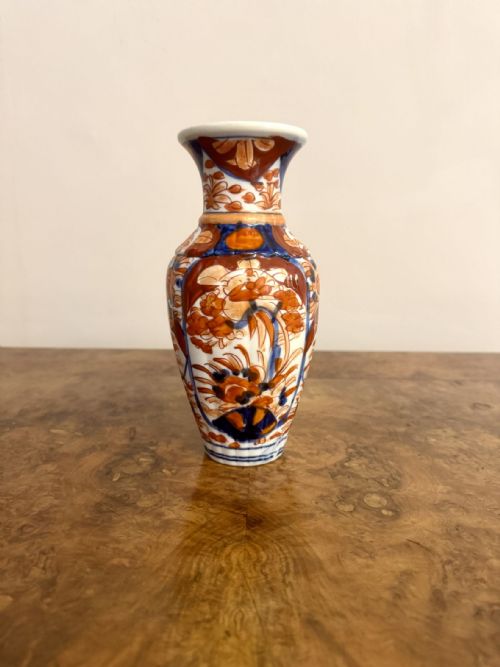
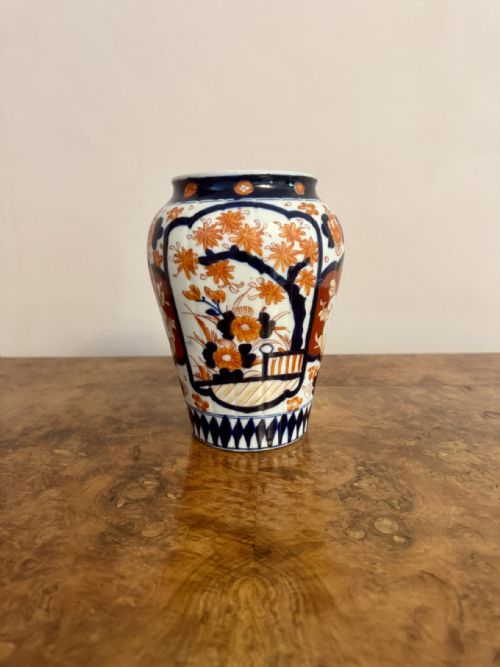
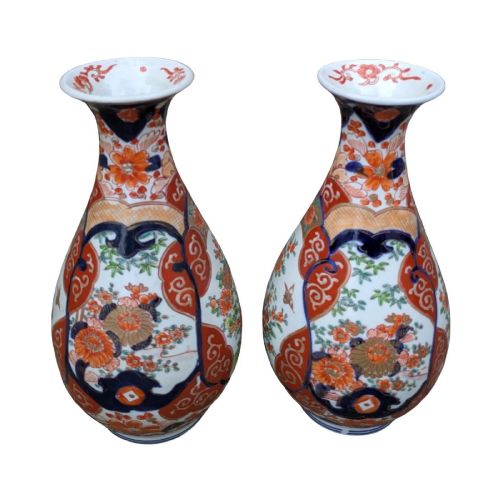
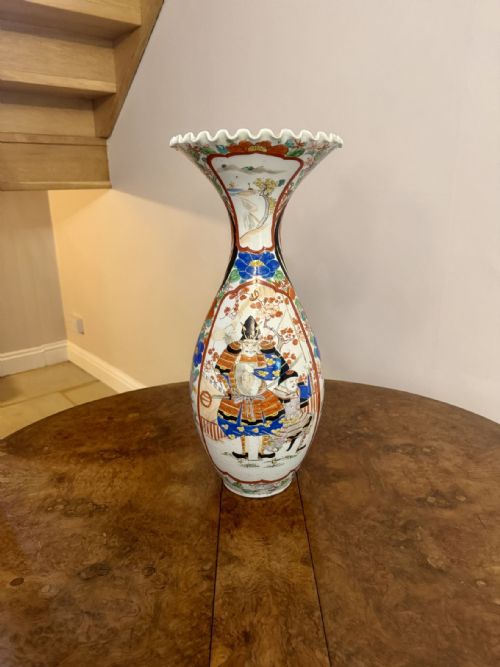
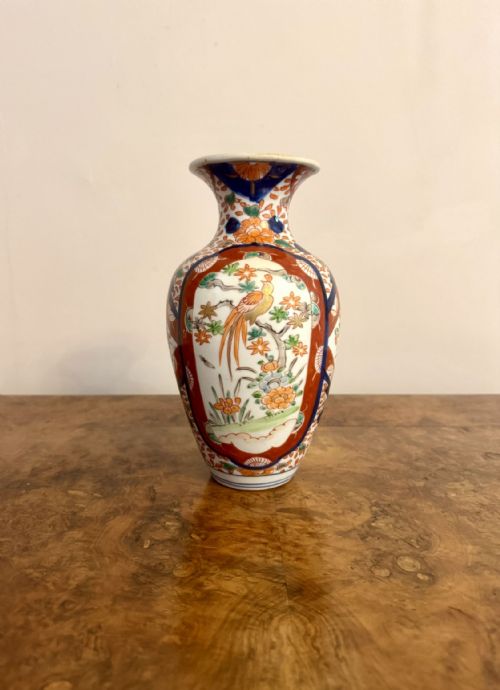
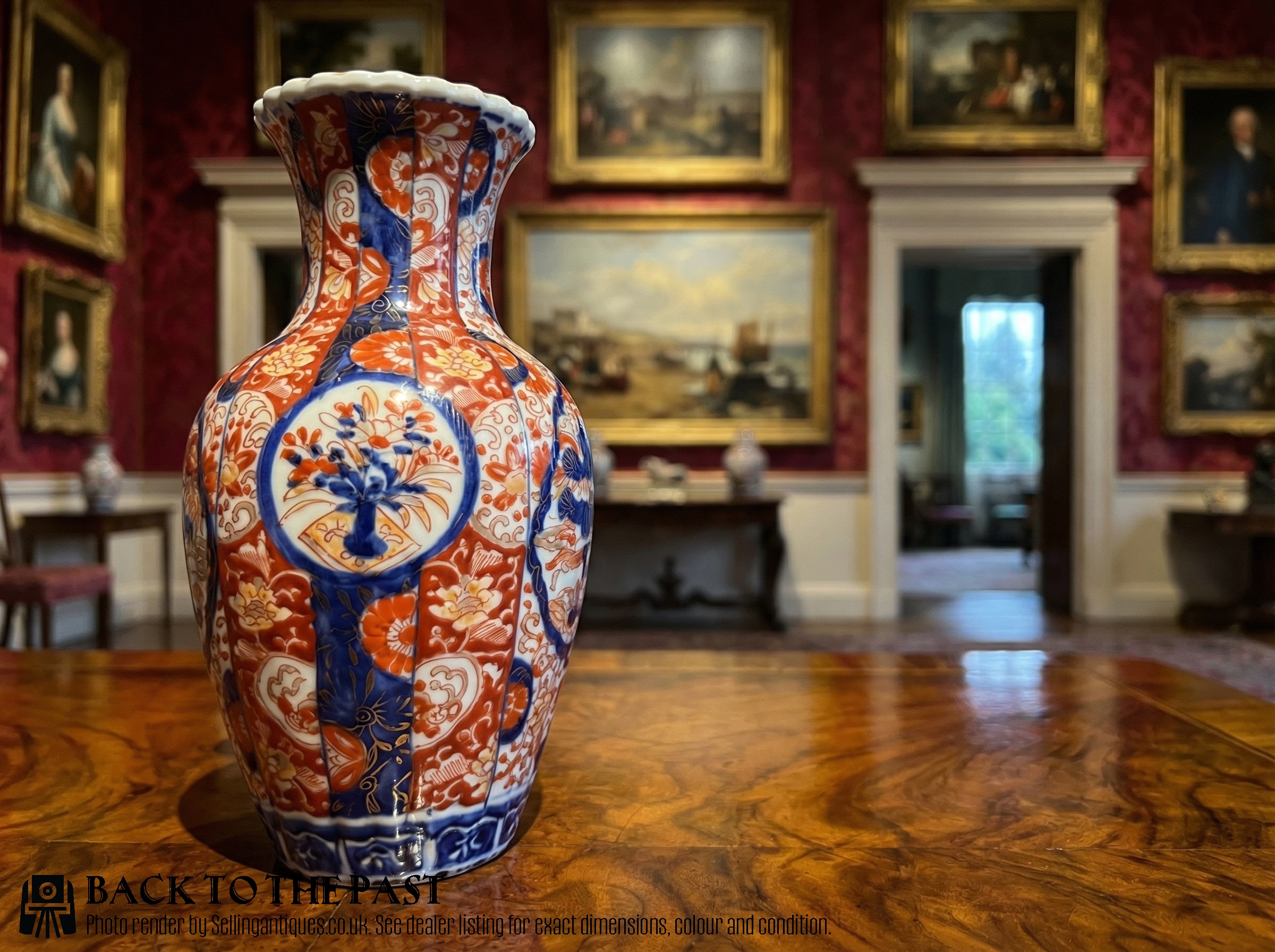
An imari porcelain vase encompasses centuries of ceramic history, originating from Japanese kilns in Arita and later inspiring European potteries. These vessels arrive in forms ranging from slender neck shapes and bud vases to large floor standing pairs and covered temple jars.
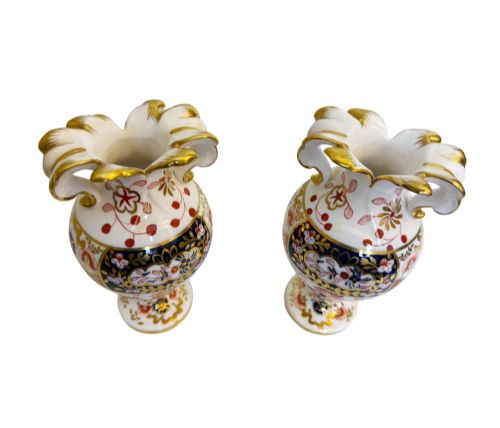
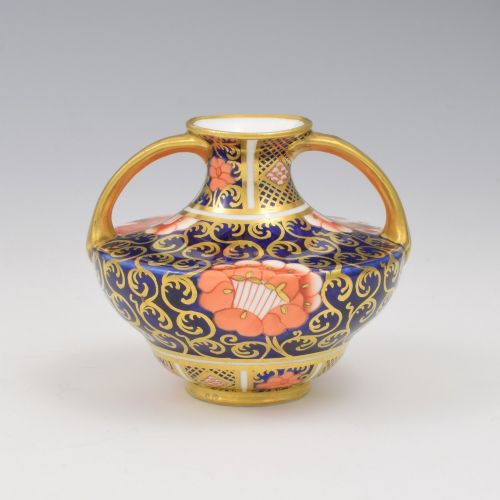
The objects seen here span Japanese production periods like the Edo, Genroku and Meiji eras, alongside English and French interpretations from the eighteenth and nineteenth centuries. Buyers frequently encounter nineteenth-century Japanese examples alongside Edwardian pieces and British variations produced by factories such as Spode and Davenport.
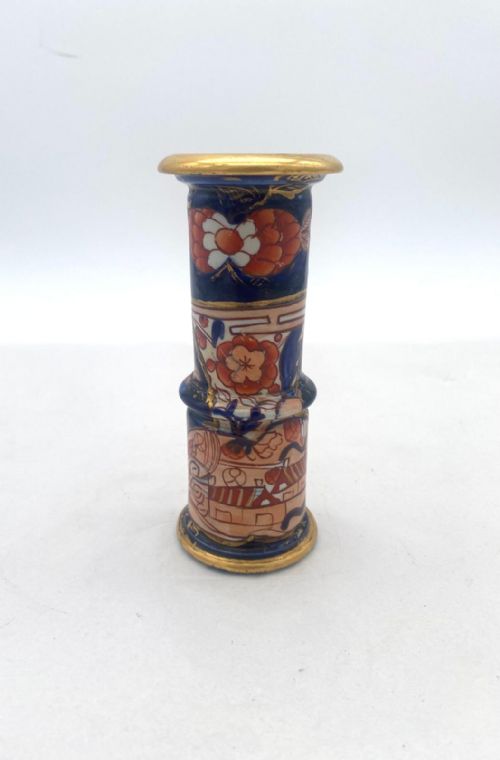
Forms include trumpet vases, moon flasks, spill vases and ribbed bodies with fluted designs. Whether created for export in Japanese ports or painted in European studios, each piece carries the distinct palette associated with the style.

How they were made
Makers shaped porcelain clay on the wheel or pressed it into moulds, creating ribbed, fluted or panelled bodies. Potters then applied underglaze blue and overglaze enamels, often incorporating gold leaf or gold gilding to highlight the decorative motifs.
Many larger vessels required fitted covers, while some European iterations integrated ormolu mounts to suit contemporary tastes. Kiln firing fixed the cobalt blue beneath the glaze before secondary firings fused the colourful enamel pigments and metallic highlights to the surface.
Retail Price Guide 2026
Typical UK retail prices for imari porcelain vase, calculated from the Sellingantiques database of over a million retail prices indexed since 2003. This retail price guide relies exclusively on Sellingantiques data; no external sources or auction records are used, so the figures do not describe the wider market.
Some nineteenth-century French makers enjoyed crafting porcelain vases so much they dressed them up in heavy bronze ormolu jackets.
What varies in quality
The distinction between standard commercial output and superior craftsmanship rests upon the precision of the hand-painted brushwork and the richness of the enamel and gold leaf application. Finer pieces display crisp cobalt definition beneath clear glazes and densely detailed secondary pigments that resist fading or rubbing.
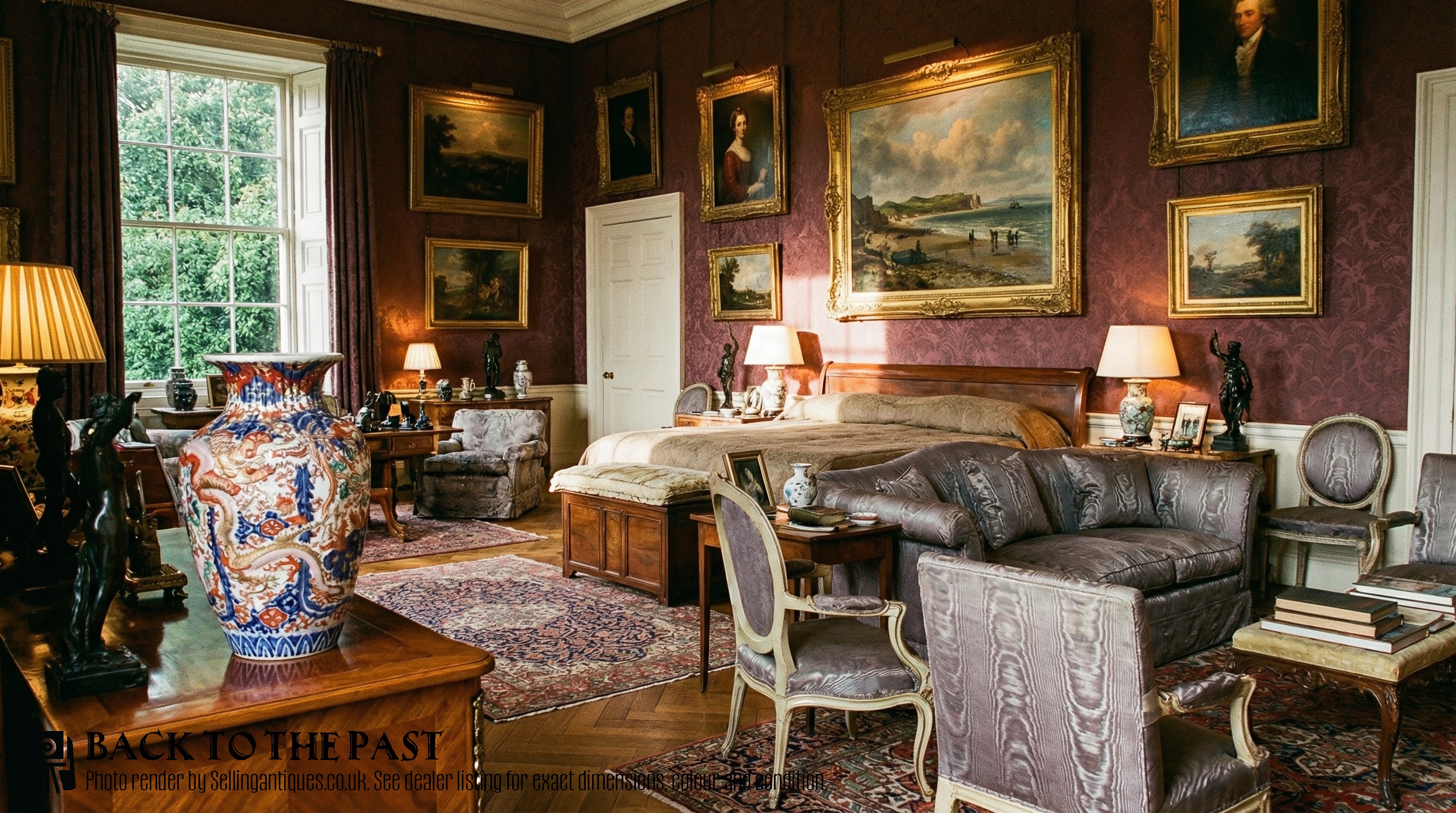
Proportion and weight also dictate the standing of a vessel, with larger floor-standing pieces or matched pairs requiring exceptional kiln control during firing to prevent distortion. The inclusion of original covers, stands or robust ormolu mounts further elevates the character of the surviving piece.
Royal Crown Derby·Samson of Paris·Spode·Davenport
The Imari Porcelain Vase Glossary
- Imari palette
- A decorative scheme defined by underglaze blue, iron red, and enriched with gold leaf or gilding. This palette originated in Japanese export wares before European factories adopted the aesthetic.
- Arita
- The Japanese town and surrounding region where porcelain production first flourished. Kilns here produced the original export wares that defined the aesthetic.
- Meiji Period
- The era in Japanese history spanning from 1868 to 1912. Pieces from this time often exhibit elaborate detail and confident potting.
- Ormolu
- Gilded bronze used for decorative mounts on furniture and ceramics. French makers frequently employed these mounts to frame porcelain vessels.
- Genroku Period
- A cultural golden age in Japan lasting from 1688 to 1704. Surviving ceramics from this early window are prized by collectors.
Frequently Asked Questions
How do I tell Japanese imari from European copies?
Japanese pieces usually originate from Arita kilns and display characteristic potting techniques alongside traditional export motifs. European makers like Samson of Paris or Spode produced deliberate interpretations, often revealing different paste compositions and stylistic nuances upon close inspection.
Examining the base, glaze texture and the specific hue of the underglaze blue helps clarify the geographical origin. European factories frequently marked their porcelain, whereas many nineteenth-century Japanese items rely on stylistic markers rather than factory stamps.
Were these vases made for export?
A substantial portion of these ceramics was produced specifically for international trade markets through ports in Japan. European traders eagerly collected the colourful porcelain, prompting domestic potteries in England and France to create their own versions.
This exchange of designs resulted in objects that blended Eastern palettes with Western forms such as moon flasks and spill vases. Consequently, collections today feature both direct imports and European tributes.
How should I clean my porcelain vase?
Maintenance requires gentle dusting with a soft, dry cloth to protect delicate overglaze enamels and gold leaf highlights. Avoid immersing antique pieces in water, particularly those with exposed clay bodies or metallic mounts.
Chemical cleaners and abrasive pads will permanently damage the surface decoration. Professional conservation advice should be sought for any vessel requiring more than surface dust removal.
What periods do these pieces represent?
The timeline spans from late seventeenth-century Genroku and Edo period wares through nineteenth-century Meiji productions. European interpretations from the Georgian, Victorian and Edwardian eras also contribute to the available range.
Each period brings distinct manufacturing traits, from early export potting to later nineteenth-century floor-standing statement pieces. Dating relies on stylistic analysis, paste characteristics and historical factory markers.