







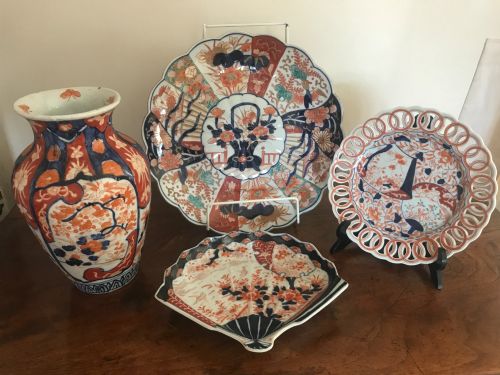
Imari Porcelain Dishes
Imari porcelain dishes bring rich iron-red and cobalt hues to a table or wall, combining centuries of ceramic artistry across Japanese, Chinese, and English traditions.
Imari Porcelain Dishes
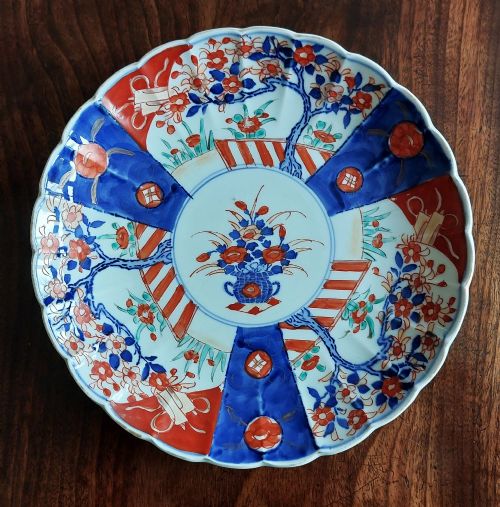
When you search for imari porcelain dishes, you encounter a distinct cross-cultural palette characterised by underglaze blue and iron-red enamel, often enriched with gilt. These items span periods from the eighteenth century through the Meiji era and into the twentieth century, reflecting both Asian origins and subsequent European adaptations.
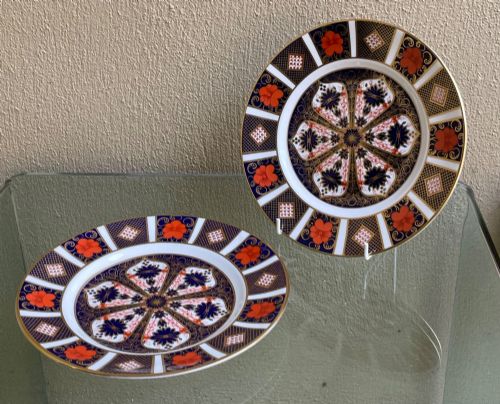
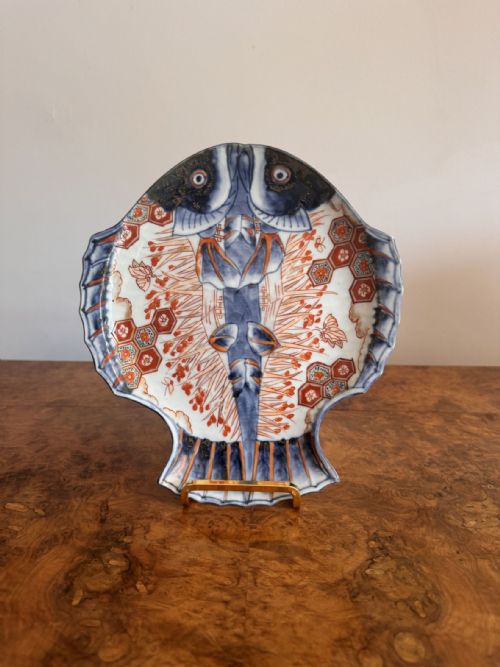
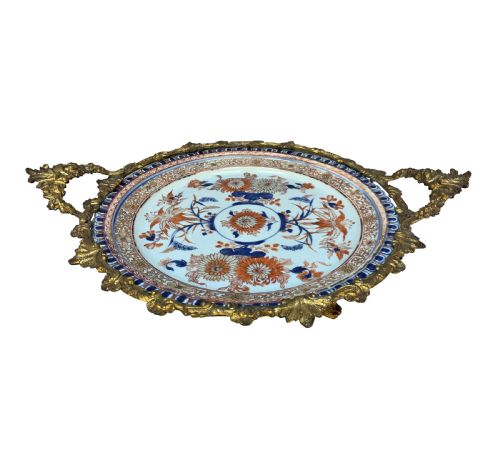
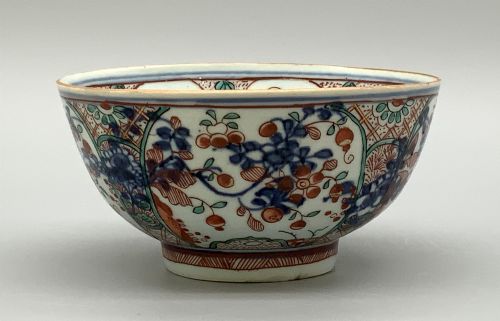
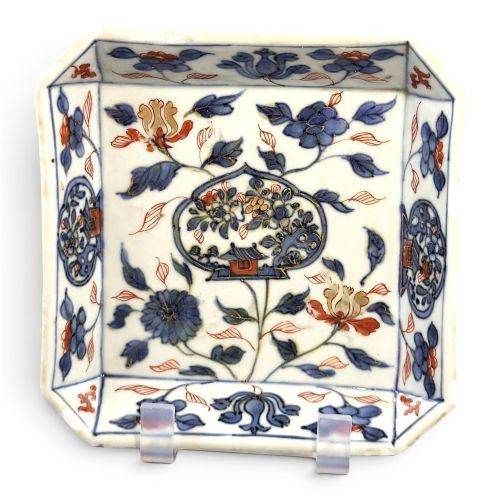
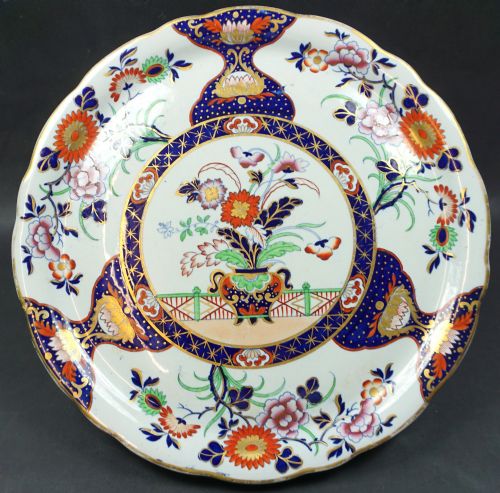
The pieces appearing on this page take various forms, from deep chargers and scalloped plates to bowls and unusual shapes like fish, shells, and squares. Japanese Meiji period examples and eighteenth-century Chinese export wares dominate the selection, alongside English ironstone interpretations from the Georgian era.
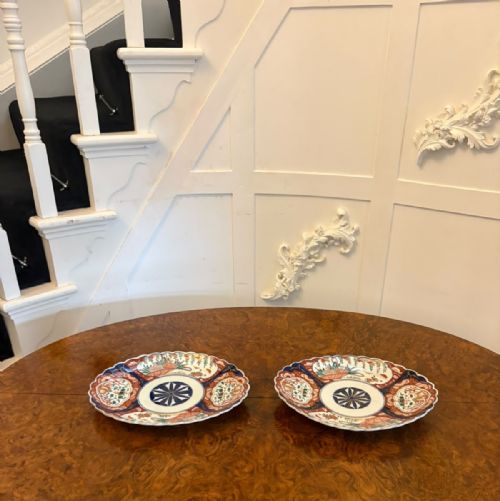
Buyers find both single decorative items and matched pairs suitable for display or serving. The tradition bridges distant workshops and domestic parlours, uniting diverse eras through a shared visual vocabulary.
Materials and production methods
Makers shaped these wares from porcelain, ceramic, and ironstone, applying mineral glazes to seal the body before adding decoration. Cobalt blue pigment went under the glaze to endure high kiln temperatures, yielding deep, permanent tones.
Enamel colours and gold leaf or gilding were then painted over the glaze and fixed in a second, cooler firing. This multi-stage process created the characteristic textured surface where metallic leaf and coloured enamels sit slightly proud of the white ceramic ground.
Imari Porcelain Dishes Retail Price Guide 2026
Typical asking prices for imari porcelain dishes among the pieces listed under this phrase on Sellingantiques today, from the lower quarter to the upper quarter. They describe what is for sale here now, not the wider market.
The listings span multiple centuries, uniting eighteenth-century Chinese Kangxi bowls with nineteenth-century Japanese Meiji chargers and twentieth-century English ironstone plates.
Judging the standard of execution
Quality in these ceramics rests on the crispness of the underglaze painting and the precision of the overglaze enamelling. Finer pieces display confident brushwork and secure registration of patterns within the border panels, avoiding muddy overlaps of pigment.
The preservation of the gold leaf and enamel layers dictates the visual impact of an individual item. Examples retaining bright gilding and unrubbed iron-red details demonstrate careful handling over centuries.
Hicks & Meigh·John Davenport of Longport·Mason's Ironstone·Royal Crown Derby
The Imari Porcelain Dishes Glossary
- Imari
- A style of ceramic decoration originating in Japan and subsequently copied in China and Europe, typically featuring a palette of cobalt blue, iron-red, and gold. The name derives from the port from which Japanese wares were shipped to the West.
- Meiji Period
- The era in Japanese history spanning from 1868 to 1912, noted for prolific production of decorative arts exported internationally. Pieces from this time often show intricate detailing and varied plate forms.
- Ironstone
- A heavy, durable type of ceramic developed in nineteenth-century England as a robust alternative to porcelain. Factories utilised it to produce Imari-pattern tableware.
- Charger
- A large decorative plate intended primarily for display on a wall or sideboard rather than for practical dining use. These items offer a broad canvas for complex painted compositions.
- Enamel
- Opaque coloured glass fused to the surface of fired ceramic during a secondary low-temperature kiln run. This technique allowed makers to add vibrant reds, greens, and yellows to the finished piece.
Imari Porcelain Dishes: Frequently Asked Questions
How do I hang imari chargers safely?
Chargers require proprietary wire hangers that grip the rim securely without placing undue pressure on the ceramic body. Ensure the wall fixing engages a stud or uses a proper anchor suitable for the weight of the piece.
Position display plates away from direct sunlight and busy walkways to protect the delicate enamel and gilt surfaces from accidental knocks.
Can I use antique imari plates for dining?
While these items served functional roles originally, many collectors restrict older porcelain and ironstone to display. Overglaze enamels and gold leaf can wear away with frequent cutlery use and harsh dishwashing detergents.
Gentle hand washing in lukewarm water with mild soap preserves the painted decoration if you choose to use them occasionally for dining.
How do I distinguish Japanese imari from Chinese export pieces?
Japanese examples, particularly from the Meiji period, often feature distinct greyish undertones in the body and denser, more asymmetrical panel layouts. Chinese export wares made for Western markets during the Kangxi and Qing periods typically exhibit a brighter white porcelain paste and crisp, detailed botanical motifs.
Examining the foot ring and glaze pooling on the underside provides further clues regarding the origin of the workshop.
What is the difference between porcelain and ironstone imari?
Porcelain is a vitrified, translucent ceramic fired at high temperatures, producing a thin and resonant body. Ironstone is a dense, opaque earthenware developed in nineteenth-century England that prioritises durability over translucency.
English ironstone versions substitute the lighter Asian body with a heavier earthenware substance while maintaining the signature red, blue, and gold colour scheme.