







Imari Ceramic Dishes
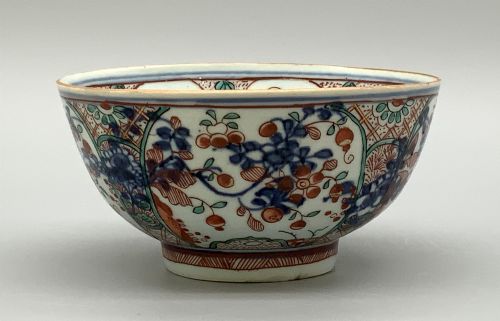
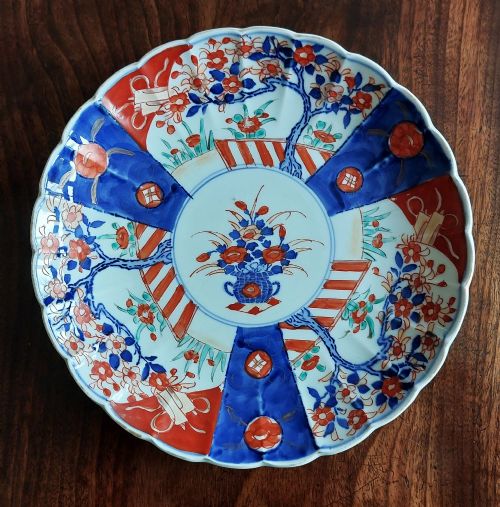
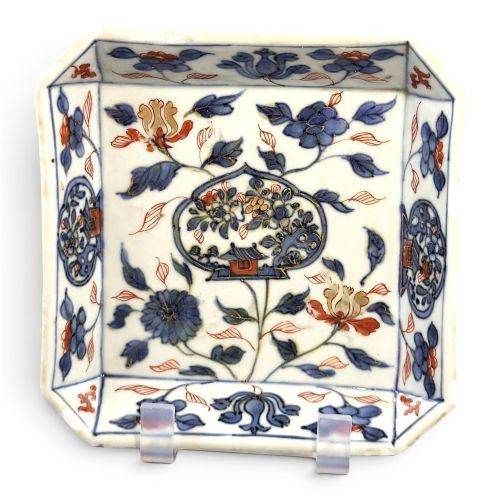
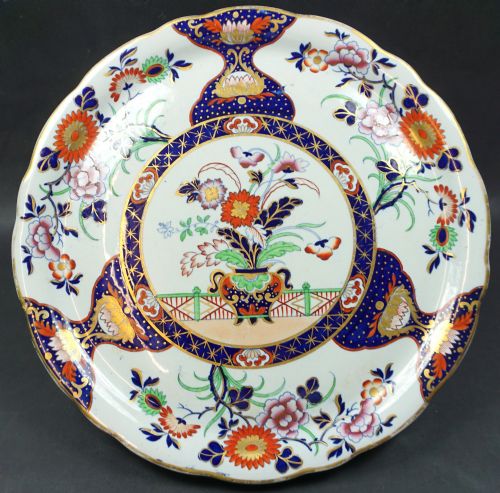
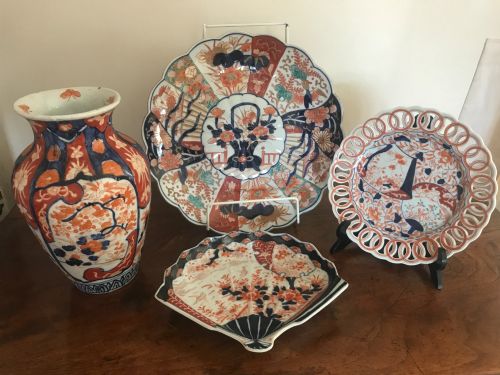
These imari ceramic dishes bring rich cobalt blue, iron red, and gilt decoration to a room, ranging from Japanese export chargers to English ironstone adaptations.
Imari Ceramic Dishes
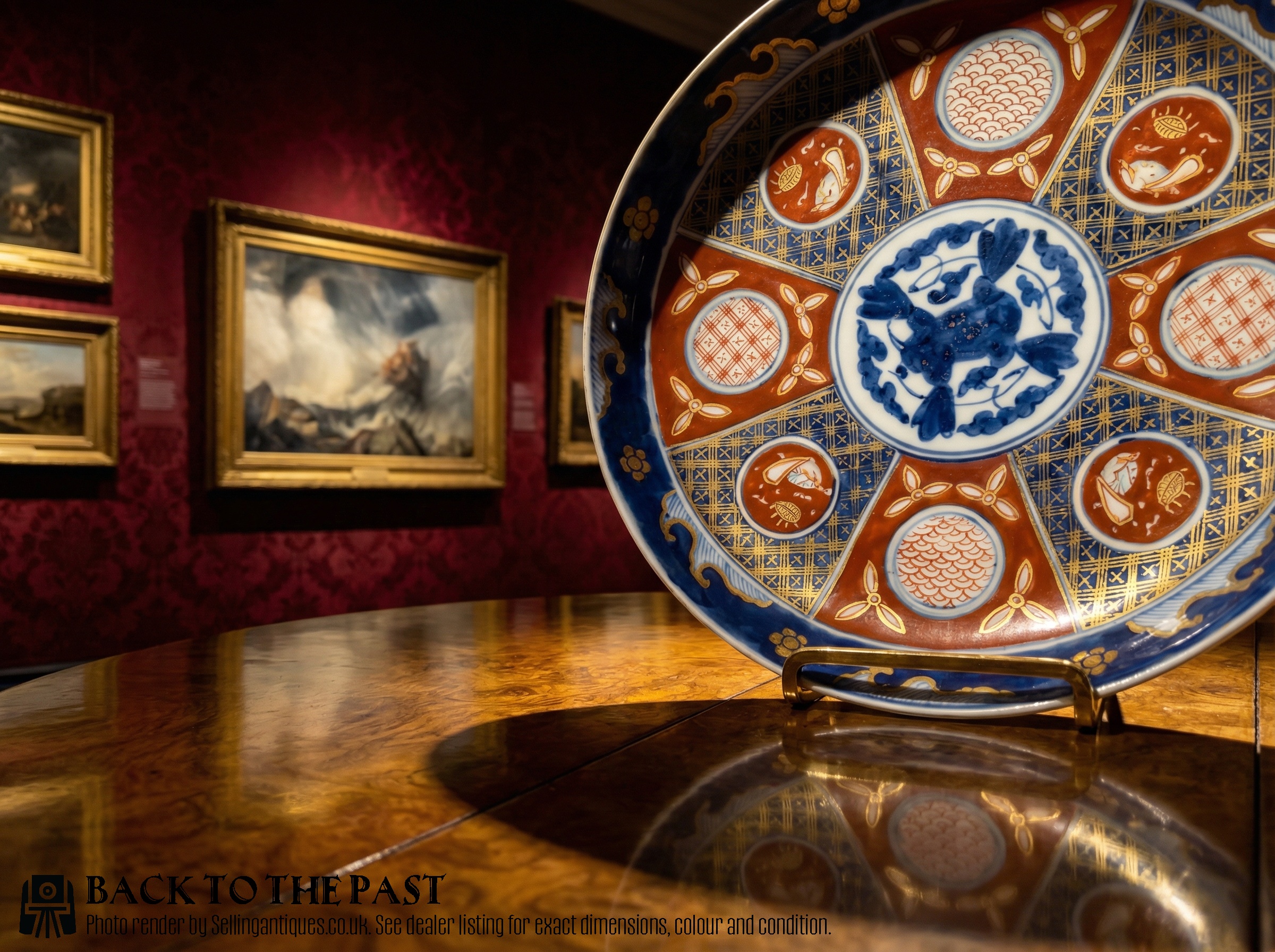
When searching for imari ceramic dishes, buyers encounter a diverse selection spanning Japanese Meiji period porcelain, Chinese export wares, and Georgian English ironstone interpretations. The selection on this page leans heavily towards Japanese examples from the nineteenth and early twentieth centuries, alongside eighteenth century Chinese pieces and British earthenware.
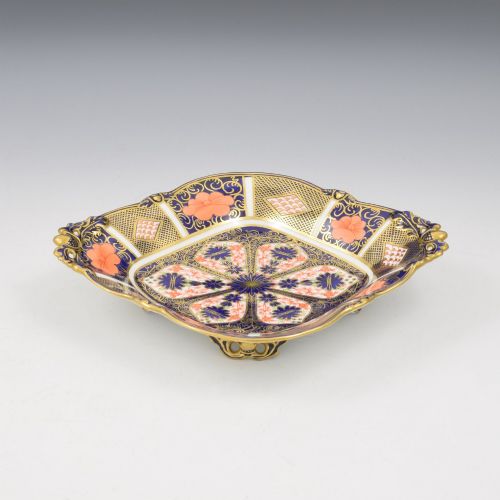
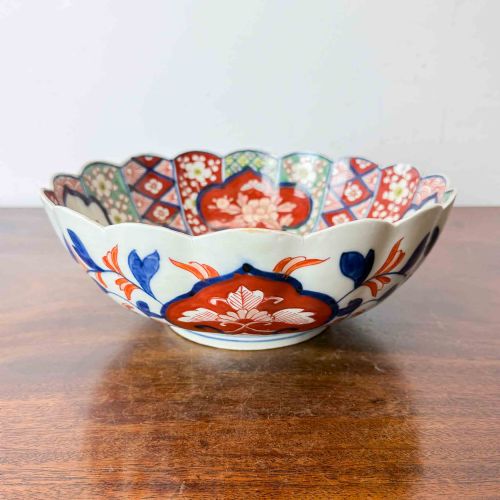
Forms include large decorative chargers, scallop edge bowls, fish shaped plates, and footed comports intended for display or serving. Originating from distinct ceramic traditions, these pieces share a palette dominated by underglaze blue and iron red enamel, frequently accented with gilding.
How they were made
The foundation of these pieces relies on porcelain, ironstone, or ceramic bodies shaped into plates, bowls, and shaped dishes. Artisans applied cobalt blue under the glaze before firing, followed by iron red enamel and gold leaf or gilding in subsequent kiln firings.
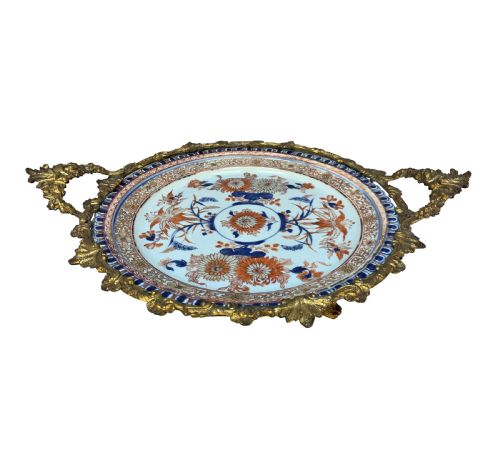
Ormolu mounts occasionally appear on Chinese porcelain plates, adding gilt bronze framing to the ceramic body. Hand colouring techniques define the English ironstone pieces, adapting the characteristic palette onto sturdy Staffordshire bodies.
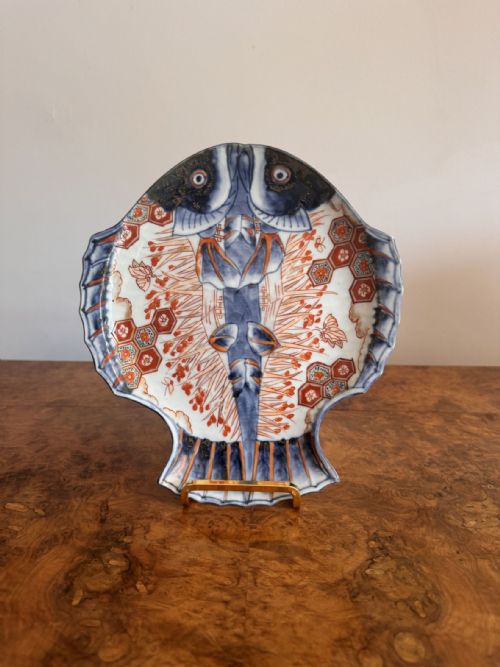
Among the formal bowls and plates, a cheerful fish shaped plate swims into view.
What varies in quality
Quality in these ceramics rests upon the crispness of the hand painted cobalt and the vibrancy of the iron red and enamel detailing. Pieces described as unusual or outstanding often display complex forms such as fish shapes, shell contours, or chamfered squares rather than standard circles.
The precision of the gilding and the complexity of motifs, such as exotic birds or intricate border patterns, separate standard production items from superior examples. The weight and finish of the porcelain or ironstone body similarly distinguish the output of premier makers.
Hicks & Meigh·John Davenport of Longport·Mason
The Imari Ceramic Dishes Glossary
- Imari
- A style of ceramic decoration originating in Japan and subsequently copied in China and Europe, characterised by a palette of cobalt blue, iron red, and gold.
- Charger
- A large decorative plate or dish, typically exceeding standard dinner plate dimensions, used historically for serving or display.
- Comport
- A shallow footed bowl or dish raised on a pedestal, used for serving fruit or sweets in Georgian dining settings.
- Ironstone
- A type of durable earthenware developed in nineteenth century England, combining clay, feldspar, and slag to mimic porcelain.
- Meiji Period
- A Japanese historical era lasting from 1868 to 1912, associated with a vast export output of finely decorated porcelain wares.
Imari Ceramic Dishes: Frequently Asked Questions
How do I date imari ceramic dishes?
Dating relies on body material, potting style, and stylistic markers such as Meiji period characteristics or eighteenth century Chinese reign periods. English pieces often bear maker marks or ironstone stamps associated with early nineteenth century Staffordshire potteries.
Examining the glaze consistency and the application of the iron red and gold leaf provides further context for the decade of manufacture. Comparing the form, such as a scalloped edge or a footed comport, helps place the object within its historical production window.
Were these dishes meant for dining?
Many large chargers and decorative plates were produced primarily for display on walls or sideboards rather than heavy daily use. Smaller bowls, plates, and comports saw service at the table for serving food or displaying fruit.
Over time, the presence of gilding and delicate enamels encouraged owners to transition decorative chargers and unusual shaped dishes into cabinet or wall display pieces. Traces of historical wear help indicate whether a particular dish served a practical dining function.
How do I style these dishes at home?
The rich cobalt blue and iron red palette pairs well with neutral backgrounds, allowing the intricate patterns on plates and bowls to stand out. Grouping chargers on walls or displaying footed comports on wooden surfaces highlights their vibrant hand painted details.
Mixing Japanese export pieces with English ironstone variants creates a layered display that reflects the global history of the style. The varied forms, from hexagonal plates to shell shaped dishes, add texture when arranged together.
What is the difference between Japanese and English imari?
Japanese imari utilises fine porcelain bodies with traditional export motifs, often featuring underglaze blue combined with overglaze enamels and gilding. English imari typically employs sturdy ironstone or earthenware bodies produced by Staffordshire potteries adapting the aesthetic.
While Japanese examples date frequently to the Meiji period or earlier, English interpretations reflect Georgian manufacturing methods. Both traditions maintain the signature blue, red, and gold colour scheme despite their different origins.