



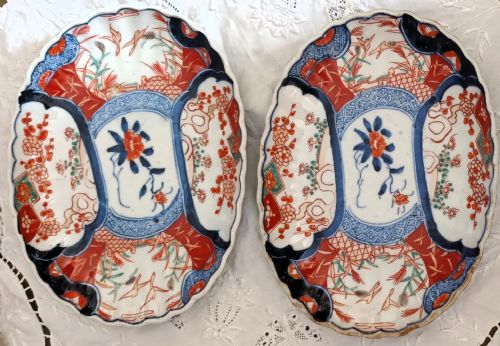
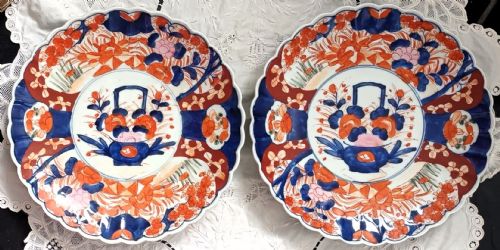
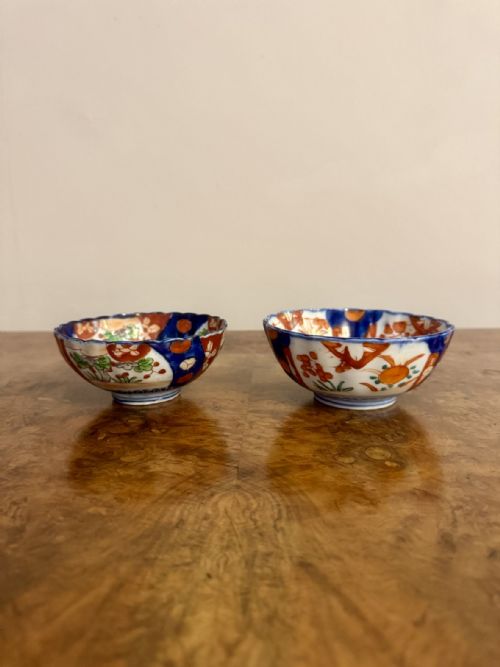
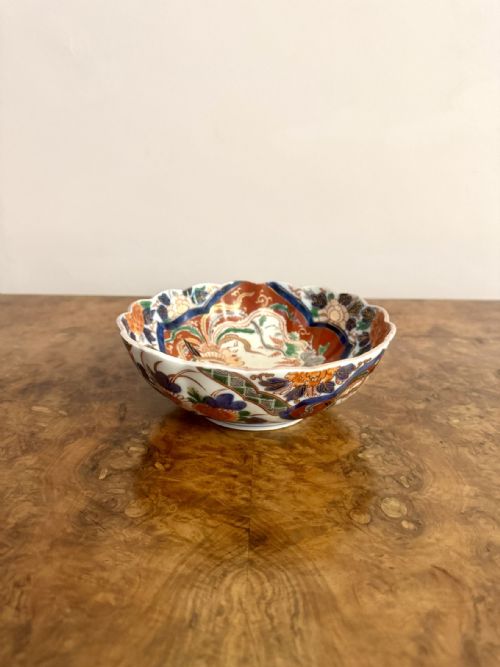
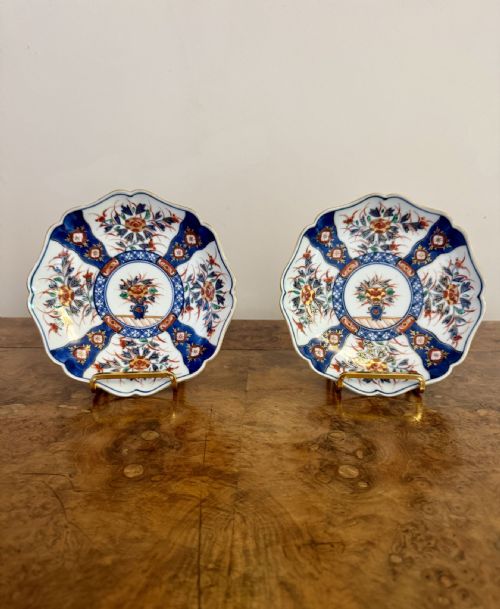
Japanese Scalloped Porcelain Dish
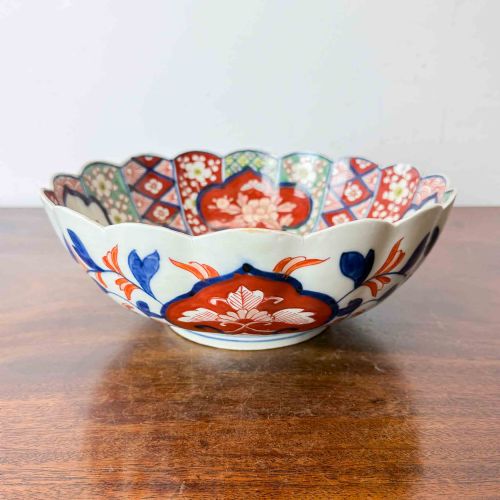
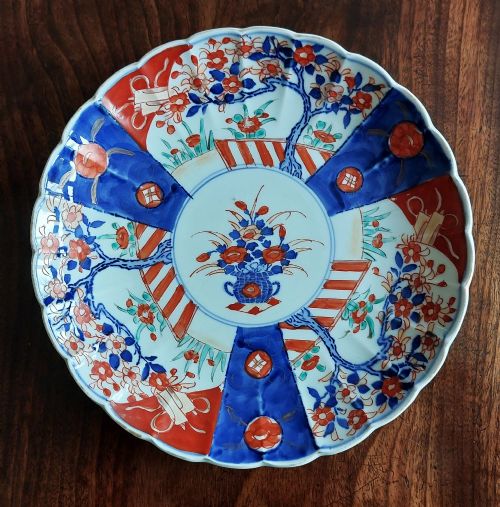
These japanese scalloped porcelain dish pieces combine hand-painted floral and bird designs with distinctive wavy rims, sought after for display.
Japanese Scalloped Porcelain Dish
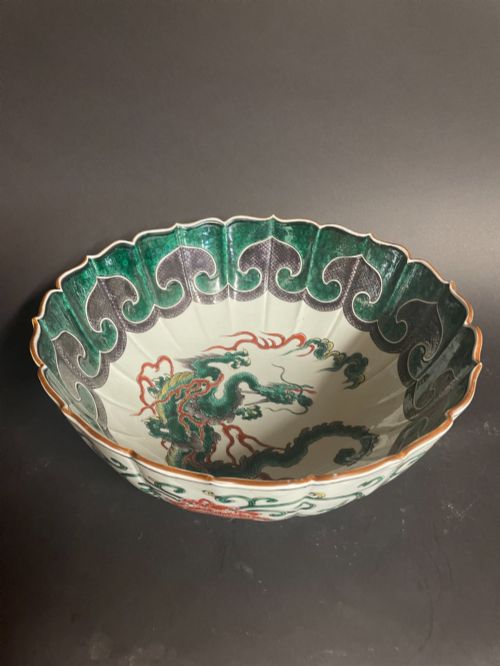
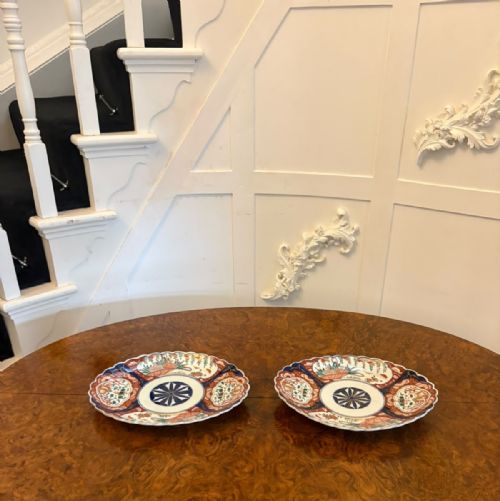
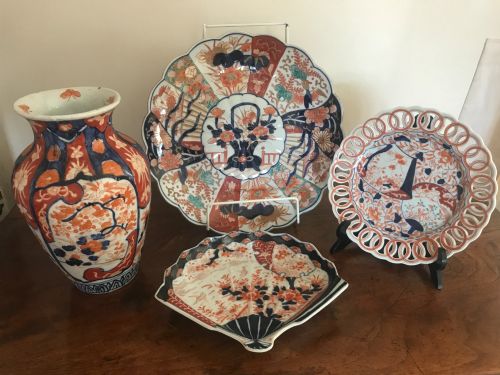
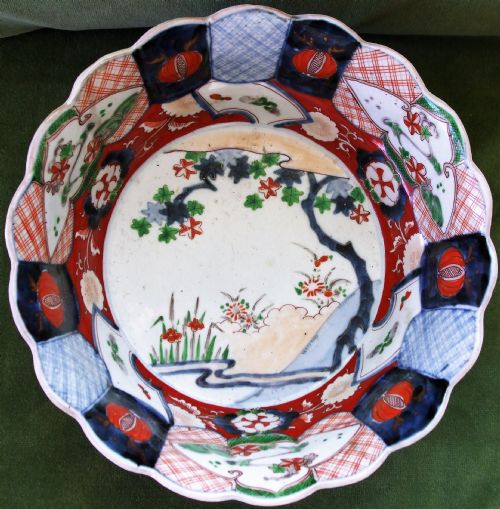
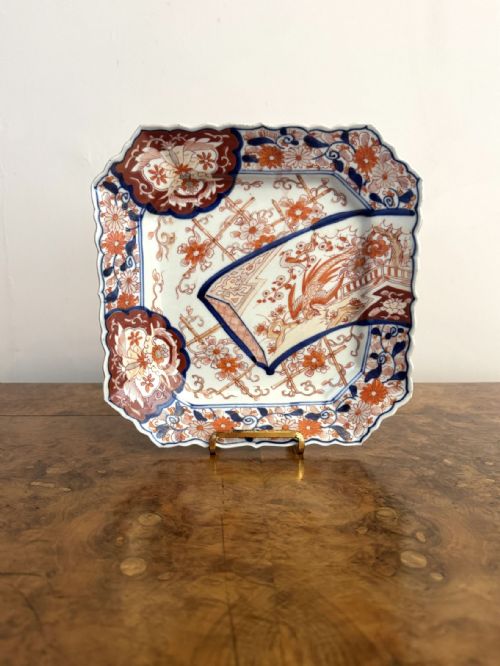
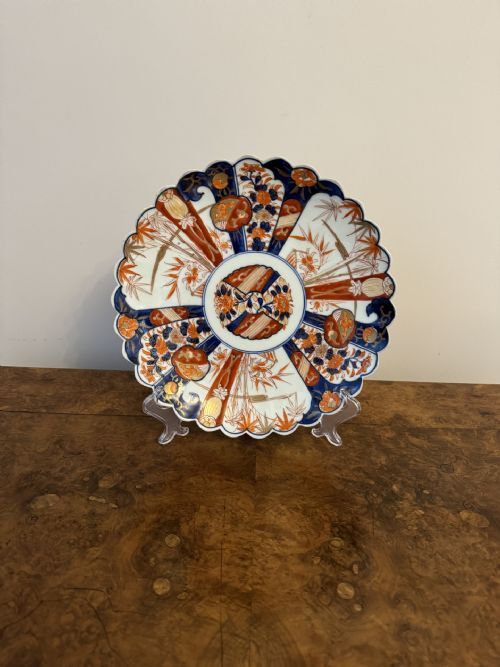
A japanese scalloped porcelain dish brings together decorative ceramics formed with shaped edges and painted surfaces. Buyers encounter plates, bowls, chargers, and dishes originating primarily from the nineteenth century and the Meiji period.
How they were made
These ceramic items rely on porcelain bodies shaped with wavy or scalloped edges, finished with glaze and cobalt underglaze. Artisans applied enamel colours alongside gold leaf, gilt, and gilding to enrich the surface designs.
Makers decorated the ceramic canvases with hand-painted motifs depicting floral arrangements, exotic birds, and figurative subjects such as the Seven Lucky Gods.
Among the birds and flowers, certain chargers depict the Seven Lucky Gods sharing space on the porcelain.
What varies in quality
Quality rests in the crispness of the hand-painted detailing and the richness of the enamel and cobalt underglaze work. Superior examples display carefully controlled brushwork on complex floral or bird compositions across the scalloped surface.
The precision of the moulded scallop edge and the integration of gold leaf or gilding differentiate standard production items from exceptional chargers, plates, and bowls.
The Japanese Scalloped Porcelain Dish Glossary
- Imari
- A traditional Japanese style of porcelain decorated in underglaze blue, iron red, and gilt. It dominated export wares during the Meiji period.
- Meiji Period
- The era in Japanese history lasting from 1868 to 1912, corresponding with significant production of export ceramics. Many listed items date to this time.
- Cobalt Underglaze
- A blue pigment applied to the ceramic body before glazing and firing, creating a permanent colour beneath the glossy surface.
- Charger
- A large decorative plate or dish intended for display on a wall or sideboard rather than for dining use.
- Gilding
- The application of gold leaf or gold powder to accentuate specific details of the porcelain design.
Japanese Scalloped Porcelain Dish: Frequently Asked Questions
How do I display a japanese scalloped porcelain dish?
Larger chargers and plates suit wall mounting or display stands where the scalloped profile remains visible.
Smaller bowls and dishes sit well on cabinets or tables, allowing closer inspection of the painted details.
Are these dishes safe for food use?
These antique ceramics function primarily as decorative display items rather than modern tableware.
Hand-painted enamels and gold leaf details are best preserved by avoiding regular culinary use and harsh washing.
What is the difference between an Imari plate and a blue and white plate?
Imari pieces incorporate a palette of underglaze blue, iron red, and gilding, often featuring vibrant floral and bird patterns.
Blue and white examples rely exclusively on cobalt underglaze tones for their decorative schemes.
How can I tell if a piece is from the Meiji period?
Meiji period items align with Japanese production dates between 1868 and 1912, frequently recorded in nineteenth-century listings.
Characteristics include hand-painted motifs, scalloped porcelain edges, and distinct export styles.