




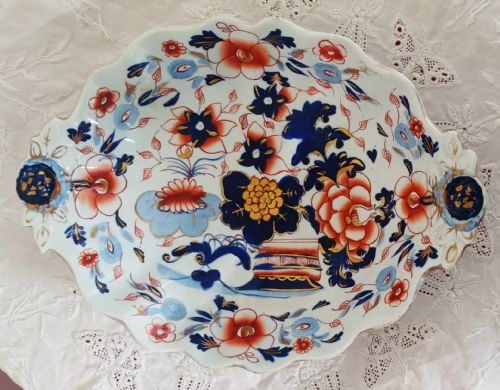
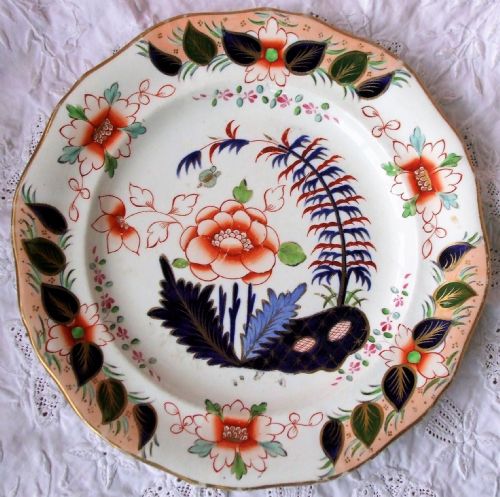

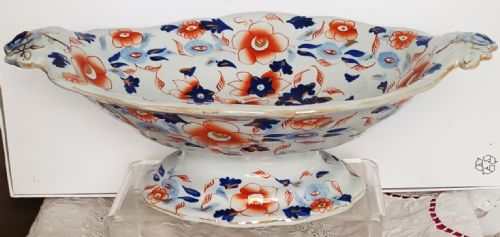
Hand Painted Imari Dish
A hand painted imari dish brings rich blue and iron red tones to a room, offering the bold palette that collectors seek.

Hand Painted Imari Dish
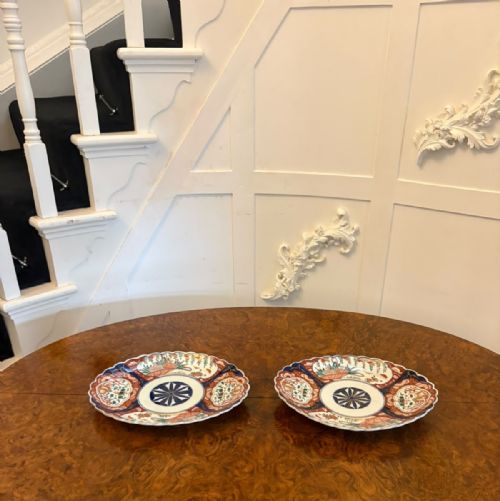
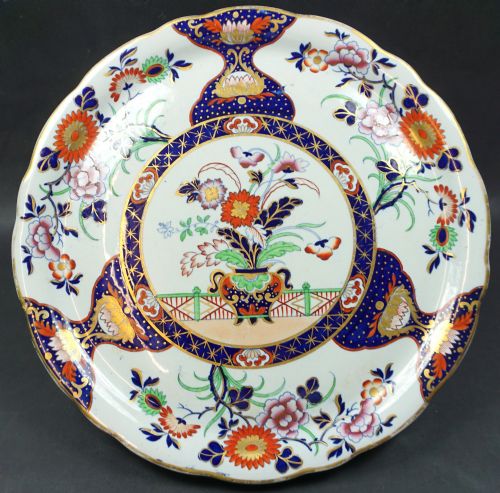
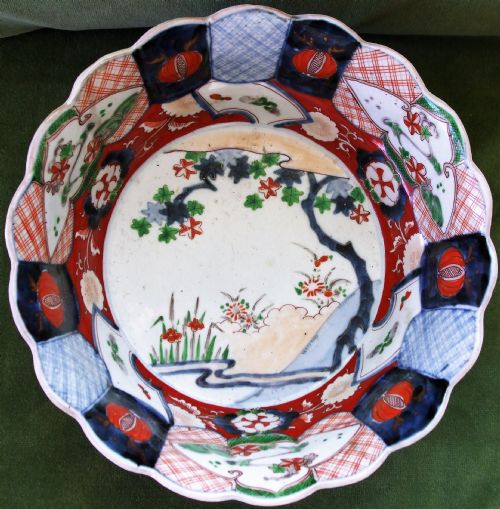
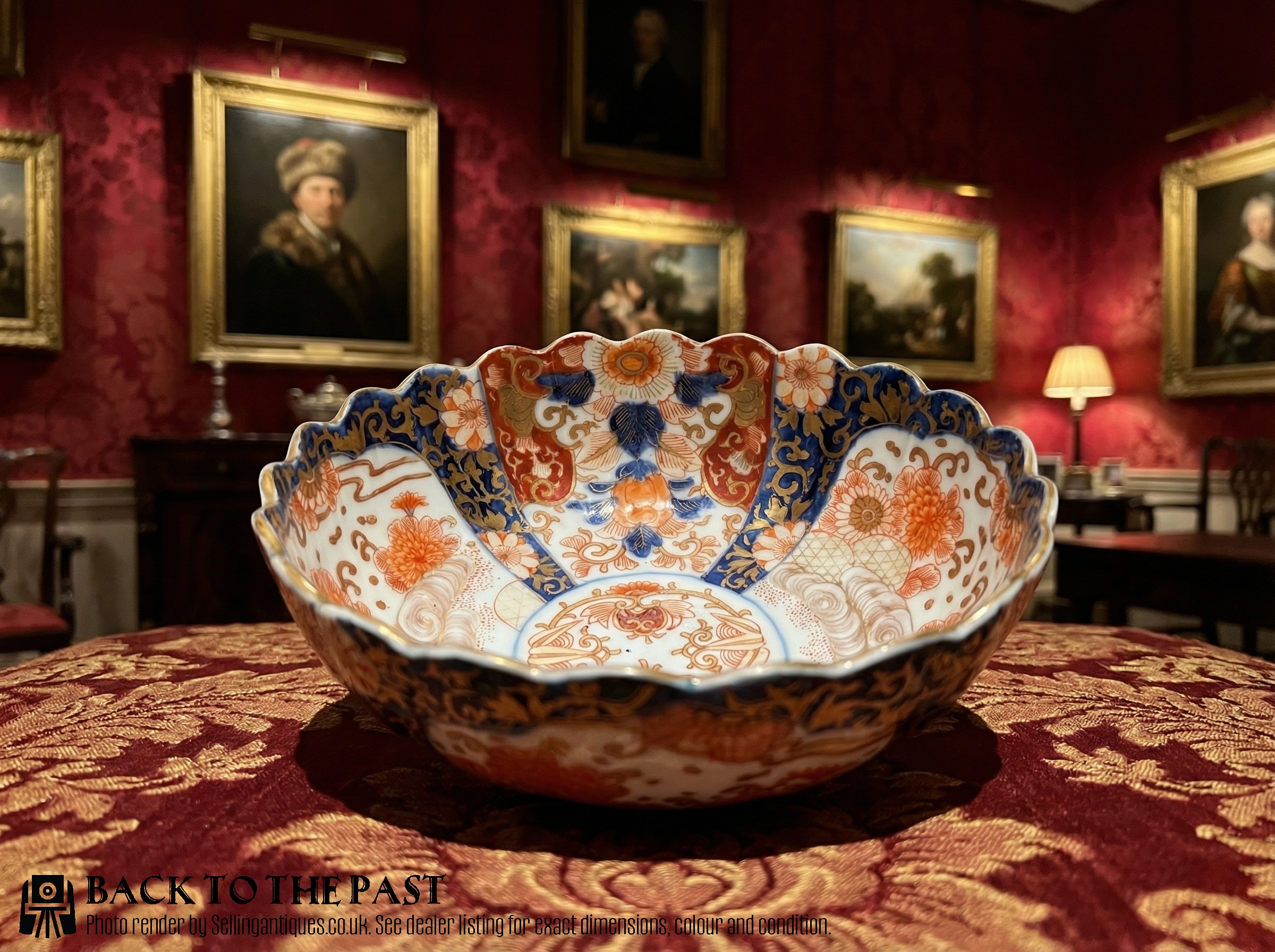
When searching for a hand painted imari dish, a buyer encounters plates, bowls, chargers, and serving dishes originating primarily from Japanese Meiji and 19th Century production, alongside Chinese export and English adaptations.
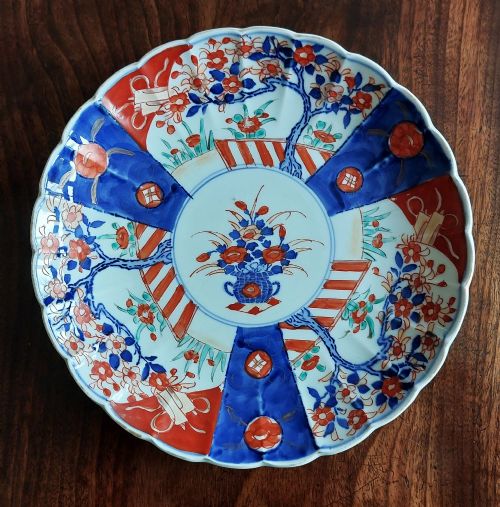
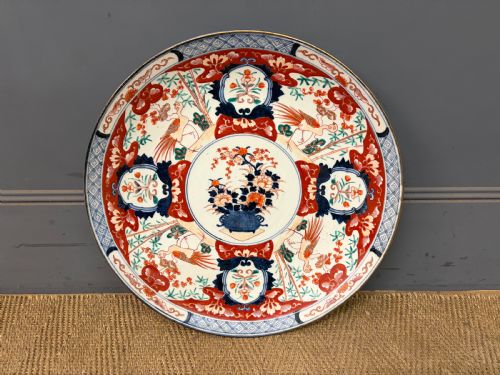
The most common form on this page is the Japanese Imari plate or charger, often featuring scalloped edges and floral or bird designs, reflecting the strong influence of Arita kilns.
Early examples include Chinese pieces from the Kangxi period and Georgian English ironstone interpretations adopting the distinctive Japan pattern.
How they were made
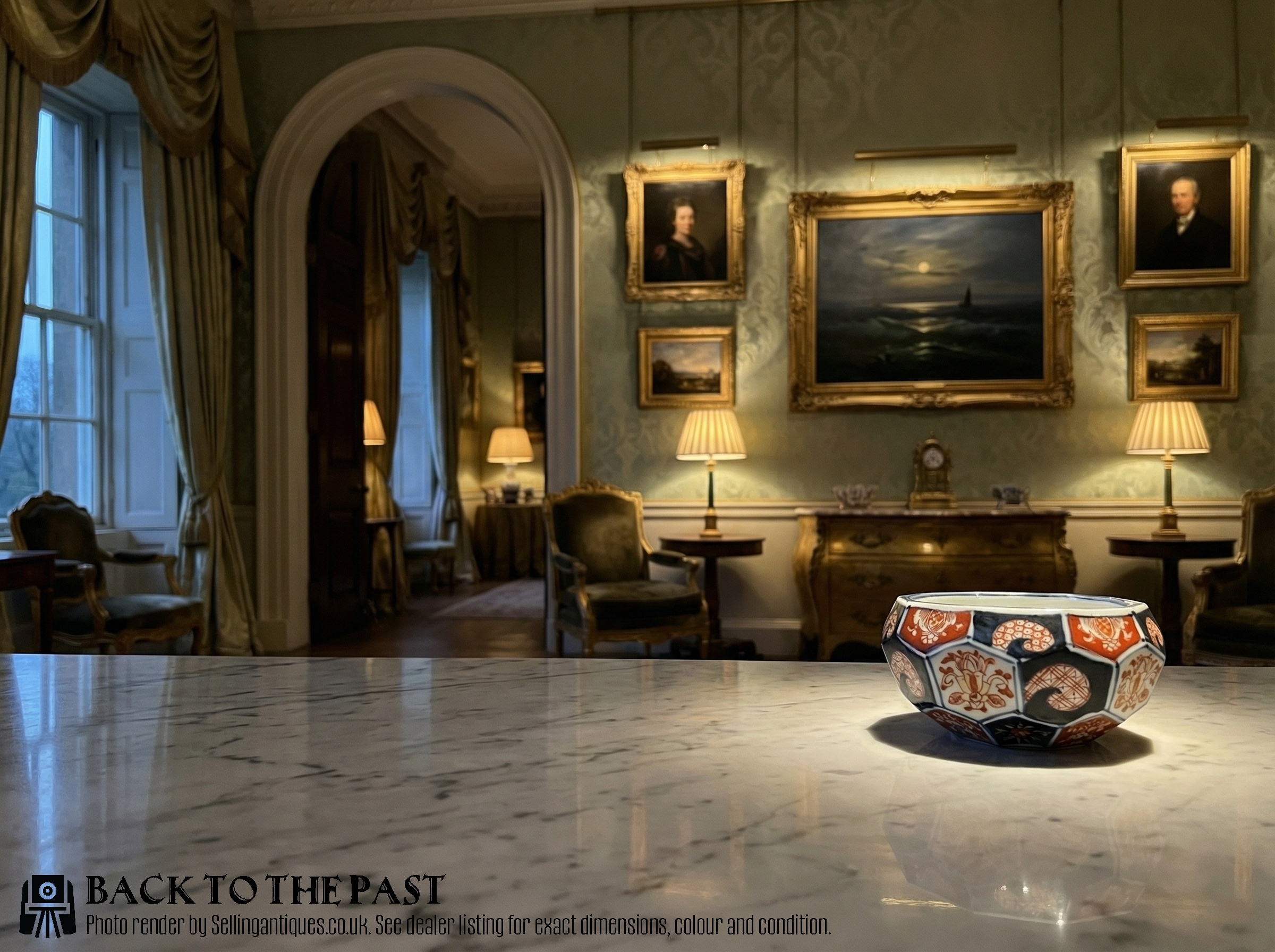
These items rely on porcelain, ceramic, and ironstone bodies painted with cobalt underglaze, enamel colours, and gold leaf highlights or gilding.
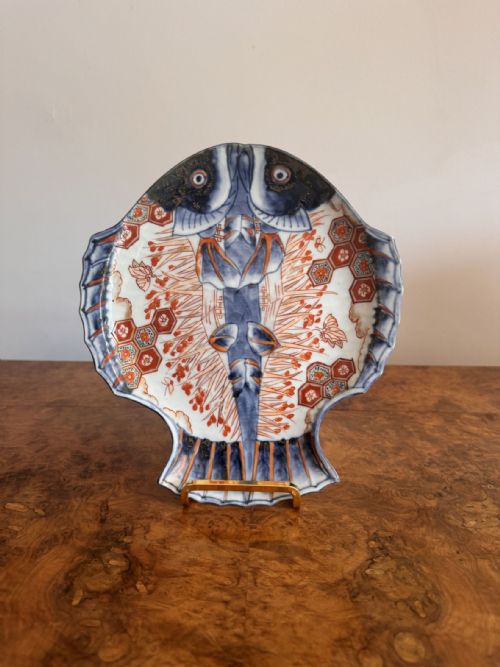
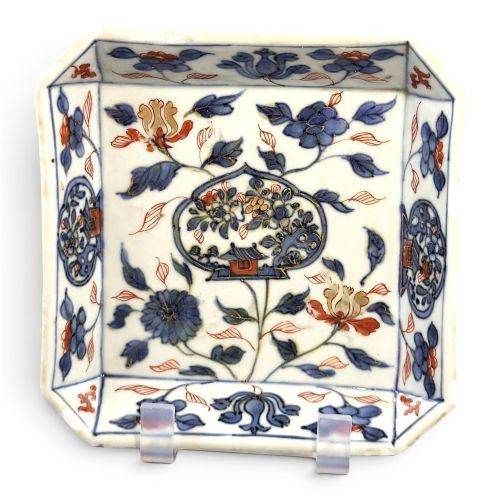
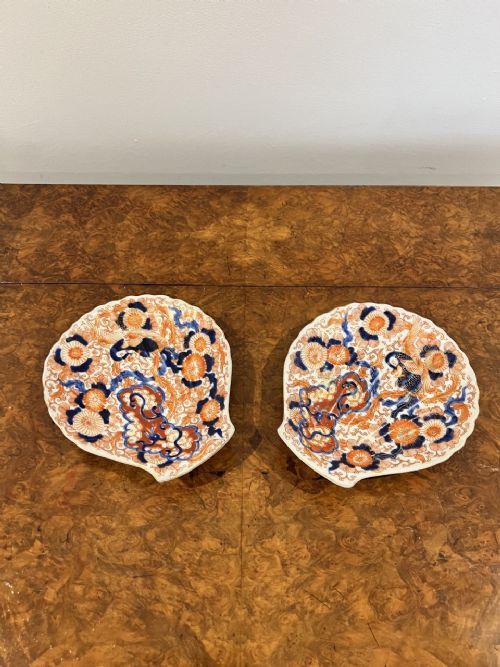
Makers shaped the clay into traditional rounds, scallop edges, hexagons, squares, and animal forms such as fish or shells before applying the characteristic glaze.
Hand Painted Imari Dish Retail Price Guide 2026
Typical asking prices for hand painted imari dish among the pieces listed under this phrase on Sellingantiques today, from the lower quarter to the upper quarter. They describe what is for sale here now, not the wider market.
Artisans occasionally shaped these dishes into swimming fish and sea shells, proving that a dinner service can double as an aquarium.
What varies in quality
The distinction between standard items and superior pieces lies in the precision of the hand painted brushwork and the vibrancy of the enamel colours.
Form dictates desirability, with unusual shapes like fish, shell, or chamfered squares commanding greater attention than simple circular plates.
Hicks & Meigh·John Davenport of Longport·Royal Crown Derby·Spode
The Hand Painted Imari Dish Glossary
- Imari
- A style of ceramic originating in Japan, characterised by a palette of cobalt blue, iron red, and gilt highlights. It gained immense popularity in Europe through trade during the 17th and 18th centuries.
- Meiji Period
- The era in Japanese history spanning from 1868 to 1912, noted for a massive increase in the export of decorative arts to Western markets. Pieces from this time often display intricate floral and avian motifs.
- Underglaze cobalt
- A blue pigment applied directly to the raw ceramic body before firing and glazing, ensuring the colour remains permanent and protected beneath a glossy surface.
- Charger
- A large decorative plate intended for display on a wall or sideboard rather than for service at the dining table. These items showcase the highest concentration of hand painted detail.
- Comport
- A raised serving dish or pedestal bowl used traditionally for fruit or sweetmeats. English iterations frequently adopted the Imari aesthetic during the Georgian period.
Hand Painted Imari Dish: Frequently Asked Questions
What is an imari dish?
An imari dish is a decorative ceramic piece painted in a characteristic palette of cobalt blue, iron red, and gold. These items draw on centuries-old traditions of Asian and European trade.
They serve primarily as display items, adding rich colour and pattern to a wall, cabinet, or tabletop.
How do I date a japanese imari piece?
Dating relies on assessing the weight of the porcelain, the brightness of the enamels, and stylistic clues. Meiji period items often display a dense application of floral and bird motifs.
Examine the foot ring and the glaze texture on the underside for signs of age and manufacturing technique.
Were these dishes used for food?
While many plates and bowls started as functional tableware, larger chargers and deeply scalloped dishes were frequently made for decorative display.
Today, collectors tend to exhibit these pieces on plate stands or walls to preserve the enamel and gilding from wear.
What is the difference between japanese and english imari?
Japanese originals utilise fine porcelain with cobalt underglaze and iron-red enamels applied in traditional eastern compositions. English makers during the Georgian and Victorian eras copied these motifs onto ironstone and earthenware bodies.
English interpretations often bear distinct manufacturer marks on the base, whereas older Japanese exports remain unmarked.