


Hand Painted Ceramic Teapot
These hand painted ceramic teapot examples range from Georgian earthenware to Meiji period porcelain, offering collectors delicate painted motifs and functional pottery.
Hand Painted Ceramic Teapot
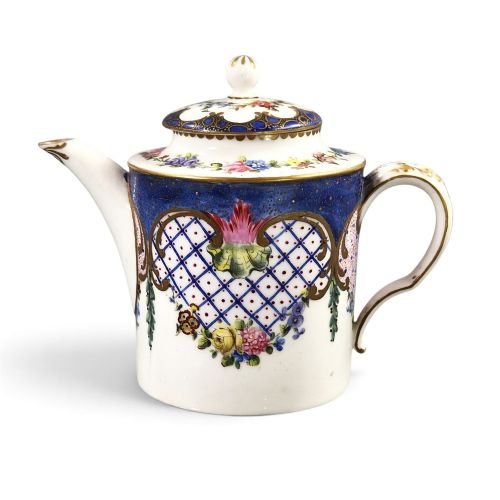
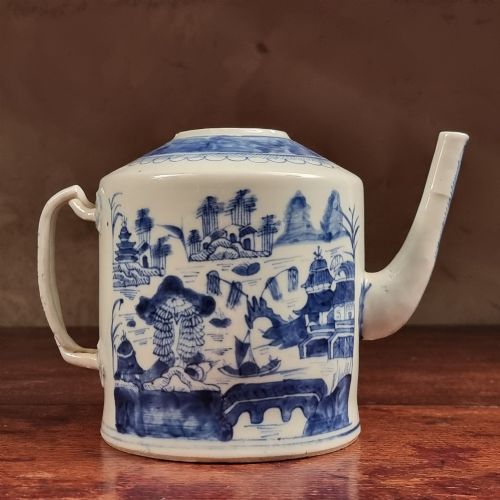
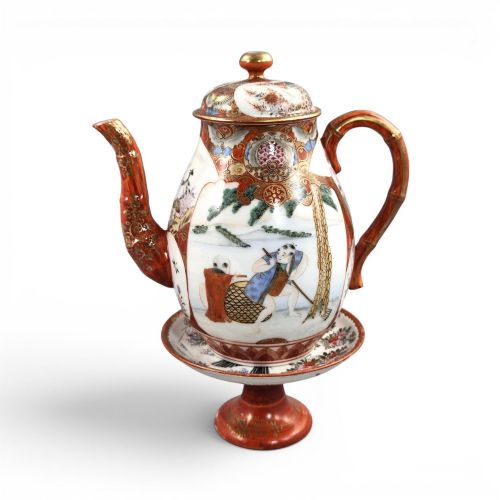
A hand painted ceramic teapot brings together centuries of potting traditions, spanning eighteenth century European factories and Asian export wares. Buyers encounter forms ranging from commode shaped earthenware to soft paste porcelain vessels.
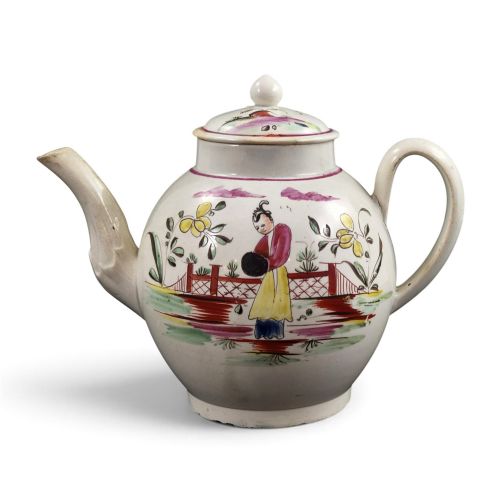
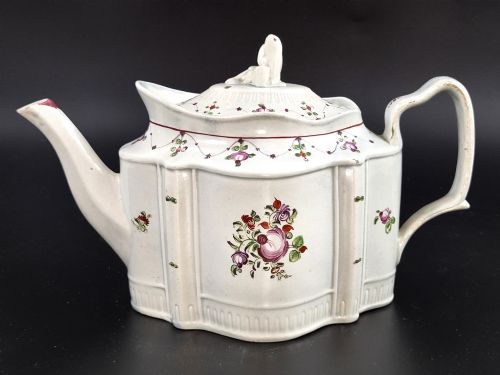
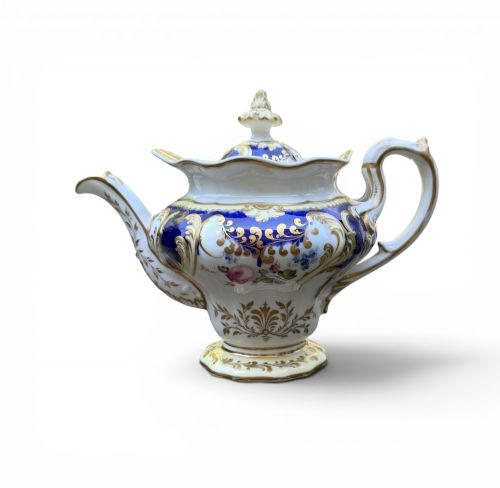
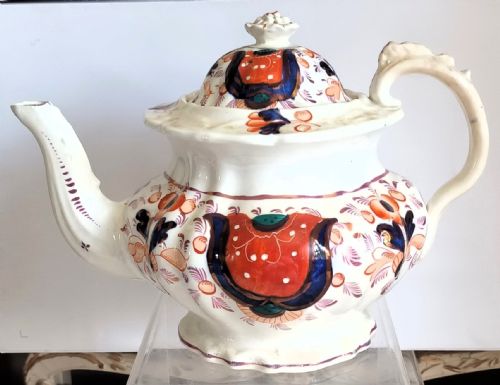
The pieces on this page include traditional English porcelain alongside Chinese export examples and Japanese wares. Makers utilised diverse decorative schemes, from Chinoiserie panels to enamel flowers and cobalt glaze.
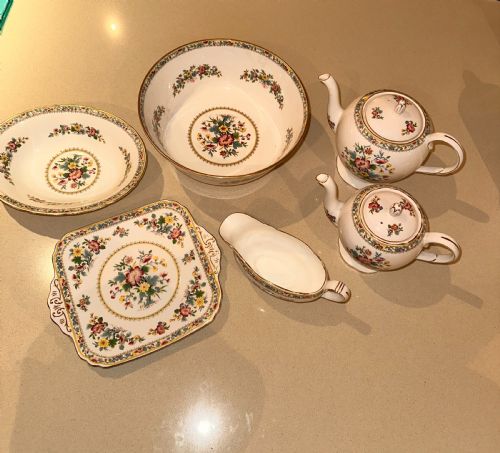
Teapots dominate the selection, appearing alongside broader tea sets and individual pieces with lids, finials and wicker cases. Collectors find works dated across the Georgian, Victorian and twentieth century periods.
How they were made
Potters shaped these vessels using earthenware, porcelain and soft paste porcelain, applying glaze to seal the ceramic body before decoration. Many pieces received hand painted motifs in enamel colours alongside cobalt glaze.
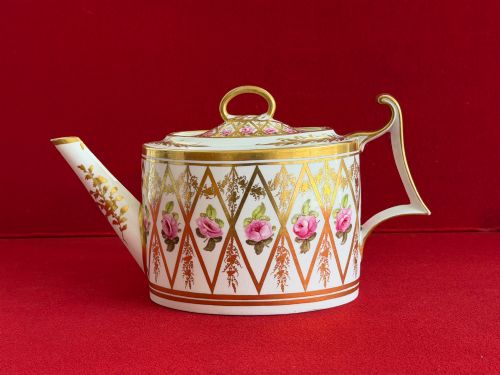
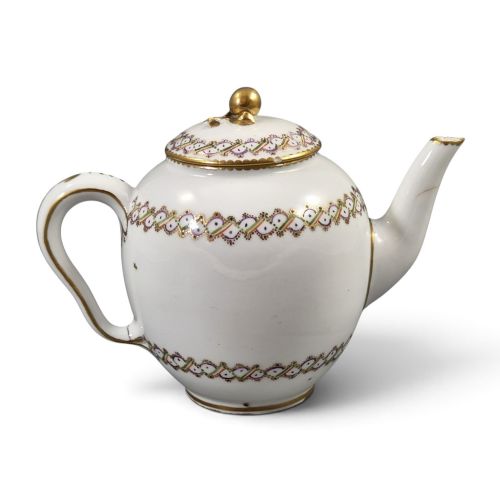
Gilding and gold leaf add metallic highlights to surfaces, while specific forms incorporate moulded elements such as widow finials and flower head knops. Workshops utilised precise firing techniques to achieve durable finishes across different centuries.
Listings feature porcelain, earthenware, and soft-paste porcelain across the eighteenth, nineteenth, and twentieth centuries.
What varies in quality
The standard of a hand painted ceramic teapot rests upon the precision of the brushwork and the refinement of the ceramic body. Early soft paste porcelain and delicate enamel painting indicate sophisticated production.
The clarity of the glaze and the crispness of moulded details differentiate standard production from superior output. Maker attributions and specific pattern numbers elevate certain factory pieces above unmarked wares.
Derby Porcelain·Royal Sèvres·Royal Worcester·Clarice Cliff·Thomas Wolfe Staffordshire·Philip Christian Liverpool·Thomas Harley Staffordshire
The Hand Painted Ceramic Teapot Glossary
- Soft-paste porcelain
- A ceramic composition made from clay and glass frit rather than true kaolin and petuntse. It was widely utilised by eighteenth century European factories.
- Chinoiserie
- European artistic styles reflecting Chinese motifs and decorative themes. This aesthetic appears frequently on eighteenth century tea wares.
- Enamel
- Vitreous coloured glass fused to the ceramic surface through firing. It provides the vibrant pigment seen on hand painted pieces.
- Gilding
- The application of gold leaf or gold powder to ceramic surfaces for decoration. It highlights rims, handles and painted panels.
- Finial
- A small decorative knob attached to the lid of a teapot. Forms include the traditional widow shape.
Hand Painted Ceramic Teapot: Frequently Asked Questions
How do I date an antique teapot?
Dating relies upon material composition, factory marks, potting styles and decorative techniques recorded in the evidence. Eighteenth century examples often utilise soft paste porcelain or creamware.
Later nineteenth century pieces display Victorian or Meiji period characteristics. Comparing pattern numbers and glaze types helps narrow the decade of production.
What is the difference between earthenware and porcelain?
Earthenware uses porous clay fired at lower temperatures, resulting in heavier, opaque vessels often finished with an opaque glaze. Porcelain utilises denser materials fired at high temperatures to create a vitrified, non-porous body.
Soft paste porcelain represents an intermediate European development from the eighteenth century. Each material changes the weight and translucency of the teapot.
How were these teapots used historically?
These vessels served as functional centerpieces for elite tea consumption during the Georgian and Victorian periods. They held brewed tea dispensed into matching cups and saucers.
Many survived within larger tea services or breakfast sets. Some smaller examples functioned as specialised toy teapots or decorative items.
How do I care for a ceramic teapot?
Antique ceramics require gentle handling to protect delicate spouts, handles, and hand painted enamel surfaces. Washing should occur by hand using lukewarm water without harsh detergents.
Sudden temperature changes must be avoided to prevent stress on aged glazes and ceramic bodies. Displaying pieces away from direct sunlight protects coloured enamels and gilding.