
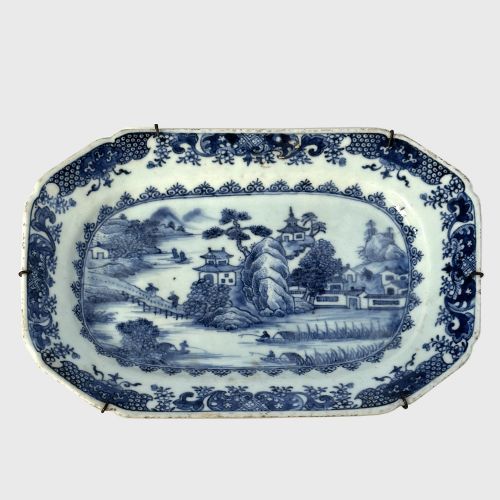


18th Century Export China
These 18th century export china pieces bring the porcelain artistry of the Qing Dynasty directly to Western dining tables through durable hard-paste bodies and vibrant enamels.
18th Century Export China
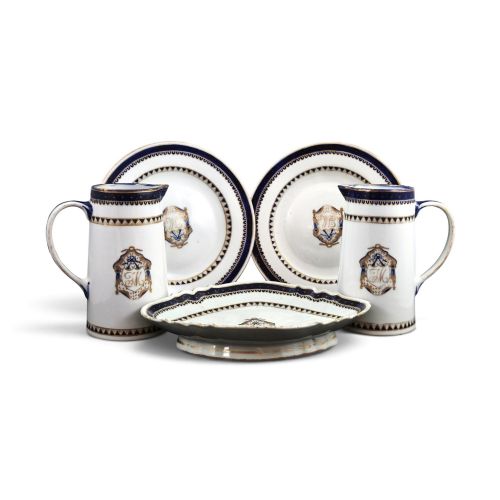
When you search for 18th century export china, you encounter tableware and decorative items commissioned in China for European and British markets. These objects range from robust service platters and tureens to delicate tea bowls and armorial plates.
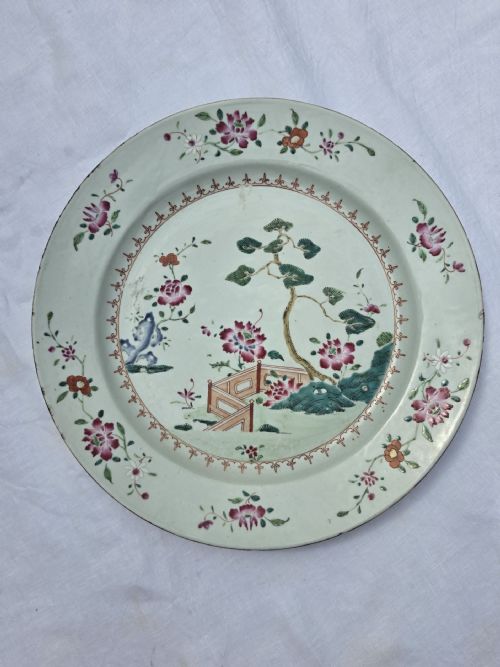
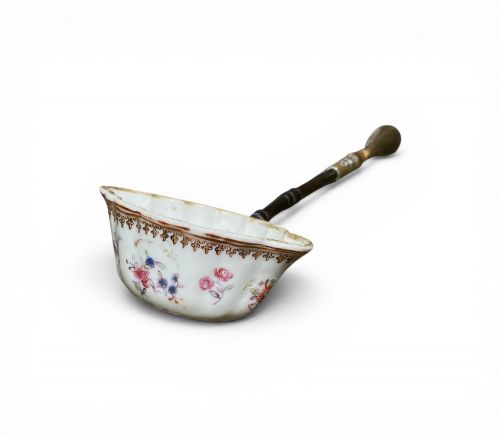
The pieces on this page heavily feature the Qing Dynasty aesthetic under the Qianlong period, spanning functional vessels like sauce boats and ladles as well as large chargers.
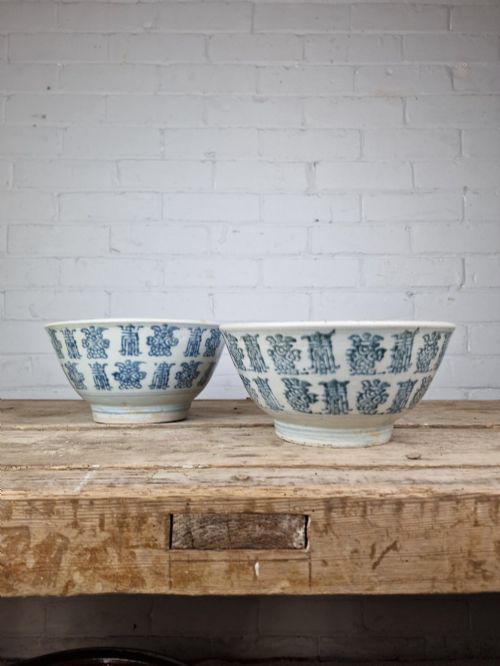
You also find provincial bowls and specialised shapes such as chestnut baskets with stands, reflecting the varied porcelain demands of eighteenth-century households.
Materials and construction methods
Potters built these items using hard-paste porcelain, a dense ceramic material fired at high temperatures to achieve a vitrified, impermeable body. This strong foundation supported intricate forms like octagonal soup plates and pierced baskets without warping.
Decoration relied on cobalt glaze for blue and white designs applied beneath the glaze, alongside overglaze enamel palettes such as famille rose. Artisans occasionally integrated gold leaf highlights or specialised enamel work applied in London workshops.
The combination of durable porcelain bodies and meticulous brushwork ensured these vessels survived decades of transit and daily use.
Object forms span practical serving platters, tureens, and sauce boats alongside decorative plates, tea bowls, and chestnut baskets.
Distinctions in quality
Quality in these ceramics rests primarily on the crispness of the porcelain throwing and the precision of the hand-painted decoration. Finer examples display tightly controlled cobalt lines or meticulously detailed famille rose scenes with balanced compositions.
Provenance and specific armorial commissions elevate individual pieces, particularly when heraldic crests are accurately rendered for specific British families. Standard domestic wares show simpler floral or bird motifs executed with greater speed.
The preservation of overglaze enamels and gold leaf over centuries also separates well-maintained services from heavily worn daily tableware.
The 18th Century Export China Glossary
- Hard-paste porcelain
- A dense, vitrified ceramic composed of petuntse and kaolin, fired at high temperatures. It forms the durable base for most eighteenth-century export wares.
- Famille rose
- A primary palette of opaque overglaze enamels dominated by pink or rose colours, introduced during the Qing Dynasty. It allowed for nuanced shading on floral and figural designs.
- Armorial porcelain
- Tableware painted with specific European family coats of arms and crests. These custom services were ordered directly through trade agents in Guangzhou.
- Cobalt glaze
- A blue mineral pigment applied under the glaze before firing to create durable blue and white patterns. It withstands high kiln temperatures without fading.
- Qianlong period
- The era spanning from 1736 to 1795 under the Qianlong Emperor, representing the peak of export porcelain production and artistic output.
18th Century Export China: Frequently Asked Questions
How do I identify a Qianlong period piece?
Look for the characteristically thin yet durable hard-paste porcelain body paired with refined famille rose enamels or crisp cobalt blue painting. Many items from this era also display specific stylistic traits such as balanced floral arrangements or intricate armorial crests.
While reign marks exist on certain imperial wares, most export china relies on stylistic markers, form, and known trade timelines to confirm attribution to the eighteenth century.
Were these pieces used for daily dining?
Many items, including plates, soup plates, and tureens, served practical functions at wealthy British and European dining tables. Wealthy households utilised these durable porcelain services for formal meals and tea ceremonies.
Over time, armorial sets and decorative chargers transitioned into display items as tastes shifted, though their robust hard-paste construction allowed them to survive regular handling.
What is Mandarin palette decoration?
Mandarin palette refers to a distinct style of Chinese export porcelain decorated with elaborate figural scenes framed by borders of flowers, birds, or butterflies. These designs often depict courtly life, acrobatics, or narrative stories.
Artists applied these polychrome enamels during the middle and late eighteenth century to satisfy European demand for pictorial narrative scenes on tea bowls and saucers.
How should I care for antique porcelain?
Wash export porcelain gently by hand using warm water and a mild detergent, avoiding dishwashers and harsh abrasive sponges. The delicate overglaze enamels and gold leaf can wear away with aggressive cleaning over time.
Store plates in padded vertical racks or with felt separators between stacked pieces to protect the rims and glazed surfaces from friction damage.