


Famille Rose Ceramic Dish
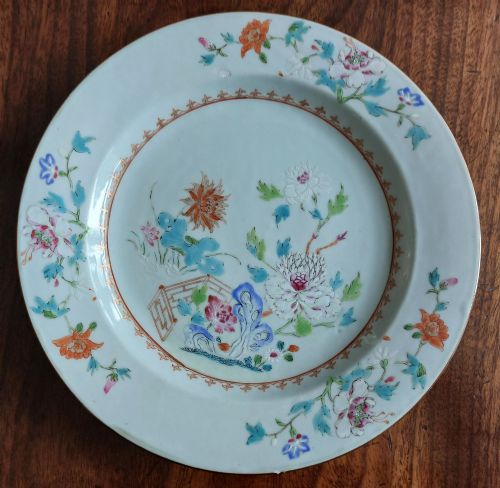
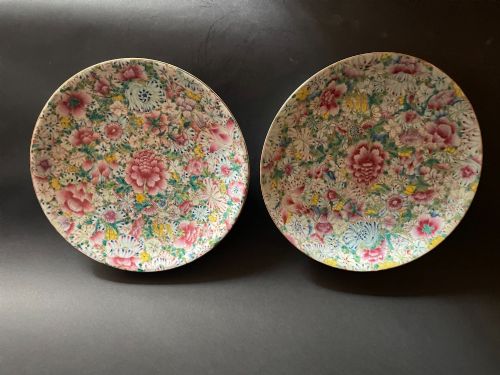
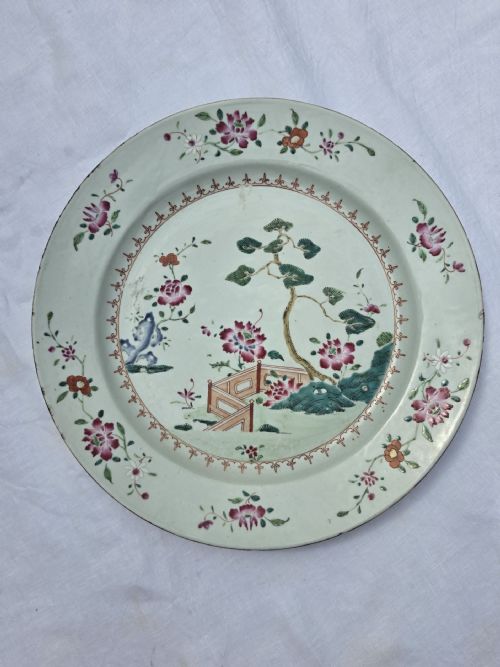
A famille rose ceramic dish brings vibrant enamel palettes and intricate floral scenes directly to the table.
Famille Rose Ceramic Dish
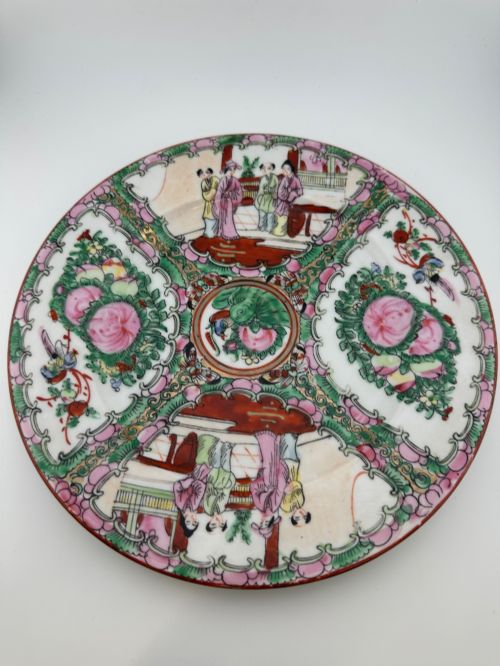
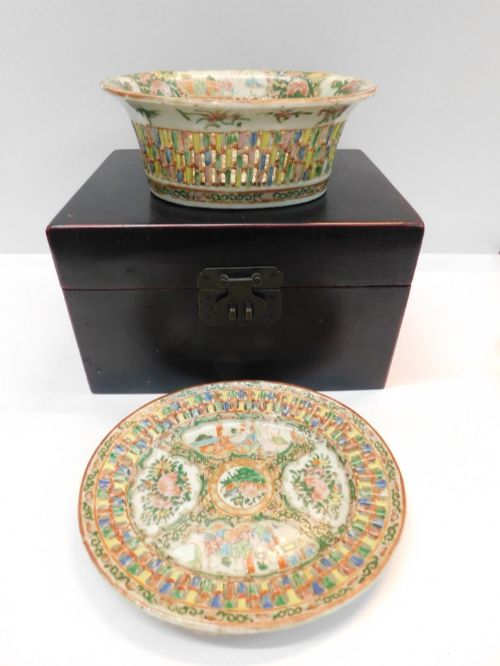
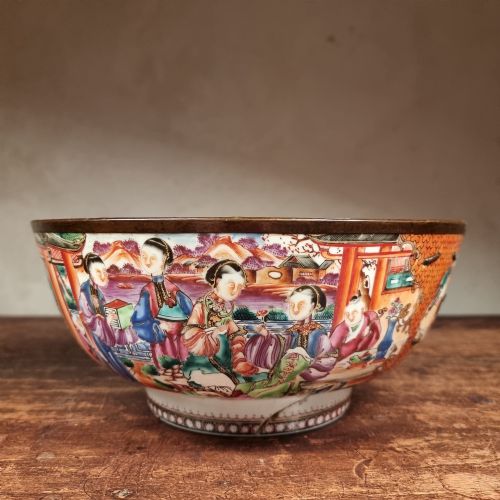
A famille rose ceramic dish represents a tradition of Chinese export porcelain decorated with opaque pink and pastel enamels. These pieces include plates, chargers, bowls, and baskets originating from the eighteenth and nineteenth centuries.
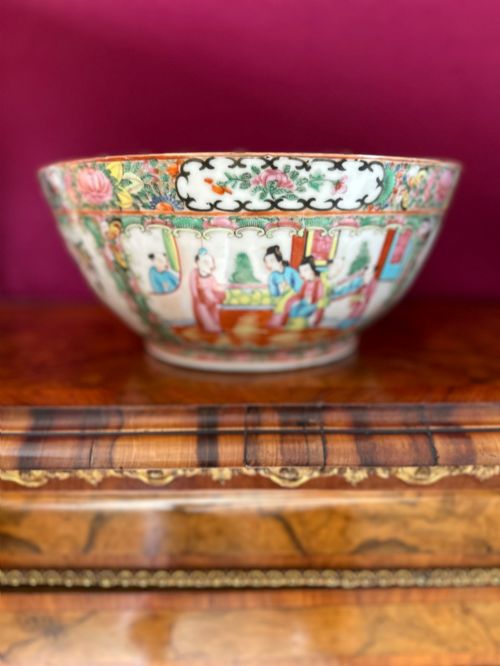
The version most commonly encountered on this page is the nineteenth-century Canton dish, often featuring hand-painted bird, floral, or medallion designs. Eighteenth-century examples associated with the Qianlong period also appear alongside later Japanese Kutani chargers.
Buyers look for these items to introduce colour, historical depth, and traditional craftsmanship into domestic interiors.
What varies in quality
The precision and density of the hand-painted brushwork separate standard domestic wares from exceptional examples. Finer dishes display meticulous control over bird, floral, and figural scenes, whereas simpler items rely on repetitive stencilled or hurried application.
The complexity of the form influences overall distinction, with reticulated chestnut baskets and lobbed rectangular bowls requiring advanced moulding and piercing skills. Preservation of the original overglaze enamels and integrity of the gilt highlights also define the tier of a piece.
Certain nineteenth-century Canton dishes arrived in Shamrock shapes, proving that historical potters enjoyed shaping porcelain to please faraway dining rooms.
The Famille Rose Ceramic Dish Glossary
- Famille Rose
- A palette of ceramic enamel colours introduced in China during the Qing dynasty, distinguished by its opaque pink or rose-coloured pigment derived from colloidal gold. This terminology helps collectors identify pieces produced from the eighteenth century onward.
- Canton
- A style of Chinese export porcelain heavily decorated in vibrant famille rose enamels, often featuring panels of figures, birds, and butterflies set among dense foliage. Most Canton wares date from the nineteenth century.
- Qianlong
- The era of the Qing dynasty spanning from seventeen thirty-six to seventeen ninety-nine, renowned for technical excellence in porcelain production. Pieces bearing this attribution often command significant interest from specialists.
- Reticulated
- Describes ceramic forms featuring openwork lattice patterns or pierced decoration, commonly seen on chestnut baskets and stands. This technique demands careful cutting of the clay before firing.
- Hard-paste porcelain
- A dense, vitrified ceramic composed of kaolin and petuntse fired at high temperatures. It forms the robust structural body for traditional Chinese export dishes.
Famille Rose Ceramic Dish: Frequently Asked Questions
How do I date a famille rose dish?
Dating relies on stylistic markers, baseline porcelain characteristics, and historical periods such as the Qianlong reign or the nineteenth-century Canton output. Comparing the enamel saturation and motif complexity against known chronological benchmarks helps clarify the era.
Changes in palette preferences and manufacturing techniques across the eighteenth and nineteenth centuries further guide the identification of the production period.
What is the difference between Canton and Qianlong pieces?
Qianlong pieces belong to the eighteenth century and often display balanced, restrained armorial or floral compositions made for export. Canton pieces typically date to the nineteenth century and feature busier, densely packed medallion and figural designs in bright enamels.
Examining the border patterns and the texture of the porcelain body assists in distinguishing between these two prominent categories.
Can I use these ceramic dishes for food?
While these antique items were originally created for functional dining or display, modern collectors generally preserve them as decorative objects. The delicate overglaze enamels and gold leaf highlights are vulnerable to sustained wear and abrasive cleaning agents.
Gentle hand washing in lukewarm water without harsh detergents is recommended if cleaning becomes necessary.
What subjects appear on the painted designs?
Common decorative themes include birds, floral sprays, butterflies, and traditional narrative scenes populated by figures. Auspicious symbols, such as the five blessings, also recur across tea bowls, saucers, and chargers.
These motifs reflect cultural narratives and export preferences tailored for European and domestic markets during the Qing dynasty.