




Reticulated Fruit Basket
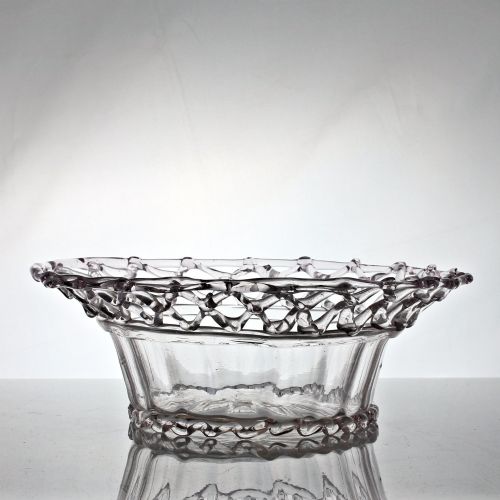
A reticulated fruit basket brings openwork ceramic and metal design to the dining table, offering a decorative vessel for serving fruit.
Reticulated Fruit Basket
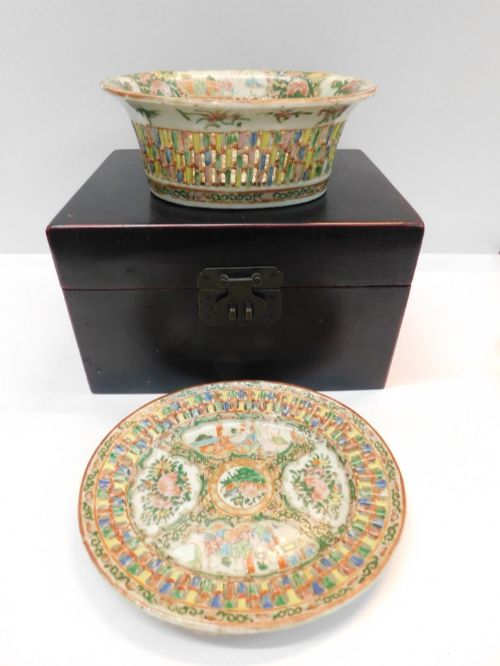
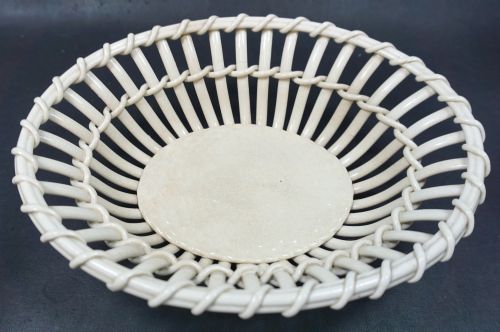
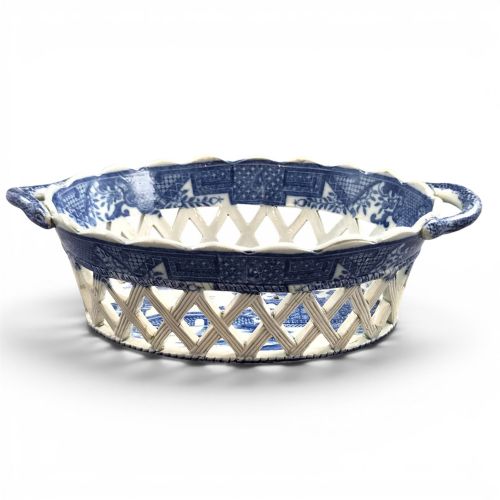
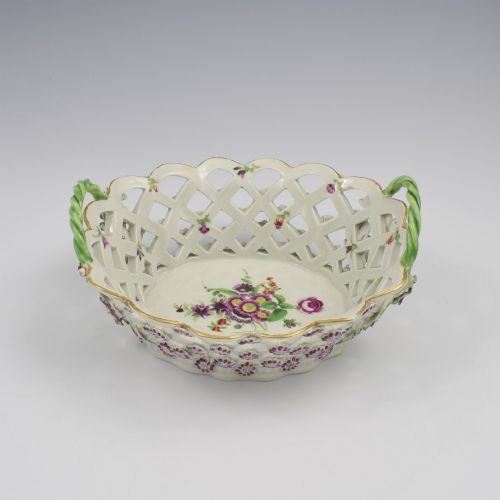
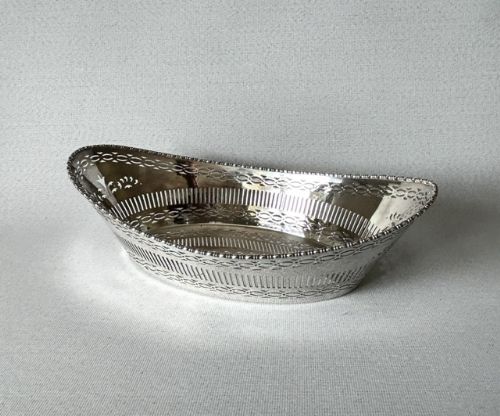
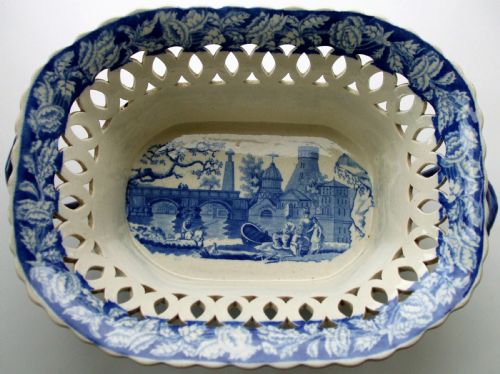
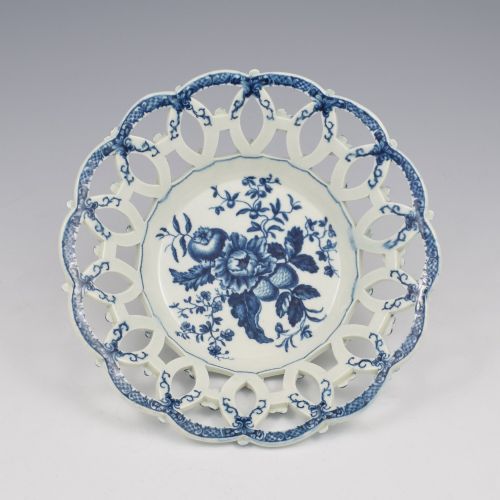
A reticulated fruit basket is a decorative vessel designed for the display or serving of fruit, featuring pierced or openwork walls. Buyers encounter various forms on this page, including chestnut baskets, centrepieces, and bowls from the eighteenth and nineteenth centuries.
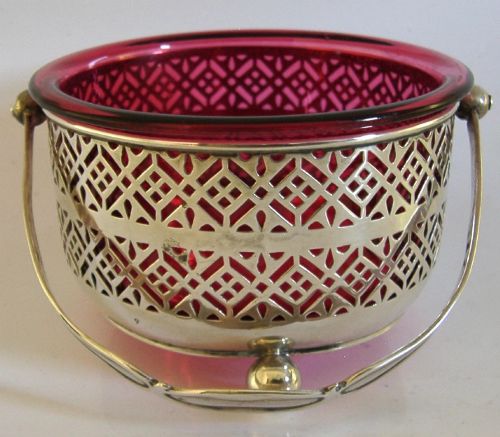
The materials span porcelain, earthenware, and silver plate, reflecting both English factories like Worcester and Wedgwood alongside continental and Chinese export workshops. Many examples incorporate matching stands or lids to complete the serving set.
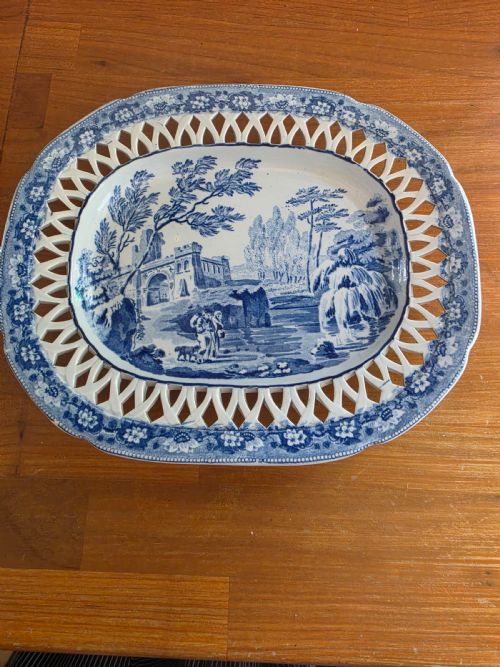
Forms range from traditional blue and white transfer-printed pottery to elaborately modelled porcelain decorated with cherubs and flowers. These pieces bridge decorative arts and functional tableware from the Georgian, Victorian, and Edwardian periods.
How they were made
Potters utilised earthenware and porcelain bodies, shaping openwork lattices by cutting or piercing the clay before firing and glazing. Transfer printing applied detailed blue and white patterns onto earthenware surfaces prior to the final glaze.
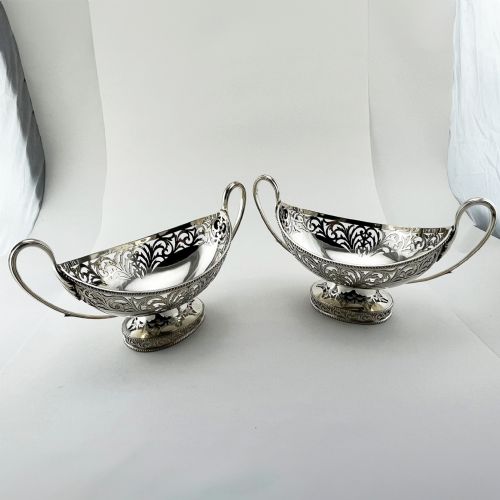
Silver-plated and sterling silver items employed metalworking techniques such as casting and piercing to create rigid, decorative frameworks. Gilding and gold leaf added surface highlights to select porcelain and ceramic forms.
Listings span the eighteenth, nineteenth, and early twentieth centuries, incorporating Georgian, Victorian, and Edwardian periods.
What varies in quality
The crispness of the pierced reticulation dictates much of the visual success, separating sharply defined lattice patterns from softer, less distinct mouldings. Hand-painted polychrome decoration and intricate transfer-printed details demand high technical skill from the factory.
The survival of associated stands, trays, and original lids significantly alters the completeness and character of the surviving object. The weight and stability of silver-plated wirework or the translucency of early porcelain bodies define the upper tiers.
Davenport·Spode·Dr Wall Worcester·Mappin And Webb·J And R Clews·C G Schierholz And Sohn·Fenton·Mason
The Reticulated Fruit Basket Glossary
- Reticulated
- Pierced or patterned to resemble a net or openwork lattice. This technique forms the defining decorative feature of the basket walls.
- Chestnut basket
- A specialised ceramic vessel designed specifically for serving chestnuts at the table. These often include fitted underplates and pierced lids.
- Pearlware
- An earthenware body developed by Josiah Wedgwood featuring a bluish glaze that pooled in recesses. It gained widespread popularity during the late eighteenth and early nineteenth centuries.
- Transfer printing
- A method of applying pre-printed engraved designs onto pottery using paper tissue. It revolutionised blue and white decoration on English ceramics.
- Centrepiece
- A large decorative table ornament placed in the middle of a dining arrangement. Many take the form of substantial porcelain bowls or figural baskets.
Reticulated Fruit Basket: Frequently Asked Questions
What were reticulated fruit baskets used for?
These vessels held fresh fruit, chestnuts, or sweetmeats for presentation on formal dining tables during the eighteenth and nineteenth centuries.
The pierced lattice design allowed air circulation around delicate fruit while serving as an ornamental centrepiece for the room.
How do I care for an antique basket?
Wash ceramic and silver-plated pieces gently by hand using mild soap and lukewarm water, avoiding abrasive sponges or harsh chemicals.
Store them securely on stable surfaces away from direct sunlight and sudden temperature shifts to protect old glazes and metal plating.
How can I tell eighteenth century porcelain apart?
Early porcelain bodies often show subtle variations in translucency, weight, and glaze pooling under magnification. Factory marks, where present, help confirm attribution to specific kilns.
Hand-painted polychrome enamels and transfer prints also indicate the technological standards of the manufacturing period.
Are all these baskets made of porcelain?
The selection includes a broad mix of materials beyond porcelain, encompassing earthenware, pearlware, and silver plate.
Each material brings distinct weight, colour, and decorative characteristics to the finished openwork object.