


Antique Floral Porcelain Teapot
An antique floral porcelain teapot brings painted blossoms and fine ceramic to the daily table, offering a tangible link to eighteenth- and nineteenth-century tea ceremonies.
Antique Floral Porcelain Teapot
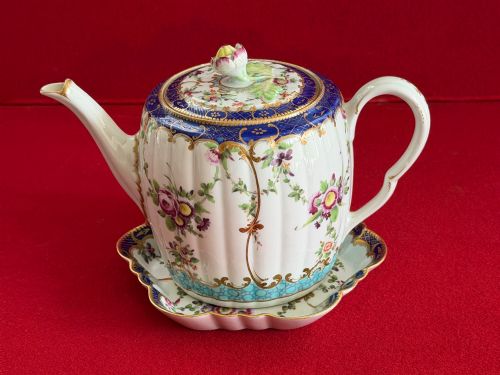
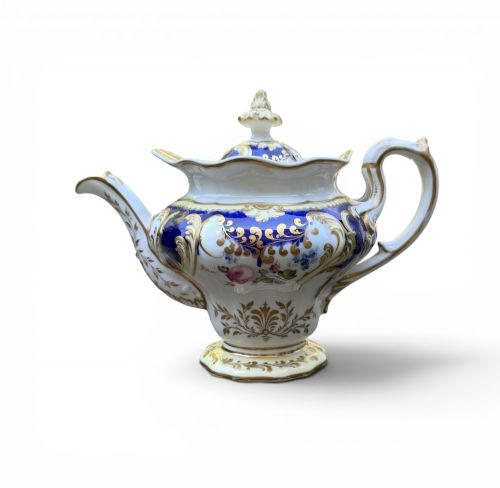
When you search for an antique floral porcelain teapot, you are looking at utilitarian vessels painted with botanical motifs across multiple eras of ceramic production. The pieces gathered here span the Georgian, Victorian, and later periods, capturing both British manufactories and continental European output.
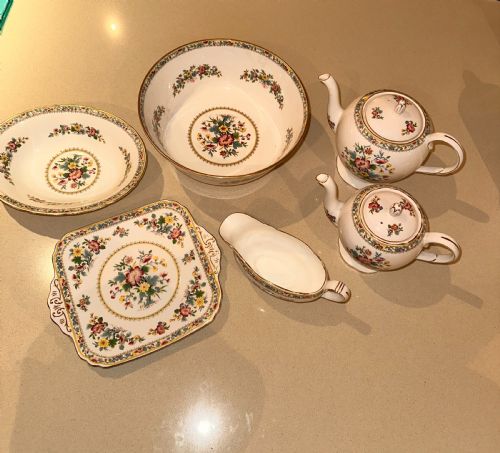
Most examples you will encounter take the form of traditional ceramic pots designed for brewing tea, though related tea services and smaller toy versions also appear. These domestic objects display floral decoration ranging from delicate enamel flowers to hand-painted arrangements on porcelain bodies.
Originating from workshops in England, France, and China, these teapots reflect the shifting tastes of past centuries. From eighteenth-century porcelain barrels to nineteenth-century revival styles, each piece demonstrates the enduring appeal of floral design in household ceramics.
How they were made
Potters shaped these teapots using ceramic materials and fired porcelain, often adding specialised components like flower head knops or wicker cases for insulation and handling. The physical construction combined moulded or thrown clay bodies with fitted lids and applied spouts.
Decoration relied on skilled hand-painting, utilising enamel colours and gold leaf gilding to render floral subjects across the ceramic surface. Artisans applied these pigments before or after glazing, depending on the specific factory traditions of Worcester, Derby, Staffordshire, or overseas kilns.
The listings here include porcelain, ceramic, enamel, gold leaf, gilding, wicker, metal, and fabric.
What varies in quality
The distinction between standard domestic wares and superior examples lies in the execution of the painting and the refinement of the porcelain body. Finer pots display precise hand-painted enamel details and balanced forms, whereas simpler items rely on more modest decoration.
Quality also rests in the preservation of applied gilding and delicate elements such as knops and handles over centuries of use. Well-preserved pieces maintain the integrity of their original enamel decoration and structural harmony.
Royal Worcester·Thomas Wolfe Staffordshire·Spode
The Antique Floral Porcelain Teapot Glossary
- Knop
- The small decorative knob on top of a teapot lid. This component is often shaped as a flower head or fruit to match the painted botanical theme of the vessel.
- Enamel
- Opaque glass-like pigments fused to the ceramic surface during firing. Artisans used enamel colours to achieve vibrant floral decoration on porcelain bodies.
- Gilding
- The application of gold leaf or gold paint to highlight rims, handles, and motifs. This technique added decorative contrast to the underlying porcelain.
- Famille Rose
- A palette of Chinese ceramic glazes dominated by opaque pink enamel. This style appeared on export porcelain shipped to Europe during the eighteenth century.
- Soft-paste porcelain
- An early ceramic composition fired at lower temperatures than hard-paste porcelain. British factories utilised this material extensively during the Georgian period.
Antique Floral Porcelain Teapot: Frequently Asked Questions
How do I date an antique floral teapot?
Dating relies on examining the ceramic paste, form, and painting style relative to known factory output from the eighteenth and nineteenth centuries. Characteristic shapes and pattern numbers help narrow the period of origin.
Changes in glaze composition and decorative techniques also provide clues for distinguishing Georgian pieces from later Victorian examples.
Can I still use these teapots for brewing tea?
While these teapots were originally created for domestic use, their age and delicate enamel decoration mean most owners choose to display them rather than pour from them.
Thermal shock from boiling water can harm historic ceramic bodies and vintage gilding, so gentle handling is essential for preservation.
What does Dr Wall period mean?
This term refers to the early management era of the Worcester porcelain manufactory, founded by Doctor John Worcester in the eighteenth century.
Pieces from this time are noted for specific soft-paste ceramic bodies and distinct enamel painting traditions.
Why do some teapots include wicker cases?
Wicker cases provided insulation to keep tea warm and protected ceramic pots during transport or handling.
These additions are particularly associated with oriental ceramic imports and travel wares from later periods.