
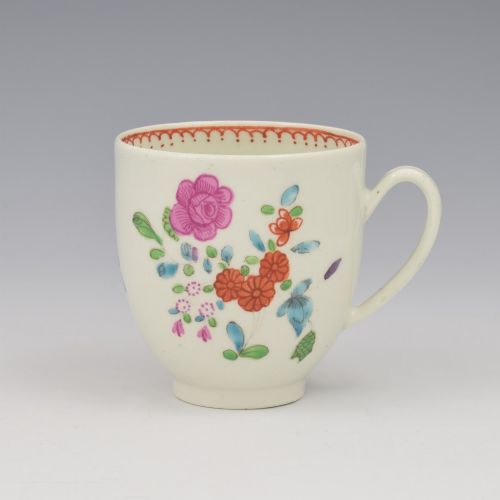
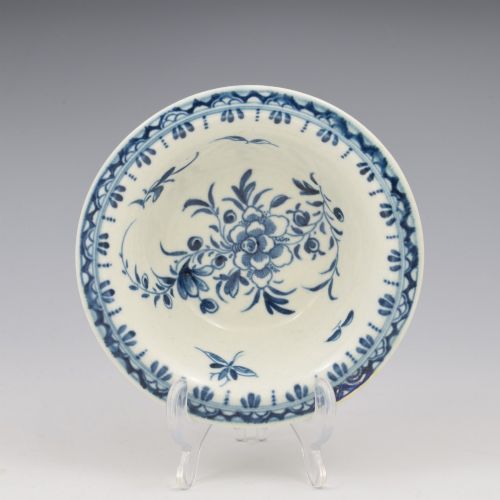


18th Century Ceramic Teaware
These 18th century ceramic teaware pieces bring Georgian elegance and soft-paste porcelain to the table, offering a tangible connection to the domestic rituals of the past.
18th Century Ceramic Teaware
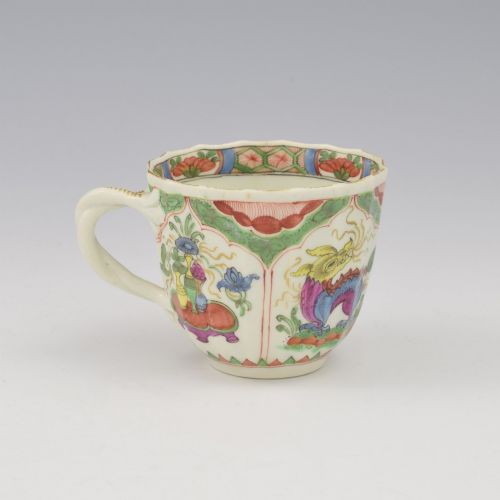
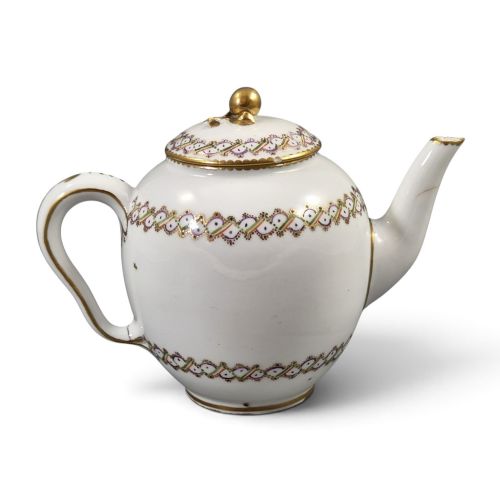
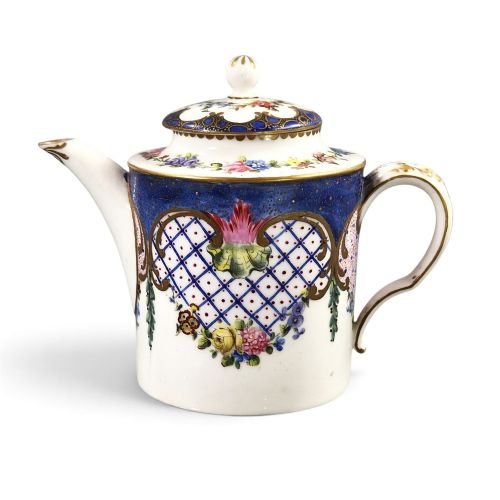
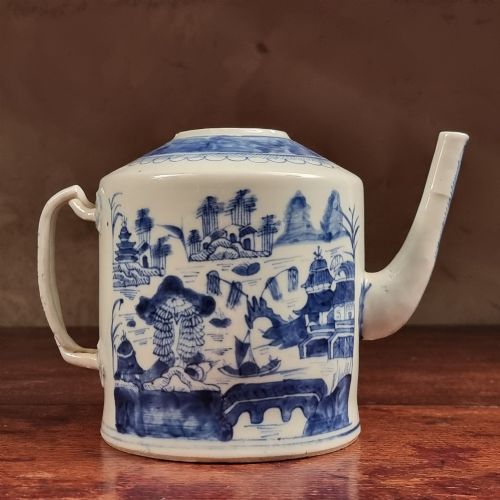
When you search for 18th century ceramic teaware, you find items designed for the formal serving and consumption of tea and coffee during the Georgian era. These domestic objects include teapots, coffee cups, tea bowls, saucers, and decorative dishes used in polite society.
The pieces you are most likely to meet on this page hail from English factories like Worcester alongside continental European porcelain houses and Chinese export workshops. They display period aesthetics ranging from clean classical forms to elaborate painted scenes.
Forms span from the humble tea bowl to specialised vessels such as the litron teapot and the calabre teapot. Each shape reflects the evolving social customs of tea drinking as it transformed from a luxury into a daily ritual.
How They Were Made
Makers utilised soft-paste porcelain, a synthetic composition fired at lower temperatures than true hard-paste porcelain, which produced a warm body well-suited to intricate enamel painting and glaze adhesion. Potters shaped these pieces by hand throwing or moulding before applying fluid cobalt glaze under the fire or polychrome enamels over the glaze.
Decoration often involved meticulous hand painting with gold leaf and gilding to highlight borders, floral motifs, and figurative designs. Artisans employed distinct techniques like fluting the body of cups and teapots to catch the light and add structural rigidity to the delicate paste.
Early tea bowls let drinkers warm their cold Georgian fingers straight from the brew.
What Varies in Quality
The skill of the hand painter dictates the artistic merit of each piece, distinguishing hurried factory output from finely executed chinoiserie and floral compositions. Precision in the application of enamel colours and the crispness of moulded details such as fluting or borders reveal the standard of the workshop.
The stability of the soft-paste body during firing determines the physical integrity of the vessel, with superior pieces showing fewer kiln warps and glaze imperfections. The preservation of original gilding and the crispness of underglaze cobalt marks further separate ordinary examples from exceptional ones.
Dr Wall Worcester·Royal Sèvres
The 18th Century Ceramic Teaware Glossary
- Soft-Paste Porcelain
- A ceramic material composed of glass frit and white clay, fired at lower temperatures than hard-paste porcelain. This body creates a softer texture and a creamy background ideal for enamel decoration.
- Chinoiserie
- European artistic style reflecting Chinese motifs and decorative schemes. Artisans rendered imaginary oriental landscapes, figures, and architectural elements onto porcelain vessels.
- Tea Bowl
- A small handleless drinking vessel used for tea before the widespread adoption of handled cups. These bowls require careful handling to hold hot liquids.
- Litron
- A cylindrical cup or teapot shape popular in European porcelain production during the eighteenth century. This straight-sided form provides a stable base and a large canvas for painted decoration.
- Underglaze
- Pigment applied to the ceramic body before the application of a glassy glaze and subsequent firing. This technique protects the painted design beneath a glossy protective layer.
18th Century Ceramic Teaware: Frequently Asked Questions
What is soft-paste porcelain?
Soft-paste porcelain is an artificial porcelain mixture developed in Europe to imitate true Chinese hard-paste wares. It uses glass frit and white clays rather than natural petuntse and kaolin.
This material fires at lower temperatures and possesses a warmer, softer appearance under the glaze, which absorbs enamel colours with particular depth.
What is Chinese export porcelain?
Chinese export porcelain refers to ceramics made in China specifically for the European market during the Qing dynasty. These pieces combine traditional Chinese manufacturing techniques with Western shapes and decorative preferences.
They arrived in Europe via trading companies and heavily influenced domestic European ceramic design.
Why do some cups lack handles?
Early tea drinking followed Asian customs where tea bowls were made without handles to allow the drinker to feel the warmth of the tea. This tradition persisted in European tea service through much of the eighteenth century.
As coffee and tea consumption increased in popularity, handled cups became more common alongside these traditional handleless bowls.