



Grand Tour Style Bronze
Grand tour style bronze objects translate classical antiquity into cabinet-sized sculptures, decorative urns and architectural models brought home by travellers from Italy.
Grand Tour Style Bronze
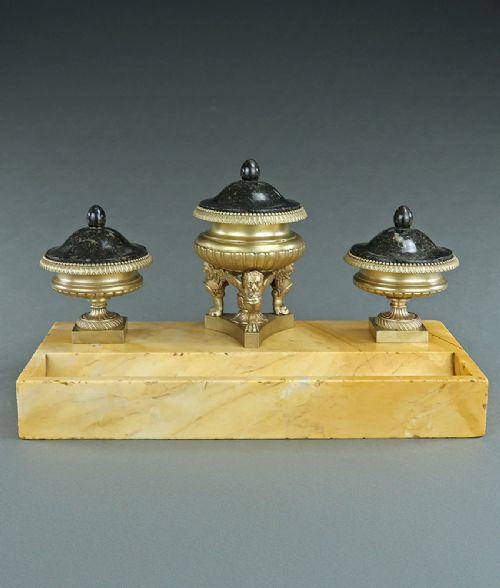
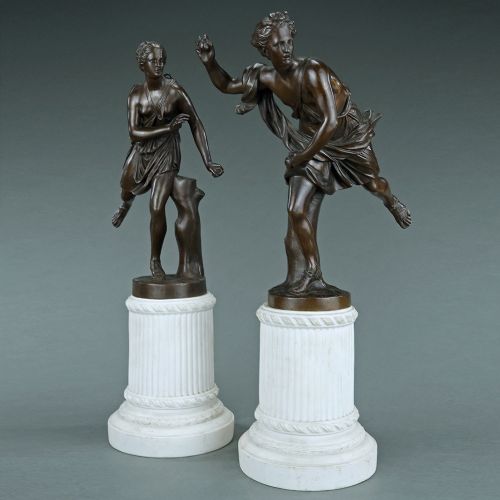
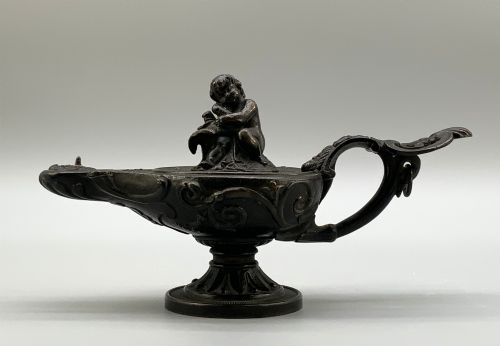
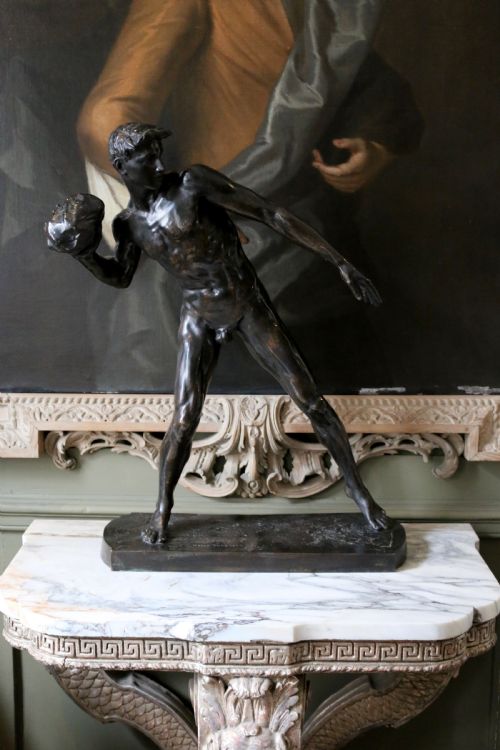
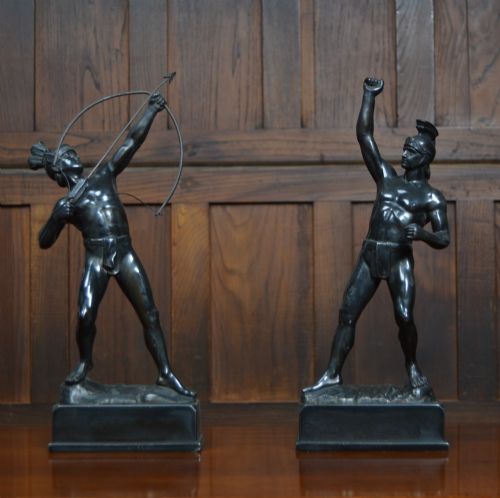
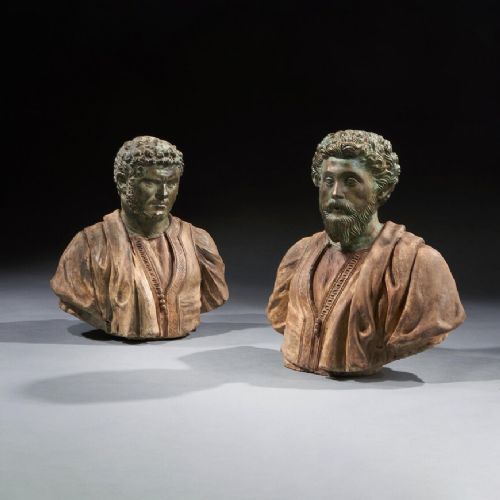
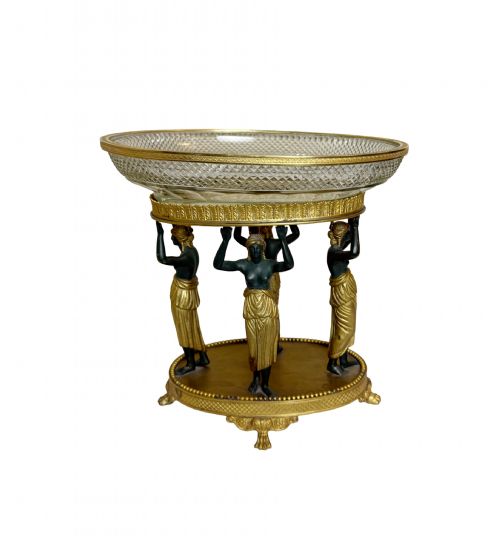
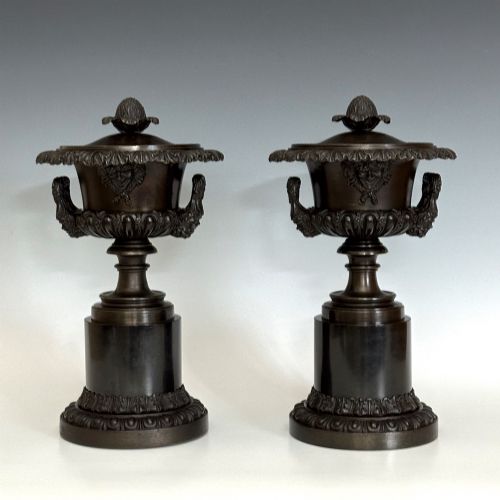
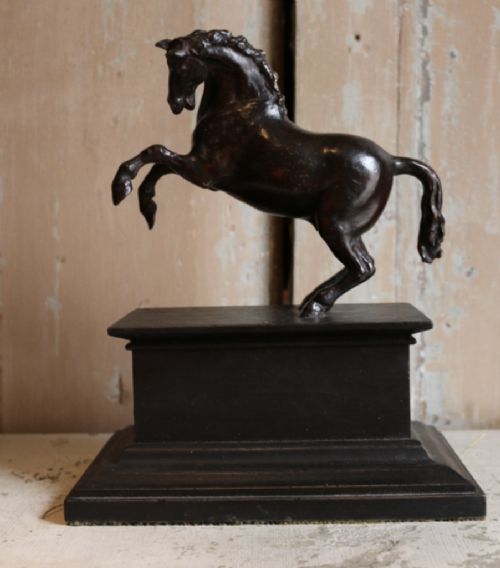
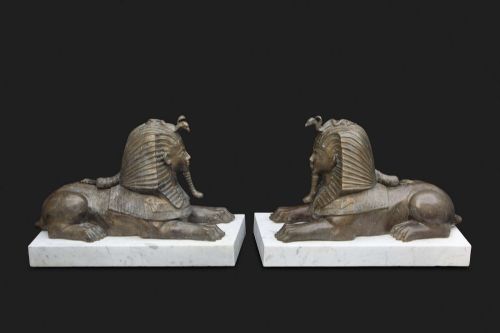
Grand tour style bronze pieces recall classical statues, architectural ruins and mythological figures encountered by travellers in Italy during the nineteenth century. These items take the form of reduced-scale sculptures, portrait busts, campana urns, tazzas and figural oil lamps.
The objects frequently reference renowned ancient prototypes such as the Borghese and Medici vases, the Dancing Faun of Pompeii and various imperial Roman emperors. Collectors encounter both patinated and gilt examples set upon marble or slate plinths.
Smaller souvenir versions were produced in European workshops to satisfy the demand for portable mementos of classical culture. Larger library sculptures and decorative pairs reflect the more ambitious acquisitions of wealthy patrons.
Materials and methods of production
Foundries utilised traditional lost-wax casting methods or sand casting to achieve fine detail in bronze, brass and ormolu. These metal forms were often combined with white marble, Sienna marble or slate bases.
Some travellers returned home with bronze models of a child's hand or a single putto forearm.
Factors determining quality
Quality rests upon the crispness of the chasing and the fidelity of the cast to the ancient original. Finer examples retain sharp facial expressions and clean architectural mouldings without surface pitting.
The weight and selection of the supporting marble or slate plinth contribute to the overall merit of the piece. Superior patination and careful assembly distinguish standard souvenirs from high-grade foundry productions.
Barbedienne·Hamo Thornycroft·Mathurin Moreau·Leofanti Adolphe·Ferdinando de Luca
The Grand Tour Style Bronze Glossary
- Campana urn
- A bell-shaped vessel with a wide mouth and a stepped foot, frequently modelled in bronze after ancient marble excavations.
- Patination
- The surface coloration of metal achieved through chemical treatment or natural ageing, which can range from deep brown to green.
- Ormolu
- Gilt bronze created by applying an amalgam of gold and mercury to a bronze base, common in Regency and French decorative pieces.
- Tazza
- A shallow cup or saucer-shaped vessel mounted upon a stem and foot, often fashioned from bronze and marble for display.
- Caryatid
- A sculpted female figure serving as an architectural support column, found on lamp shafts and candelabras.
Grand Tour Style Bronze: Frequently Asked Questions
What is a grand tour bronze?
Grand tour bronzes are reduced-scale metal copies of classical statues, vases and architectural monuments produced during the nineteenth century. Travellers purchased them across Italy to commemorate their education and travels.
These pieces served as portable representations of antiquity for private libraries and studies. They allowed collectors to display classical taste within domestic interiors.
How were these bronzes displayed?
Owners placed cabinet bronzes on desks, mantelpieces and dedicated display tables alongside books and mineral specimens. Larger figures and vases stood on pedestals or architectural column brackets.
Pairing matching urns or candelabras was common for symmetrical mantelpiece decoration. Marble and slate plinths elevated the metalwork and provided visual weight.
How do you date a grand tour bronze?
Dating relies upon foundry marks, the composition of the metal alloy and the quality of the chisel work. Nineteenth-century pieces often exhibit distinct patination styles and mounting techniques associated with French and Italian foundries.
Associated materials like specific marbles can also indicate the period of manufacture. Archival records and known signatures help narrow the production decade.
What subjects are most common?
Mythological figures, Roman emperors and famous Hellenistic sculptures dominate the subject matter. Common representations include Bacchus, dancing fauns, lions and renowned antique vases.
Architectural columns and models of architectural elements also appeared frequently. These subjects mirrored the famous sites visited during European travels.