

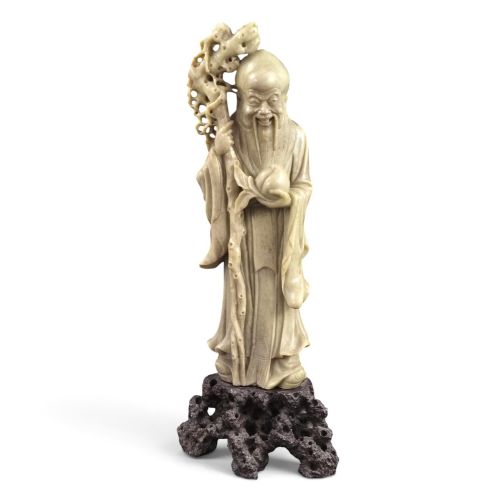
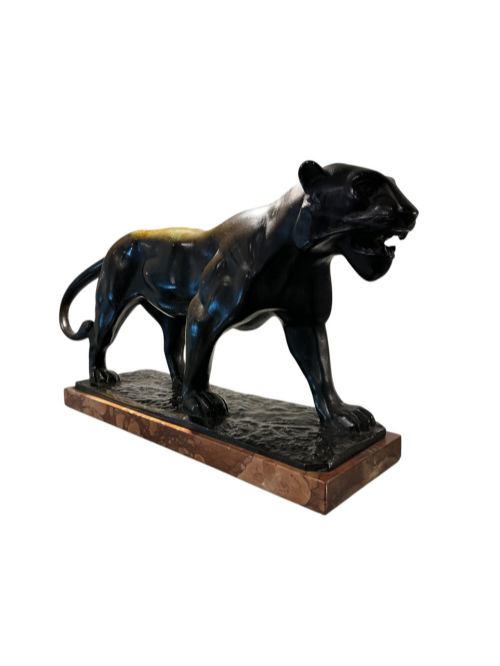

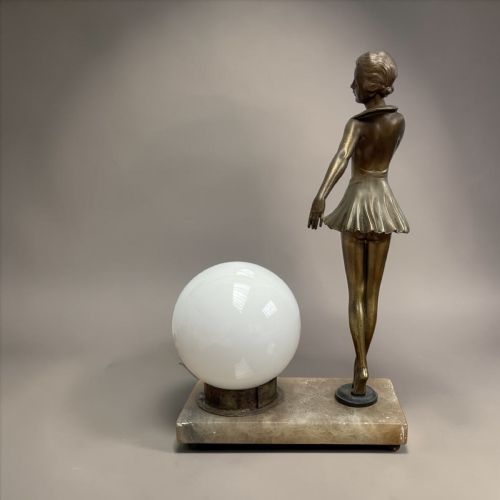

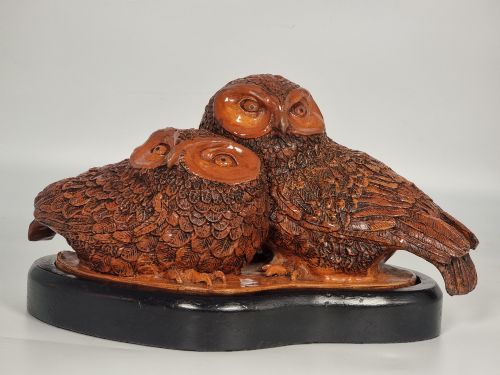

Antique Figurine on Base
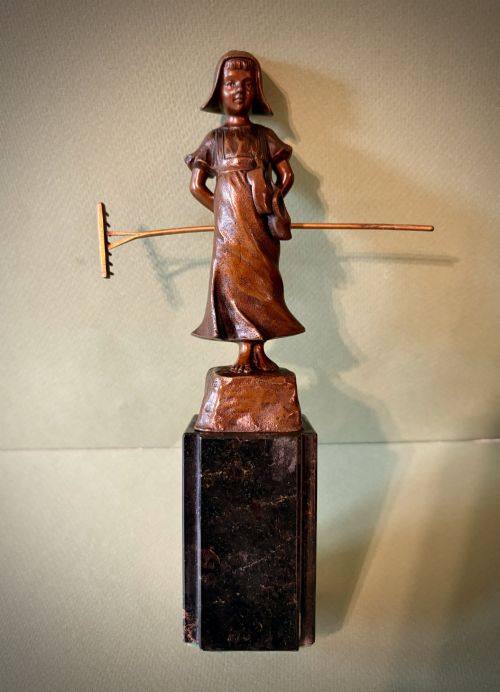
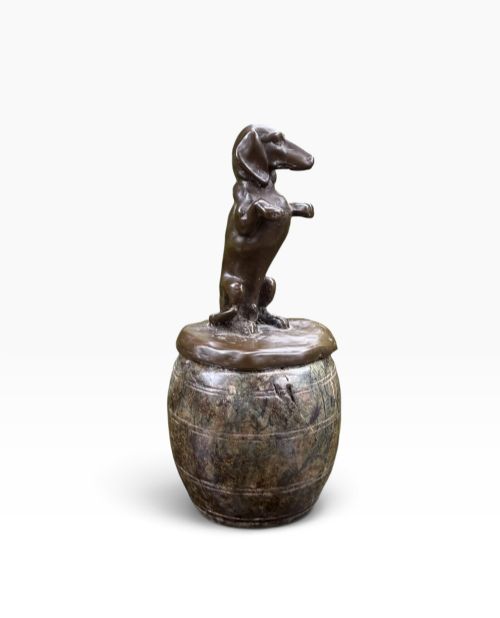
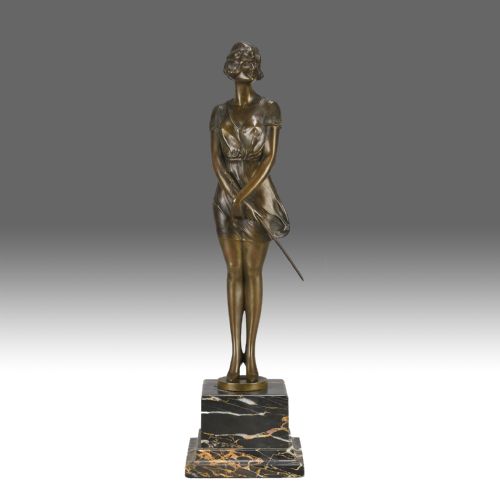
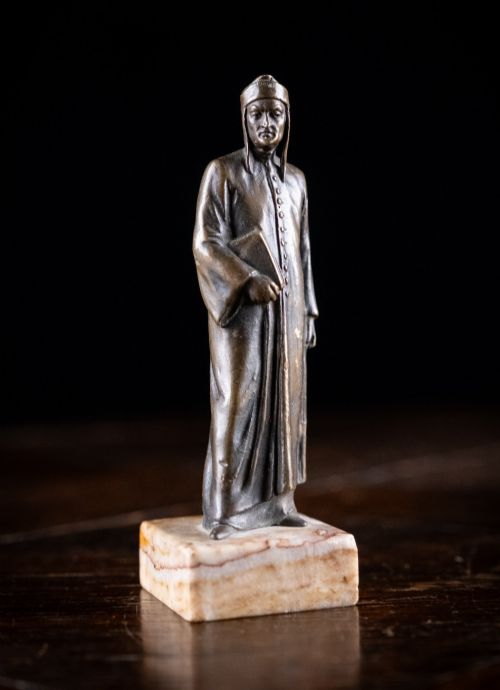
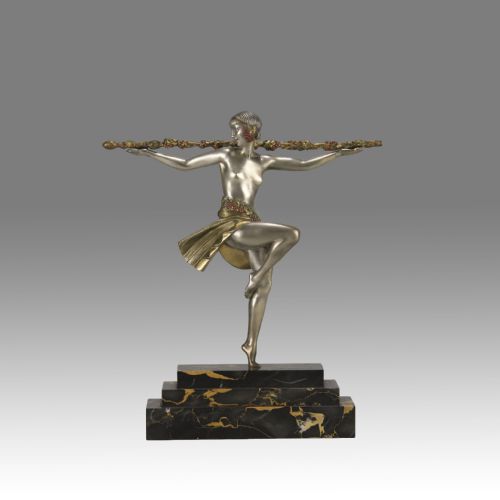
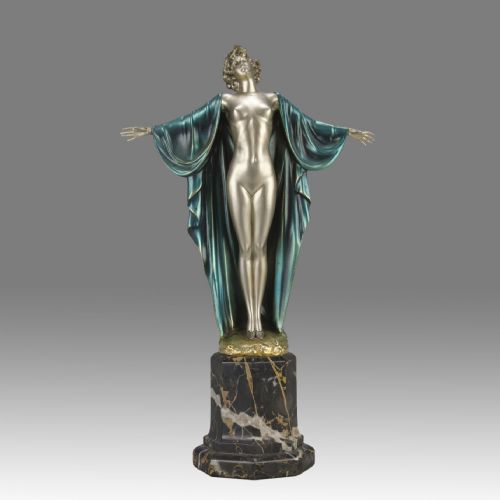
An antique figurine on base combines metal or carved subjects with solid plinths, offering decorative stability and distinct period character.
Antique Figurine on Base
When hunting for an antique figurine on base, buyers examine small sculptures fixed to integrated or separate plinths made from stone or metal.
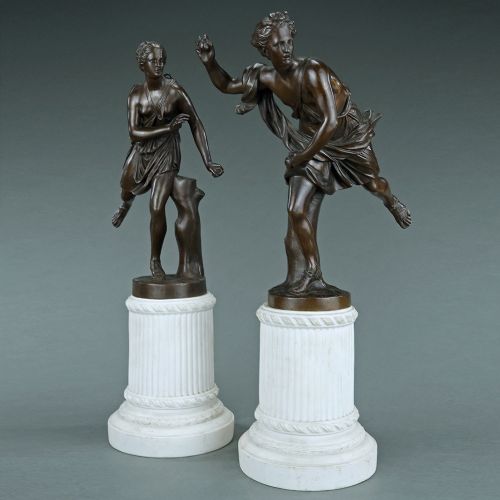
The selections range from nineteenth-century classical subjects to twentieth-century Art Deco dancers mounted on marble or onyx.
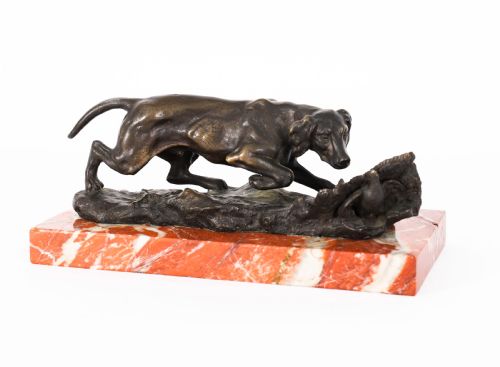
Common formats include animalier studies, human figures, and figural lamp bases created across the Victorian and Art Deco eras.
Materials and technique
The pieces combine cast metals such as bronze, gilt bronze, and spelter with heavy natural plinths made from marble, onyx, and wood.
Many twentieth-century examples employ cold-painted surface decoration applied to cast bronze figures.
Earlier nineteenth-century works utilise traditional foundry casting, sometimes supplemented by hand-carved soapstone or wooden components.
The documented periods span from the mid-nineteenth century up to the 1940s.
Casting and mounting
Quality depends on the sharpness of the metal chasing and the fidelity of the original foundry casting.
The integration between the sculpture and its stone or marble base indicates the precision of the assembly.
Surface treatments, such as the preservation of cold-painted pigments or rich patination, separate ordinary production from finer studio pieces.
Carl Kauba·Barbedienne·Bruno Zach·Pierre le Faguays·Ferdinand Preiss·Josef Lorenzl·Hans Müller·Demetre Chiparus·Henri Godet
The Antique Figurine on Base Glossary
- Cold-painted bronze
- A manufacturing method where paint is applied directly to a cold bronze casting without heat firing. This technique was widely utilised by Austrian foundries.
- Spelter
- An alloy of zinc and lead used as a cheaper alternative to bronze. It frequently appears in twentieth-century figural works.
- Animalier
- A nineteenth-century artistic focus on the realistic portrayal of animals. These sculptures are often mounted on marble plinths.
- Patina
- The surface sheen or colour acquired by metal through age or chemical treatment. A well-preserved patina indicates original handling.
- Plinth
- The solid base block supporting a sculpture. Materials commonly include marble, onyx, and slate.
Antique Figurine on Base: Frequently Asked Questions
What is an antique figurine on base?
These items comprise small sculptural figures permanently attached to a stable foundation made of stone, metal, or wood. They span decorative arts from the mid-nineteenth century through the Art Deco period.
The mounted format protects the lower edges of the figure while adding height and visual presence to tabletops and mantelpieces.
How do I identify Art Deco figures?
Art Deco examples typically feature stylized human figures, such as dancers and athletes, paired with geometric marble or onyx bases. The subjects reflect the design sensibilities of the 1920s and 1930s.
Look for streamlined clothing, dynamic poses, and metal casting techniques characteristic of European foundries from the interwar years.
What is spelter?
Spelter is a zinc-based alloy that mimics the appearance of bronze but is softer and lighter. It was commonly utilised for decorative figures during the nineteenth and early twentieth centuries.
Pieces made from spelter usually require careful handling to prevent surface cracking or loss of the applied metallic finish.
How should I clean my sculpture?
Dust the figure and its base regularly with a soft, dry cloth to prevent particulate accumulation. Avoid chemical polishes or water, which can damage cold-painted finishes and patination.
Keep the pieces away from direct sunlight and high humidity to protect vulnerable stone bases and painted metal surfaces.