


Bronze Male Statue
These bronze male statue pieces capture classical forms and athletic subjects through patinated metal and grand tour traditions.
Bronze Male Statue
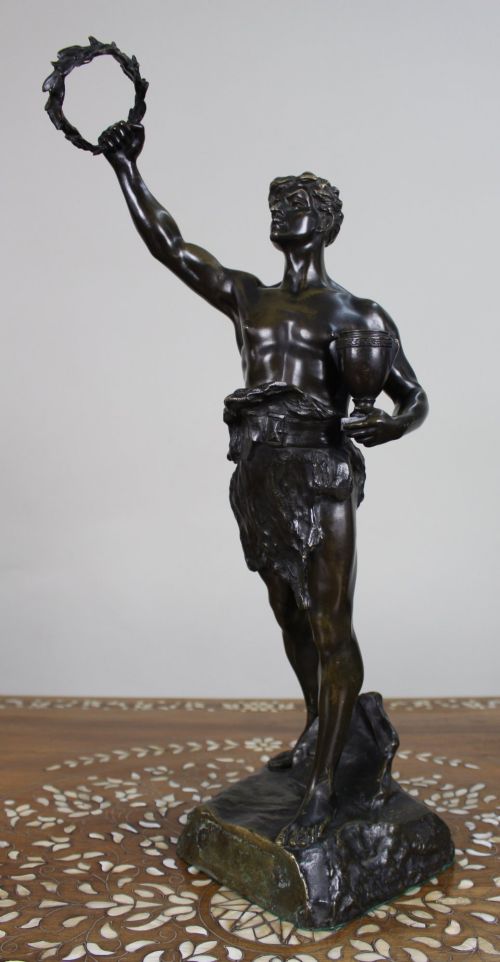
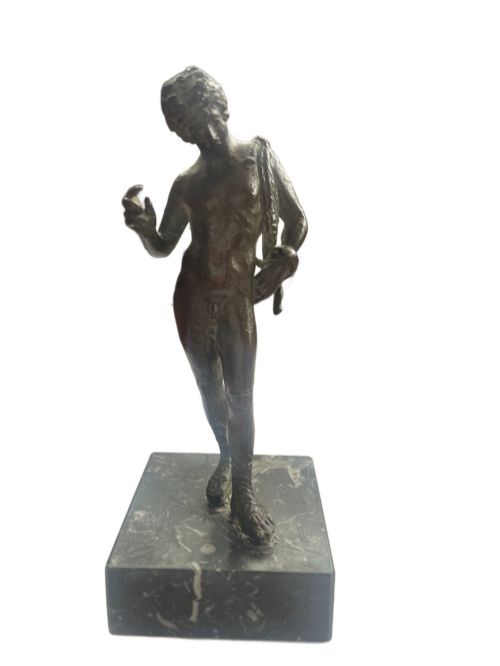
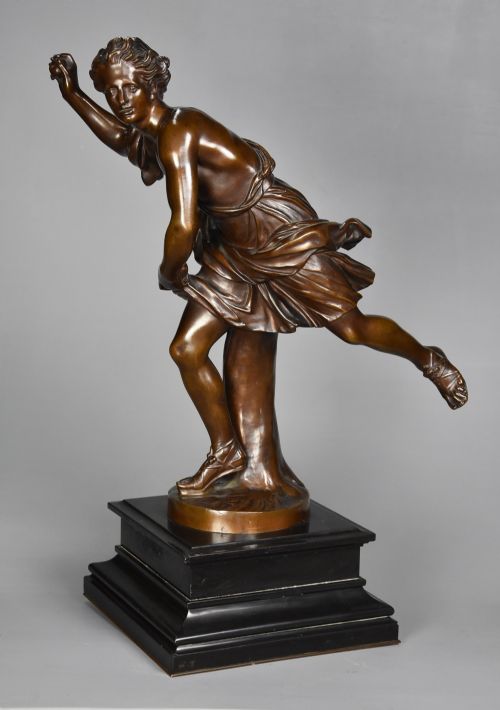
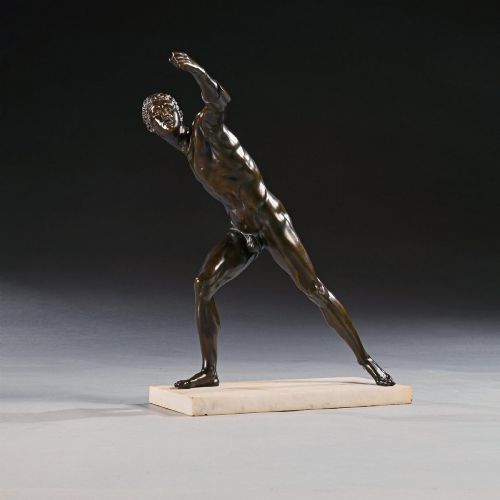
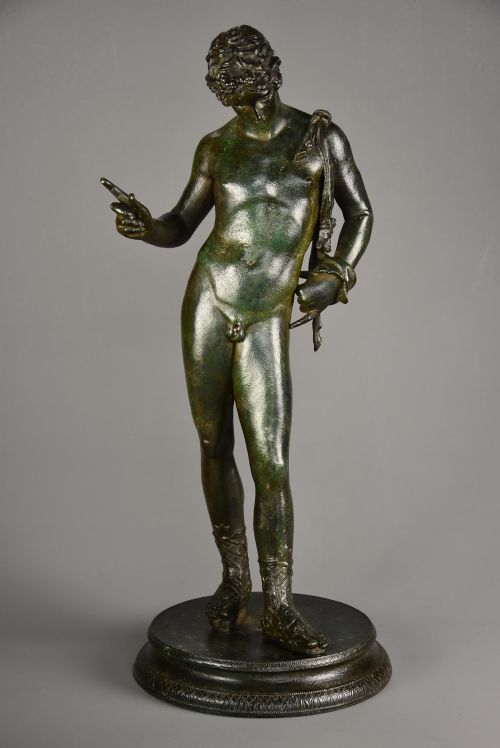
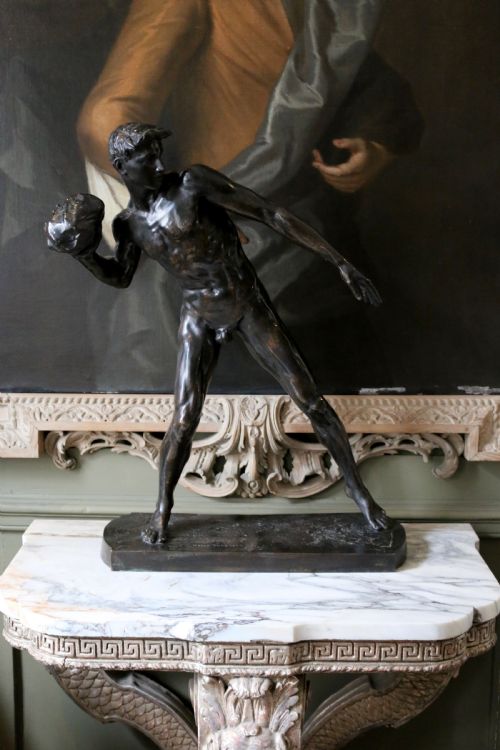
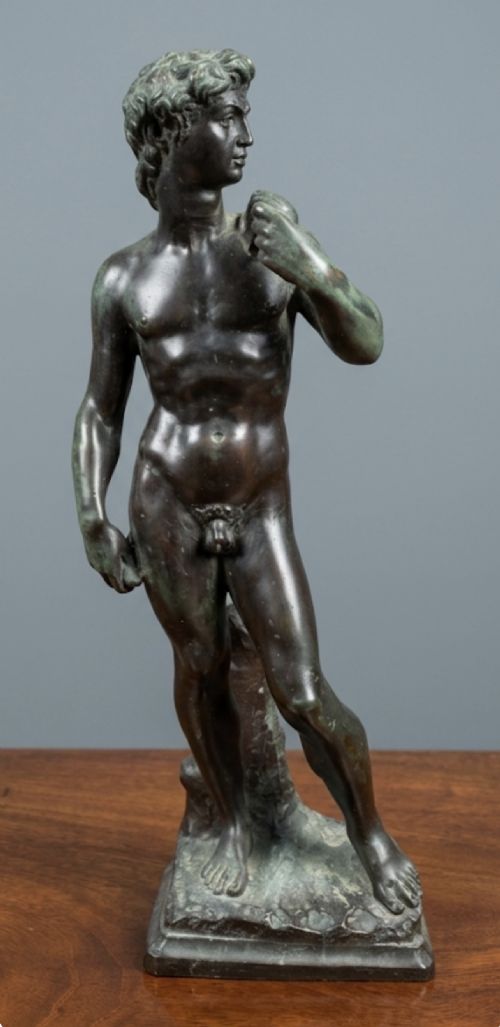
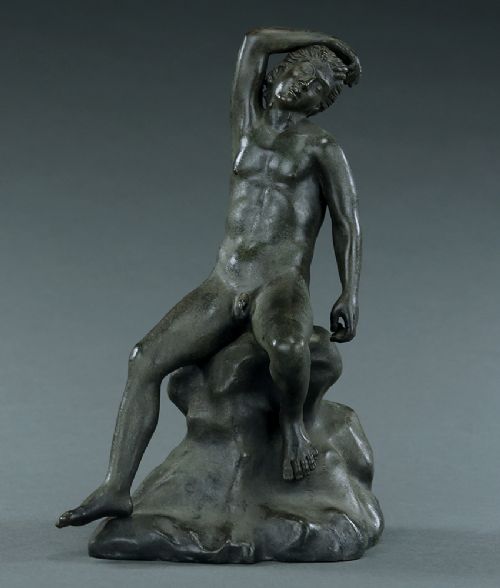
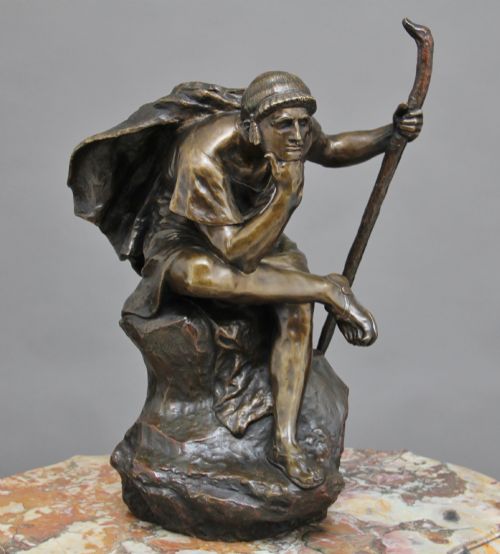
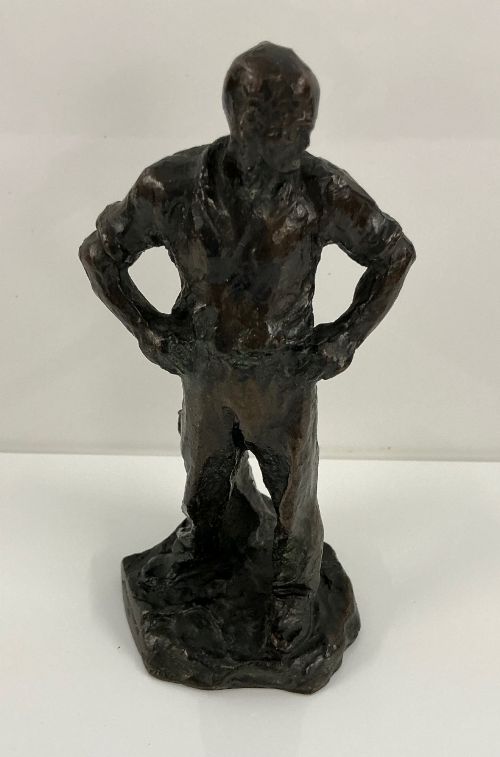
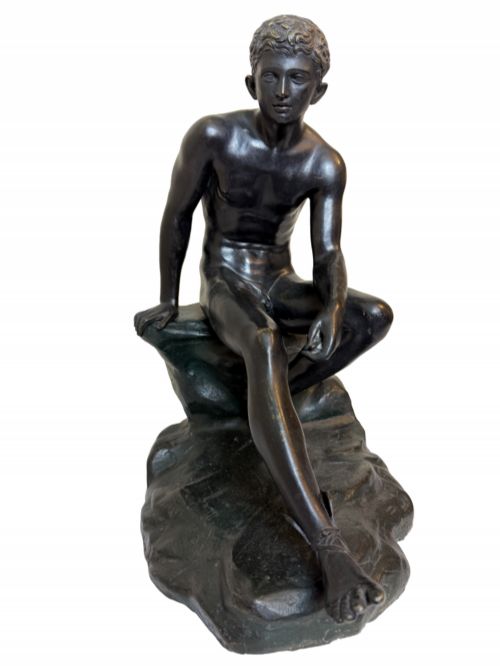
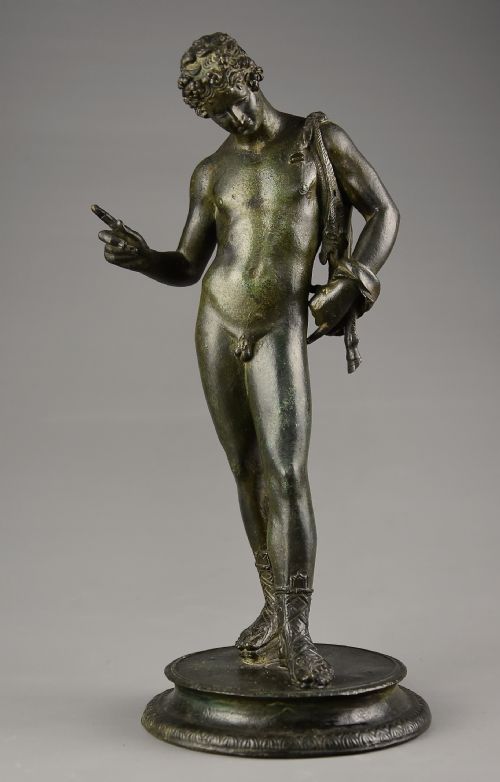
A bronze male statue brings classical figures, mythological heroes, and athletes into an interior space. These sculptures emerge primarily from nineteenth-century European foundries, reflecting an enduring fascination with antiquity. Buyers encounter Grand Tour reductions of famous antiquities alongside French academic bronzes and later Art Deco athletic figures. Figures such as Narcissus, gladiators, and classical deities dominate the selection, often mounted on marble bases.
The nineteenth-century examples often draw directly from classical sculpture discovered during excavations in Italy. Neapolitan workshops catered to travellers by producing reduced-scale bronzes of figures like the Dancing Faun or Mercury. Alongside these tourist souvenirs, French salons produced allegorical and heroic subjects designed for domestic display. Later twentieth-century pieces shift toward modernist interpretations, including tennis players and stylized athletes.
Materials and casting methods
Foundries utilised the lost-wax casting method to capture intricate musculature and drapery in bronze. The metal receives surface patination, ranging from deep dark greens to polished golden highlights, which protects the alloy and defines the contours of the figure. Many pieces incorporate bases made of marble, fossil marble, or ebonised wood to provide stability and elevation.
The listings feature nineteenth-century French and Italian foundry productions, incorporating marble bases, patinated bronze, and signed artistic editions.
Assessing quality in metal sculpture
The weight of the bronze and the quality of the mounting material indicate the standard of manufacture. Finer pieces sit securely on heavy bases of fossil marble or fine stone, fitted with precise pins and screws. The richness and stability of the chemical patination also separate standard commercial editions from exhibition-grade works.
Barbedienne·Friedrich Goldscheider·Emile Louis Picault·Julien Lorieux·Mathurin Moreau
The Bronze Male Statue Glossary
- Grand Tour
- A traditional educational journey through Europe undertaken by the upper classes, which popularised small-scale bronze copies of classical sculpture. Travellers purchased these figures in Naples, Rome, and Florence as mementos of ancient art.
- Patination
- The chemical treatment applied to the surface of a bronze sculpture to produce colour, tone, and texture. Foundries utilised various acids and heat to create dark green, brown, or verdigris finishes.
- Lost-wax casting
- A historic method for creating metal sculptures from an original model encased in wax and refractory material. Molten bronze displaces the melted wax inside the mould to form the final figure.
- Spelter
- An alloy of zinc and other metals frequently used as a cheaper alternative to bronze for figurative castings. It accepts a bronze-like metallic paint or patina to simulate genuine copper-alloy sculpture.
- Chasing
- The manual process of refining a raw metal cast using hammers and punches to sharpen details and remove imperfections. Skilled artisans worked the surface to enhance musculature and hair before final patination.
Bronze Male Statue: Frequently Asked Questions
What is a Grand Tour bronze?
A Grand Tour bronze is a nineteenth-century miniature reproduction of a famous classical sculpture, purchased by travellers visiting Italian excavation sites and museums.
These pieces served as portable education and decorative art for European homes, replicating antique marble and bronze statues in manageable sizes.
How do I identify cast bronze from spelter?
Bronze is heavier, colder to the touch, and shows a warm reddish-brown colour beneath worn patination. Spelter is softer, lighter, and often reveals a greyish-white metal underneath chipped paint.
Bronze also rings with a clear tone when tapped gently, whereas spelter produces a dull thud.
Why do these statues have marble bases?
Foundries mounted figures on marble or fossil marble bases to provide physical stability and visual weight to the composition. The stone plinth echoes the architectural context of classical antiquity.
Many nineteenth-century bases were designed to elevate the sculpture and protect the underside of the metal feet.
How should I clean an antique bronze?
Dust the surface gently with a soft, dry brush to remove particles without disturbing the underlying chemical patination. Avoid using water, soap, or abrasive metal polishes which strip historical finishes.
Applying a microcrystalline wax very sparingly can protect the metal from atmospheric moisture if required.