


Athletic Male Figurine
An athletic male figurine brings heroic form and muscular poise into a room, capturing classical strength through enduring metalwork.
Athletic Male Figurine
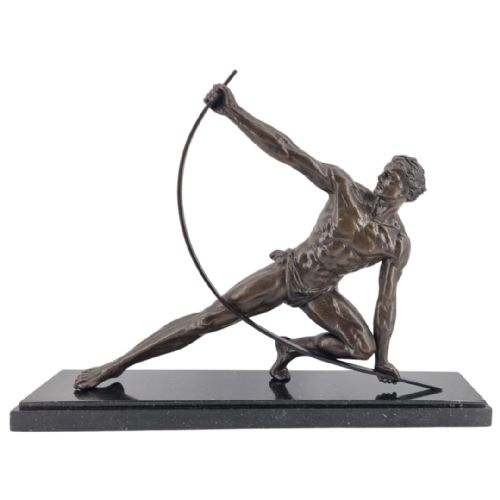
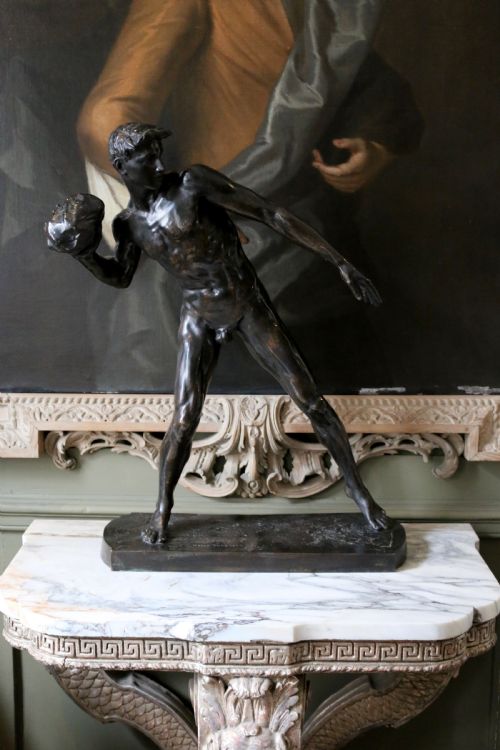
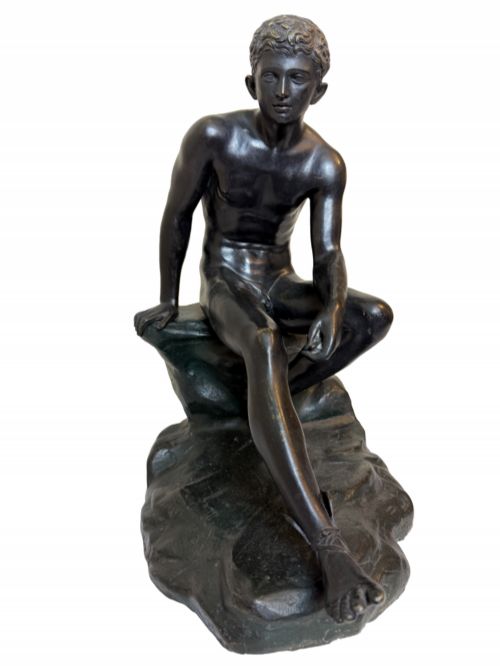
An athletic male figurine portrays the human form in moments of physical prowess, competition, or mythological combat. When you search for an athletic male figurine, you are examining sculptural depictions ranging from classical nudes to twentieth-century sportsmen. These figures celebrate the male physique through established poses of exertion, rest, and victory.
The versions most commonly met span the nineteenth century through the 1930s. Nineteenth-century examples often draw on Grand Tour traditions and Victorian New Sculpture, depicting classical athletes and gladiators. Later pieces shift into the dynamic geometries of Art Deco, showing tennis players, fencers, and powerlifters.
Materials vary from heavy cast bronze and patinated bronze to spelter, metal, stone, and marble bases. Styles shift fluidly across neoclassical, classical revival, Art Nouveau, and Art Deco movements. The forms function primarily as desk ornaments, cabinet bronzes, and substantial tabletop sculptures.
Materials and construction methods
Foundries utilised traditional lost-wax and sand-casting techniques to shape molten metal into complex anatomical forms. Bronze and spelter served as the primary mediums for capturing muscle definition, hair texture, and facial expression. Once cast, the metal received hand-applied patination to create dark brown, green, or metallic surface tones.
Sculptures frequently incorporate natural stone and marble bases to provide physical stability and visual weight. Artisans secured the metal figures to these plinths using threaded bolts or pins inserted through the base. Surface details were refined post-casting using chisels, files, and burnishing tools.
Listings feature bronze and patinated bronze predominantly, alongside spelter, metal, stone, and marble.
Assessing quality in sculptural metalwork
The integrity of the marble or stone base contributes significantly to the overall presence of the piece. Heavier, well-fitted mounts and signature incisions or foundry cachets indicate higher workshop standards. Superior chasing removes all evidence of casting seams, integrating the figure seamlessly with its base.
Hamo Thornycroft·Desire Grisard·Rudolf Küchler·Bruno Zach·Eden Antony Paul Noel
The Athletic Male Figurine Glossary
- Patinated bronze
- Bronze treated with chemical solutions to produce a specific surface colour and finish. This layer protects the metal while enhancing visual depth.
- Spelter
- A zinc alloy commonly used as an economical alternative to bronze. It accepts metallic paint or patination to simulate heavier metals.
- Grand Tour
- The nineteenth-century practice of collecting classical souvenirs in Italy. These small bronzes replicated ancient sculptures for travelling connoisseurs.
- Lost-wax casting
- A method where a molten metal is poured into a mould created by melting away a wax model. It allows for intricate detail and complex undercuts.
Athletic Male Figurine: Frequently Asked Questions
What materials are these figurines made from?
The pieces utilise bronze, patinated bronze, spelter, and mixed metals. Many incorporate stone or marble for structural support and display bases.
Surface finishes range from dark chemical patinas to lighter metallic treatments applied directly to the cast metal.
How do I date an athletic figurine?
Dating relies on stylistic markers, costume, and material composition. Nineteenth-century pieces lean towards classical revival and Grand Tour subjects.
Twentieth-century examples adopt the distinct geometries and modern sporting themes of the Art Deco period.
Where should I display these sculptures?
These figures suit stable horizontal surfaces such as mantelpieces, bookshelves, and executive desks. Their weight requires sturdy furniture capable of supporting concentrated loads.
Positioning them away from direct sunlight preserves the chemical patination on the metal surfaces.
Are these figures solid bronze?
Many are hollow-cast bronze, which reduces weight while maintaining structural integrity. Some smaller examples and economic alternatives are cast in spelter.
Base materials often consist of contrasting marble or dense stone to anchor the composition securely.