



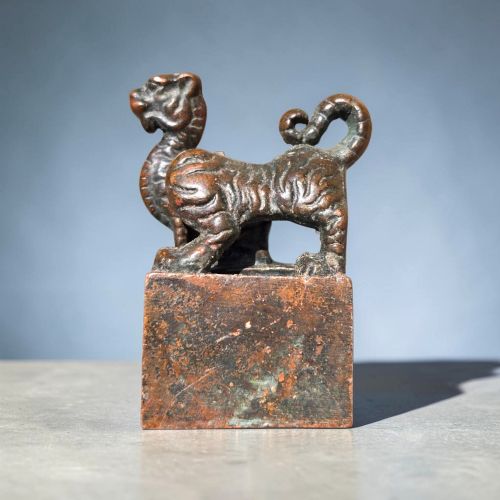
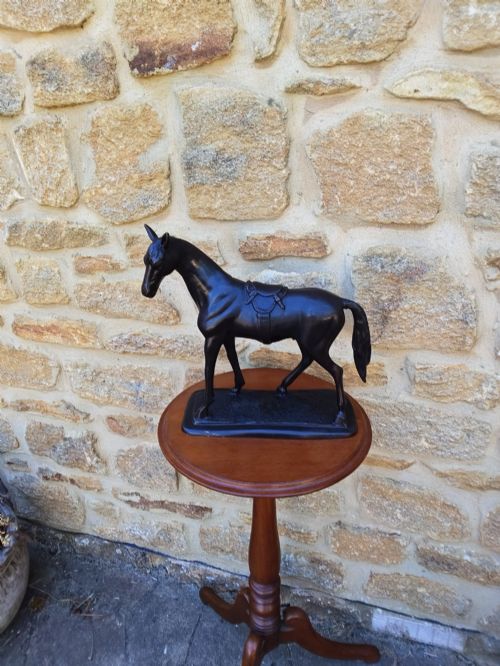
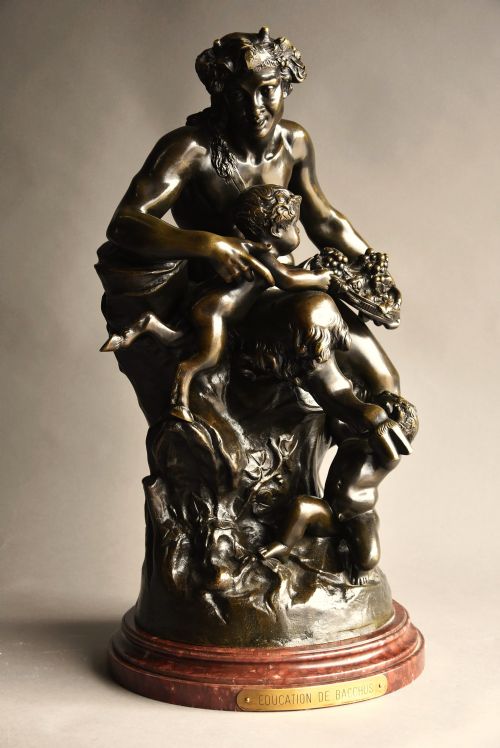
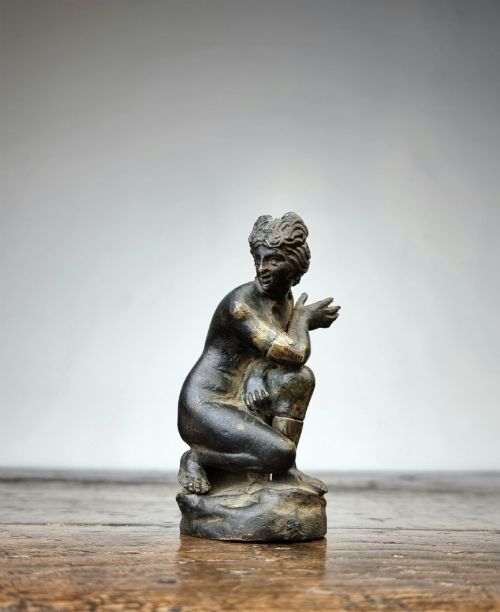
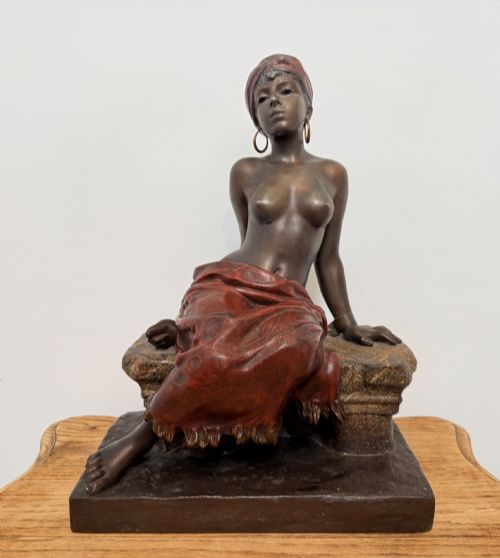
Patinated Metal Figure
A patinated metal figure brings centuries of sculptural craft into domestic spaces, ranging from classical deities to Art Deco dancers.
Patinated Metal Figure
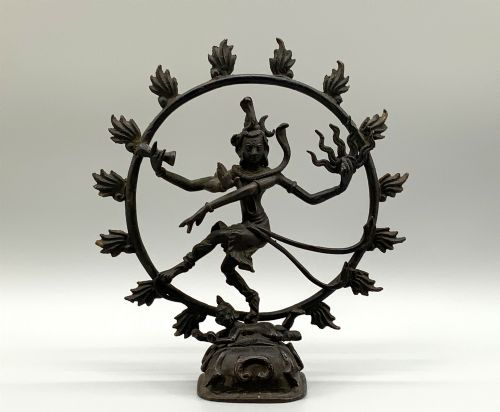
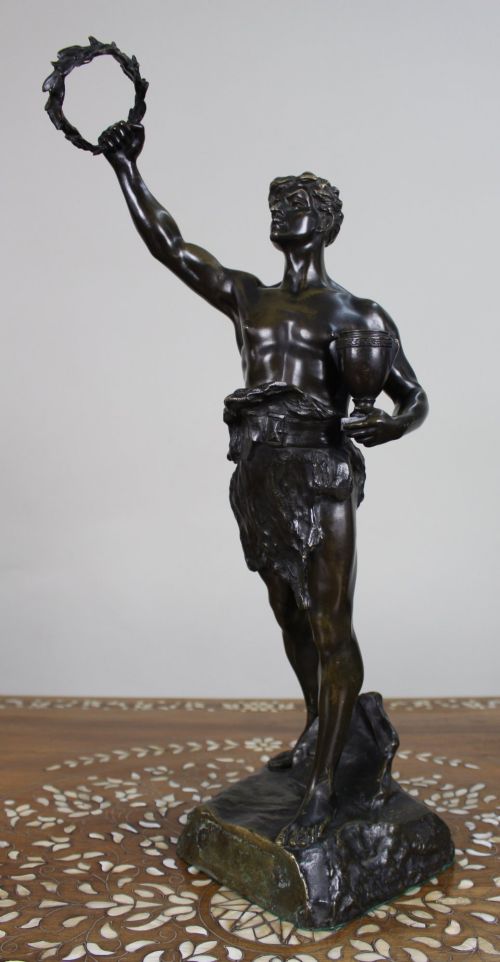
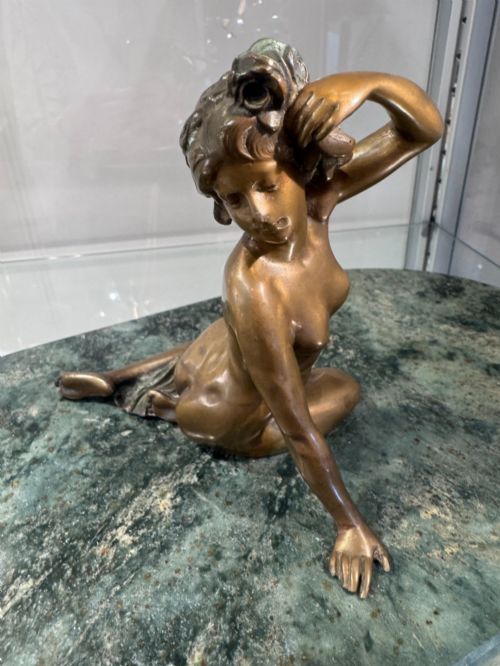
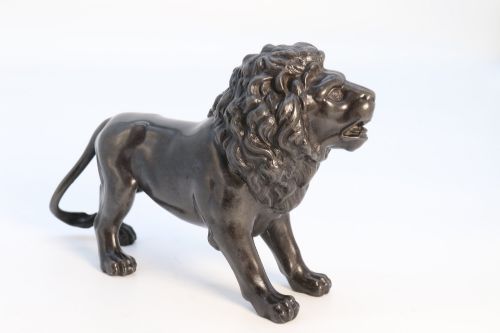
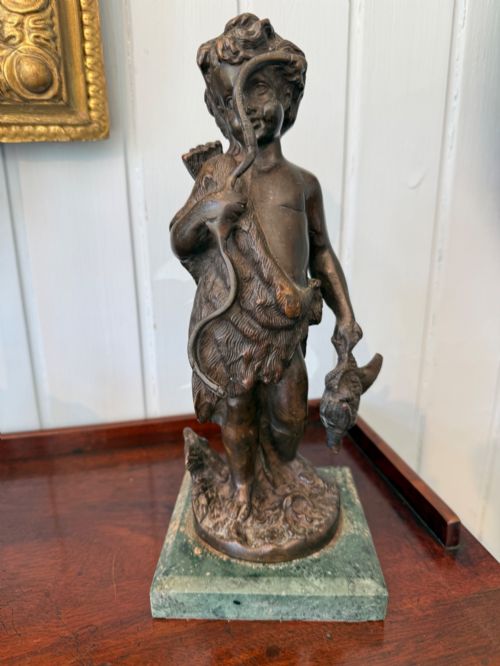
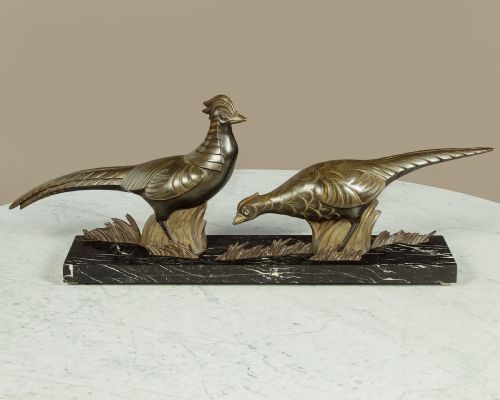
When you search for a patinated metal figure, you encounter sculptural works cast in bronze, spelter, brass, and iron across several centuries. These pieces encompass human portraits, mythological subjects, animal studies, and functional items like candlesticks and lamps.
The selections span distinct periods including the 17th Century, Victorian era, Meiji period, and the 1930s. Art Deco and Art Nouveau styles appear frequently alongside Animalier and classical revivals.
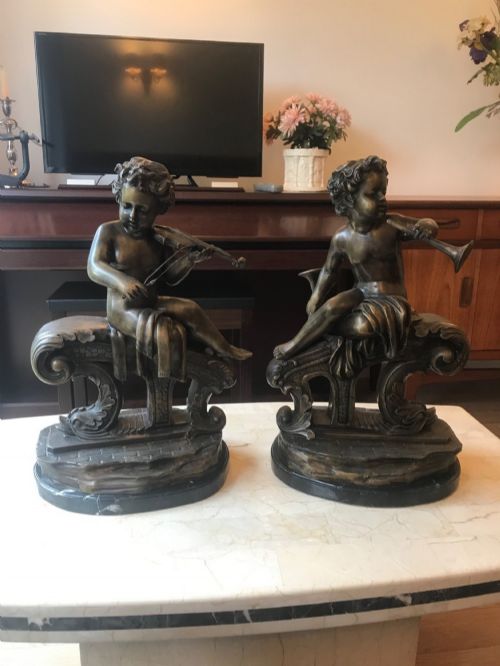
The version most likely to meet you on this page is a 19th-century or early 20th-century European bronze or patinated spelter casting. These range from small desk ornaments and bookends to substantial figurative groups mounted on marble or onyx bases.
How they were made
The creation of these works relies primarily on traditional metal casting techniques, predominantly the lost-wax method or sand casting. Molten metal is poured into moulds to capture intricate details such as drapery, musculature, and facial expressions.
Makers then apply chemical patination treatments to the metal surface to produce coloured oxidisation layers ranging from deep browns and greens to warm golden tones. Bases of marble, onyx, and wood are often integrated to support the metal sculpture.
What varies in quality
The quality of the patination and the integrity of the base materials also differentiate the works. Superior patination shows rich tonal variation and stable chemical bonding, while secondary materials like marble or onyx are selected for density and polish.
Lemoyne·Josef Lorenzl·Claude Michel Clodian·E Villanis·Frederic Remington·Christophe Fratin·Emile Carlier·Henry Wissen Senior·Unno Shomin·Jean Jules Salmson
The Patinated Metal Figure Glossary
- Patination
- The process of treating a metal surface with chemicals and heat to produce a stable coloured finish. This layer protects the underlying metal and adds visual depth.
- Spelter
- A zinc alloy commonly utilised as an economical alternative to bronze during the 19th and early 20th centuries. It accepts patination well to mimic heavier metals.
- Animalier
- A genre of sculpture dedicated to the realistic portrayal of animals. Artists in this tradition focus on capturing creatures in motion or repose.
- Okimono
- A traditional Japanese decorative object designed for display on a shelf or tokonoma. These pieces often depict animals, insects, or human figures with meticulous realism.
- Lost-wax casting
- A historic method where a molten metal is poured into a mould that has been created by means of a wax model. The wax is melted and drained away to allow precise metal replication.
Patinated Metal Figure: Frequently Asked Questions
What is a patinated metal figure?
A patinated metal figure is a sculptural work made from cast metals like bronze, brass, or spelter that has undergone chemical treatment to colour and protect the surface. These pieces range from small animal studies to large human figures and decorative items.
They serve as decorative objects, bookends, lamps, or desk accessories, reflecting the artistic tastes of periods from the 17th century through to the Art Deco era.
How do I care for my figure?
Keep metal figures out of direct sunlight and away from sources of excessive heat or moisture to protect the patinated surface. Dust them gently with a soft, dry cloth without applying modern polishes or cleaning agents.
Applying abrasive cleaners will strip the chemical patination and damage the underlying metal. Handle pieces by their solid sections rather than delicate protruding details.
How can I tell bronze from spelter?
Bronze is heavier, denser, and generally cooler to the touch than spelter, with a resonant sound when lightly tapped. Spelter is a softer zinc alloy that often shows a lighter grey metal beneath chips in the finish.
Inspect the underside of the base where the metal is exposed. Bronze develops a stable, rich oxidation over time, whereas spelter can exhibit flaking if the surface seal fails.
Where were these figures placed historically?
These sculptures were designed for interior display within studies, antechambers, and drawing rooms of middle and upper-class homes. Smaller figures adorned desks and mantelpieces alongside clocks and candlesticks.
Larger groups and figures stood on dedicated pedestals, specialised tables, or architectural brackets. Functional pieces like lamps and bookends integrated art directly into everyday domestic use.
What is the Animalier style?
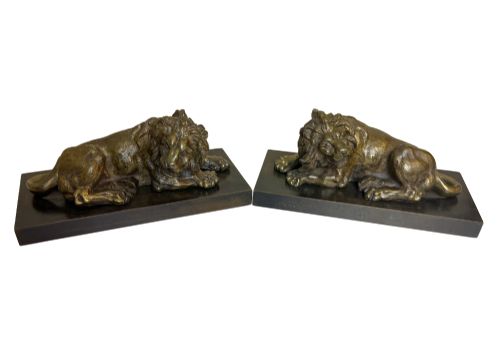
The Animalier style focuses on the naturalistic depiction of animals, capturing creatures in dynamic movement or quiet repose. Sculptors working in this genre studied animal anatomy extensively.
Popular subjects in this category include horses, big cats, stags, and birds rendered in bronze or patinated metal. These works gained popularity during the 19th century across Europe.