



Bronze Athletic Figure
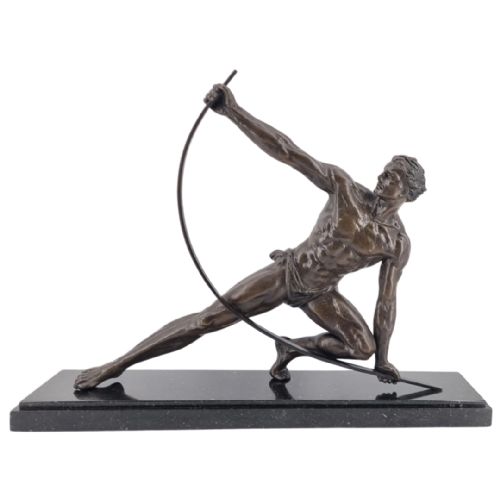
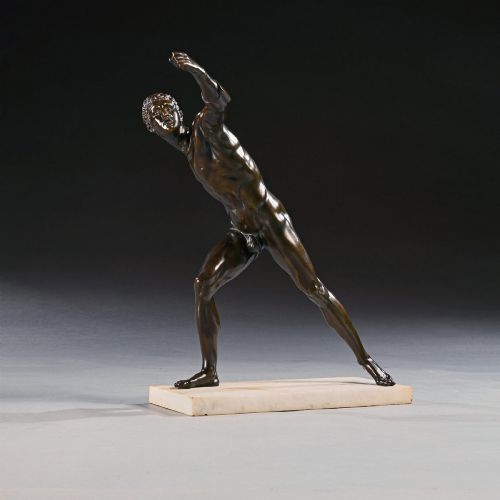
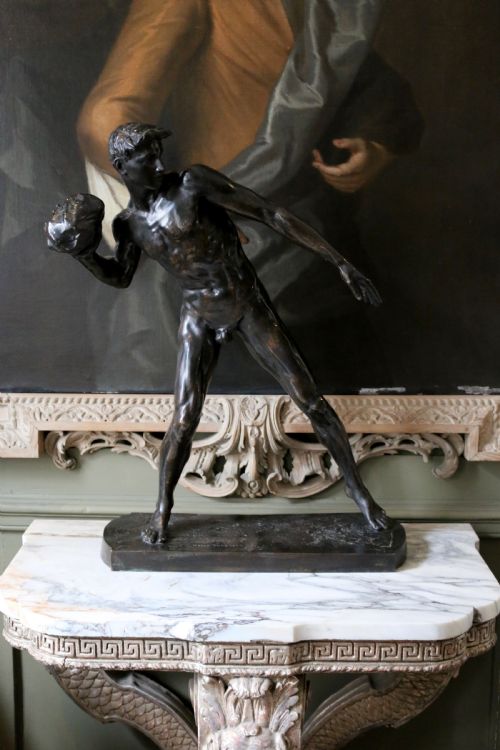
A bronze athletic figure captures human strength and movement, bringing classical energy and sculptural presence into any room.
Bronze Athletic Figure
A bronze athletic figure represents human physical power through various sporting and historical pursuits, ranging from classical gladiators to modern tennis players. Buyers searching for a bronze athletic figure will encounter examples spanning the Victorian period through the Art Deco era, reflecting shifting tastes in physical representation.
The pieces on this page appear predominantly as freestanding sculptures cast in bronze, patinated bronze, and silvered bronze, often mounted on marble bases. Forms include tennis players, wrestlers, fencers, and ancient combatants, demonstrating both antique grand tour traditions and modernist sporting themes.
French foundries and European artists dominate the selection, producing works that capture dynamic motion such as ice skating and putting the stone. These sculptures serve primarily as cabinet or mantel display pieces, celebrating the athletic form through varied historical lenses.
How they were made
These sculptures utilise traditional foundry casting methods, predominantly lost-wax casting, which allows for intricate muscle definition and realistic surface detail. Metal alloys such as bronze and spelter form the primary body of the figures, supplemented by applied patinas, silvering, or gilding.
Many figures integrate distinct secondary materials to provide stability and visual contrast, most notably carved marble plinths and wooden bases. The surfaces receive chemical patination treatments ranging from deep brown tones to bright metallic finishes, highlighting the musculature and clothing of the subject.
Bronze Athletic Figure Retail Price Guide 2026
Typical asking prices for bronze athletic figure among the pieces listed under this phrase on Sellingantiques today, from the lower quarter to the upper quarter. They describe what is for sale here now, not the wider market.
Materials appearing alongside the metal figures include carved marble and wood used for structural display bases.
What varies in quality
The quality of the base material and the depth of the patina also distinguish finer works, with heavy natural marble and rich patinated surfaces elevating a piece. Signed works associated with named sculptors command greater attention through their proportion and balance.
Jean de Roncourt·Hamo Thornycroft·H Risch·Desire Grisard·Rudolf Küchler·Claire Colinet·Bruno Zach·Eden Antony Paul Noel
The Bronze Athletic Figure Glossary
- Patina
- A thin layer that naturally or artificially forms on the surface of bronze through oxidation or chemical treatment. This coloration protects the metal and defines the visual mood of the sculpture.
- Spelter
- A zinc alloy frequently used as a cheaper alternative to bronze for casting figures. It appears often in decorative metalwork and requires careful handling due to its relative softness.
- Grand Tour
- A cultural journey undertaken by wealthy young Europeans in the eighteenth and nineteenth centuries to study classical art. Souvenirs from these travels included small bronze reductions of famous ancient statues.
- Lost-wax casting
- A metalworking process where a molten metal is poured into a mould that has been created by melting away a wax model. This technique allows for complex shapes and fine surface textures.
- Neoclassical
- An artistic style inspired by the classical art and culture of ancient Greece and Rome. Works in this style emphasise proportion, restraint, and heroic human forms.
Bronze Athletic Figure: Frequently Asked Questions
How do I clean a bronze figure?
Dust the sculpture gently with a soft, dry brush to prevent the accumulation of dirt within the crevices. Avoid using water, soap, or chemical polishes, as these substances can strip the original patina and damage the metal surface.
Apply a microcrystalline wax very sparingly if the metal requires protection against moisture. Buff the surface lightly with a clean cloth to maintain a stable, matte finish.
What periods do these sculptures cover?
The pieces span from the nineteenth century through the Art Deco period of the 1920s and 1930s. Victorian works often lean towards classical antiquity and mythological subjects.
Later pieces embrace modern athletic disciplines like tennis, ice skating, and powerlifting. Stylistic shifts reveal changing ideals of the human body across these decades.
Are all these figures solid bronze?
Many figures are cast in solid bronze or hollow bronze using traditional foundry methods. Some pieces utilise spelter, which is a lighter zinc-based metal alloy often finished to resemble bronze.
Bases frequently consist of heavy marble or wood to anchor the dynamic weight of the figures. Examining the underside and weight helps determine the primary metal used in the casting.
How were grand tour bronzes used?
Grand tour bronzes served as scholarly mementos for travellers returning from Italy and Greece. They replicated famous classical sculptures on a smaller scale for display in private libraries and studies.
These pieces demonstrated the owner's classical education and refined taste. They remain valued today for their historical connection to nineteenth-century collecting habits.