
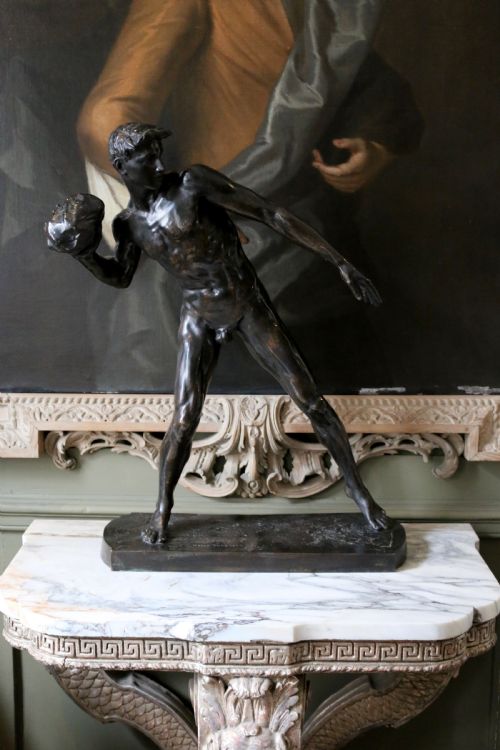


Vintage Athletic Bronze Sculpture
These vintage athletic bronze sculpture pieces capture human strength and motion, prized for their expressive detail and dynamic forms.
Vintage Athletic Bronze Sculpture
When searching for a vintage athletic bronze sculpture, buyers encounter figurative works depicting sports, combat, and physical prowess. These pieces span the nineteenth century through the early twentieth century, taking forms such as tennis players, rugby figures, wrestlers, and gladiators.
Originating largely from European foundries and makers, these sculptures employ various metals mounted on bases of marble or wood. Buyers frequently meet works by named European artists alongside unsigned classical studies.
How they were made
Casting these figures typically involved the lost-wax technique, allowing for intricate muscle definition and realistic drapery in the metal. Founders applied patinas in bronze, silver, or gilt finishes to enhance the textural depth of the figures.
Many of these sculptures incorporate mixed media elements, mounting the metal figures securely onto plinths of solid marble or polished wood. This combination provided stability for dynamic, cantilevered poses such as throwing, leaping, or wrestling.
Even ancient Roman gladiators occasionally needed to pause for a quiet chat with a friendly lion.
What varies in quality
The artistry of the casting dictates the crispness of anatomical details and facial expressions. Superior pieces display masterwork chasing and finishing that preserve the sculptor's original touch.
The choice of patination and the integration of the metal figure with its marble or wooden base separate standard production from finer studio output. Weight, balance, and the sophistication of the alloy directly influence the presence of the piece.
Hamo Thornycroft·H Risch·Desire Grisard·Rudolf Kuchler·Claire Colinet·Bruno Zach·Eden Antony Paul Noel
The Vintage Athletic Bronze Sculpture Glossary
- Patinated bronze
- Bronze treated with chemical solutions to produce a specific surface colour or tone. This finish protects the metal and highlights sculptural contours.
- Lost-wax casting
- A method of metal casting where a molten metal is poured into a mould that has been created by means of a wax model. It permits high fidelity to intricate original models.
- Art Deco
- A design style prevalent during the nineteen-thirties characterised by streamlined forms and geometric simplification. Figures from this era emphasise athletic speed and modern dynamism.
- Spelter
- A zinc alloy frequently utilised as a substitute for bronze in decorative figures. It accepts metallic paints and patinas to simulate heavier metals.
- Victorian New Sculpture
- A late nineteenth-century movement in British sculpture prioritising naturalism and energetic movement. Works from this circle often depict athletic subjects with heightened realism.
Vintage Athletic Bronze Sculpture: Frequently Asked Questions
What periods do these sculptures date from?
The available evidence spans the nineteenth century up through the nineteen-thirties, covering Victorian, Art Nouveau, and Art Deco movements.
Most pieces cluster around the late nineteenth century and the nineteen-thirties, reflecting shifts in both athletic ideals and artistic styles.
How were these figures displayed?
These sculptures were designed for interior display on desks, mantelpieces, or dedicated pedestals in homes and clubs.
Their substantial marble or wooden bases ensure stability despite the active, off-centre poses of the athletes.
How do I distinguish bronze from spelter?
Bronze possesses a heavier weight and a resonant tone, while spelter is softer and more brittle under close examination.
Patination also ages differently on zinc alloys compared to copper-based bronze sculptures.
What sports are depicted in these works?
Depicted sports and activities include tennis, rugby, ice skating, fencing, and power lifting alongside ancient combat sports.
Gladiators and wrestlers feature prominently among the classical revival subjects.